
HIKING • LIVE
Mt Kilimambogo (Ol Donyo Sabuk) Day Hike
What Is the Mt Kilimambogo Day Hike? Mt Kilimambogo — officially Ol Donyo Sabuk, meaning "Big Mountain" in Maa — is one of the most accessible day hikes near Nairobi. It sits inside a 20.7 km² national park about 70km from Nairobi and 18km east of Thika, and reaches a summit of 2,145m above sea level. The mountain is also known as "Buffalo Mountain" for its resident buffalo population, and the park is home to colobus monkeys, baboons, bushbuck, duiker, and abundant birdlife. From the top, hikers get panoramic views of the Athi River plains, Fourteen Falls, and Masinga Dam — with Mt Kenya and Mt Kilimanjaro visible on a clear day. How Hard Is the Kilimambogo Summit Hike? Distance: Approx. 9–10km one way to the summit (18–20km round trip) Elevation gain: Over 730m; summit at 2,145m above sea level Duration: 4–6 hours round trip, depending on fitness and pace Terrain: A mix of dirt/gravel motorable road and rocky footpaths. The steeper "Rock Hyrax" route offers a tougher alternative to the main road. Difficulty: Moderate — beginner-friendly overall, with steep, rocky sections near the summit. A good pick among moderate hikes Kenya has to offer for building hiking stamina. Do You Need a Ranger for This Hike? Yes. Ol Donyo Sabuk is a Kenya Wildlife Service (KWS) national park with a resident buffalo population, so every hike is escorted by a KWS ranger for safety. This makes it one of the more reassuring guided hikes Thika and the wider Nairobi area offer for first-timers. What's Included in This Package? KWS ranger escort Guided group hike (summit and back) [Add: transport, if you provide it] [Add: bottled water / snacks, if included] What's Not Included? KWS park entry fees (paid at the gate): KES 300 (citizens), KES 600 (residents), USD 25 (non-residents); vehicle entry KES 300–1,000 depending on size Personal hiking gear Meals (unless stated otherwise) What to Carry for the Mt Kilimambogo Hike Sturdy, closed hiking boots with good grip (terrain is loose and eroded in sections) 2–3 litres of water Sun protection: hat, sunscreen, sunglasses Light rain jacket / windbreaker Snacks or packed lunch A walking stick (optional but helpful on the steeper sections) Small daypack Internal link idea: link "sturdy hiking boots" and "daypack" to your relevant product categories — this builds topical authority for both this page and your gear pages. How to Prepare for the Mt Kilimambogo Hike Build up your stamina beforehand: a few weeks of regular walking, stair climbing, or light cardio makes the steep final stretch to the summit much more manageable, especially for first-time hikers. Break in your hiking boots before hike day: new boots on a 9–10km rocky trail is a common cause of blisters — wear them on a few short walks first. Hydrate well the day before: don't rely on water intake on the morning of the hike alone. Eat a light, energy-sustaining breakfast before setting off — avoid a heavy meal right before climbing. Arrive early: starting the hike in the morning avoids the midday heat and gives you the best chance of spotting wildlife. Check the weather forecast the night before — the trail gets slippery when wet, so plan footwear and pacing accordingly. Pack the night before, not the morning of, so you're not rushing and forgetting essentials like water or sun protection. Good to Know Before You Go Park hours: 6:00 AM–5:00 PM daily M-Pesa is accepted at the KWS gate Combine your visit with a stop at the nearby Fourteen Falls on the way back Best for hikers with a base level of fitness; not ideal for those with knee/joint issues given the steep rocky descent
Date
November 21, 2026
Time
6:00 am – 6:00 pm
Location
Mt Kilimambogo
What Is the Mt Kilimambogo Day Hike?
Mt Kilimambogo — officially Ol Donyo Sabuk, meaning “Big Mountain” in Maa — is one of the most accessible day hikes near Nairobi. It sits inside a 20.7 km² national park about 70km from Nairobi and 18km east of Thika, and reaches a summit of 2,145m above sea level.
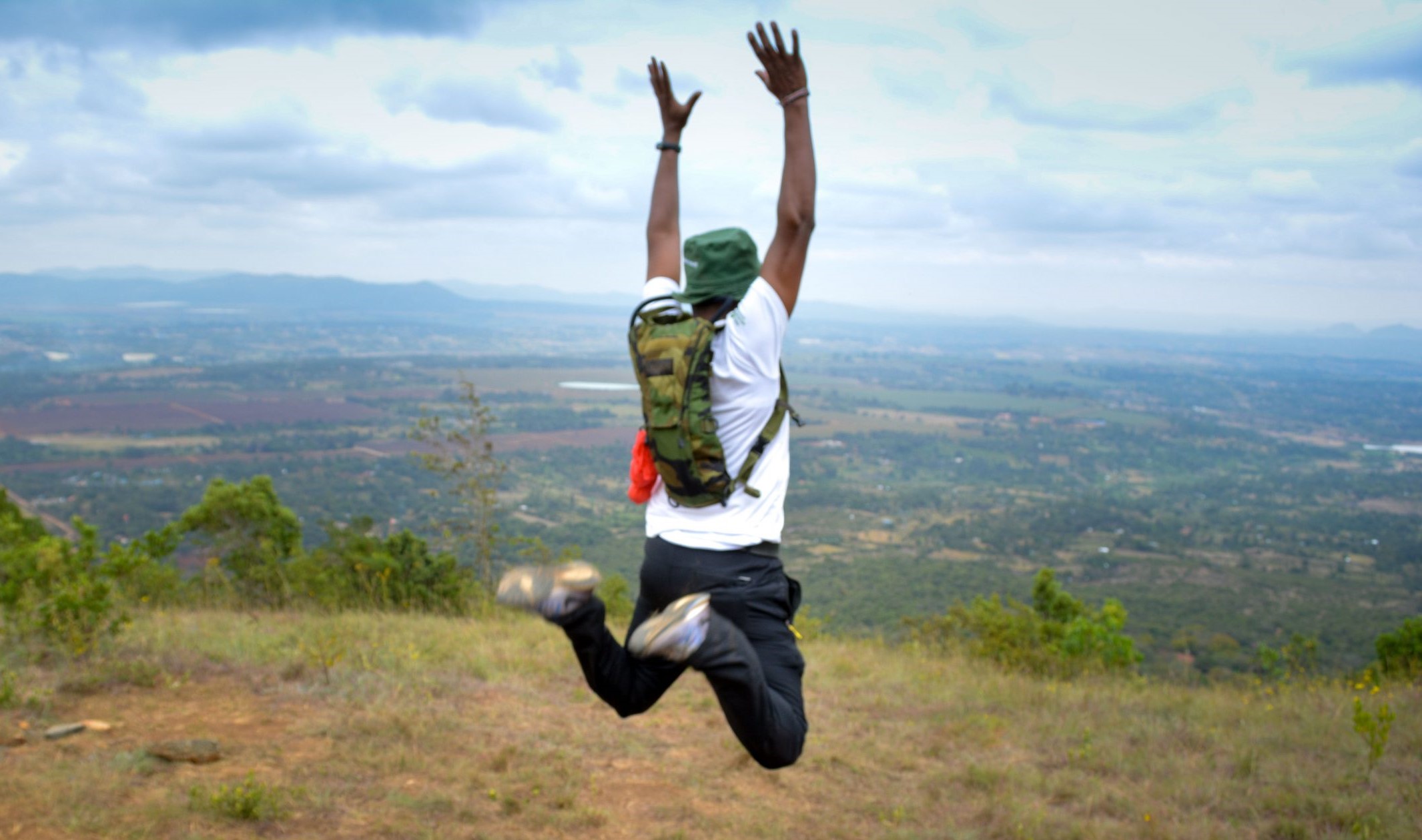
The mountain is also known as “Buffalo Mountain” for its resident buffalo population, and the park is home to colobus monkeys, baboons, bushbuck, duiker, and abundant birdlife. From the top, hikers get panoramic views of the Athi River plains, Fourteen Falls, and Masinga Dam — with Mt Kenya and Mt Kilimanjaro visible on a clear day.
How Hard Is the Kilimambogo Summit Hike?
- Distance: Approx. 9–10km one way to the summit (18–20km round trip)
- Elevation gain: Over 730m; summit at 2,145m above sea level
- Duration: 4–6 hours round trip, depending on fitness and pace
- Terrain: A mix of dirt/gravel motorable road and rocky footpaths. The steeper “Rock Hyrax” route offers a tougher alternative to the main road.
- Difficulty: Moderate — beginner-friendly overall, with steep, rocky sections near the summit. A good pick among moderate hikes Kenya has to offer for building hiking stamina.
Do You Need a Ranger for This Hike?
Yes. Ol Donyo Sabuk is a Kenya Wildlife Service (KWS) national park with a resident buffalo population, so every hike is escorted by a KWS ranger for safety. This makes it one of the more reassuring guided hikes Thika and the wider Nairobi area offer for first-timers.
What’s Included in This Package?
- KWS ranger escort
- Guided group hike (summit and back)
- [Add: transport, if you provide it]
- [Add: bottled water / snacks, if included]
What’s Not Included?
- KWS park entry fees (paid at the gate): KES 300 (citizens), KES 600 (residents), USD 25 (non-residents); vehicle entry KES 300–1,000 depending on size
- Personal hiking gear
- Meals (unless stated otherwise)
What to Carry for the Mt Kilimambogo Hike
- Sturdy, closed hiking boots with good grip (terrain is loose and eroded in sections)
- 2–3 litres of water
- Sun protection: hat, sunscreen, sunglasses
- Light rain jacket / windbreaker
- Snacks or packed lunch
- A walking stick (optional but helpful on the steeper sections)
- Small daypack
Internal link idea: link “sturdy hiking boots” and “daypack” to your relevant product categories — this builds topical authority for both this page and your gear pages.
How to Prepare for the Mt Kilimambogo Hike
- Build up your stamina beforehand: a few weeks of regular walking, stair climbing, or light cardio makes the steep final stretch to the summit much more manageable, especially for first-time hikers.
- Break in your hiking boots before hike day: new boots on a 9–10km rocky trail is a common cause of blisters — wear them on a few short walks first.
- Hydrate well the day before: don’t rely on water intake on the morning of the hike alone.
- Eat a light, energy-sustaining breakfast before setting off — avoid a heavy meal right before climbing.
- Arrive early: starting the hike in the morning avoids the midday heat and gives you the best chance of spotting wildlife.
- Check the weather forecast the night before — the trail gets slippery when wet, so plan footwear and pacing accordingly.
- Pack the night before, not the morning of, so you’re not rushing and forgetting essentials like water or sun protection.
Good to Know Before You Go
- Park hours: 6:00 AM–5:00 PM daily
- M-Pesa is accepted at the KWS gate
- Combine your visit with a stop at the nearby Fourteen Falls on the way back
- Best for hikers with a base level of fitness; not ideal for those with knee/joint issues given the steep rocky descent
Event Gallery
Event Dates
Frequently Asked Questions
No — it's a moderate hike suitable for beginners, but expect a genuine workout, especially on the final steep stretch to the summit.
Possibly — that's why a KWS ranger escorts every hike. Sightings are more likely early in the morning.
Closed hiking shoes with good tread, breathable layers, and sun protection. Trails are dusty and can be slippery when wet.
The hike has been done by both young children and older adults at a relaxed pace; contact us if you have specific concerns.
The trail can get slippery and the schedule may be adjusted. We'll notify you ahead of time if conditions require a change.
About 70km — roughly a 1.5–2 hour drive from Nairobi via Thika.