

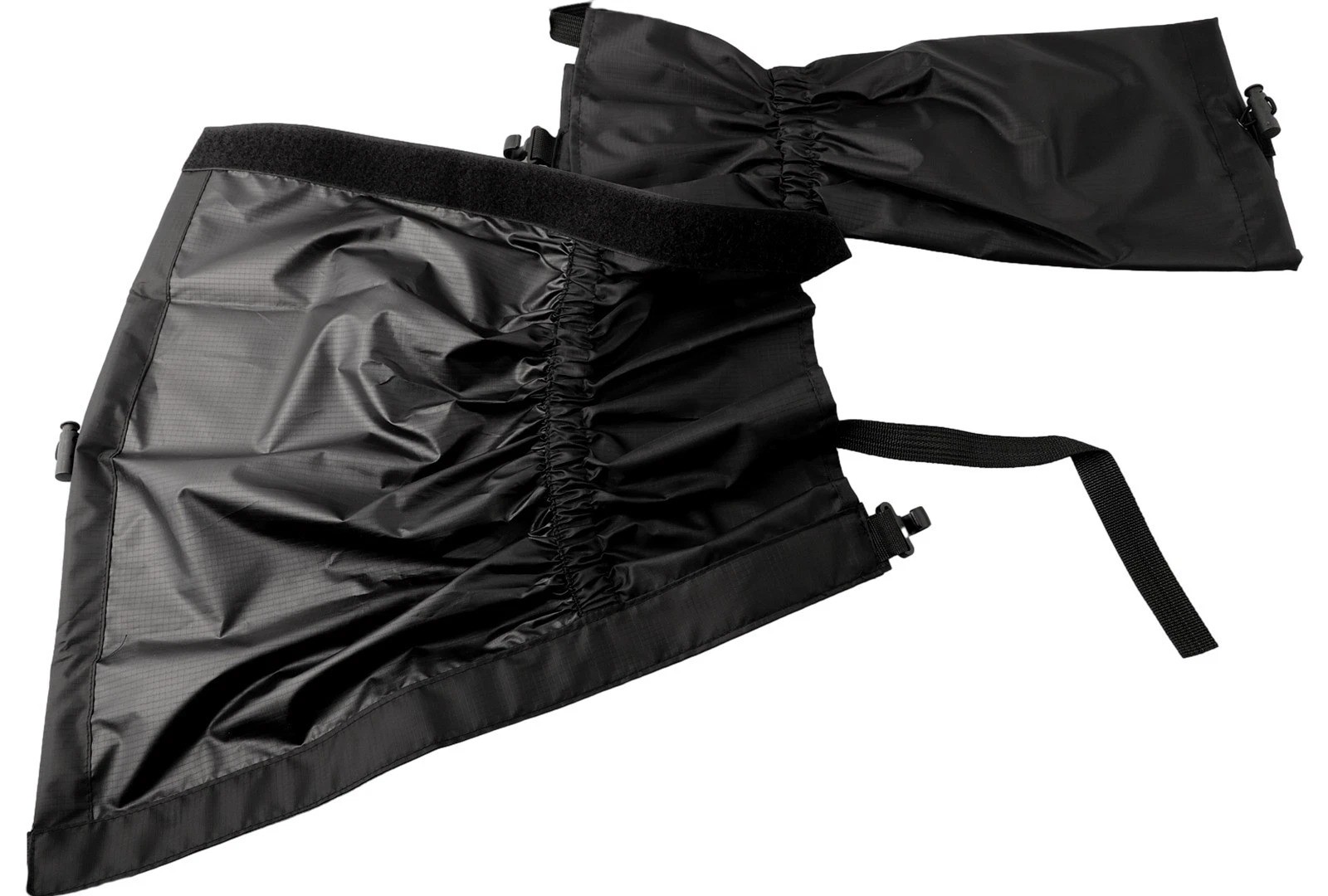

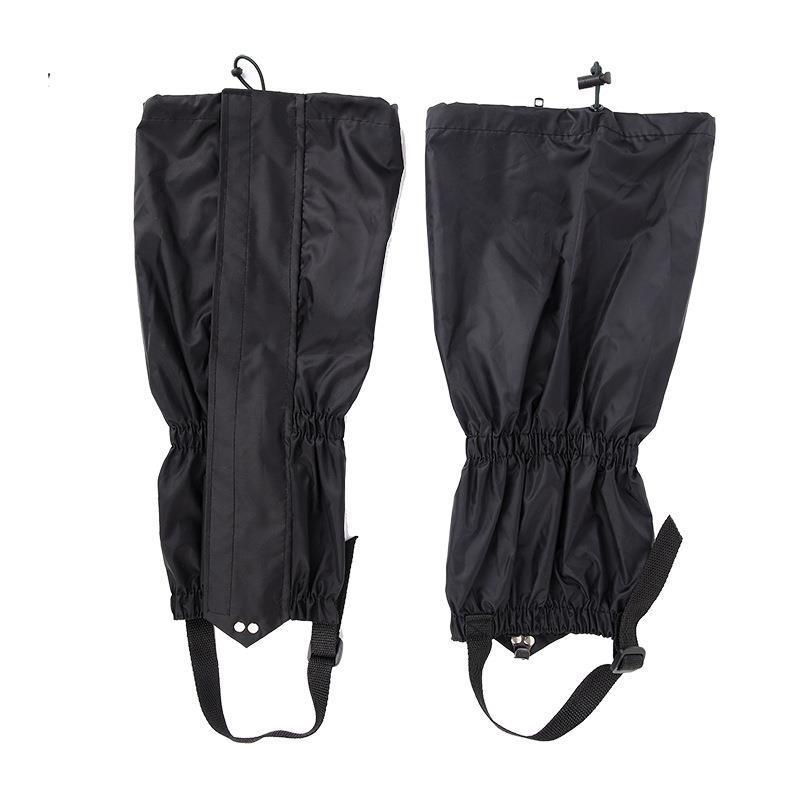
Ultralight Waterproof Leg Gaiters
KSh 1,500.00
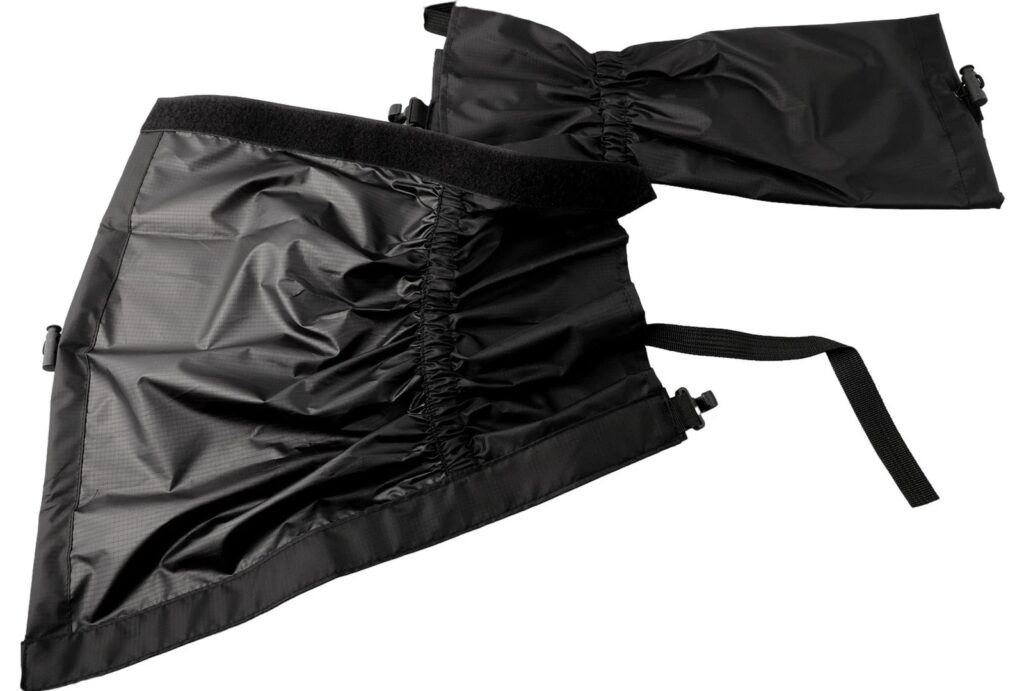
Ultralight leg gaiters that seal the gap between your boots and trousers, keeping out mud, rain, dew, stones and grass seeds. The waterproof outer sheds wet weather on trails like Mt Kenya, the Aberdares and Ngong Hills, and they fold small enough to carry on every hike without noticing the weight.
Free delivery on orders above Kes 10,000
- Satisfaction Guaranteed
- Quality in Every Gear
- Secure Payments
Ultralight leg gaiters are the easiest way to stop mud, water, grass seeds and grit getting into your boots on Kenya’s trails. Anyone who has hiked the Aberdares after rain or pushed through wet tussock grass on Mt Kenya knows how fast damp socks turn a good day into a sore one. A pair of gaiters closes the gap between your boot and your trousers, so the trail stays outside and your feet stay dry and comfortable.
These waterproof, ultralight leg gaiters are made to be light enough to forget you’re wearing them. They wrap around the lower leg and sit over the top of your boot, shedding rain, puddle splash and morning dew before it can soak through your socks. When the weather clears, they fold small enough to stuff into a hip-belt pocket or the side of your daypack, so carrying them “just in case” costs you almost nothing in weight or space.
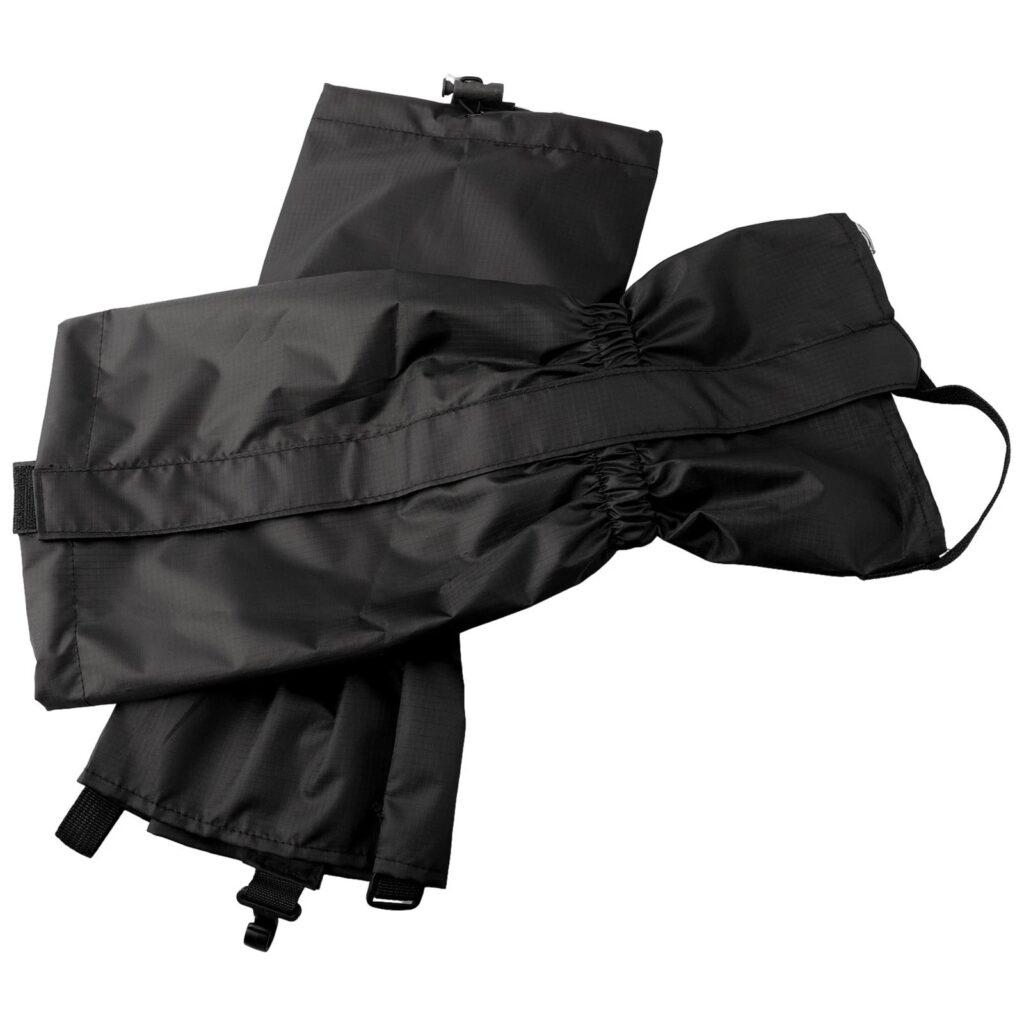
Why Choose Ultralight Leg Gaiters?
Heavy mountaineering gaiters are built for snow and ice, which most Kenyan hikers never meet. On our trails the real enemies are red mud, wet grass, dust, thorny scrub and loose scree. A lighter pair handles all of that while staying cool enough for warm lowland walks, which means you’ll actually wear them instead of leaving them at home.
Ultralight leg gaiters also protect your gear. Mud and grit trapped against boot uppers and laces wear them out faster, and wet trouser hems get heavy and cold. Pair them with our Merino Wool Hiking Socks for a dry, warm base, or compare this pair with our Waterproof Leg Gaiters if you want a sturdier option for longer expeditions.
Key Features
- Ultralight build that adds almost no weight to your kit
- Waterproof outer that sheds rain, dew and puddle splash
- Covers the gap between boot and trouser hem
- Folds small for a daypack or hip-belt pocket
- Works with hiking boots and trail shoes
- Easy to rinse clean after a muddy hike
Benefits
Here is what ultralight leg gaiters change on the trail:
- Drier feet: rain, dew and stream splash stay out of your boots, which means fewer blisters.
- No more grit in your socks: stones, sand and grass seeds can’t slip in over the boot collar.
- Cleaner trousers: mud stays on the gaiters, not on your hiking pants.
- Protection from scratches: a barrier against thorny bush, nettles and rough rock.
- Longer-lasting boots: less mud and abrasion on laces and uppers.
- Light enough to pack every time: carry them on every hike without noticing the weight.
Perfect For
- Day hikers on muddy forest and ridge trails
- Trekkers on multi-day mountain routes
- Trail runners who want lightweight protection
- Campers walking through wet grass early in the morning
- Anyone hiking in Kenya’s long and short rains
Where to Use Ultralight Leg Gaiters in Kenya
In the Aberdares, trails to Elephant Hill and the Kinangop plateau are often waterlogged, and gaiters keep the black mud where it belongs. On Mt Kenya, the Sirimon and Chogoria routes cross vertical bog, wet moorland and loose scree, so ultralight leg gaiters earn their place for every day of the trek. Closer to Nairobi, the Ngong Hills and Kereita Forest get slippery and muddy after rain, while the ash slopes of Mt Longonot fill low shoes with fine dust.
They’re just as useful further afield. Ultralight leg gaiters help on the dusty tracks of Mt Suswa, the grassy ridges of Oldoinyo Lesatima, the forest paths of Mt Elgon and the wet approach to Kilimanjaro’s rainforest zone. Whenever the forecast mentions rain or the trail crosses long grass, slip them on at the trailhead.
Keeping feet dry is one of the simplest ways to prevent blisters and cold injuries on long walks. You can read more about why moisture matters in this overview of gaiters and how they’re used. For the weight they add, ultralight leg gaiters give back far more in comfort, and they’re a smart buy for both beginners and experienced trekkers.
Ready to put your new gear to the test?
Check out our upcoming guided hikes and find your next trail adventure — from beginner-friendly day hikes to longer treks across Kenya’s best routes.
Frequently Asked Questions
Do I need ultralight leg gaiters for Mt Kenya?
They’re strongly recommended. The routes cross bog, wet grass and scree, and dry socks make a big difference over several days at altitude. Most guides include gaiters on their Mt Kenya kit list.
Will they fit over my hiking boots?
These ultralight leg gaiters are designed to sit over the top of hiking boots and most trail shoes. Fit varies with boot size and calf width, so send us your boot size on WhatsApp and we’ll confirm before you buy.
Are they too hot for lowland hikes?
Because they’re light, they don’t trap much heat, so they’re comfortable on most Kenyan trails. On very hot, dry days you can simply roll them up and pack them until you reach wet grass or mud.
How do I clean them?
To clean ultralight leg gaiters, let the mud dry, brush it off, then rinse with clean water and a little mild soap. Hang them to air-dry out of direct sun. Avoid machine washing and harsh detergents, which can wear down the waterproof finish.
Tired of wet, muddy socks?
Our team can help you confirm the fit with your boots, check current stock, and get your order dispatched quickly. Message us for a quick, straight answer before you buy.
Related products
-
Sale!

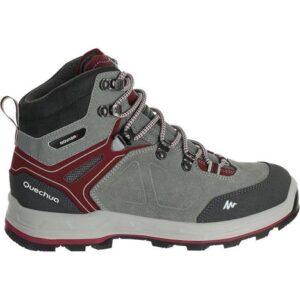
Quechua Forclaz 500 High Men’s Waterproof Hiking Boots
Original price was: KSh 5,999.00.KSh 5,499.00Current price is: KSh 5,499.00. -
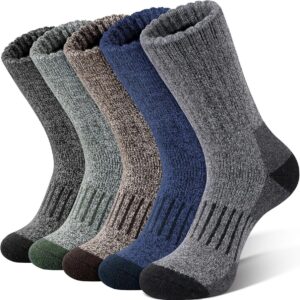
Merino Wool Hiking Socks
KSh 350.00Select options This product has multiple variants. The options may be chosen on the product page -
Sale!
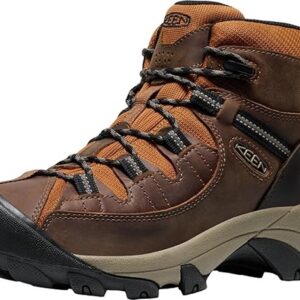
KEEN Men’s Targhee Mid Waterproof Hiking Boots
Original price was: KSh 5,999.00.KSh 5,499.00Current price is: KSh 5,499.00.
Reviews
There are no reviews yet.