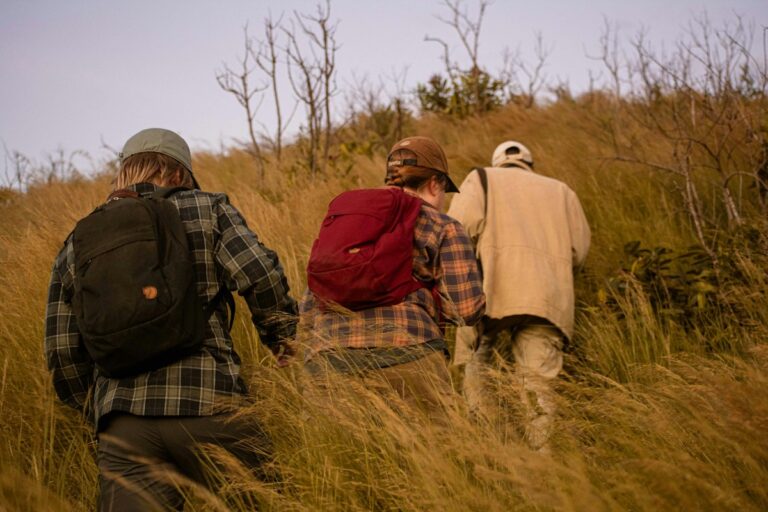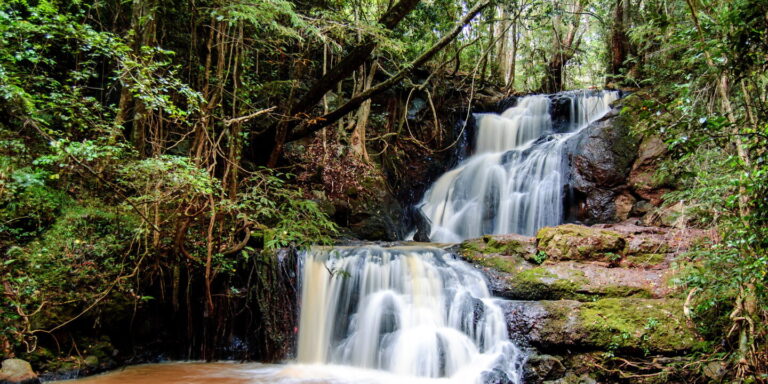

A Mt Suswa hike follows the rim of a rare double crater in the Rift Valley, about two to three hours’ drive from Nairobi, and usually combines a 10 km walk to the 2,356 m summit with a guided visit to the lava-tube caves. Fit walkers manage it in one long day with a 4×4 and a local guide.
Suswa is rougher than Longonot or Hell’s Gate: no tarmac gates, few signs, no water on the trail and tracks that defeat saloon cars. Below are the access options from Nairobi, routes and times, the caves, the best months and the kit for a dusty, shadeless day.
Quick Facts
- Summit: 2,356 m, in the Rift Valley on the Narok-Kajiado county line
- From Nairobi: roughly 85-90 km to the conservancy entrance via Mai Mahiu, then rough 4×4 tracks
- Main Mt Suswa hike: about 10 km return and 4 hours from the inner-crater viewpoint to the summit
- Full rim circuit: about 22 km, 7 hours or more
- Caves: lava tubes on the north-east side, entered only with a local guide and a headlamp
- Water: none safe on the trail; carry at least 3 litres each
What Makes the Mt Suswa Hike Different From Longonot?
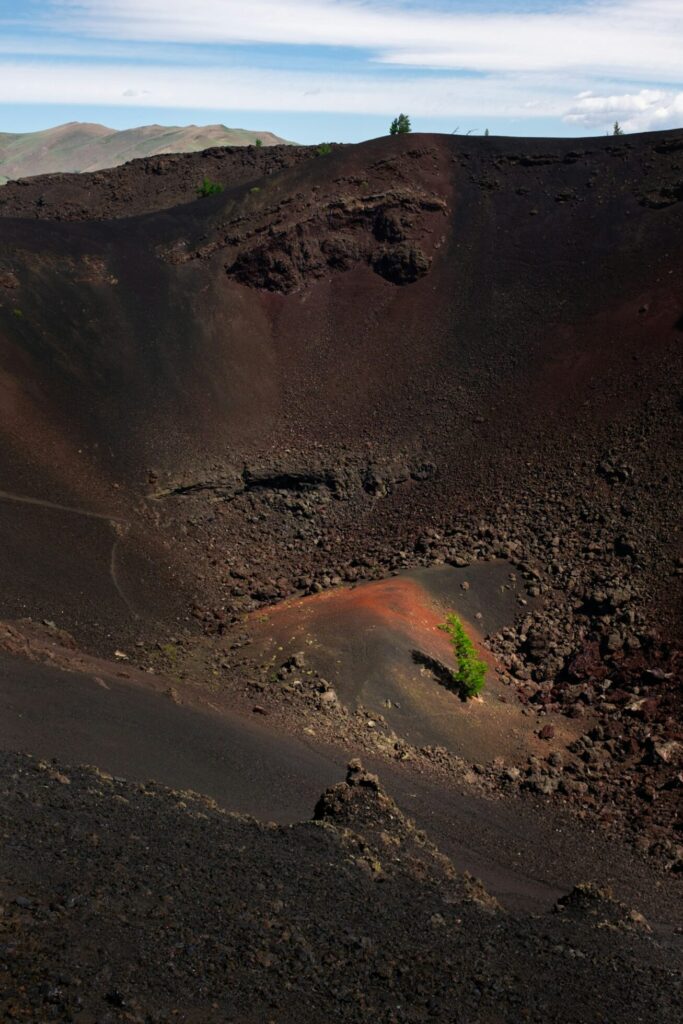
Suswa has two craters, one inside the other, while Longonot has a single bowl. On a Mt Suswa hike you walk the edge of the inner crater and look down into a deep moat circling a tilted island of rock.
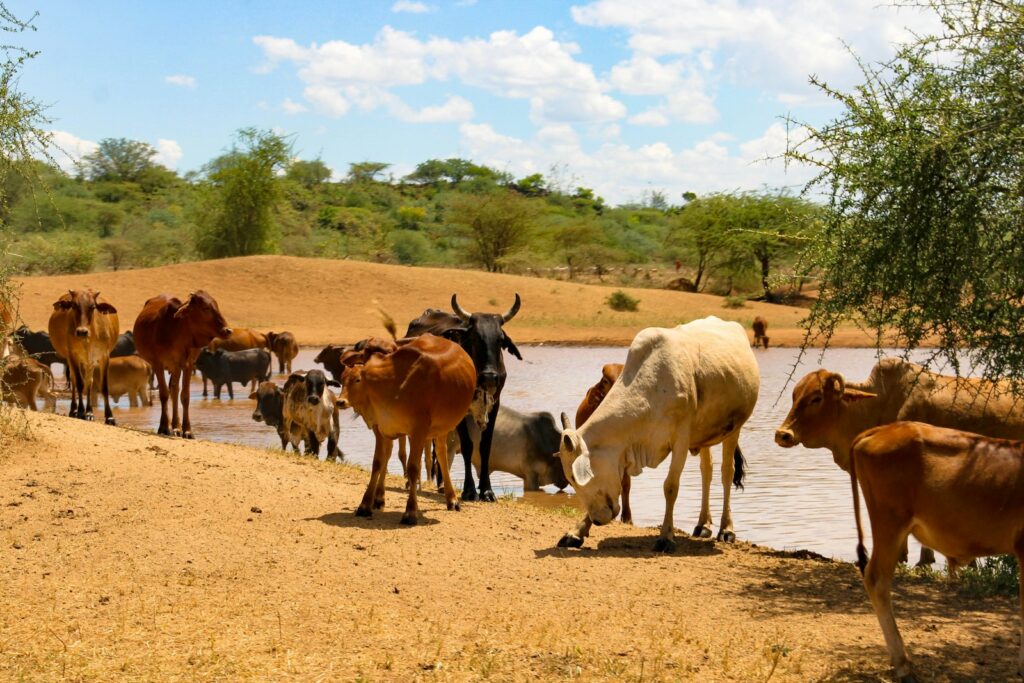
Maasai families graze cattle on the grassy outer crater. The inner crater, roughly 5 km across, holds the drama: sheer walls drop into the moat around a bush-covered island. The Maasai call the mountain Ol Donyo Onyoike, usually translated as the mountain of red and yellow ochre.
Management differs too. Longonot is a Kenya Wildlife Service park with a gate and one obvious path; Suswa is run by the local Mount Suswa Conservancy, paths are informal and you rely on a Maasai guide. If you enjoyed the Longonot crater rim walk, a Mt Suswa hike is the natural next step, with fewer people and more route-finding.
How Far Is Mt Suswa From Nairobi, and How Do You Get There?
Mt Suswa is roughly 85-90 km from Nairobi by road to the conservancy entrance. The drive takes two to three hours, depending on escarpment traffic and the dirt section.
By car (four-wheel drive needed)
Take the Naivasha road down the escarpment to Mai Mahiu, about 58 km out, then turn left onto the Narok road. After roughly 17-18 km a Suswa Conservancy signboard marks a left turn onto murram. From the entrance, a steep, rocky track climbs about 5 km to a junction on the outer crater: left for the caves (about 2 km), or on for around 12 km to the campsite and viewpoint where most walks start. A high-clearance 4×4 is not optional. A second approach runs about 22 km on dirt from Duka Moja; have your guide meet you there.
By matatu
Narok-bound matatus from the Nyamakima area pass through Suswa town. Ask for the Suswa stop, then take a boda boda or meet your guide. The walk from Suswa market to the crater takes about two hours, so a Mt Suswa hike by public transport usually means camping.
By the Suswa leisure train
Kenya Railways has run a Madaraka Express leisure service from Nairobi Terminus to Suswa, stopping at Rongai, Ngong and Mai Mahiu. The August 2025 timetable arrived at 10:55am and left at 4:05pm, which suits a cave visit better than a full Mt Suswa hike to the summit. Check the Kenya Railways Madaraka Express page for the current schedule.
Mt Suswa Hike Routes, Distances and Times
Most groups walk from the inner-crater viewpoint to the summit: about 10 km return in 4 hours. Strong hikers can try the 22 km rim, and some start from the north-east on Rauch’s Trail.
| Route | Distance | Time | Difficulty |
|---|---|---|---|
| Viewpoint to first summit and back | about 6 km | 2-3 hours | Easy to moderate |
| Viewpoint to main summit (2,356 m) and back | about 10 km | about 4 hours | Moderate |
| Full inner-rim circuit | about 22 km | 7+ hours | Hard: long, hot and exposed |
| Guided cave visit | short walks between entrances | 1.5-2 hours | Easy walking, awkward scrambles inside |
How long does the Mt Suswa hike take?
The standard summit walk from the viewpoint takes about four hours return. The first summit comes after roughly an hour, and the higher main summit needs about another hour along the ridge.
With the drive and a cave stop, the day runs from a 5:30am departure to a return after dark. Expect dirt, rock and fine ash that slides underfoot on descents; treat all distances as planning figures, since guides pick slightly different lines.
Is the full rim walk worth it?
The full rim is worth it only for a fit group carrying plenty of water and walking by 7:00am. It is long and shadeless, but on clear days the high point looks south to Lake Magadi. Never try to descend into the moat.
Can you camp on Suswa?
Yes. The conservancy campsite beside the viewpoint turns the walk into a relaxed weekend: sunset over the moat, the summit at dawn. Bring your own food, water and tent.
Are the Suswa Caves Worth the Detour?
The caves are worth the detour for most hikers. They are lava tubes, tunnels left when molten rock drained from under a cooled crust, with more than 30 entrances on the north-east side of the outer crater.
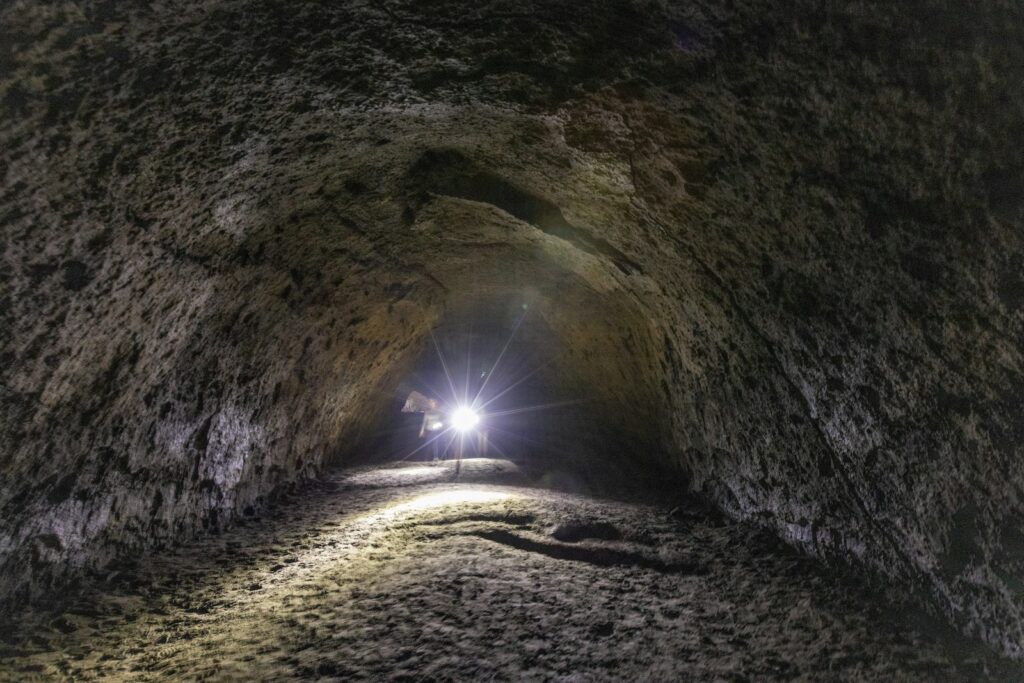
Most groups add the caves to a Mt Suswa hike on the way in or out. The best known chamber, the baboon parliament, shelters baboons at night and featured in the BBC series The Great Rift: Africa’s Wild Heart. Bats roost in several tunnels, so expect a strong smell and dust, and guides show Maasai rock art in one chamber.
Never enter the tunnels on a Mt Suswa hike without a conservancy guide. The tunnels branch, daylight vanishes within metres and the floors are uneven. Everyone needs a headlamp and spare light; our guide to choosing a headlamp explains lumens, beams and battery life.
When Is the Best Time to Hike Mt Suswa?
The drier months, roughly January to February and June to September, are the best time for a Mt Suswa hike, with passable murram roads and firm ash underfoot.
The long rains (roughly March to May) and short rains (roughly October to December) turn the access tracks to slick mud that can stop a 4×4. In November, start early and agree a turnaround time with your guide. In dry months the problem is midday heat and sun, so aim to summit by late morning.
What to Wear and Pack for the Mt Suswa Hike
Dress for sun, dust and no refills: ankle-supporting boots, long sleeves, a hat, three litres of water and a headlamp.
Footwear matters most on a Mt Suswa hike, because ash descents and loose rock punish trainers. A mid-height boot such as the Quechua waterproof hiking boot keeps grit out in the dry season and grips in short-rains mud; pair it with merino wool hiking socks, which handle sweat and fine grit better than cotton.
A bladder saves stopping on an exposed ridge, and the 3L hydration backpack carries a day’s water plus snacks and a windproof. Add the waterproof rechargeable headlamp, charged the night before, plus sunscreen, sunglasses and a buff for cave dust.
Much of our stock is quality thrifted gear from well-known outdoor brands, plus some new pieces, so a proper boot or pack stays affordable. Order online with M-Pesa, or try boots on at our Thika Road shop in the Mountain Mall arcade, open Monday to Friday 8:30am-6:00pm and Saturday 9:00am-2:00pm.
Gear up for your next hike
Shop quality hiking and outdoor gear at great prices — from socks and gloves to hats, balaclavas and camping fuel. Everything you need for Kenya’s trails, delivered fast.
Pro Tips for Suswa
- Leave Nairobi by 5:30am to beat escarpment trucks and reach the rim while it is cool.
- Book your guide a day ahead and agree the meeting point, route and fee.
- Fill bottles in Nairobi or Mai Mahiu; condensed steam water at the vents serves local households.
- Pack a spare light and a power bank for the caves.
- Carry small notes for conservancy and guide fees on your Mt Suswa hike, and confirm current rates on arrival.
Is Mt Suswa Safe to Hike?
A Mt Suswa hike is safe for prepared groups walking with a local guide. The main risks are heat, dehydration, loose rock near sheer drops, unmarked paths and the dark, uneven caves.
Leopards, hyenas and buffalo live on the mountain, mostly in the inner crater’s bush, while zebra, giraffe and gazelle graze the outer plains. Stay on the rim, walk as a group and watch your hands in the rocks, where snakes shelter. Maasai homesteads sit inside the outer crater: greet the family before crossing one and ask before taking photos.
New to remote trails? Warm up for a Mt Suswa hike on our Hells Gate walk in similar volcanic country, and see where Suswa ranks among the best hikes in Kenya sorted by effort.
Ready to hit the trail?
Join one of our upcoming guided hikes — from beginner-friendly day hikes to longer treks across Kenya’s best routes.
Frequently Asked Questions
Can you do the Mt Suswa hike in one day from Nairobi?
Yes, Suswa works as a day trip if you leave Nairobi around 5:30am in a 4×4 and meet your guide early. You can walk the 10 km summit route, visit the caves and be home after dark. Groups on matatus or the train usually camp, as the walk-in from Suswa town takes about two hours.
Do I need a guide for Suswa, or can I just go?
You need a guide for Suswa in practice. The Mount Suswa Conservancy manages access and collects fees, the rim paths are unmarked apart from Rauch’s Trail, and the caves are unsafe without someone who knows the tunnels. Maasai guides also smooth the way past homesteads on a Mt Suswa hike and point out wildlife.
How much does it cost to visit Mt Suswa?
Mt Suswa charges conservancy fees for visitors, vehicles and camping, plus separate guide fees. Rates are set locally and change, so confirm current figures with the conservancy or your guide before you travel, and carry cash in small notes because mobile signal for M-Pesa can be patchy on the mountain.
Is Mount Suswa an active volcano?
Mount Suswa is a shield volcano with no recorded eruption, but it is still warm underground. Steam rises from vents on the outer crater, and local families channel it into drums to collect condensed water. That heat poses no everyday risk to hikers who stay on the paths.
Is Suswa harder than Longonot?
A Mt Suswa hike is harder to organise than Longonot, but the standard summit walk is no tougher physically. Longonot’s 13.5 km rim loop is steeper in places, while Suswa’s 10 km summit route rolls more gently. The full 22 km Suswa rim is the harder day of the two, mainly because of its length, heat and lack of shade.
Final Thoughts
Few places within a morning’s drive of the city let you stand on a crater inside a crater, then spend an hour underground with a torch. Plan the Mt Suswa hike around a 4×4, an early start, a booked Maasai guide and three litres of water a head, ideally on a dry-season weekend.
Sort your boots and headlamp a week ahead, so the only surprise on the day is the view from the rim.
Not sure your boots and water bottles are up to a day on Suswa’s ash?
Our team can help you choose the right gear, answer your hiking questions and get your order dispatched quickly. Message us for a quick, straight answer.