
The Mt Longonot hike is a day hike of about 13.5 km up and around the crater rim of a dormant volcano in Mount Longonot National Park, roughly 60 km north-west of Nairobi. Most hikers take 4 to 6 hours to climb from the gate at about 2,150 m to the 2,776 m summit and back.
The short distance fools plenty of first-timers, because the dusty volcanic slopes, steep climb to the rim and exposed crater loop make for a demanding day. This guide gives you everything you need to plan it well: how to get there, the route in stages, honest timings, the gear that makes a real difference, and the safety points that keep a great day from turning into a long one. Whether you are going solo, with friends or with a guided group, you will know exactly what to expect.

Mt Longonot Hike: Quick Facts
- Location: Mount Longonot National Park, about 60 km north-west of Nairobi, near Naivasha
- Summit height: 2,776 m above sea level; the gate sits at roughly 2,150 m
- Gate to crater rim: about 3.1 km
- Crater rim loop: about 7.2 km
- Full circuit (gate, rim loop and back): about 13.5 km, usually 4 to 6 hours
- Difficulty: moderate to challenging, with steep, loose and dusty sections
- Managed by: Kenya Wildlife Service (KWS); confirm current entry fees with KWS before you go
Why Is the Mt Longonot Hike Worth Doing?
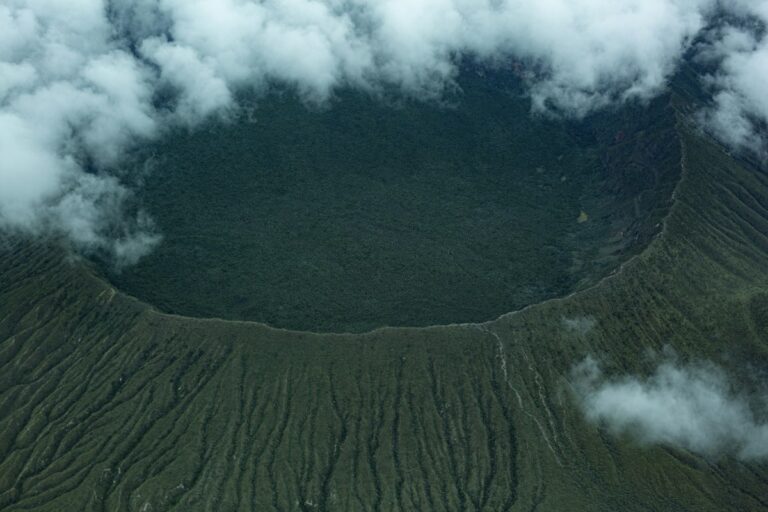
The Mt Longonot hike is worth doing because it combines a volcano, wildlife and Rift Valley views in a single day within easy reach of Nairobi. Mount Longonot is a dormant stratovolcano rising above the floor of the Great Rift Valley. Its last eruption is thought to have happened in the 1860s, which is recent in geological terms, and the mountain still looks raw. The summit cone is crowned by a wide crater roughly 1.8 km across, its floor covered in thick forest that you look down on for most of the loop.
The hike starts in open grassland where you may spot zebra, giraffe, Thomson’s gazelle, hartebeest or buffalo, then climb onto ash ridges with sweeping views of Lake Naivasha and the Rift Valley floor.
Many Kenyan hikers also use Longonot as a training benchmark before bigger objectives such as Mt Kenya or the Aberdares, because the climbing is steep and sustained without needing an overnight stay.
How Do You Get to Mount Longonot National Park?
Mount Longonot National Park is reached by road from Nairobi via Mai Mahiu, with a short dirt track from Longonot Centre to the gate. The park lies about 60 km from Nairobi, so most people heading out for a Mt Longonot hike drive out early in the morning. Leaving the city before 6:00 am gets you ahead of the traffic on the escarpment and lets you start walking while it is still cool.
How do you drive to Mt Longonot?
Driving to Mt Longonot takes you down the escarpment road towards Mai Mahiu and Naivasha. Take the road down the escarpment towards Mai Mahiu and on towards Naivasha. At Longonot Centre, turn off near the railway bridge and follow the signposted dirt track that runs alongside the railway line. The park gate is roughly 4 km from the turn-off. The track is usually fine for ordinary cars in dry weather but can turn muddy and rutted after heavy rain.
Can you reach Mt Longonot by matatu?
Mt Longonot is reachable by matatu and boda boda. Matatus to Naivasha leave from the River Road area in Nairobi. From Naivasha, catch a vehicle heading towards Mai Mahiu and get off at Longonot. Boda bodas wait in the centre and can take you the last few kilometres to the gate. Agree on the fare before you set off.
How much are Mt Longonot entry fees?
Mt Longonot entry fees are set by Kenya Wildlife Service and differ for citizens, residents and non-residents. Fees change from time to time and differ for citizens, residents and non-residents, so check the latest rates directly with Kenya Wildlife Service before you travel. Have M-Pesa ready and confirm which payment methods the gate currently accepts, as KWS has been moving parks towards cashless payment.
What Is the Mt Longonot Hike Route?
The Mt Longonot hike route climbs from the gate to the crater rim, loops around the rim over the summit, and returns the same way. Navigation is easy in good visibility; the challenge is the terrain of fine volcanic dust, loose gravel and eroded steps.
| Stage | Distance | Typical time | Terrain |
|---|---|---|---|
| Gate to crater rim | About 3.1 km | 1 to 1.5 hours | Grassland, then steep, loose ash gullies |
| Crater rim loop (via 2,776 m summit) | About 7.2 km | 2 to 3 hours | Narrow, exposed ridge with short steep climbs and drops |
| Rim back to gate | About 3.1 km | About 1 hour | Same path as the ascent; slippery dust on the steep sections |
| Full circuit | About 13.5 km | 4 to 6 hours with breaks | Moderate to challenging overall |
Stage 1: Gate to the crater rim (about 3.1 km)
From the gate, the path starts gently through grassland and scattered trees, then steepens steadily. The final section up to the rim is the hardest part of the ascent, with deep gullies and loose ground that slides underfoot. Most hikers reach the rim in 1 to 1.5 hours. Take short, steady steps and enjoy the views back over the valley.
Stage 2: The crater rim loop (about 7.2 km)
Once you reach the rim, you can decide whether to turn back or commit to the full loop. Going clockwise, the path climbs to the true summit at 2,776 m, the highest point of the Mt Longonot hike. This section has some narrow, exposed stretches with steep drops on either side, so watch your footing, especially in wind. After the summit, the trail rolls up and down around the crater before returning to where you joined the rim. Allow 2 to 3 hours for the loop.
Stage 3: Descent to the gate
The way down follows the same path you came up. It is shorter in time, often about an hour, but it is where many slips happen. Loose dust acts like ball bearings on steep ground, and tired legs make mistakes. Slow down, keep your weight over your feet and use trekking poles if you have them.
Should you do the rim only or the full loop?
Hiking to the rim and back suits beginners, while fit hikers who start early should aim for the full loop. If you are new to hiking, short on time or the weather is turning, going up to the rim and back is still a satisfying outing of about 6 km. If you are completely new to hiking, our guide to the best day hikes near Nairobi for beginners has gentler trails to build up on first. Fit hikers who start early should aim for the full circuit, as the summit and the far side of the crater are the highlights.
When Is the Best Time for a Mt Longonot Hike?
The best time for a Mt Longonot hike is during the drier months, roughly January to February and June to September, starting between 7:00 and 9:00 am. Kenya’s long rains usually fall from about March to May, and the short rains from about October to December. During these months the ash trail can become slick and muddy, gullies channel running water, and afternoon storms roll in quickly. The drier months, roughly January to February and June to September, generally give firmer footing and clearer views.
The dry season brings its own challenge: dust. In a dry spell the trail turns to powder, and the sun on the exposed rim can be fierce, as there is little shade once you leave the lower slopes. Whatever the month, start between 7:00 and 9:00 am so you finish the steep sections before the midday heat and before any afternoon rain.
Weekends and public holidays are busy, especially on the climb to the rim. If you prefer a quieter trail, a weekday visit is worth considering.
What Should You Pack for the Mt Longonot Hike?
Pack grippy boots, 2 to 3 litres of water, sun protection, a light jacket and snacks for the Mt Longonot hike. Good gear does not need to be expensive. All of our kit is quality thrifted gear, priced so that reliable, proper hiking equipment is within reach of every Kenyan hiker. Here is what we recommend for the Mt Longonot hike. For help choosing footwear, see our guide to hiking boots for Kenyan trails.
What shoes are best for Mt Longonot?
Boots or trail shoes with deep tread and solid ankle support are the single most important item for a Mt Longonot hike. A pair like the Quechua Waterproof Hiking Boot grips the loose ash well and keeps dust and grit out better than running shoes. Pair them with cushioned Merino Wool Hiking Socks, which manage sweat and help prevent blisters on the steep descent.
How much water do you need for Mt Longonot?
There is no drinking water along the Mt Longonot hike route, so carry at least 2 to 3 litres per person, more on hot days or if you plan the full loop. A hydration pack such as the 3L Camel Hydration Backpack lets you sip on the move without stopping. If you prefer bottles, a roomy 28L Day Hiking Backpack fits water, snacks, a warm layer and a rain jacket with room to spare.
Sun and weather protection
The rim is high and exposed, so pack a wide-brimmed hat, sunscreen and good sunglasses with UV400 lenses, which also help keep blowing dust out of your eyes. A light windproof or rain jacket is wise in every season, because the weather on top can change quickly.
Small extras that help
- Buff or bandana: pull it over your nose and mouth on dusty sections.
- Trekking poles: they take strain off your knees on the descent.
- Energy snacks: nuts, fruit, groundnuts or energy bars for the rim.
- Small first-aid kit: plasters, blister patches and any personal medication.
- Rubbish bag: carry out everything you carry in.
Gear up for your next hike
Shop quality hiking and outdoor gear at great prices — from socks and gloves to hats, balaclavas and camping fuel. Everything you need for Kenya’s trails, delivered fast.
Is the Mt Longonot Hike Safe?
The Mt Longonot hike is generally safe for prepared hikers who carry enough water, wear grippy footwear and turn back when the weather changes. Longonot is a well-managed park and generally a safe place to hike, but every Mt Longonot hike deserves respect. Most problems on the mountain come from dehydration, slips on loose ground and people pushing on when they should turn back.
Are there dangerous animals on Mt Longonot?
Mt Longonot has no lions or elephants, but buffalo do live in the park and should never be approached. If you see one, give it plenty of space and let it move off. Baboons may also appear near rest spots; keep food packed away and never feed them.
Pacing and turnaround time
Set a turnaround time before you start. If you have not reached the rim by late morning, or clouds and thunder are building, it is sensible to skip the full loop. The exposed summit ridge is no place to be in a lightning storm or strong wind.
Know your limits
Take regular short breaks, drink little and often, and eat before you feel hungry. Children who are active and used to walking can often manage the climb to the rim with close supervision, but the full loop is a big day for young legs.
Pro Tips for the Mt Longonot Hike
- Leave Nairobi before 6:00 am and start walking by 8:00 am at the latest.
- Use the toilets at the gate before you set off; there are none on the trail.
- Carry at least 2 to 3 litres of water each, as there is none to refill along the route.
- Wear boots with deep tread, and slow right down on the dusty descent.
- Keep a buff handy for dust and a light jacket for wind on the rim.
- Agree on a turnaround time and stick to it if the weather changes.
- Stay on the marked path and pack out all your litter.
Can You Hike Mt Longonot With a Group?
Yes, joining a guided group is an easy way to hike Mt Longonot. Doing your Mt Longonot hike with an organised group takes care of transport, timing and pacing, and it is a great way to meet other hikers. Our next guided Mt Longonot Day Hike is scheduled for 24 October 2026, and you can see all our upcoming trips, including Elephant Hill and Ol Donyo Sabuk, on our hike schedule.
Ready to hit the trail?
Join one of our upcoming guided hikes — from beginner-friendly day hikes to longer treks across Kenya’s best routes.
Frequently Asked Questions
How long does the Mt Longonot hike take?
Most hikers need 4 to 6 hours for a full Mt Longonot hike circuit of about 13.5 km, including breaks. Going from the gate to the rim and back, without the loop, usually takes 2 to 3 hours. Fast, fit hikers can finish sooner, while groups with children or frequent photo stops should allow the longer end of the range and start early.
Is the Mt Longonot hike suitable for beginners?
Yes, with the right preparation. Beginners with reasonable fitness can reach the rim, and many complete the full loop by starting early and pacing themselves. The terrain is steep and loose, so good shoes and plenty of water matter more than speed. Beginners should plan a full day, eat and drink regularly, and treat the rim as a sensible turnaround point if they are tired.
Can I do the Mt Longonot hike in the rainy season?
You can do the Mt Longonot hike in the rainy season, but expect slippery ash, muddy gullies and a higher chance of afternoon storms during the long rains (around March to May) and the short rains (around October to December). Start early, wear boots with good grip and be ready to turn back at the rim.
Is there water or food in the park?
Mount Longonot National Park has no drinking water on the trail and no food for sale along the route, so carry everything you need for the day. Plan on at least 2 to 3 litres of water per person and filling snacks. Basic facilities are only available near the gate, so use them before you set off.
Do I need a guide to hike Mount Longonot?
A guide is not required to hike Mount Longonot, as the trail is clear and well used. Many first-timers still prefer to hike with a guide or an organised group for company, local knowledge, pacing and help with transport from Nairobi, especially if they have never hiked on loose volcanic terrain before.
Final Thoughts
The Mt Longonot hike is a 13.5 km, 4 to 6 hour crater rim circuit about 60 km from Nairobi, best started early in the drier months. Good boots, 2 to 3 litres of water and a slow, careful descent are the keys to a safe day.
The Mt Longonot hike rewards anyone who prepares for it: steep ash slopes, a dramatic crater and some of the best views in the Rift Valley, all within easy reach of Nairobi. Prepare well and you will come home tired, dusty and very happy. Pick your date, check your gear, and get out on the rim.
Planning your first Longonot climb and not sure what to wear?
Our team can help you choose the right gear, answer your hiking questions and get your order dispatched quickly. Message us for a quick, straight answer.