
The Coleman C300 is a 240 g screw-on gas cartridge filled with a butane-propane blend, made for the compact stoves most Kenyan hikers carry. It fits any stove with the standard EN417 thread, reseals when you unscrew it, and suits weekend camps and Mt Kenya treks where weight and cold mornings both matter.
Most stove trouble at camp has nothing to do with the burner. A nearly empty can, one left to freeze outside the tent at Shipton’s Camp, or a cartridge that does not match the valve will spoil dinner faster than any wind. Below: what is inside, which stoves fit, how far 240 g goes, cold-weather habits, and buying and carrying one safely from Nairobi.
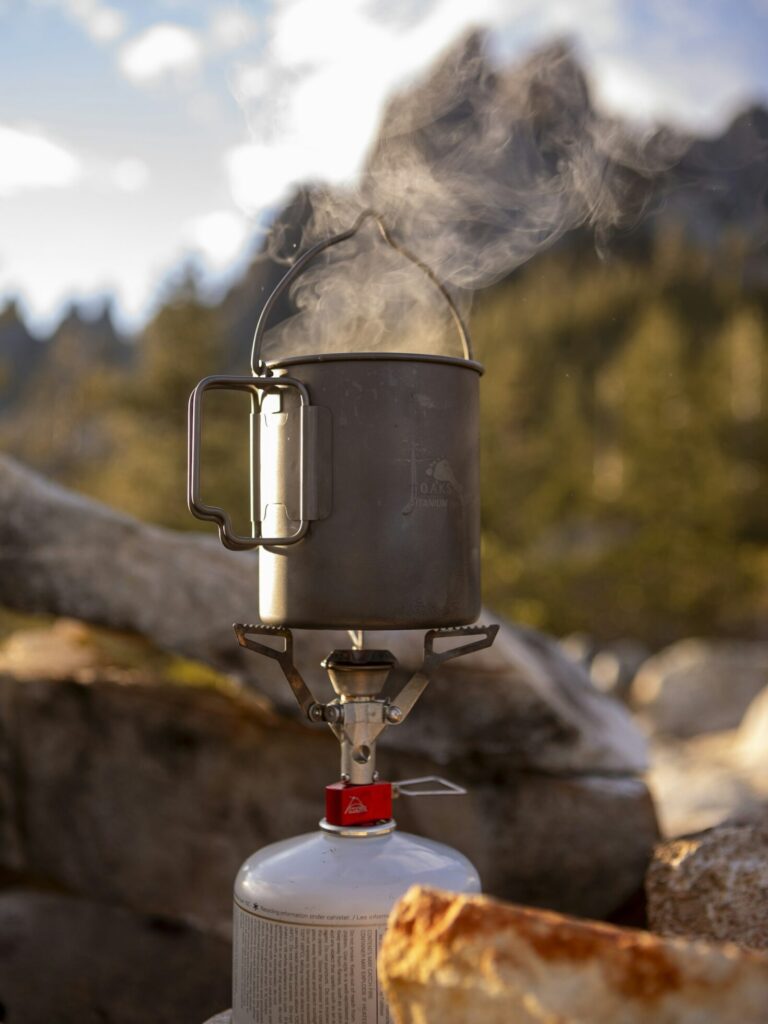
Quick Facts
- Gas inside: 240 g of a butane-propane blend, about 361 g for the full can.
- Size: roughly 10.5 cm across and 9 cm tall, small enough to nest in many 1-litre pots.
- Valve: EN417 screw thread with a resealable valve, so a part-used can comes off and goes on again.
- Fits: most screw-on hiking stoves and gas lanterns, whatever the brand.
- Does not fit: pierce-type stoves, clip-on systems or tabletop cassette cookers.
- Air travel: gas cartridges are banned in both checked and hand luggage, so buy fuel at your destination.
What Is the Coleman C300 and What’s Inside It?
The Coleman C300 Performance is a small steel cartridge holding 240 g of liquefied butane and propane. Open the stove valve and the liquid boils into gas, which feeds the flame.
Coleman lists the contents as a butane/propane blend without publishing the ratio. The reason for the mix is what matters. Butane burns cleanly but stops turning into gas near 0°C, while propane keeps vaporising down to about -42°C. That propane share is why a Coleman C300 keeps a usable flame on a frosty morning where a pure-butane can would sputter.
How big and heavy is the can?
A full Coleman C300 weighs about 361 g, so the empty shell is roughly 121 g. At about 10.5 cm wide and 9 cm high, it sits low under an upright burner, keeping a pot steadier than a tall can would.
The empty weight is handy at home. Put a part-used Coleman C300 on a kitchen scale, subtract 121 g, and you know how much gas is left before a night at the Hell’s Gate campsites.
Performance or Xtreme: which C300 is which?
Coleman sells two cans in this size. The C300 Performance holds 240 g and is the everyday version. The Coleman C300 Xtreme holds 230 g of a blend marketed for steadier burning in low temperatures. Both share the thread; the Performance can suits most Kenyan trips.
Which Stoves Fit a Coleman C300 Cartridge?
A Coleman C300 fits any stove or lantern built for EN417 screw-on cartridges. The thread is a shared standard, so the name printed on the burner does not matter. If the stove screws onto the top of the can, it will fit.
Turn your stove over. A brass collar with a fine thread means screw-on; a spike inside a clamp means a pierceable system, which needs a different cartridge.
| Stove or appliance | Works with the C300? | Notes |
|---|---|---|
| Compact upright hiking stove (screw-on) | Yes | The usual pairing for treks. |
| Integrated boil-system stove (screw-on) | Yes | Check the manual; most share the thread. |
| Remote-hose stove with a canister leg | Yes | Steadier under big group pots. |
| Screw-on gas lantern | Yes | Coleman lists its lanterns as compatible. |
| Pierceable-cartridge stove | No | Needs a valveless pierce-type can. |
| Tabletop cassette cooker | No | Takes long aerosol-style butane cassettes. |
Our post on choosing camping gas in Nairobi compares the C300 with the larger Cadac 500g for group and car-camping trips.
How Long Does a Coleman C300 Last on a Hike?
A Coleman C300 usually covers a two-person overnight or a solo weekend with room to spare, and two cans cover a four- or five-day Mt Kenya trek for two. Your stove, the wind and how much you boil decide the rest.
Coleman publishes no burn time, because that depends on the burner. Plan in grams per litre instead: boil a litre at home and weigh the can before and after. Then work forward, as in this example.
- Say your stove uses 12 g of gas to boil 1 litre in calm, mild conditions (use your own measured figure).
- Two people boil about 3 litres a day for breakfast, drinks and dinner: 36 g a day.
- Add 30% for cold mornings and wind at altitude: about 47 g a day.
- 240 g divided by 47 g is roughly five days. Plan on four, and carry a second Coleman C300 if you will simmer rice or pasta.
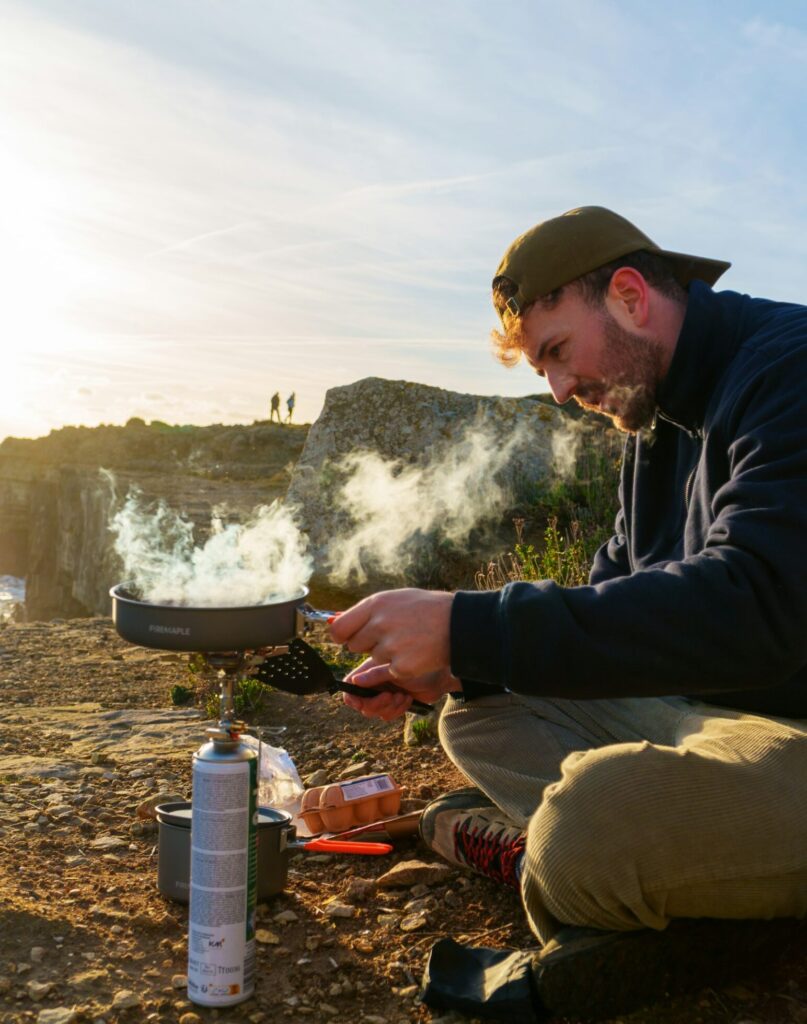
Does the Coleman C300 Work in the Cold on Mt Kenya?
The Coleman C300 does work at Mt Kenya’s high camps, but it burns weaker when the can is near or below freezing. Propane keeps a flame going while the butane slows, so output falls as the can gets colder and emptier.
Why does the flame drop as the can empties?
Propane boils off first, so a half-used can holds more butane than when new. On a frosty morning at Shipton’s Camp (about 4,200 m), the last third of a Coleman C300 can feel nearly dead. The gas is there; it is just too cold to vaporise quickly. Thin air does not hurt output. Cold is the problem, not height.
Keeping the can warm enough to cook
A few habits help above the forest line:
- Sleep with the cartridge in your sleeping bag and screw it on only when ready to cook.
- Stand the stove on a foam pad offcut, not frozen rock.
- Shield the pot from wind, but never wrap a windshield tightly round the can, which can overheat it.
- Save a fresh can for summit-day breakfast and finish part-empty ones at lower camps.
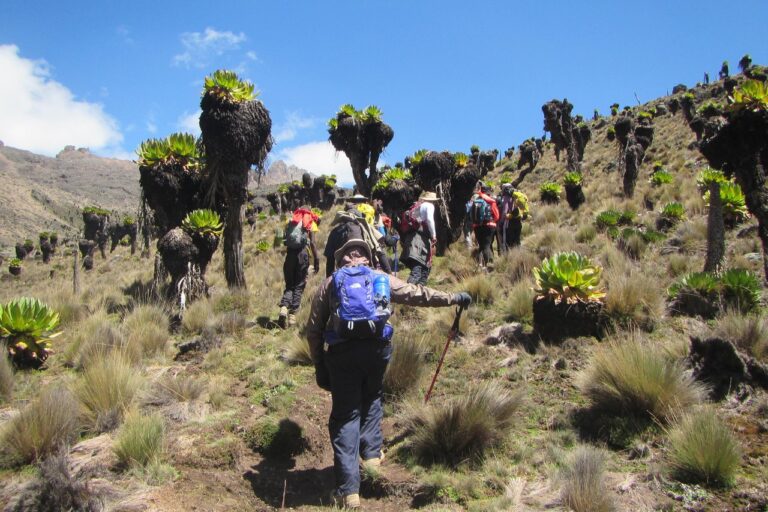
On the Sirimon and Chogoria routes, upper-camp nights regularly drop below freezing, especially in the clear dry seasons. Our list of Mt Kenya gear to buy in Nairobi covers the rest of the kit for those camps.
Gear up for your next hike
Shop quality hiking and outdoor gear at great prices — from socks and gloves to hats, balaclavas and camping fuel. Everything you need for Kenya’s trails, delivered fast.
How Do You Use and Store a Gas Cartridge Safely?
Use a gas cartridge outdoors on flat ground, with the valve closed whenever you attach or remove it. Never cook inside a tent: stoves give off carbon monoxide, and an open door will not clear it.
UK fire services such as Cheshire Fire and Rescue’s camping safety advice warn that fuel-burning stoves should never be used in any enclosed shelter, and that open flaps do not stop carbon monoxide building up. In heavy rain, cook under a tarp in the open, never inside the sleeping area.
Attaching and swapping the can
Close the stove valve, then screw the stove onto the Coleman C300 by hand until snug, without forcing it. Light it away from tents and dry grass. To swap, let the burner cool, close the valve and unscrew. A short hiss is normal; a steady hiss or gas smell means a damaged seal, so move the can away from any flame.
At home, store spare cans somewhere cool and out of children’s reach, and never leave them for days in a car parked in the Nairobi sun.
Can you fly or take a matatu with a gas cartridge?
You cannot fly with one. Airlines treat camping gas as dangerous goods, banned from checked and hand luggage, so Kilimanjaro climbers who fly should buy fuel on arrival. Bus and shuttle rules vary, so ask before boarding, keep the can upright and never carry a leaking one.
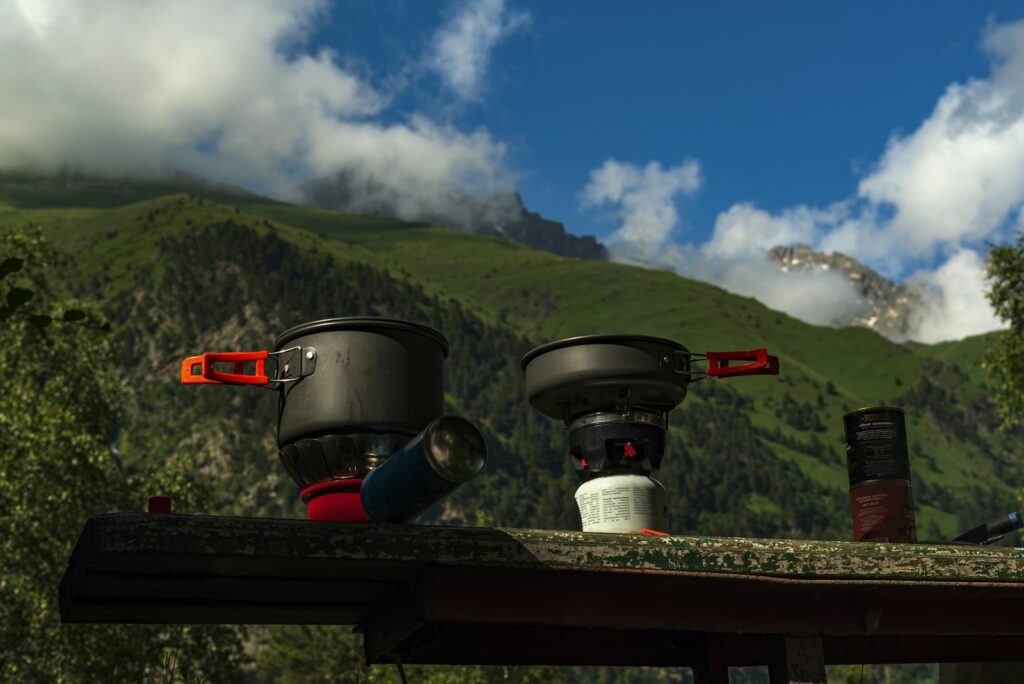
Pro Tips for Cooking on Gas
- Mark each part-used can with the date and remaining weight after every trip.
- Put a lid on the pot; it shortens boils and saves gas.
- Pack a lighter, because push igniters fail in damp, cold air.
- Carry the can upright, wrapped in a sock, so the valve cannot be knocked.
- Never puncture a can that still holds gas.
Where Can You Buy a Coleman C300 in Nairobi?
You can buy this cartridge at our shop in Mountain Mall on Thika Road, or order online and pay by M-Pesa or cash on delivery. Bring your stove to check the fit.
Find us at Shop D39 in Mountain Mall, along Thika Road, 3rd floor, near Kasarani, Garden Estate and Thome. We are open Monday to Friday 8:30am to 6:00pm, Saturday 9:00am to 2:00pm, and on Sunday by appointment. Gas sells fast before long weekends, so WhatsApp us to confirm stock first.
Fuel is one part of a cold night out. Our shelves hold quality thrifted gear plus some new items, which keeps good kit affordable. For a high camp, pair your gas with a mummy down sleeping bag, a rechargeable headlamp and Thinsulate gloves. A 28L day backpack carries a stove, pot and two cans on a lunch-stop hike. For a full overnight list, see our camping gear guide for Nairobi, and if your plans include Tanzania, the Kilimanjaro gear checklist.
Ready to hit the trail?
Join one of our upcoming guided hikes — from beginner-friendly day hikes to longer treks across Kenya’s best routes.

Frequently Asked Questions
Will a Coleman C300 fit my Jetboil or MSR stove?
The Coleman C300 fits most Jetboil and MSR canister stoves, because those use the same EN417 screw thread. Any stove that screws onto the top of a gas can should accept it. Brands may recommend their own fuel, so check the manual, but the thread is standard. Pierce-type and cassette stoves are the exceptions and need a different cartridge.
How many boils do you get from one C300 can?
A C300 can gives roughly 15 to 20 one-litre boils if your stove uses 12 to 16 g per litre in calm, mild weather, and fewer on cold, windy mornings at altitude. For an exact figure, weigh the can before and after boiling a litre at home, then divide 240 g by the difference.
Can I refill a Coleman C300 cartridge?
The C300 is a single-use cartridge and should not be refilled. Refill adaptors exist, but overfilling or using the wrong gas can damage the valve and cause a leak or fire. Finish part-used cans on short hikes and buy a fresh one before any trip where a working stove really matters.
Is it safe to leave the cartridge attached to the stove?
Leaving a Coleman C300 screwed to the stove between pots is fine, but unscrew it before packing up or sleeping. The resealable valve is reliable, yet a knock in your bag can open the stove valve slightly and leak gas. Detached, the can is also easier to keep warm in your sleeping bag.
Why is my gas can frosting up while I cook?
A gas can frosts up because the liquid absorbs heat as it boils into gas, chilling the steel below freezing. It is normal on long boils and cold mornings, and it weakens the flame. Pause, warm the can in your hands or a jacket for a minute, then carry on. Never heat it with a flame.
Final Thoughts
Small, light and resealable, this 240 g can suits most hikers who cook on the trail, provided it matches the stove’s thread and stays warm at high camp. Treat the Coleman C300 as two to five days of fuel, depending on how much you boil.
Tonight, weigh the cans already in your cupboard, then come by Mountain Mall or message us to top up before your next camp.
Not sure your stove takes a C300, or how many cans to pack?
Our team can help you choose the right gear, answer your hiking questions and get your order dispatched quickly. Message us for a quick, straight answer.