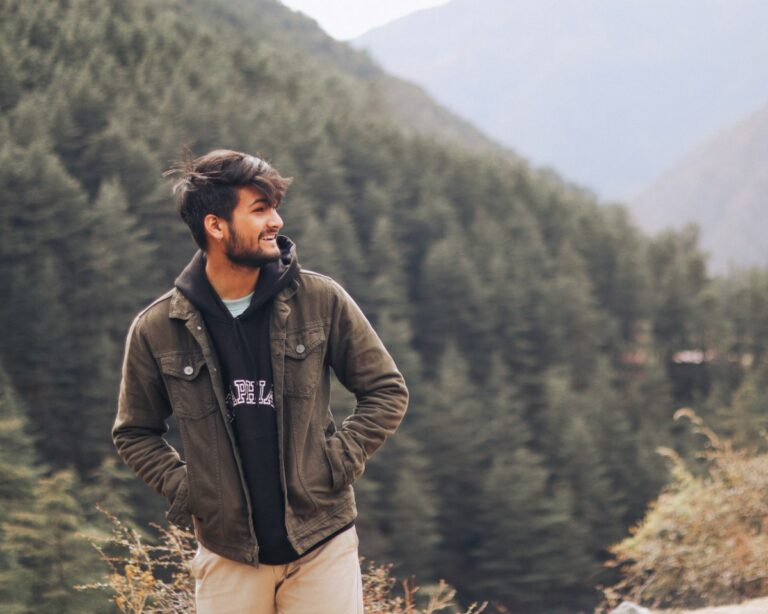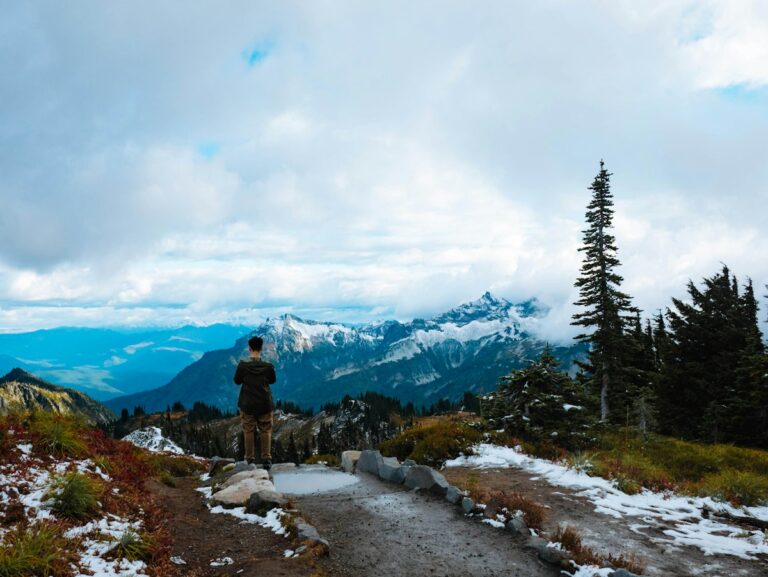

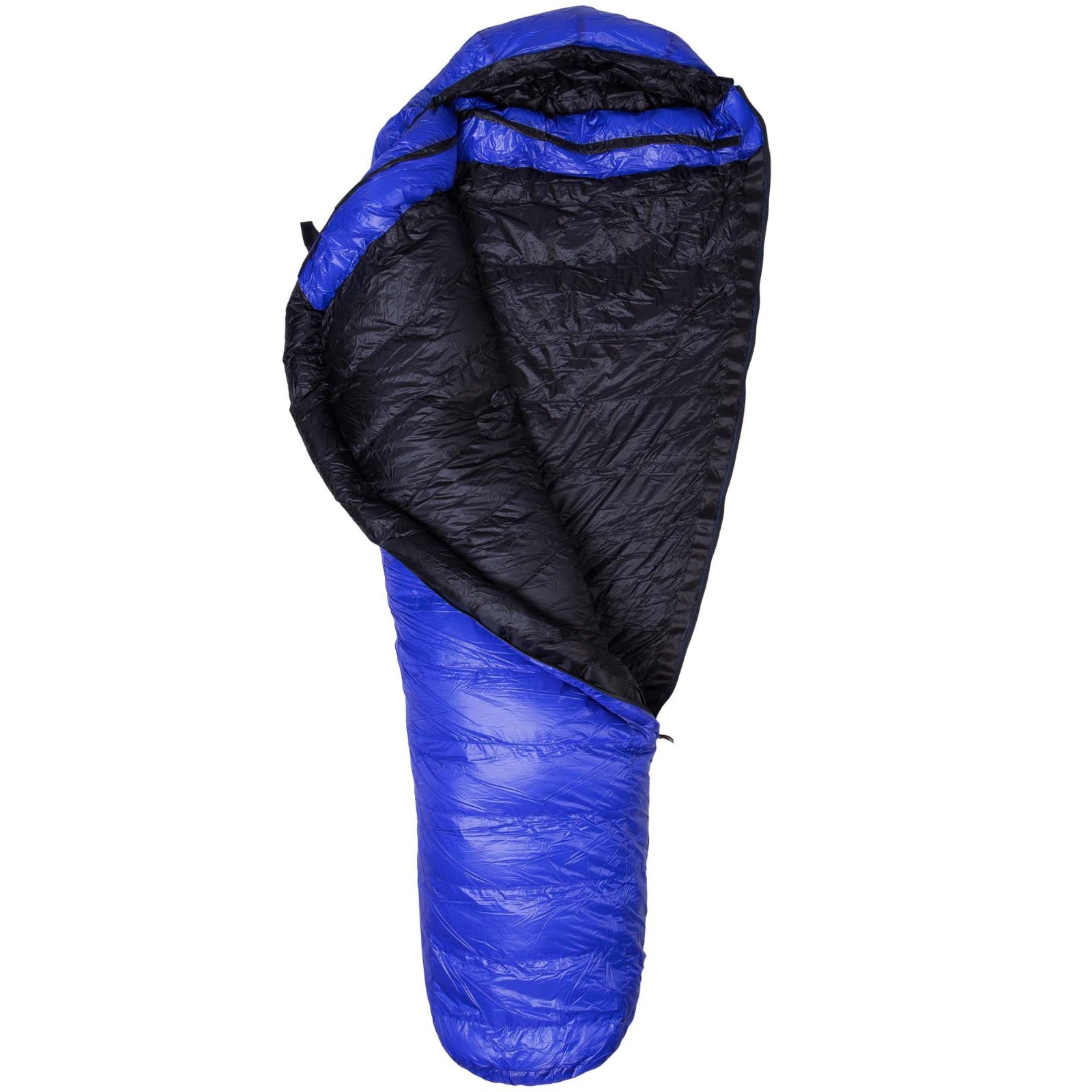
A down sleeping bag is the warmest bag you can carry for its weight, which is why it suits cold Kenyan camps above about 3,000 m: the Aberdares moorland, Mt Kenya’s Shipton’s Camp at roughly 4,200 m and Kilimanjaro’s high camps. Pick one by its Comfort rating, a snug mummy shape and enough loft, then keep it dry.
Many first-time climbers from Nairobi choose a down sleeping bag by its biggest number and still lie awake at 3am. Below: how down insulates, how to read fill power and ratings, which shape to choose, keeping down dry in the rains, buying pre-owned and care.
Quick Facts
- Number to buy by: the Comfort rating from the ISO 23537 test, not the Extreme figure.
- Fill power: cubic inches of loft per ounce of down; around 900 is close to the top grade.
- Warmth: depends on fill power and fill weight together, plus the mat beneath you.
- Mt Kenya high camps: Shipton’s and Mackinder’s sit at about 4,200 m, with frost on most clear nights.
- Biggest weakness: down clumps and loses warmth when it gets wet.
- Storage: loose in a large breathable sack, never squashed for months.
How Does a Down Sleeping Bag Keep You Warm?
Down insulation works by trapping still air in millions of tiny clusters around your body. Your body heats that air, and the loft slows the heat from escaping into a cold tent.
Down clusters are the soft undercoat of ducks and geese, not stiff quill feathers. A good bag packs to the size of a loaf yet lofts several centimetres thick at camp.
What does fill power mean on a down sleeping bag?
Fill power measures how much space one ounce of down fills in a lab test, in cubic inches. REI’s explainer on what down fill power means calls 900 about as good as down gets, but fill weight matters just as much: 50 g of 900-fill down gives roughly the warmth of 100 g of 450-fill, at about half the packed size.
For a Kenyan climber, higher fill power buys a lighter, smaller bag, which helps if you carry your own pack. If porters carry your duffel, a heavier down sleeping bag with lower fill power and more down can be just as warm, and usually cheaper.
Which Temperature Rating Should You Trust?
Trust the Comfort rating. On bags tested to ISO 23537, Comfort is the temperature at which a cold sleeper stays comfortable lying relaxed; the Limit figure assumes a warmer sleeper curled up, and Extreme is a survival number.
Budget bags often print one bold figure, usually closer to Limit or Extreme than to Comfort, so treat an unexplained “-15°C” as a much milder bag. Our -15°C mummy-shape bag carries that figure in its name, so check the product page for its current label and stock, and plan around a margin, not the headline.
Air cools by about 6.5°C per 1,000 m of climb. Nairobi sits at roughly 1,795 m, so a 4,200 m camp starts around 15°C colder before wind and a clear sky take more heat. Match your down sleeping bag to the table.
| Where you sleep | Rough altitude | Comfort rating to aim for | Down or synthetic? |
|---|---|---|---|
| Rift Valley lake camps, Hell’s Gate area | 1,900-2,100 m | About +10°C | Either; synthetic is cheaper for car camping |
| Aberdares moorland | 3,000-3,600 m | About 0°C | Down if you carry it; synthetic in the wettest months |
| Mt Kenya: Shipton’s, Mackinder’s | About 4,200 m | -5°C to -10°C | Down, mummy cut with hood and collar |
| Kilimanjaro: Barafu or Kibo | About 4,600-4,700 m | -10°C or colder | Down, plus a liner for extra margin |
Mummy or Rectangular: Which Shape Suits Kenyan Camps?
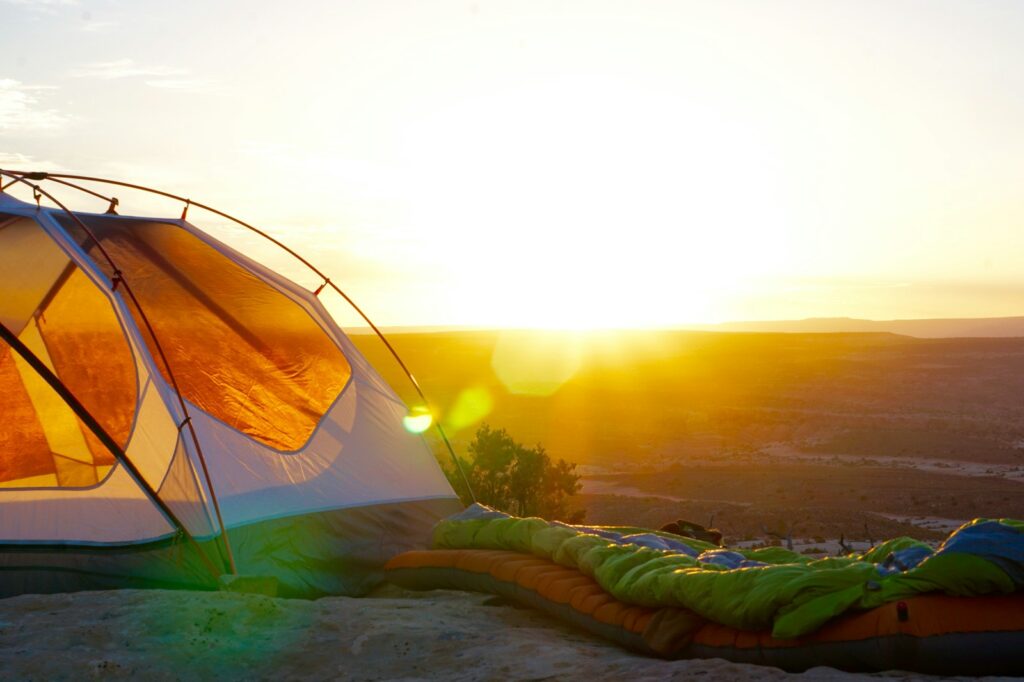
A mummy shape suits cold, high camps because it tapers at the feet and wraps your head in a hood, leaving less air to heat. Rectangular bags suit warm lowland camping and restless sleepers.
A mummy down sleeping bag usually adds a drawcord hood and a neck baffle, a padded tube that stops warm air puffing out each time you turn. Those features matter more at 4,200 m than another 100 g of down, though side sleepers may find the knees tight.
Rectangular bags are roomier, often unzip into a blanket and suit Naivasha campsites, where a heavy down sleeping bag is overkill. Our broader guide to sleeping bags in Nairobi compares shapes, lengths and ratings across all three types.
How should a mummy bag fit?
Lie in it with the hood up. You should bend your knees slightly and roll onto your side, with a hand’s width beyond your feet for a water bottle.
Down vs Synthetic When the Short Rains Arrive
A down sleeping bag beats synthetic on warmth for weight and packed size, while synthetic keeps more of its warmth when damp. In Kenya’s wet months, the right choice depends on how well you can keep the bag dry.
The long rains run roughly from March to May and the short rains roughly from October to December. Dripping tents and moorland mist are normal then, and a wet down sleeping bag goes flat in clumps and dries slowly at altitude.
- Line the stuff sack. Pack the bag in a heavy bin liner or dry bag before it goes into your duffel.
- Change before you climb in. Swap damp hiking clothes for dry thermals and fresh socks.
- Keep it off the tent walls. Condensation there soaks the foot of a down sleeping bag overnight.
- Air it every morning. Turn it inside out in the sun for twenty minutes at breakfast.
Treated, water-resistant down copes better with condensation, but none is waterproof.
Gear up for your next hike
Shop quality hiking and outdoor gear at great prices — from socks and gloves to hats, balaclavas and camping fuel. Everything you need for Kenya’s trails, delivered fast.
Is a Pre-Owned Down Sleeping Bag Worth Buying?
Second-hand down is often excellent value, because good down stored loosely keeps its loft for many years. The key is checking the loft, fill and zip yourself before you pay.
Most of what we stock is quality thrifted gear, plus some new items, which brings a branded down sleeping bag within reach for hikers who might climb Mt Kenya only once or twice. Use these checks on any second-hand bag.
| What to check | Good sign | Walk away if |
|---|---|---|
| Loft | Springs back thick a minute after you shake it out | Stays flat or thin in patches |
| Fill | Even in every chamber when held up to the light | Down bunched in corners, empty baffles |
| Zip and draught tube | Runs smoothly, padded tube behind it | Missing teeth or a slider that splits open |
| Shell and smell | No holes, clean smell | Burn marks, tears or a musty, damp smell |
Our post on thrifted outdoor gear in Nairobi covers second-hand buying more widely.
Building a Warm Sleep System Around Your Bag
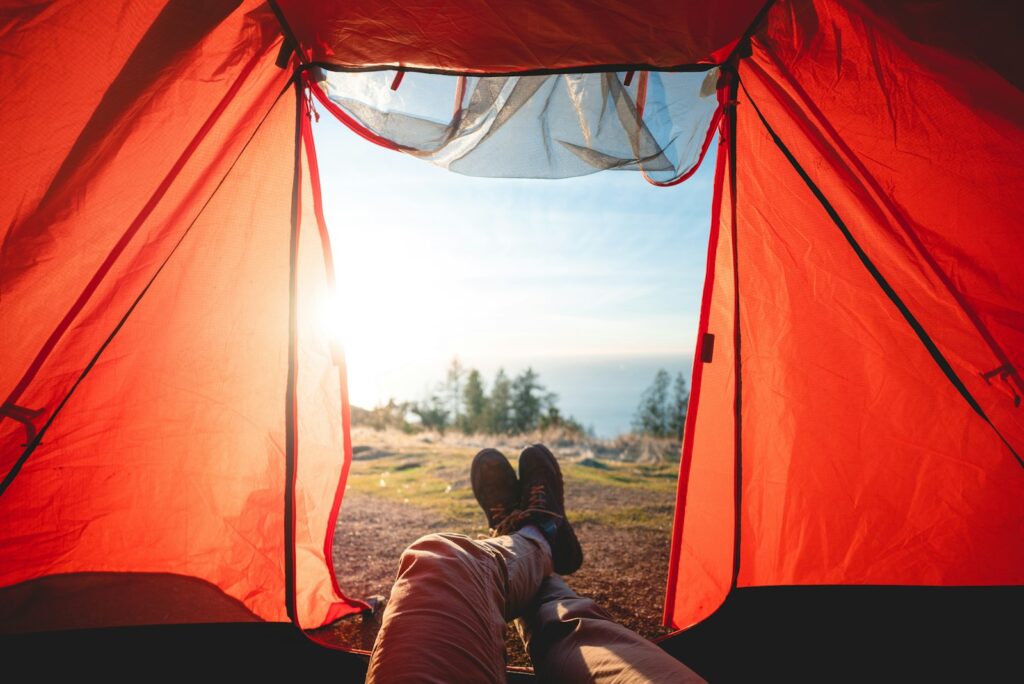
Even the warmest down sleeping bag is only one part of staying warm at night. A sleeping mat, dry base layers, a warm hat and a hot drink before bed do as much work as the down itself.
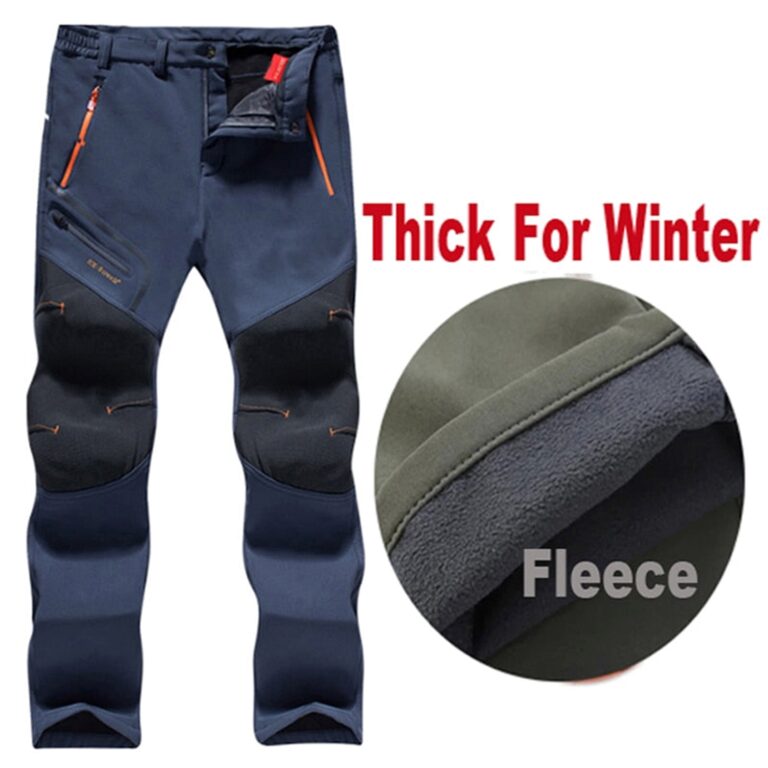
Your weight crushes the insulation beneath you, so use an insulated mat above 3,000 m, not a thin foam sheet. Sleep in a clean top from our thermal base layer range and dry merino wool hiking socks kept for camp. A fleece-lined balaclava helps when the hood slips, and a rechargeable headlamp saves a fumble at 2am.
A worked example for Shipton’s Camp before the Point Lenana push: eat well, drink something hot and visit the toilet before bed. Put a sealed hot-water bottle at your feet, zip up fully and close the neck baffle. Keep summit layers and your phone in the foot so they are warm at 2am. See what to pack for hiking Mt Kenya, the Kilimanjaro gear checklist and our hiking gear checklist for Kenya for the full kit.
Pro Tips
- Unpack your down sleeping bag as soon as the tent is up so it has an hour to loft before bed.
- A thin liner adds a few degrees and keeps body oils off the down, so you wash the bag far less often.
- Do a test night first, on a cold Aberdares trip or even your balcony in July.
How Do You Wash and Store a Down Sleeping Bag?
Down bags need washing only rarely, in a large front-loading machine with a cleaner made for down, then dry it slowly on low heat. Store it loose in a big breathable sack, never compressed.
Marmot’s sleeping bag care advice recommends a large-capacity or front-loading washer, a cleaner made for technical insulation rather than standard detergent, and low-heat drying with the bag kept moving so wet clumps break apart. Shade drying on a dry Nairobi afternoon can take a day or two.
Storage matters more than washing. A down sleeping bag left crushed in its stuff sack between trips slowly flattens. Keep it in a large cotton or mesh sack, or hang it, and avoid sealed dry bags, which trap moisture.
Where can you see one in Nairobi?
To feel the loft and lie in a down sleeping bag before your climb, visit our camping and hiking shop at Mountain Mall on Thika Road, 3rd Floor, Shop D39, near Kasarani and Garden Estate. We open Monday to Friday 8:30am-6:00pm, Saturday 9:00am-2:00pm, and Sunday by appointment, or order online with M-Pesa or cash on delivery. For the rest of a camp kit, see camping gear in Nairobi.
Ready to hit the trail?
Join one of our upcoming guided hikes — from beginner-friendly day hikes to longer treks across Kenya’s best routes.
Frequently Asked Questions
Is a down sleeping bag worth it for Mt Kenya?
For Mt Kenya, down is worth it if you will sleep at Shipton’s or Mackinder’s Camp, around 4,200 m, where frost is normal on clear nights. Down gives the most warmth for its weight and packs small enough for a porter’s duffel or your own pack. Keep it in a waterproof liner, because the forest and moorland are often wet.
What happens if my down bag gets wet?
A wet down bag loses much of its warmth because the clusters clump together and stop trapping air. Light damp from condensation usually dries if you air the bag in the sun for an hour. A soaked bag at altitude is hard to dry, so protect it inside a dry bag or bin liner and keep it away from the tent walls.
Can I use a -15 bag on a warm night in Naivasha?
A heavy cold-rated bag will be far too hot zipped up on a mild Rift Valley night near Naivasha, where camps sit around 1,900-2,000 m. Open it fully and use it like a duvet over you instead. If most of your camping is at the lakes, a lighter or synthetic bag is cheaper and more comfortable, with the warm bag saved for mountains.
How long does a down sleeping bag last?
Well-kept down bags can last many years, often well over a decade, because the fill itself wears slowly. Zips and shell fabric usually fail before the fill. Storing it loose, washing it only when it starts to lose loft and using a liner to keep body oils off the down all add years to its life.
Final Thoughts
Warmth at high camp comes from three things together: a bag rated with a real margin below the coldest night, a mat that stops the ground stealing heat, and down kept dry from trailhead to tent. Before your climb, check the label and loft, then spend one cold test night in your down sleeping bag.
Not sure your sleeping bag is warm enough for your climb?
Our team can help you choose the right gear, answer your hiking questions and get your order dispatched quickly. Message us for a quick, straight answer.