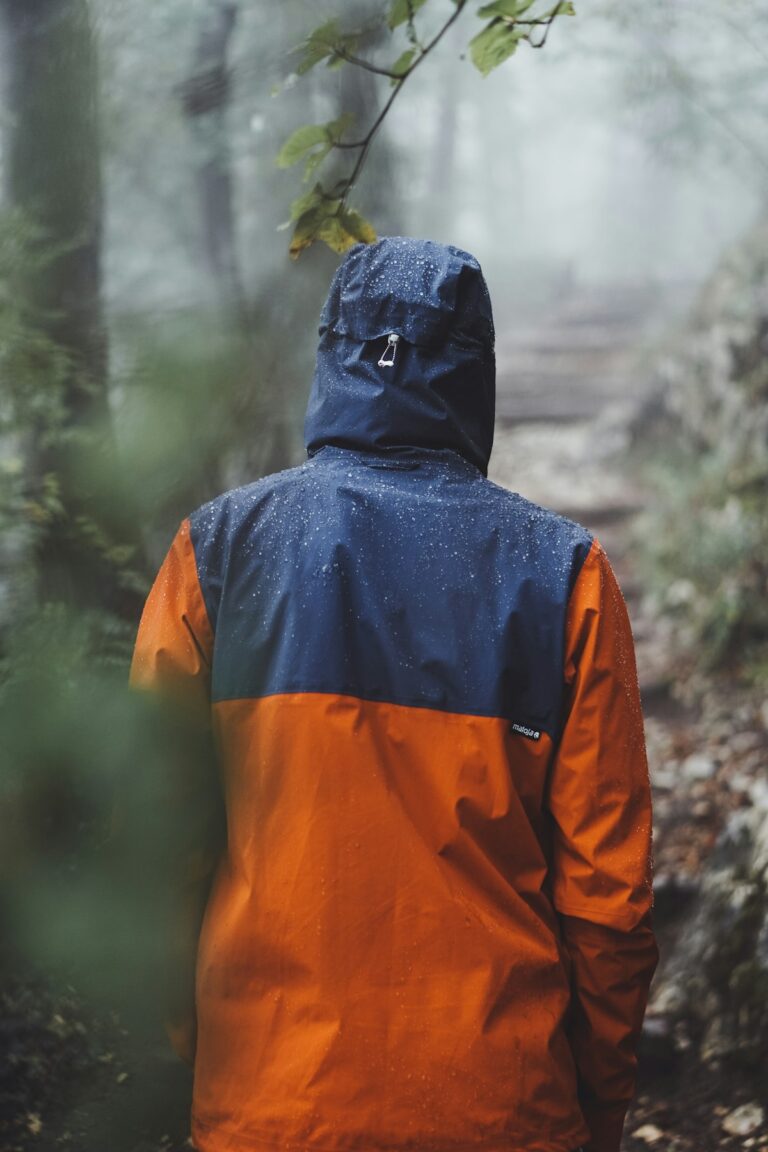

Drizzle that turns into a two-hour storm over the Aberdares is the kind of weather Regatta designs for. The Manchester brand, started in 1981, makes affordable waterproof jackets, fleeces and insulated layers that cover most Kenyan day hikes well, as long as you read the Isotex number on the label and match it to the trail.
The trouble is that two jackets from the same rail can look identical on a rail and behave very differently in a downpour on Elephant Hill. One might be a light showerproof layer, the other a fully taped shell rated to 20,000 mm. Below you will find what the brand is known for, how its fabric ratings work, which pieces suit Kenyan trails, how to judge a second-hand item and where to find one in Nairobi.

Quick Facts
- Origin: Regatta was founded in Manchester, England, in 1981 by Lionel Black, and is still owned by the Black family.
- Sister brands: Regatta Group also owns Craghoppers and Dare2b.
- Main waterproof fabric: Isotex, with grades from 3,000 mm up to 30,000 mm of hydrostatic head.
- Lighter options: Isolite (including Isolite 5000), Hydrafort and softshell fabrics for drizzle and wind.
- Insulation: Thermoguard and Warmloft synthetic fills, which keep some warmth when damp.
- Best Kenyan uses: rain shells for the March-May and October-December rains, fleeces and insulated jackets for Mt Kenya camps above 4,000 m.
What Is Regatta Known For?
Regatta is known for practical, fairly priced outdoor clothing: waterproof jackets and trousers, fleeces, insulated coats and walking boots for everyday hikers rather than elite alpinists. Its full brand name, Regatta Great Outdoors, sums up the aim.
Lionel Black bought a small Manchester workwear firm, Risol Products, in 1977 and began building the new label in 1981. The company was renamed in 1996 and today sits inside the privately owned Regatta Group, alongside Craghoppers (travel and trekking clothing), Dare2b (more active, sport-styled kit) and Regatta Professional (workwear). The group won the Queen’s Award for Enterprise in International Trade in 2012 and again in 2013.
That family background explains a lot. The company develops its own fabrics in-house instead of licensing expensive membranes, it sells huge volumes across the UK and Europe, and its clothing is designed to be worn on a Sunday walk as easily as on a mountain. For Kenyan hikers this matters because a brand sold in such large numbers in the UK and Europe turns up often in thrifted stock, so good jackets and fleeces from the brand are easier to find in Nairobi at sensible prices than many premium labels.
Regatta, Craghoppers and Dare2b: are they the same?
Regatta, Craghoppers and Dare2b share an owner but not a purpose. Craghoppers leans towards travel trousers, insect-repellent shirts and trekking wear; Dare2b targets running, cycling and ski styles. Regatta itself is the broad, all-round hiking and family outdoor label. If you like the fit of one, the others often feel similar because they come from the same design group.
How Waterproof Is a Regatta Jacket?
A Regatta jacket can be anything from showerproof to storm-ready. The answer sits on the label: Isotex garments have taped seams and a stated hydrostatic head, while Isolite, softshell and Hydrafort pieces are lighter and suit drizzle better than a long afternoon storm.
Hydrostatic head is the water pressure a fabric can take before water pushes through, measured in millimetres. The brand explains that a 30,000 mm rating equals holding back a 30-metre column of water. In its own guidance, a rating of 1,000 mm is the minimum for “waterproof”, around 5,000 mm handles light rain, and the 30,000 mm top grade is meant for heavy, torrential weather. You can read the full breakdown on Regatta’s Isotex explained page.
Breathability is the other half. Isotex uses a hydrophilic system that lets trapped water vapour move outwards, but the company does not publish breathability figures for each grade. On a steep climb such as the Kinangop side of the Aberdares you will still sweat inside any shell, so pit zips, a two-way front zip and a mesh lining are worth looking for.
What do the Isotex numbers mean on Kenyan trails?
Isotex numbers tell you how hard rain has to push before it gets through. Use the table below as a rough match between the grade printed on the tag and the kind of hiking you do around Kenya.
| Regatta fabric | Stated rating | Where it makes sense in Kenya |
|---|---|---|
| Isolite / softshell | Water repellent; Isolite 5000 at 5,000 mm | Karura Forest walks, dry-season Ngong Hills, wind on Longonot’s rim |
| Isotex 5,000 | 5,000 mm, taped seams | Light showers on day hikes near Nairobi; a backup layer in the daypack |
| Isotex 10,000 | 10,000 mm, taped seams | Short-rains afternoons on Ol Donyo Sabuk, Table Mountain and Kijabe |
| Isotex 15,000-20,000 | 15,000-20,000 mm, taped seams | Aberdares bamboo zone, Elephant Hill, Mt Kenya’s forest and moorland |
| Isotex 30,000 / Stretch 30,000 | 30,000 mm, taped seams | Long, wet days in March-May, multi-day treks, Kilimanjaro’s rainforest stage |
Isolite, Hydrafort and softshell: the lighter options
Isolite is a lighter fabric with a water-repellent finish, and Isolite 5000 adds a 5,000 mm rating. The packable Pack-It jacket uses Isolite 5000 with taped seams and folds into a small stuff sack, which makes it a handy emergency shell for a 20-litre daypack. Hydrafort has taped seams and an extra water-repellent treatment, but the maker itself notes that it is not breathable, so it feels clammy on a hard climb. Softshell is stretchy and wind-resistant with a water-repellent coating; brilliant for a cold, dry morning on the Ngong ridge, not for a two-hour storm.

Which Regatta Gear Suits Kenyan Trails?
The Regatta pieces that earn their keep in Kenya are a taped Isotex rain shell, a mid-weight fleece and a light synthetic insulated jacket. Together they cover a wet forest day near Nairobi and a cold dawn at a Mt Kenya camp.
Rain shells for the short rains and the Aberdares
From October to December, afternoon storms build quickly over the Rift Valley escarpment and the Aberdares, and the long rains from March to May bring whole wet days. A shell rated Isotex 10,000 or higher, with taped seams, a peaked and adjustable hood and storm flaps over the front zip, is the piece to look for. On forest hikes such as Kereita or the lower Aberdares, a longer cut that covers your hips helps, because water running off the jacket otherwise soaks the top of your trousers. Pair it with our waterproof rain pants if you expect knee-high wet grass.
For more on picking any shell, not just this brand, see our guide to rain jackets for hiking in Nairobi.
Fleeces for cold mornings and high camps
The brand sells a wide range of fleeces, from thin microfleece half-zips to heavier full-zip jackets. On Kenyan trails a mid-weight full-zip fleece is the most useful: warm enough under a shell at 3,500 m on the Mt Kenya moorland, light enough to tie round your waist on the climb. Look for a fleece that is not pilled flat at the elbows and shoulders, since flattened fleece traps less air and keeps you less warm. Our fleece jackets guide explains weights and layering in more detail.
Insulated jackets: Thermoguard and Warmloft
Thermoguard and Warmloft are Regatta’s synthetic insulations. Both are described as water repellent and quick drying, and synthetic fill keeps more of its warmth when damp than down does. That makes one of these insulated jackets a sensible choice for wet-season camping in the Aberdares or for sitting at a Mt Kenya camp above 4,000 m, where nights fall below freezing and drizzle is common. The range also includes a “feather free” down-style fill that it says insulates when wet. For a summit push on Point Lenana (4,985 m), wear the insulated jacket under your shell rather than relying on it alone.
Packable jackets for the daypack
A Pack-It style jacket weighs little and squashes into its own sack, so it lives permanently at the bottom of a daypack such as our 28L day hiking backpack. It is a good backup on dry-season hikes like Mt Longonot, when rain is unlikely but wind on the crater rim can chill you fast. It is not a replacement for a heavier shell in April.
Regatta walking boots
The company also makes walking boots, such as the Samaris line, with Isotex waterproof linings. They are aimed at casual walkers and suit gentle forest trails like Karura or Oloolua more than rocky scree. For harder ground, our guide to hiking boot brands in Kenya compares sturdier options.
Gear up for your next hike
Shop quality hiking and outdoor gear at great prices — from socks and gloves to hats, balaclavas and camping fuel. Everything you need for Kenya’s trails, delivered fast.
How Does Regatta Compare With Pricier Outdoor Brands?
Regatta sits below brands that build jackets on licensed membranes such as Gore-Tex, and it is designed for broad, everyday use. For most Kenyan day hikes the gap in performance is smaller than the gap in price, especially when you buy thrifted.
The main difference is fabric strategy. Brands such as Berghaus, The North Face or Mammut offer some jackets with Gore-Tex or their own premium membranes and publish detailed specs for climbers. This brand relies on its in-house Isotex range, which lets it sell taped, waterproof jackets at a lower price. In practice, a well-kept Isotex 15,000 shell keeps you dry through a typical short-rains storm on Table Mountain. Where the pricier brands tend to pull ahead is in weight, cut for climbing harnesses, and breathability during sustained hard effort.
So match the brand to the plan. If you hike a few weekends a month around Nairobi, a Regatta shell is a very sensible buy. If you are planning repeated multi-day treks in the wet season, it can be worth comparing it with the options in our Berghaus guide before you decide. Neither choice is wrong; they simply aim at different users.
What Should You Check When Buying Regatta Second-Hand?
Check five things on a second-hand Regatta jacket: the care label and fabric tag, seam tape, the water-repellent finish, zips and toggles, and the inside of the shell for peeling or sticky patches. Five minutes of checks tells you most of what you need.
Because our stock is quality thrifted gear plus some new items, this is how we would suggest any customer looks at a used jacket, here or anywhere else.
- Read the labels. The inner care label should be printed clearly, with clear branding and the fabric named. Swing tags are usually gone on thrifted items, but many jackets have “Isotex” or the rating printed on a small chest or sleeve logo, or on the inner label.
- Feel along the seam tape. Turn the jacket inside out and run your fingers along the shoulders and hood. Tape that is lifting, cracked or missing means the jacket will leak at those seams.
- Test the outer finish. Flick a few drops of water on the shoulder. Beading is good. If water darkens the fabric straight away, the finish has worn off; it can usually be restored with a wash-in or spray reproofer.
- Work every zip and toggle. Run the front zip fully up and down, check pocket zips, and pull the hood and hem drawcords. A broken main zip is expensive to replace.
- Look for delamination. Bubbling, flaking or a sticky feel on the inner face of the fabric is a sign the waterproof layer is failing. Skip that jacket.
How does Regatta sizing work?
Regatta uses UK sizing. Men’s jackets usually run from S to XXL or bigger, while many women’s pieces are labelled with UK dress sizes such as 10, 12, 14 and 16. A UK women’s 12 is roughly a European 40. Always try a shell on over a fleece, raise both arms above your head and check that the cuffs stay over your wrists and the hem does not ride up past your belt.
Genuine or not?
It pays to look carefully at any branded label. Signs of a genuine item include neat, even stitching, clean seam tape and a properly printed care label with washing symbols and product details. Crooked logos, misspelt labels or a “waterproof” jacket with no seam tape at all should make you pause. These are general guides, not proof either way.
Common mistakes when buying
The most common mistake is buying a softshell or fleece-lined “rain jacket” that is really showerproof and expecting it to survive a Kenyan downpour. The second is buying a size that fits over a T-shirt only, then finding it too tight over a fleece on a cold morning. The third is ignoring a stiff or sticky inner lining because the outside looks new.

How Do You Wash and Reproof a Regatta Waterproof?
Wash a Regatta waterproof with a pure soap or non-detergent cleaner, skip fabric conditioner, and reproof it after the first few washes. Always check the garment’s own care label first, as each piece can differ.
The brand’s own advice is to avoid biological washing powders and fabric conditioners, because their residue clogs the fabric and reduces both water repellency and breathability. After washing, a wash-in or spray reproofer restores the beading finish. In Nairobi, where red dust from murram roads and trails settles into everything during the dry months, a gentle wash after a dusty hike also stops grit from wearing the fabric at the shoulders where pack straps rub.
Dry the jacket on a hanger in the shade rather than in direct midday sun, and store it loosely hung, not crushed into a bag for months. If your walking boots are leather, a leather cream keeps the uppers supple. The company guarantees new Isotex garments to stay windproof, waterproof and breathable for 3 years; that guarantee is for the original buyer of new items, so with thrifted pieces the condition checks above are what matter.
Can you fix a leaking Regatta jacket?
A leaking shell can often be fixed. If water soaks through the outer face, reproofing usually solves it. If it leaks at seams, a seam sealer applied inside the jacket can help. If the inner membrane is flaking, though, no treatment will bring it back.
Where Can You Find Regatta in Nairobi?
You can find Regatta pieces in Nairobi at our shop in Mountain Mall on Thika Road, where thrifted big-brand stock arrives regularly alongside new items. Stock changes often, so message us on WhatsApp to ask what has come in this week.
Our shop is Shop D39, on the 3rd floor of Mountain Mall, near Kasarani, Garden Estate and Thome. It is open Monday to Friday 8:30am-6:00pm, Saturday 9:00am-2:00pm, and on Sunday by appointment. You are welcome to try jackets on over your own fleece at the jacket rails at Mountain Mall on Thika Road. When we have it in, our Regatta waterproof hooded jacket listing shows the current piece, and our rain jackets category holds the other shells we stock. You can order online and pay with M-Pesa or cash on delivery.
If you are building a full kit, our hiking gear checklist for Kenya shows what to add around a good shell, from Thinsulate waterproof gloves to a warm hat for Mt Kenya nights.
Pro Tips for Buying and Using Regatta
- Choose Isotex 10,000 or higher for hikes in the October-December or March-May rains.
- Turn every second-hand shell inside out and check the seam tape at the shoulders and hood before paying.
- Try a jacket on over a fleece and lift your arms; the cuffs and hem should stay put.
- Keep a packable Isolite jacket in your daypack even in the dry season for wind on exposed rims.
- Wash with a non-detergent cleaner, never fabric conditioner, and reproof when water stops beading.
- Wear a synthetic Thermoguard or Warmloft jacket under the shell for cold, damp camps above 3,500 m.

Ready to hit the trail?
Join one of our upcoming guided hikes — from beginner-friendly day hikes to longer treks across Kenya’s best routes.
Frequently Asked Questions
Is Regatta actually a good brand for hiking?
Regatta is a good brand for everyday hiking, especially day hikes and weekend treks. Its Isotex jackets have taped seams and stated waterproof ratings, its fleeces and synthetic insulated jackets are warm for their price, and the kit is easy to find second-hand in Kenya. Serious alpinists may prefer lighter, more technical brands, but most Kenyan hikers will be well served by one of its shells.
Is a Regatta jacket fully waterproof or just water resistant?
A Regatta jacket is fully waterproof only if it uses a waterproof fabric such as Isotex and has taped seams. Isolite, softshell and some fashion pieces are water repellent and suit drizzle rather than storms. Check the label for “Isotex” and a millimetre rating, then turn the jacket inside out to confirm the seams are taped before you rely on it in the rains.
Who owns Regatta, and is it the same as Craghoppers?
Regatta is owned by the Black family through the privately held Regatta Group, based in Manchester, England. The same group owns Craghoppers, Dare2b and Regatta Professional. They are separate brands with different styles: Craghoppers focuses on travel and trekking wear, Dare2b on active sport styles, and Regatta itself on all-round outdoor and family clothing.
Can I use Regatta gear to climb Mt Kenya?
Regatta gear can work on Mt Kenya as part of a proper layering system. Take a taped Isotex shell rated 15,000 mm or more, a mid-weight fleece and a synthetic insulated jacket, plus thermal base layers, gloves and a warm hat. Temperatures near Point Lenana drop below freezing before dawn, so no single jacket is enough on its own.
How long does a Regatta waterproof last?
A Regatta waterproof can last many years if you wash it gently and reproof it when water stops beading. The company guarantees new Isotex garments for 3 years of waterproof, windproof and breathable performance. On a second-hand jacket, check the seam tape and inner lining; if both are intact, there is plenty of life left.
Final Thoughts
Match the rating to the rain and Regatta becomes one of the easiest outdoor brands to buy well in Kenya. A taped Isotex shell of 10,000 mm or more, a mid-weight fleece and a synthetic insulated jacket will carry you from a wet afternoon on Kijabe to a freezing Mt Kenya dawn. Buying thrifted keeps the cost low.
Before the next storm rolls over the escarpment, turn the jacket inside out, check the tape and try it on over your fleece. Come and do that at Mountain Mall, or send us a WhatsApp and we will tell you which Regatta pieces are on the rail this week.
Wondering which Regatta jackets are in stock right now?
Our team can help you choose the right gear, answer your hiking questions and get your order dispatched quickly. Message us for a quick, straight answer.