Quechua hiking gear is Decathlon’s own mountain label, designed in the French Alps near Mont Blanc since 1997, and in Kenya it is one of the most affordable ways to kit out for day hikes and easy treks. Its boots, fleeces, rain shells and daypacks suit Ngong, Longonot and the Aberdares; Mt Kenya’s summit night needs its warmer, higher-numbered pieces.
The confusing part is the labels. One boot says Quechua, the next says Forclaz, a jacket reads MH500 and a pack calls itself NH Arpenaz 100. Below we decode the ranges, match them to Kenyan trails, explain how to judge a pre-owned piece and show where Quechua hiking gear stops being enough.

Quick Facts: Quechua at a Glance
- Owner: Decathlon, the French sports group, which created Quechua as its hiking and camping label in 1997.
- Home base: Domancy, in the Mont Blanc area of the French Alps.
- Range names: NH for gentle nature walks, MH for mountain hiking, and Forclaz (Decathlon’s sister label) for multi-day trekking.
- Numbers: On current kit, 100 usually marks the entry model, 500 the mid-range and 900 the most technical version.
- Best Kenyan use: Quechua hiking gear suits day hikes and weekend treks from Karura Forest to Longonot, Ngong Hills and the lower Aberdares.
- Known for: The pop-up 2 Seconds tent, recycled-polyester fleeces and low prices for the features you get.
What Is Quechua, and Who Makes It?
Quechua is the in-house hiking and camping brand of Decathlon. About ten Decathlon staff left the company’s Lille head office in 1997 and set up in the Alps, and the first products reached stores in spring 1998.
The brand takes its name from the Quechua people of the Andes, and its designers still work in the Mont Blanc valley. Decathlon’s own history of Quechua credits the team with the 2 Seconds pop-up tent, recycled fleece from 2010 and the Fresh & Black cool-and-dark tent fabric.
For a Kenyan buyer, that means Quechua hiking gear is designed by people who walk in mountains, so hoods, pockets and lug depth are usually sensible, but it is built to a price, with simpler fabrics than premium brands. A used piece can still give years of weekend hiking.
How Do Quechua’s NH, MH and Forclaz Ranges Differ?
The letters on Quechua hiking gear tell you the terrain. NH (nature hiking) is for flat or rolling paths, MH (mountain hiking) is for steeper, rockier day hikes, and Forclaz covers multi-day treks carrying a heavier pack.
Older thrifted Quechua hiking gear often uses model names instead, such as Arpenaz, Bionnassay or Forclaz 500. Use the table as a rough translation.
| Range | Designed for | Kenyan match |
|---|---|---|
| NH / Arpenaz | Low-level walks, parks, short country paths | Karura Forest, Oloolua, Nairobi Arboretum loops, travel days |
| MH | Mountain day hikes, mixed weather, rocky ground | Ngong Hills, Longonot crater rim, Ol Donyo Sabuk, Elephant Hill |
| Forclaz / Trek | Multi-day trekking with a loaded pack | Aberdares traverses, Mt Kenya’s lower routes, Kilimanjaro trekking days |
What do 100, 500 and 900 mean on a Quechua tag?
On current Quechua hiking gear, a higher number usually means more technical features. A 100 is the simple, cheapest version, a 500 adds better fabrics or a waterproof membrane, and a 900 is the lightest or most weatherproof in that line.
The rule is a pattern, not a promise: an NH500 shoe is still a low-level walking shoe, while an MH100 boot is a basic but genuine mountain boot. Read the letters first, then the number.
Which Quechua Hiking Gear Works Best on Kenyan Trails?
For Kenya, the strongest picks are the mid-range MH and Forclaz kit: waterproof boots, recycled fleeces, light rain shells and 20-30 litre daypacks. These pieces match the mud, ash and cool mornings of hikes within three hours of Nairobi.
Boots and shoes for murram, ash and forest mud
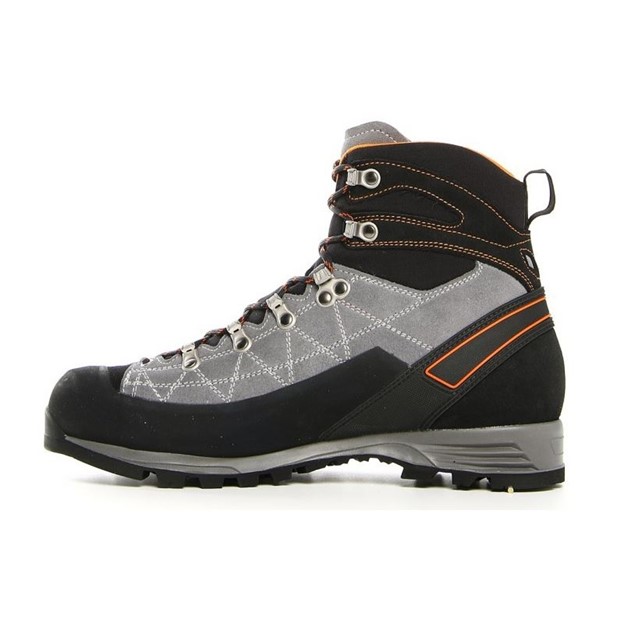
Boots are the Quechua hiking gear people ask about most. The MH100 is a light synthetic boot for dry-season walks; our Quechua MH100 boot guide covers its fit. The Forclaz 500 High adds leather panels, a membrane and hook lacing, and the Forclaz 500 High explainer reads its specs for Kenya.
When they are in, you can find the Quechua MH100 hiking boots, the Quechua Forclaz 500 High waterproof boots and the Quechua waterproof hiking boot in our shop. In the short rains of October to December, pick the waterproof models; Ngong’s red soil stays wet for days.
Fleeces and mid-layers for cold starts
The MH100 fleece is one of the cheapest useful layers in Quechua hiking gear. An independent SectionHiker review measured the men’s pullover at 201 g/m² brushed fleece from 100% recycled polyester, warm when damp and easy to wash, though it runs about half a size small.
That is the right weight for a 6am start at Longonot or a windy Ngong ridge. Above 3,500 m on Mt Kenya it becomes one layer of three, not the warm layer.
Rain jackets for the short and long rains
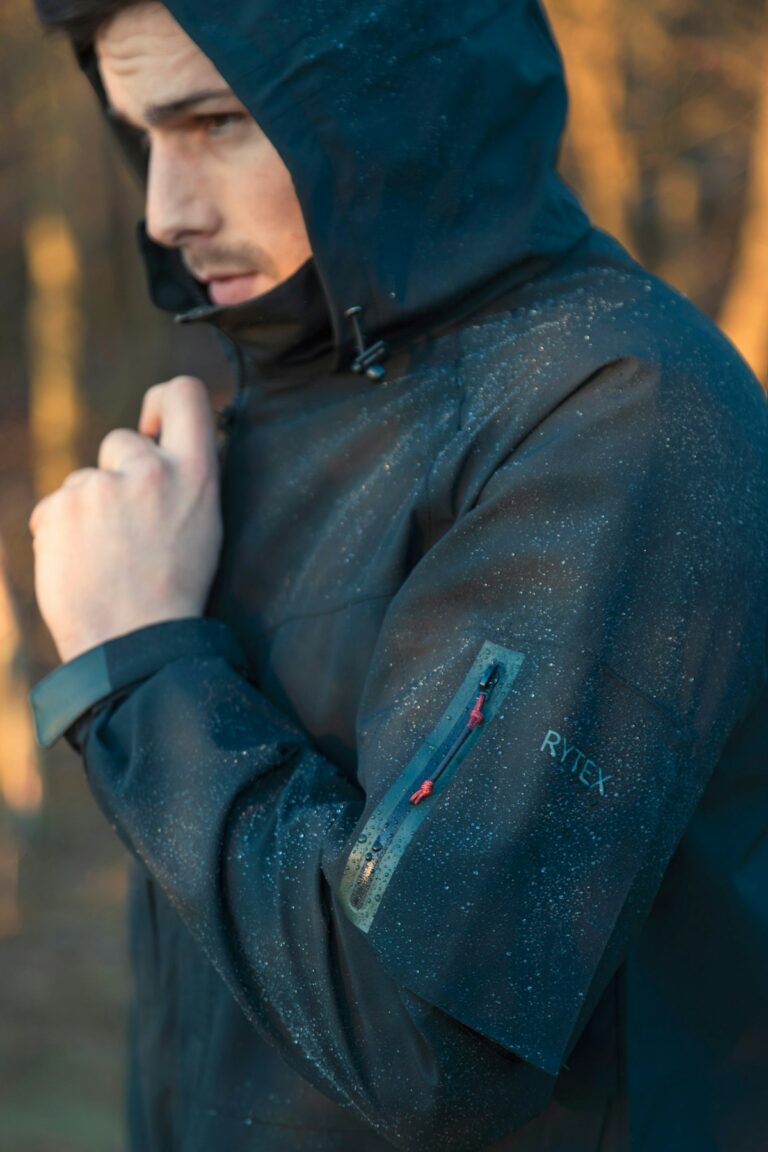
Rain shells in the Quechua hiking gear line-up run from simple NH jackets to MH500 and Forclaz models. Decathlon’s US listing for the current men’s MH500 gives it a 25,000 mm waterproof rating and a weight of 571 g in size L, with a hood and zipped hand pockets.
Older thrifted shells may carry lower ratings, so read the inner tag. For a long-rains storm between March and May, any Quechua shell with taped seams and a working hood will do. Compare options on our rain jackets rail.
Daypacks for a full day out
Among Quechua hiking gear, the NH Arpenaz 100 20 L is the classic budget daypack. Decathlon lists it at 470 g and 47 x 25 x 14 cm, with foam back pads, a chest strap and two bottle holders, but no rain cover, so pack a liner bag in the wet months.
Twenty litres covers water, lunch, a fleece and a shell for Karura or Ol Donyo Sabuk. For Elephant Hill, step up to a 25-30 litre pack such as our 28L day hiking backpack.

Tents and camping kit
Quechua made its name with the 2 Seconds pop-up tent, which springs open when you release the straps. It pitches fast at a Naivasha campsite but packs into a wide disc, so it suits car camping, not trekking.
Gear up for your next hike
Shop quality hiking and outdoor gear at great prices — from socks and gloves to hats, balaclavas and camping fuel. Everything you need for Kenya’s trails, delivered fast.
How Do You Judge Second-Hand Quechua Hiking Gear?
Judge a pre-owned Quechua piece by the parts that wear first: boot midsoles, jacket seam tape, zips and backpack straps. Logos and colours tell you little about how much life is left.
Most thrifted Quechua hiking gear in Kenya arrives from Europe, where Decathlon sells huge volumes, so sizes and models are plentiful and a full outfit stays affordable. Run through these checks before you pay:
- Press the boot midsole with your thumb. Hard, cracked or crumbly foam has aged, even if the upper looks new.
- Check the lugs. Shallow tread is fine for Karura; Longonot’s loose ash needs deeper lugs.
- Turn the jacket inside out. Peeling seam tape or flaking coating means it will leak.
- Run every zip and test the hood drawcords.
- Tug pack straps where they join the body and check the back foam.
- Read the care tag for the model name, which tells you the range and generation.
Fakes are rarer with Quechua than premium brands, since genuine kit is already cheap. Look for even stitching, a sewn-in care label with the model code and a clean logo. Our second-hand boot checks go deeper on footwear.
Pro Tips for Buying and Using Quechua Hiking Gear
- Try boots in the afternoon: feet swell through the day.
- Size fleeces up: the MH100 runs small, so go one size bigger if you layer a thermal underneath.
- Re-proof old shells: use a technical wash and spray-on proofer before the rains.
- Line your daypack: Arpenaz packs are water-repellent, not waterproof.
- Mix brands freely: a Forclaz boot with merino wool hiking socks works perfectly well.
Where Can You Find Quechua Hiking Gear in Nairobi?
You can find Quechua boots, fleeces, jackets and packs among the thrifted and new stock at our shop on the third floor of Mountain Mall, Thika Road. Stock changes often, so ask on WhatsApp what is in before you travel.
Shop D39 sits near the Thome and Garden Estate turn-offs, close to Kasarani, and opens Monday to Friday 8:30am-6:00pm and Saturday 9:00am-2:00pm, with Sundays by appointment. To try boots on, visit us on the third floor of Mountain Mall with your hiking socks. You can also browse the Quechua brand page and order online, paying by M-Pesa or cash on delivery.

Can Quechua Hiking Gear Handle Mt Kenya?
Quechua kit handles Mt Kenya’s lower days well, but summit night needs more. Point Lenana stands at 4,985 m, and the pre-dawn climb is well below freezing, often with wind.
Wear Forclaz or waterproof MH boots, an MH fleece and a Quechua shell up to the high camps, then add an insulated jacket, thermal leggings, warm gloves and a balaclava for the summit. Our hiking gear checklist for Kenya lists every layer, and the boot brands guide compares Quechua with heavier mountain boots.
Kilimanjaro, at 5,895 m, follows the same logic: budget Quechua hiking gear for the forest and moorland, money on summit layers.
Ready to hit the trail?
Join one of our upcoming guided hikes — from beginner-friendly day hikes to longer treks across Kenya’s best routes.
Frequently Asked Questions
Is Quechua hiking gear actually good, or just cheap?
Quechua is good value rather than premium. Its designers are based in the Alps, and the mid-range MH and Forclaz pieces handle Kenyan day hikes and easy treks well. Fabrics and fittings are simpler than on top brands, so it wears faster under heavy use, but a well-chosen boot or fleece lasts many seasons of weekend walking.
Is Quechua the same as Decathlon?
Quechua is a brand owned by Decathlon, not a separate company. Decathlon created it in 1997 as its hiking and camping label and also runs Forclaz for trekking. That is why Decathlon and Quechua often share a tag or box, and why older Forclaz boots sometimes carry the Quechua logo as well.
Are Quechua boots waterproof enough for Kenya’s rainy season?
Quechua boots marked waterproof, such as the Forclaz 500 High and the waterproof MH models, cope with showers, puddles and muddy paths in the short and long rains. They are not built for wading or a full day in bog. On a wet Aberdares hike, add gaiters, wear wool socks and dry the boots slowly at home, away from direct heat.
How long does Quechua stuff last if I hike every weekend?
Quechua hiking gear used every weekend typically lasts a few seasons, depending on the piece and the terrain. Fleeces and daypacks wear slowly. Boots wear fastest on Longonot’s ash and rocky descents, so watch the tread and midsole, and dry them slowly after wet hikes to add to their life.
Final Thoughts
Read the letters, then the number, and Quechua stops being confusing. MH and Forclaz pieces carry weekend hikers from Karura to the Longonot rim cheaply, and thrifted Quechua hiking gear stretches that budget further. Spend more only on summit layers. Next step: message us the item and size you want, then come and try it on.
Hunting for a particular Quechua boot, fleece or pack in your size?
Our team can help you choose the right gear, answer your hiking questions and get your order dispatched quickly. Message us for a quick, straight answer.