
The right pair of hiking boots is the single most important gear decision you’ll make before hitting a Kenyan trail. Whether you’re tackling the rocky switchbacks of Mt Kenya, the volcanic scree of Mt Longonot, or an easy afternoon loop around Ngong Hills, the wrong boots can turn a great hike into a painful one. This guide breaks down exactly what to look for in hiking boots for Kenyan trails, so you can buy once and hike comfortably for years, instead of replacing boots every season out of frustration.

Quick Answer: What Makes a Good Hiking Boot for Kenya?
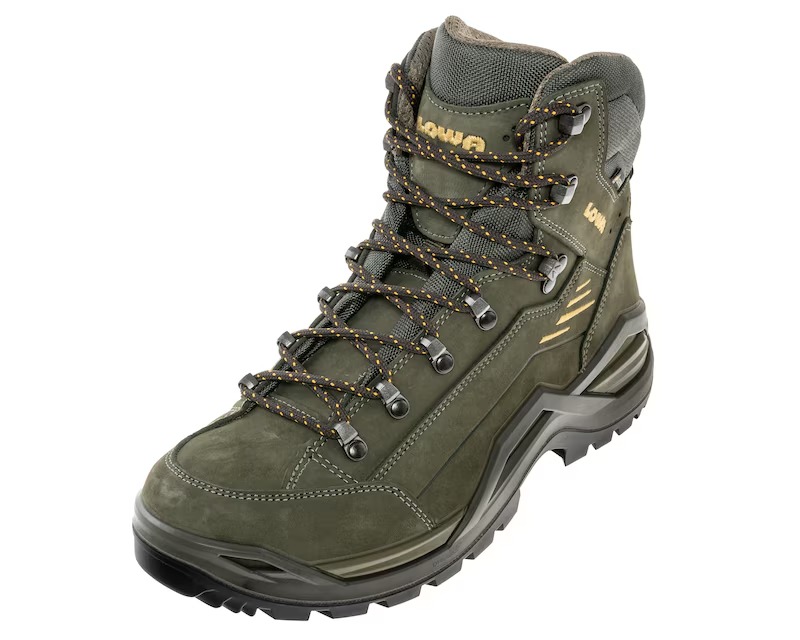
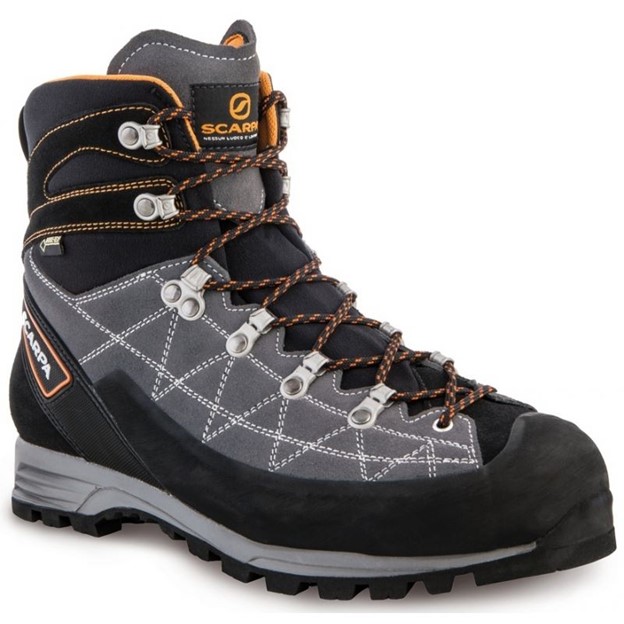
For most Kenyan trails, look for a mid-cut or high-cut hiking boots with stiff, lugged rubber sole for grip on loose volcanic soil and rock, a waterproof membrane for rainy-season hikes, and enough ankle support for uneven terrain. Trail runners work for flat, dry day hikes, but a proper boot is safer for altitude routes like Mt Kenya or the Aberdares, where a single ankle roll can end your trip early.
💡 Quick Fact: Most hiking injuries in Kenya happen on the descent, not the climb — tired legs combined with loose volcanic scree is the most common cause of ankle rolls on trails like Longonot and Mt Kenya.
1. Match the Hiking Boots to the Terrain
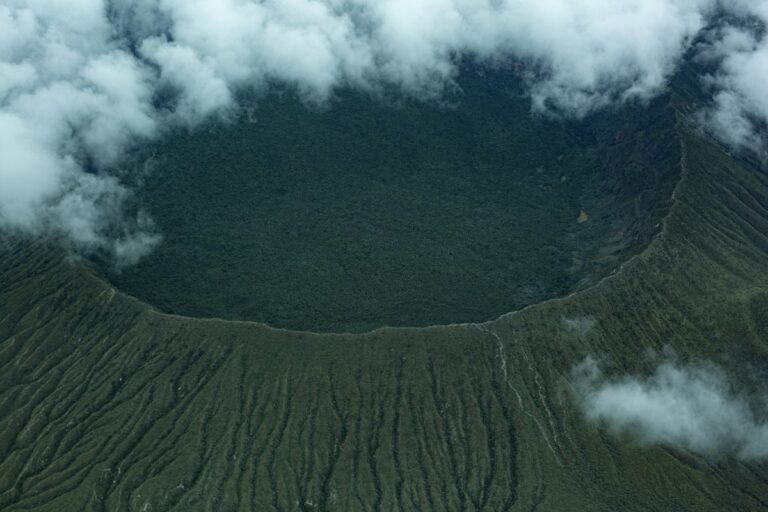
Kenya’s hiking terrain varies more than people expect. Ngong Hills and Karura Forest are relatively gentle, well-trodden paths — a sturdy trekking shoe is often enough. Mt Longonot, on the other hand, involves loose volcanic scree, rocky scrambles, and steep descents where ankle rolls are common. If you’re planning to hike more than one type of trail, a mid-cut boot is the safer all-rounder, giving you enough support for the tough days without feeling overbuilt on the easy ones.
Day Hikes vs Multi-Day Treks
For single-day hikes under 4 hours, a lighter trekking shoe reduces fatigue and keeps your pace quicker. For multi-day treks or summit attempts, prioritize ankle support and sole rigidity over weight — your feet will thank you on the way down, when most injuries actually happen and when your legs are already tired from hours of climbing.
2. Waterproofing Matters More Than You Think
Kenya’s hiking season overlaps with unpredictable weather, especially around the long and short rains. A boot with a waterproof membrane keeps your feet dry through morning dew, stream crossings, and sudden showers that can appear with little warning at higher elevations. Non-waterproof hiking boots dry faster if they do get wet, and breathe slightly better in hot conditions, but for most hikers tackling Kenyan trails, waterproofing is worth the trade-off in comfort and blister prevention.
Not sure which boot suits your hiking plans? Whether you’re doing weekend walks around Karura Forest or training for a Mt Kenya summit attempt, our team can walk you through the right size, sole type, and waterproofing level for exactly what you have planned. Just send us a message with your usual trails and how often you hike, and we’ll point you to the right pair — no pressure, no guesswork.
3. Get the Fit Right — Don’t Guess
Boots that fit well in a shop can still cause blisters on the trail once your feet swell slightly during a long hike. Leave a thumb’s width of space at the toe, try boots on with the socks you’ll actually hike in (ideally merino wool, not cotton), and walk on an incline if the shop allows it to check for heel slip. A boot that feels snug standing still can feel completely different after two hours of descending a rocky trail.
4. Sole Stiffness and Grip
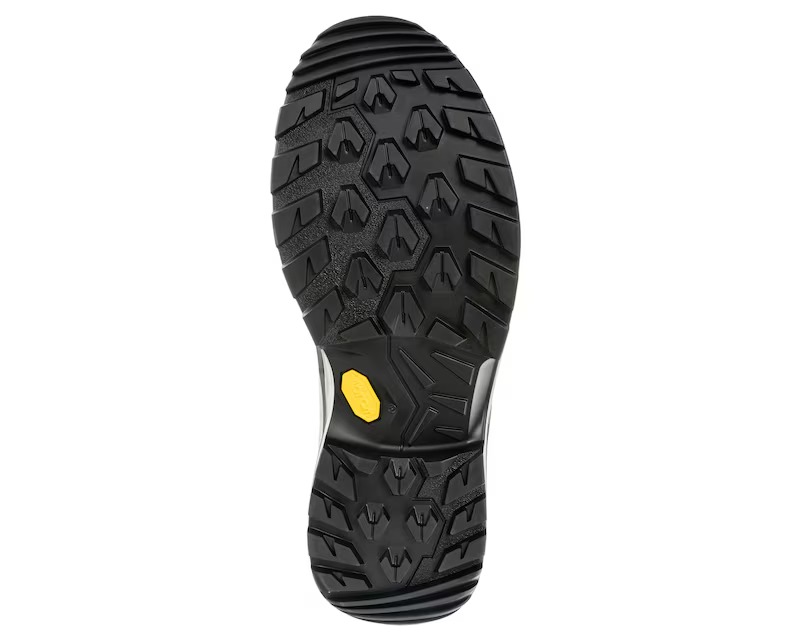
Look for a lugged rubber outsole with deep, multidirectional treads — this is what keeps you upright on loose volcanic gravel, a common feature on Kenyan mountain trails like Longonot and the lower slopes of Mt Kenya. A stiffer sole also reduces foot fatigue on rocky descents by supporting your arch over uneven surfaces, so you feel less beat up by the time you reach the car park.
5. Break Them In Before Your Hike
Never wear brand-new boots on a big hike. Wear them around the house, on short walks, and on one or two easier trails first. This lets the material soften around your foot’s specific shape and helps you catch any fit issues — a stiff seam, a tight toe box — before they become blisters on Mt Kenya, far from any shop that could fix the problem.
Frequently Asked Questions
Do I need waterproof boots for Ngong Hills or Karura Forest?
Not strictly — these are shorter, well-maintained trails. A water-resistant trekking shoe is usually enough unless you’re hiking during the rainy season, when trails can get genuinely muddy.
What’s the difference between trekking shoes and hiking boots?
Trekking shoes are lighter, more flexible, and sit below the ankle — good for day hikes on clear trails. Hiking boots are stiffer, higher-cut, and built for ankle support on rough or steep terrain like Mt Kenya.
How long does it take to break in hiking boots?
Most boots need 15–20 hours of walking to fully break in. Start with short walks around your neighborhood before attempting a full-day hike, gradually increasing distance as the hiking boots soften.
Should I size up when buying hiking boots?
Often yes, by about half a size compared to your regular shoes — feet swell during long hikes, and a slightly roomier toe box prevents your toes from jamming forward on steep descents.
Ready to Gear Up?
We stock hiking boots, trekking shoes, and merino wool hiking socks suited to Kenyan trails — from easy day hikes to Mt Kenya summit attempts. Not sure what fits your plans, your budget, or the specific trail you’re preparing for?
Talk to our gear specialists before you buy:
Send us a quick message with the trail you’re preparing for, your budget, and your shoe size, and our team will recommend the right boot, walk you through waterproofing options, and confirm sizing before you commit to buying — whether you’re shopping in-store or having gear delivered.
Message Us on WhatsApp Email Us
We’ll help you match the right boot to your next hike — no guesswork, no blisters.