
Rainy season hiking gear for Kenya comes down to five essentials: a waterproof, breathable jacket, rain pants, boots with deep tread, gaiters and dry bags for your pack. Add wool socks, quick-dry layers, a warm mid layer and a headlamp, and you can keep hiking safely through the long and short rains.
With the short rains arriving, now is the time to check that your jacket still keeps water out and your boots still grip. Plenty of Kenyan hikers simply stop hiking between October and December, and miss out on green hills, quieter trails and cool walking weather. This guide to rainy season hiking gear walks you through the 10 pieces of kit that matter most, how to layer them, and the habits that keep you safe on slippery ground, so you can keep hiking right through the wet months.

Key Takeaways
- Seasons: Kenya’s long rains usually run from about March to May, and the short rains from about October to December.
- This year: the Kenya Meteorological Service Authority’s outlook points to wetter-than-normal short rains over much of the country in 2026.
- Core rainy season hiking gear: a waterproof jacket, rain pants, grippy boots, gaiters and a way to keep your pack contents dry.
- Skip cotton: it holds water and chills you fast; choose wool or synthetic layers.
- Stay dry early: put rain gear on before you get wet, not after.
Why Does Rainy Season Hiking Gear Matter in Kenya?
Rainy season hiking gear matters in Kenya because storms bring heavy rain, wind and sudden cold, especially at altitude. Rain on a Kenyan trail is rarely a gentle drizzle. Afternoon storms on the Aberdares, Mt Kenya or the Ngong Hills can bring heavy downpours, sudden wind and a sharp drop in temperature within minutes. At altitude, being soaked through and cold is not just uncomfortable; it can lead to hypothermia, even close to the equator.
The trails change too. Red soil turns to slick mud, volcanic ash becomes greasy, and streams can rise quickly after a storm. The right rainy season hiking gear keeps your core warm, your feet stable and your essentials dry, which means you can make good decisions instead of rushing back to the car.
For 2026, the Kenya Meteorological Service Authority (KMSA) expects enhanced rainfall over around 80% of the country during the October to December season, with onset forecast for the second and third weeks of October in most areas, as reported by The Star. That makes it a good year to get your rainy season hiking gear sorted early.
What Rainy Season Hiking Gear Do You Need?
The 10 essential pieces of rainy season hiking gear are summarised in the table below, in rough order of priority.
| Item | What it does | Priority |
|---|---|---|
| Waterproof breathable jacket | Keeps your core dry and blocks wind | Must have |
| Rain pants | Stop wet trousers chilling your legs | Must have |
| Boots with deep tread | Grip on mud and wet rock; support on descents | Must have |
| Gaiters | Keep mud and water out of your boots | High |
| Wool socks plus a dry spare | Warmth when damp; fewer blisters | High |
| Quick-dry base layer | Moves sweat away; dries fast | High |
| Fleece or synthetic mid layer | Warmth at rest stops, even when damp | High |
| Waterproof gloves | Warm, usable hands at altitude | Medium (essential on high hikes) |
| Pack cover and dry bags | Protect spare clothes, phone and first-aid kit | High |
| Headlamp | Light for delayed or gloomy descents | High |
You do not need to buy all your rainy season hiking gear at once. Start with the items at the top of this list, which protect you most, and add the rest as you go. All of our kit is quality thrifted gear, priced so that proper waterproof equipment costs a fraction of the new price.
1. A waterproof, breathable rain jacket
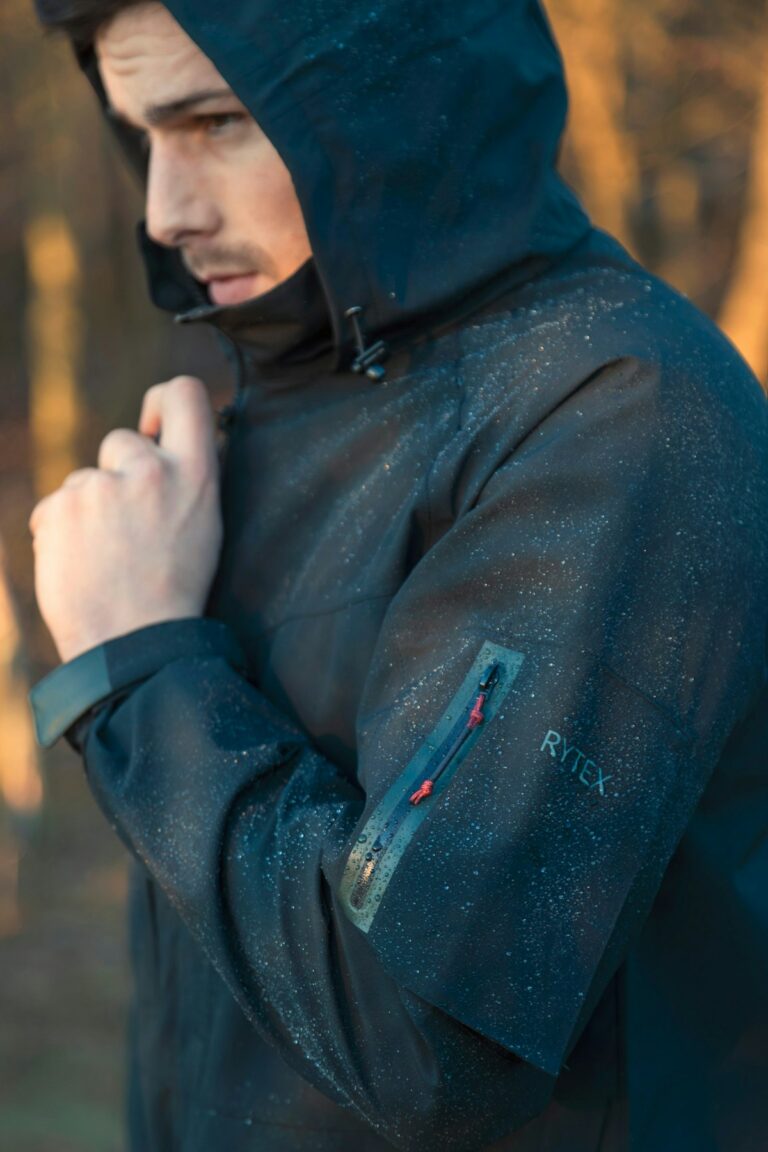
This is the heart of your rainy season hiking gear. Look for a jacket with taped seams, a hood with an adjustable peak that you can tighten around your face, and pit zips or a front zip that lets heat out on climbs. A breathable membrane helps sweat escape, so you stay drier on the inside as well as the outside. Browse our rain jackets for tested options. For more on choosing one, read our guide to hiking jackets.
2. Waterproof rain pants
Rain pants are the most overlooked rainy season hiking gear. Wet trousers stick to your legs, rub, and pull heat from your body for hours. A pair of Waterproof Rain Pants pulls on over your hiking trousers when the rain starts. Choose a pair with ankle zips so you can get them on and off without removing your boots. Our complete guide to waterproof rain pants for hiking goes into more detail.
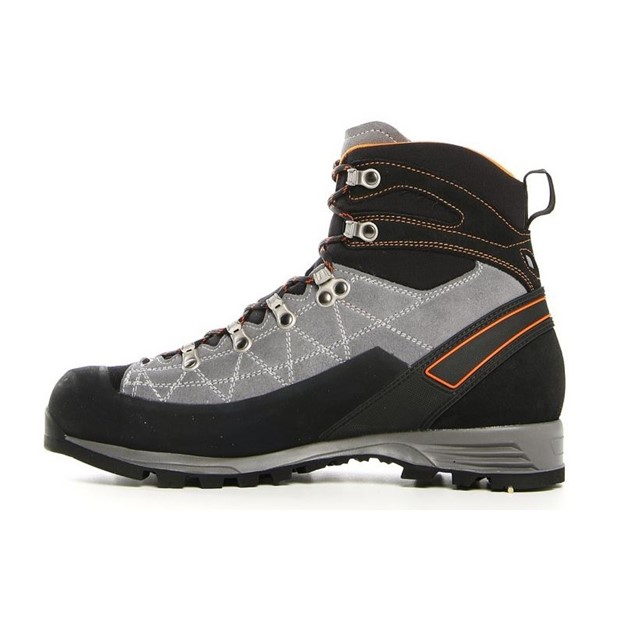
3. Hiking boots with deep tread
Mud and wet rock call for real grip, so boots are core rainy season hiking gear. Waterproof boots with deep, widely spaced lugs shed mud better and keep your feet drier in long grass and puddles. Ankle support also helps on slippery descents, which is where most rainy season falls happen.
4. Gaiters
Gaiters seal the gap between your boots and your trousers, stopping mud, water and grit from running into your boots. Our Waterproof Leg Gaiters are a simple upgrade that make a big difference in wet grass, bamboo zones and boggy moorland.
5. Wool socks, plus a spare pair
Merino wool socks keep feet warmer than cotton even when damp, and they resist odour on long days. Always pack one dry spare pair in a sealed bag. Changing into dry socks at lunch is one of the cheapest comfort upgrades on any wet hike, and it helps prevent blisters.
6. Quick-dry base layers
Your base layer sits against your skin, so it should move sweat away and dry fast. Synthetic or merino tops work well; cotton T-shirts do the opposite, staying wet and cold. A long-sleeve quick-dry top is a versatile choice for most Kenyan trails.
7. A warm mid layer
When you stop for a break in the rain, your body cools quickly. A fleece or synthetic insulated jacket keeps its warmth better than down when damp, which makes it the safer choice for wet days. Keep it in a dry bag and put it on the moment you stop.
8. Waterproof gloves
Cold, wet hands make it hard to open zips, use trekking poles or eat. Insulated waterproof gloves such as our Thinsulate Waterproof Hiking Gloves are well worth carrying on higher hikes such as the Aberdares and Mt Kenya, where rain at altitude can feel wintry.
9. Pack cover and dry bags
Most backpacks are not fully waterproof, even if the fabric looks tough. Use a pack rain cover on the outside and dry bags, or sturdy plastic bags, on the inside for your warm layer, spare socks, phone and first-aid kit. Protecting your other rainy season hiking gear inside the pack is just as important as wearing it. Pack the things you need most near the top so you are not unpacking in a downpour.
10. A reliable headlamp
Storms slow you down, and dark clouds make late afternoons gloomy. A water-resistant headlamp, such as our Waterproof Rechargeable Headlamp, means a delayed descent never leaves you stuck in the dark. Charge it the night before every hike.
Gear up for your next hike
Shop quality hiking and outdoor gear at great prices — from socks and gloves to hats, balaclavas and camping fuel. Everything you need for Kenya’s trails, delivered fast.
How Should You Layer Rainy Season Hiking Gear?
Layer rainy season hiking gear in three parts: a quick-dry base layer, a warm mid layer and a waterproof shell. Layering lets you adjust to changing conditions without getting soaked from the outside or from your own sweat. Think of it as three jobs: move moisture, hold warmth and block weather.
What should you wear at the start of a wet hike?
Start a wet hike lightly dressed. Begin the hike in a quick-dry base layer and light trousers, even if it is cool at the trailhead. You will warm up within minutes of climbing, and starting too warm means sweating into your layers before the rain even arrives.
When should you put on rain gear?
Put your rain jacket and rain pants on at the first steady drops, not when you are already damp. It is much easier to stay dry than to dry out once you are wet. Open the vents on climbs, then close them on exposed ridges.
How do you stay warm at rest stops?
Stay warm at rest stops by adding your mid layer as soon as you stop. Your fleece or insulated jacket goes on at every break, under or over your shell depending on the rain. Take it off again before you start walking, so it stays dry for the next stop.
How Do You Care for Rainy Season Hiking Gear?
Good rainy season hiking gear lasts for years if you rinse it, dry it slowly in the shade and reproof it when water stops beading. After a wet hike, rinse mud off boots and gaiters with clean water, stuff boots with newspaper and let everything dry slowly in the shade, away from direct heat that can crack leather and damage glue.
Rain jackets and pants work best when clean. Dirt, sweat and sunscreen clog the fabric, so wash them occasionally with a technical cleaner rather than ordinary detergent. If water stops beading on the surface, the outer coating has worn and can be refreshed with a wash-in or spray-on reproofer.
Store all your rainy season hiking gear clean and fully dry. Folding a damp jacket into a bag for weeks is the fastest way to ruin the waterproof coating and invite mould.
Wet-Weather Packing Checklist
- Waterproof jacket with a good hood
- Rain pants with ankle zips
- Boots with deep tread, plus gaiters
- Wool socks and one dry spare pair in a sealed bag
- Quick-dry base layer and a fleece or synthetic mid layer
- Waterproof gloves and a warm hat for high-altitude hikes
- Pack cover and dry bags for your essentials
- Charged headlamp, snacks, water and a small first-aid kit
- Phone in a waterproof pouch or zip-lock bag
How Do You Stay Safe Hiking in the Rain?
Stay safe hiking in the rain by starting early, checking the forecast, avoiding swollen rivers and getting off high ground in storms. Rainy season hiking gear is only half the story. The way you hike in the rain matters just as much. These habits, many of which are echoed in REI’s guide to hiking in the rain, will help you get home safely.
Why start early in the rainy season?
Starting early helps you avoid the afternoon storms that are common in the rainy season. In Kenya, rain often builds through the afternoon. Starting early gives you the best chance of finishing exposed sections before storms arrive. Check the latest forecast the night before and the morning of your hike, and have a shorter backup route in mind.
Is it safe to cross rivers after rain?
River crossings after heavy rain can be dangerous, so cross only where the water is slow and shallow. Streams can rise fast after heavy rain upstream. Never cross fast-flowing water above knee height, and if a crossing looks doubtful, wait or turn back. Unclip your backpack hip belt before crossing so you can slip out of it if you fall.
What should you do if a thunderstorm starts?
If you hear thunder, move off exposed summits and ridges as quickly and safely as you can. Avoid sheltering under isolated trees.
What are the signs of hypothermia on a hike?
Uncontrolled shivering, clumsiness, slurred speech and confusion are warning signs of hypothermia. Stop, get into dry layers, eat something and warm up. Keep an eye on everyone in your group, because people often do not notice it in themselves.
Which Hikes Are Worth Doing in the Wet Season?
Many Kenyan hikes are worth doing in the wet season if you have the right kit and start early. The rains turn Kenya’s hills a brilliant green, and with the right rainy season hiking gear many routes stay very enjoyable. Our guided Oldoinyo Lesatima and Dragon’s Teeth Day Hike on 14 November 2026 is a great test of your wet-weather kit, and the hike schedule lists our other upcoming day hikes too.
Ready to hit the trail?
Join one of our upcoming guided hikes — from beginner-friendly day hikes to longer treks across Kenya’s best routes.
Frequently Asked Questions
What is the most important rainy season hiking gear to buy first?
The most important rainy season hiking gear to buy first is a properly waterproof jacket and boots with good grip. Together they protect your core warmth and your footing, which are the two things most likely to cause trouble on a wet hike. Rain pants and gaiters are the next priorities.
Is a poncho good enough as rainy season hiking gear?
A poncho is good enough for lower, sheltered trails, because it is cheap, light and covers your backpack too. On windy ridges and higher mountains such as the Aberdares or Mt Kenya, a poncho can flap about and let rain in, so a fitted rain jacket with a good hood is the better choice there.
Is it safe to hike in Kenya during the short rains?
Hiking in Kenya during the short rains is safe on many trails with the right preparation. Start early, check the forecast, avoid river crossings after heavy rain and turn back if storms build. Some routes become very muddy and slippery, so choose trails that suit your experience and consider hiking with a guided group.
Can thrifted waterproof gear still keep me dry?
Yes. Quality rainy season hiking gear is built to last, and a well-cared-for pre-owned jacket or pair of boots can perform just as well as new. If the outer coating on a jacket has worn, a reproofing treatment can refresh it.
Should I hike in shorts during the rains?
Shorts can work during the rains on warm, low-altitude trails, because wet legs dry faster than wet trousers. At higher altitudes, or when it is cold and windy, shorts leave you exposed, so cover up with rain pants over light trousers to stay warm and protect your legs from wet vegetation.
Final Thoughts
The essential rainy season hiking gear for Kenya is a waterproof jacket, rain pants, grippy boots, gaiters and dry bags, backed by wool socks and quick-dry layers. Pair that kit with early starts and sensible decisions on the trail.
The short rains do not have to put your hiking on hold. With the right kit, a little planning and sensible habits on the trail, wet months bring green landscapes, quiet paths and cool air. Check your jacket, boots and dry bags this week, fill the gaps, and get back out there.
Not sure if your rain gear is ready for the short rains?
Our team can help you choose the right gear, answer your hiking questions and get your order dispatched quickly. Message us for a quick, straight answer.