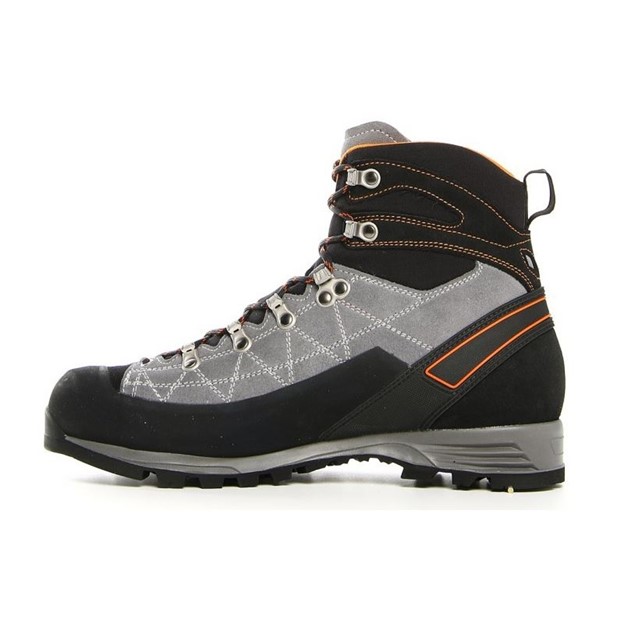

Black cotton mud left to bake on leather overnight dries it out and opens fine cracks, so hiking boot care in Nairobi starts the evening you get home. Knock off the mud and red dust, rinse with lukewarm water, dry the pair slowly away from heat, and re-proof the outer when rain stops beading on it.
Those four habits decide whether a good pair lasts one season or five. Below: cleaning, drying in the short rains, treating different uppers, storage, and the signs that a pair is finished.

Quick Facts
- Clean: Remove laces and insoles, brush off dry dirt, then wash with lukewarm water and a little mild liquid soap.
- Dry: Air-dry at room temperature, out of direct sun and away from a jiko, heater or hot car.
- Re-proof: Treat the outer once water soaks in instead of beading; a water-based spray suits Gore-Tex boots.
- Avoid: Washing machines, bleach and stain removers.
- Timing: Routine hiking boot care in Nairobi takes about 15 minutes, busiest in the March-May and October-December rains.
- Lifespan: Well-kept boots typically manage roughly 800-1,600 km of regular walking.
What Does Hiking Boot Care in Nairobi Involve?
Looking after boots in and around the city means cleaning them after every muddy or dusty hike, drying them slowly, treating the outer so it sheds water, and storing them cool and dry. Each step takes minutes; skipping one shortens a boot’s life.
Most failures, like a sole flapping on the way down Ngong Hills, start weeks earlier, when a pair went back on the rack caked in mud or was dried fast in the sun. Hiking boot care in Nairobi is mostly about breaking those two habits, for thrifted and new pairs alike.
Why are Kenyan trails so hard on boots?
Kenyan trails punish boots in four ways. Red murram dust works into stitching. Black cotton soil, common on the plains around the city, becomes sticky clay in the rains and dries hard on leather, which is why hiking boot care in Nairobi changes with the seasons.
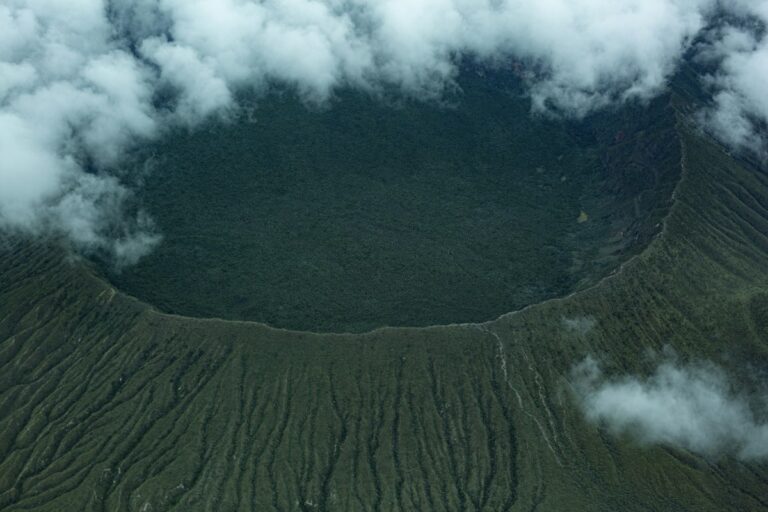
Fine volcanic ash on the Mt Longonot crater rim sands away at seams, and the bogs of the Aberdares and Mt Kenya’s “Vertical Bog” keep boots soaked for hours. Our Mt Longonot hike guide explains why gaiters help there.
How Do You Clean Hiking Boots After a Muddy Hike?
Clean hiking boots the same day: remove laces and insoles, brush off loose dirt, wash the outer with lukewarm water and a little mild soap, and rinse the inside if sweat or mud got in. Let stubborn clay soften rather than scraping it.
A soft brush, an old toothbrush for the lugs, lukewarm water and mild liquid soap are enough for hiking boot care in Nairobi. Follow this order:
- Pull out the laces and insoles. Grit hides under the insole and grinds at the lining.
- Knock the boots together outside, sole to sole, to drop loose mud.
- Brush dry dust from the upper, especially the stitching where murram collects.
- Scrub the outer with lukewarm water and mild soap. Hot water can loosen sole adhesive.
- Clear the lugs. Packed clay in the tread is what makes boots skate on wet rock.
- Rinse, then check stitching, sole edges and the toe rand while the boot is clean.
Does the upper material change the routine?
The upper material changes the details. Smooth full-grain leather wipes clean easily, and nubuck or suede needs a soft brush and no polish. For mesh boots, hiking boot care in Nairobi starts with a dry brush, because wet murram dust smears deeper into the weave.

How Should You Dry Wet Hiking Boots Without Damaging Them?
Dry wet hiking boots slowly at room temperature in a ventilated spot, with laces loosened and insoles out. Stuff them with newspaper and change it every few hours. Never put them beside a jiko or heater. Patience is the heart of hiking boot care in Nairobi during the rains.
LOWA’s official boot care guide warns that direct heat can shrink or crack leather, naming heaters, ovens, hot cars and direct sun. Heat also softens the glue holding many soles on, so drying too fast is the commonest mistake.
A wet pair usually needs one to two days in an airy room; in the damp short rains, a fan across the open boots helps. Nairobi sits at about 1,795 m, where midday sun is fierce, so shade is part of hiking boot care in Nairobi as well.
When Should You Re-Waterproof Hiking Boots?
Re-waterproof hiking boots when water soaks into the outer and darkens it instead of beading and rolling off. For hiking boot care in Nairobi, that usually means before each rainy season.
A Gore-Tex membrane sits inside the boot; the outer just needs a water-repellent finish so it does not soak up water and turn heavy and cold. Gore-Tex’s footwear care page recommends a water-based spray and warns that waxes and greases can reduce breathability.
LOWA suggests spraying while boots are slightly damp after cleaning, reapplying every three to four months with regular use, and allowing about 24 hours to cure. Makers disagree about wax and oil, so read your own boots’ label.
| Upper type | Clean with | Treat with | Avoid |
|---|---|---|---|
| Full-grain leather | Soft brush, lukewarm water | Maker’s cream, then proofing spray | Direct heat, ordinary shoe polish |
| Nubuck or suede | Dry brush first, damp brush after | Spray proofer made for nubuck | Polish, heavy wax |
| Synthetic fabric or mesh | Dry brush, then mild soap | Water-based fabric spray | Wax, solvents |
| Any Gore-Tex lined boot | Lukewarm water, liquid soap | Water-based spray on the outer | Washing machine, bleach, greases |
Does leather need conditioning in the dry months?
Leather does need a little conditioning in the dry spells, roughly January-February and June-September. Then, hiking boot care in Nairobi includes a thin coat of the maker’s recommended cream after cleaning; once or twice a year keeps the toe crease supple.
How Do You Store Boots Between Hikes?
Store boots clean and fully dry in a cool, airy cupboard or rack, never in a sealed bag or a hot car boot, and out of sunlight so leather and glues are not slowly cooked.
In the rains, mould spreads quickly on linings in a closed wardrobe. Good hiking boot care in Nairobi also means checking long-stored pairs, because some older polyurethane midsoles break down with age even when the boot looks new. Flex and press the midsole before a big climb, and see our guide to hiking boot sizes in Kenya if the fit feels off.

How Do You Know When Hiking Boots Are Worn Out?
Hiking boots are worn out when two or more parts fail together: flat lugs, a dead midsole, a peeling sole or wet socks in ordinary rain. One failing part can often be repaired, so a quick look after each wash belongs in hiking boot care in Nairobi.
A common rule of thumb is roughly 500-1,000 miles, about 800-1,600 km, of regular use. Volcanic rock and heavy packs shorten that; steady hiking boot care in Nairobi pushes a pair towards the top of the range.
| Sign | What it means | Repair or replace? |
|---|---|---|
| Front lugs rounded to 2 mm or less | Grip is going, especially on wet rock | Resole if stitched and the upper is sound |
| Sole lifting at the toe only | Glue failing in one spot | A cobbler can often re-glue it |
| Midsole creased and flat | Cushioning has collapsed | Replace |
| Wet socks in light rain after re-proofing | Membrane has failed | Replace for wet hikes |
Where Can You Replace Worn-Out Boots in Nairobi?
You can replace worn-out boots at Hiking Outdoor Gear Hub, Mountain Mall, 3rd Floor, Shop D39 on Thika Road, near Kasarani, Garden Estate and Thome. The shop opens Monday-Friday 8:30am-6:00pm, Saturday 9:00am-2:00pm, and Sunday by appointment.
When hiking boot care in Nairobi can no longer save a pair, a thrifted replacement is the affordable fix: our stock is mostly quality thrifted gear with some new items. Try pairs on with your own socks at our shop in Mountain Mall, close to Kasarani, or order online and pay with M-Pesa or cash on delivery.
Boots we have listed include the LOWA Renegade Evo GTX Mid, the Keen Targhee Mid waterproof boot and the Quechua waterproof hiking boot; stock changes quickly, so message us to confirm sizes. Add merino wool hiking socks and waterproof leg gaiters for bogs and ash. See our guide to hiking boot brands in Kenya and the hiking gear checklist for Kenya for the rest of your kit.
What should you look for in a replacement pair?
Look for deep lugs, a springy midsole, a firm heel counter and intact stitching. Use this checklist, and our second-hand boot buying checks for pre-owned pairs:
- Tread: clear lug depth at the toe and heel, with no smooth patches.
- Midsole: no deep creases, crumbling or separation from the outsole.
- Upper: no splits or dried-out leather at the flex crease.
- Fit: a thumb’s width at the toe and no heel lift, tried with hiking socks.
Gear up for your next hike
Shop quality hiking and outdoor gear at great prices — from socks and gloves to hats, balaclavas and camping fuel. Everything you need for Kenya’s trails, delivered fast.
Pro Tips for Hiking Boot Care in Nairobi
- Keep a brush and a plastic bag in the car for muddy boots.
- Rotate two pairs in the rains so each dries fully.
- Re-proof a week before the March long rains.
- Replace frayed laces before a big climb.
Ready to hit the trail?
Join one of our upcoming guided hikes — from beginner-friendly day hikes to longer treks across Kenya’s best routes.

Frequently Asked Questions
Can I put my hiking boots in the washing machine?
Hiking boots should not go in a washing machine. Tumbling, heat and detergent can break down sole adhesives, distort the upper and damage waterproof membranes, and Gore-Tex advises against it. Hand-wash with a soft brush, lukewarm water and mild liquid soap, then air-dry slowly at room temperature.
How do I get rid of the smell inside my boots?
Boot odour comes from sweat and bacteria in the lining and insoles, and smell control is part of hiking boot care in Nairobi too: take the insoles out after every hike, hand-wash them every few outings, and let everything dry completely before storing. Merino socks help, because merino resists odour better than cotton. Never seal damp boots in a closed bag.
How often should I clean my hiking boots in Nairobi?
Clean your boots after every hike that leaves mud, clay or volcanic dust on them, which in the rains is nearly every outing. After a dry walk in Karura Forest, a quick brush is enough. Good hiking boot care in Nairobi also includes a full wash and re-proof before each rainy season, which keeps the weekly routine short.
Should I waterproof brand-new boots?
Brand-new boots usually leave the factory with a water-repellent finish, so they rarely need treatment straight away; LOWA says its new boots are pre-treated. Start re-proofing once water stops beading on the outer, normally after a few muddy hikes. From then on, re-proofing is a regular part of hiking boot care in Nairobi.
Final Thoughts
Boots rarely fail suddenly; they wear out a little after every hike they go home dirty or get dried too fast. Wash the mud off the same day, dry slowly in the shade, re-proof when water soaks in, and store the pair somewhere cool.
That is hiking boot care in Nairobi in four habits, and it adds seasons to any pair, new or thrifted. Tonight, clean the boots by the door, then check their tread against the table above.
Questions about hiking boot care in Nairobi, or need a replacement pair?
Our team can help you choose the right gear, answer your hiking questions and get your order dispatched quickly. Message us for a quick, straight answer.