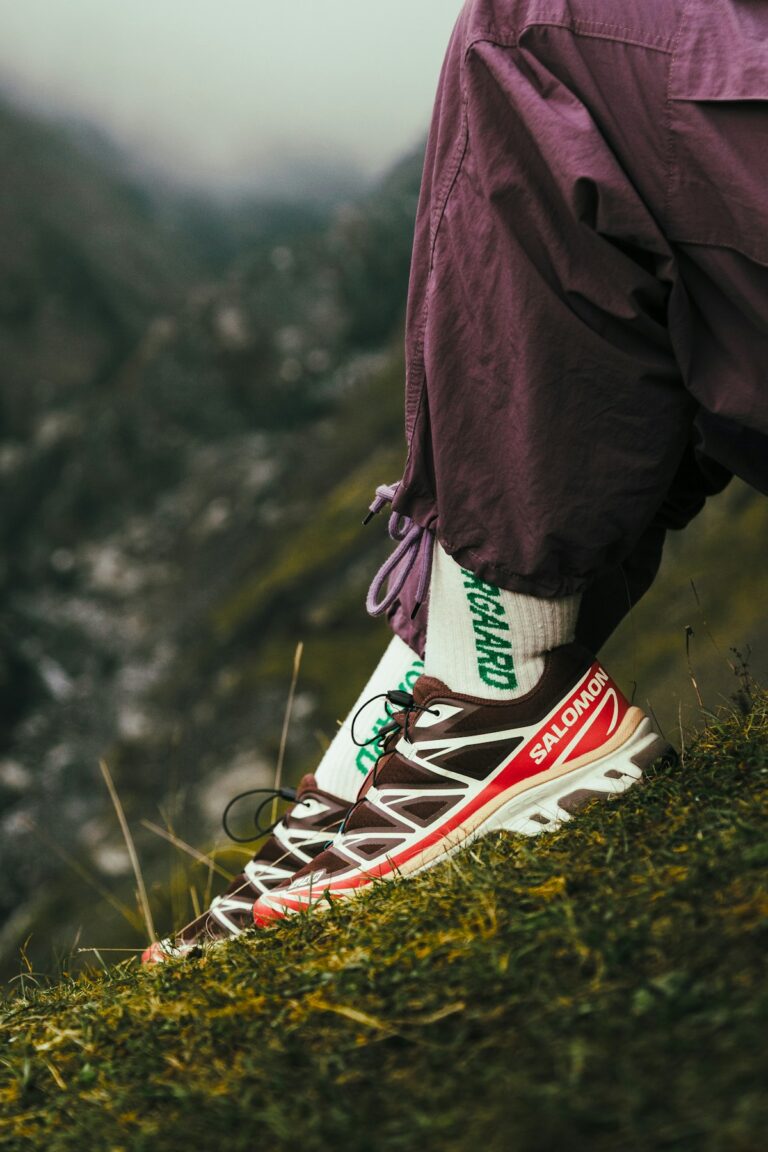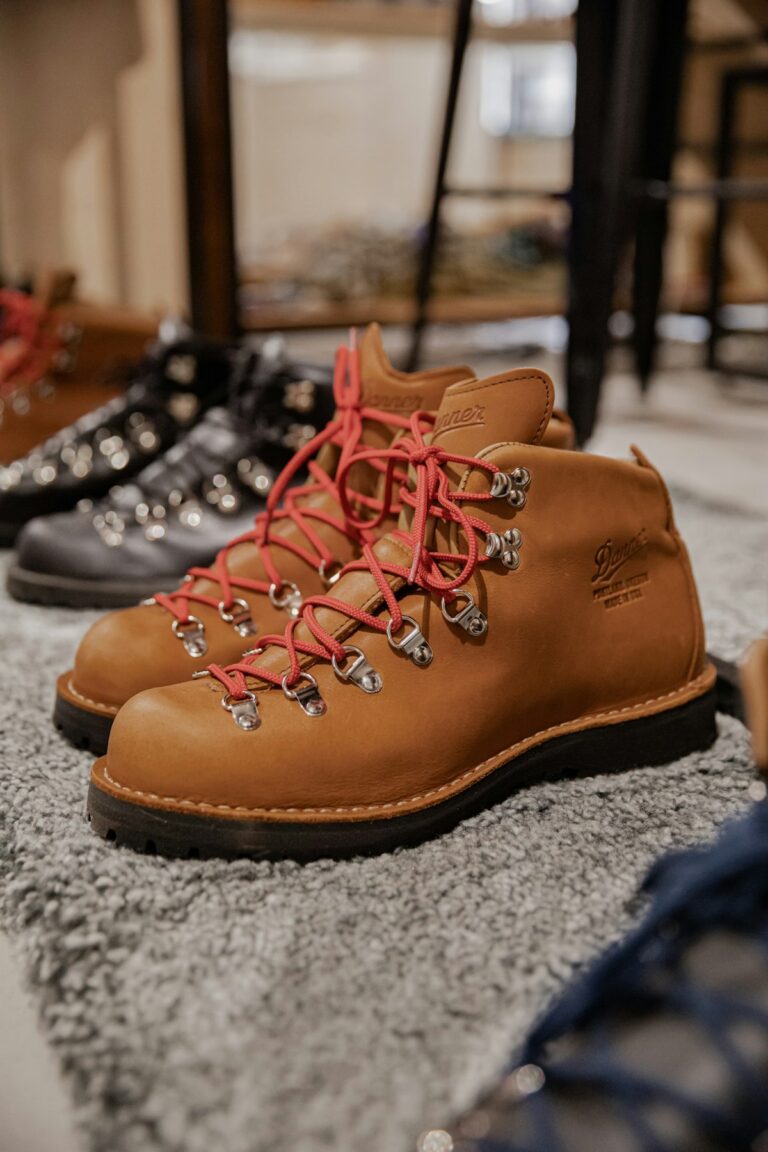

A hiking gear checklist Kenya hikers can rely on starts with the same core for every trail: broken-in boots, a waterproof jacket, a warm mid-layer, two to three litres of water, sun protection, a headlamp and a small first-aid kit. Add thermals, gloves and a sleeping bag as you climb higher or stay out overnight.
The hard part is that Kenyan hiking covers huge swings in conditions. The same month can mean hot, dusty sun on the Mt Longonot crater rim, cold drizzle on the Aberdare moorland and frost at Point Lenana. Below, the hiking gear checklist Kenya trails call for is broken down by trail type and by gear category, with links to our deeper guides and to the pieces you can pick up in Nairobi.

Quick Facts: Hiking Gear Checklist Kenya
- Core kit for any Kenyan hike: boots, rain jacket, fleece, 2-3 litres of water, hat, sunscreen, headlamp, first-aid kit and snacks.
- Day hikes near Nairobi: a 20-30 litre daypack holds everything for Ngong Hills, Mt Longonot or Ol Donyo Sabuk.
- High Aberdare days (3,000-4,000 m): add waterproof trousers, gaiters, gloves and a warm hat for wet, cold moorland.
- Mt Kenya summit (Point Lenana, 4,985 m): add thermals, a down jacket, insulated gloves, a balaclava and a sleeping bag rated for freezing nights.
- Rainy seasons: long rains run roughly March to May and short rains roughly October to December; pack rain gear on every trip in those months.
- Where to buy in Nairobi: Mountain Mall, 3rd Floor, Shop D39, Thika Road, or order online with M-Pesa or cash on delivery.
Hiking Gear Checklist Kenya: The Core Kit for Every Trail
Every trail in Kenya, from Karura Forest to Mt Kenya, calls for the same ten-item base: footwear, a rain layer, a warm layer, water, food, sun protection, light, first aid, navigation and a way to call for help. Everything else on a hiking gear checklist Kenya trips need is an add-on for altitude, rain or nights out.
That base is close to the well-known “ten essentials” list that the US National Park Service recommends for any hike: navigation, sun protection, extra clothing, illumination, first aid, fire, a repair kit, food, water and emergency shelter. Kenya adds two twists: equatorial sun that is fierce above 2,000 m even when the air feels cool, and afternoon storms that build quickly over the highlands.
Use the table below as the hiking gear checklist Kenya day hikers should run through the night before any trip. If an item is missing, the right-hand column tells you why it matters here.
| Item | Why it matters on Kenyan trails |
|---|---|
| Mid-cut hiking boots with lugged soles | Loose volcanic gravel on Longonot, red-soil mud in the forests and rocky ridges on Ngong Hills all punish trainers. |
| Merino or synthetic hiking socks | Cotton holds sweat and causes blisters on long descents; a spare pair helps on wet days. |
| Waterproof rain jacket | Highland storms can arrive within an hour, even in the drier months. |
| Fleece or light insulated jacket | Early starts, summits and windy ridges are cold, even near Nairobi. |
| 2-3 litres of water | Most day trails have no safe water on route; Longonot and Ol Donyo Sabuk are hot and exposed. |
| Snacks and lunch | There are no kiosks on the trail; eat a little every hour to keep energy steady. |
| Wide-brim hat, sunglasses and sunscreen | Equatorial sun at altitude burns quickly, and many routes have little shade. |
| Headlamp | Delays happen, and the sun sets close to 6:30-7:00 pm all year near the equator. |
| Small first-aid kit | Blister plasters, bandage, pain relief and any personal medicine. |
Park fees change from time to time, so confirm current charges with Kenya Wildlife Service or Kenya Forest Service before you travel.
What Gear Do You Need for Each Type of Hike in Kenya?
Kenyan hikes fall into four groups: day hikes near Nairobi, long high day hikes, overnight camping and multi-day climbs. Each keeps the core kit and adds items for cold and rain.
Day hikes near Nairobi
Day hikes such as Karura Forest, Ngong Hills, the Mt Longonot crater rim and the Ol Donyo Sabuk climb need only the core kit, so the hiking gear checklist Kenya day hikers use is simply the table above. Heat and sun are the main problems, not cold. Longonot’s roughly 13.5 km crater rim loop is loose, dusty volcanic ground, so grippy boots and water matter more than layers. See our day hikes near Nairobi for a first outing.
Long, high day hikes in the Aberdares
Aberdare hikes such as Elephant Hill, the Table Mountain hike and the Oldoinyo Lesatima climb reach roughly 3,000-4,000 m. Expect cold mist, bog and long hours, so the hiking gear checklist Kenya moorland hikers carry grows: add waterproof trousers, gaiters, gloves, a warm hat and a full fleece to the core kit.
The usual mistake is dressing for Nairobi weather. A soaked cotton T-shirt in wind at 3,500 m is miserable and risky, so pack a dry base layer in a plastic bag for lunch or the drive home.

Overnight camping trips
Camping adds a sleeping system, a stove and a bigger pack to the list. Sites such as Hell’s Gate, Lake Naivasha and the Aberdare foothills get cold after dark, so the hiking gear checklist Kenya campers follow should include a sleeping bag rated for the coldest night, a sleeping mat, a warm hat, a headlamp with a full charge and a gas stove with a spare cartridge. Our camping gear guide covers tents and cooking in more detail.
Mt Kenya and Kilimanjaro climbs
Summit climbs need the fullest hiking gear checklist Kenya climbers ever pack: thermal base layers, a fleece, a down or synthetic insulated jacket, a waterproof shell, insulated gloves, a balaclava, a sleeping bag for below-freezing nights and a headlamp for the pre-dawn summit push. Point Lenana stands at 4,985 m and Kilimanjaro’s Uhuru Peak at 5,895 m, and nights near the top are often well below freezing.
For the mountain-specific version of the hiking gear checklist Kenya climbers need, see what to pack for hiking Mt Kenya, our Kilimanjaro gear checklist and the guide to buying Mt Kenya gear in Nairobi.
This table sums up how the hiking gear checklist Kenya hikers start from grows with each type of trip.
| Hike type | Examples | Add to the core kit |
|---|---|---|
| Day hike under 2,500 m | Karura, Ngong Hills, Longonot, Ol Donyo Sabuk | Trekking pole, extra water, sun hat |
| High day hike, 3,000-4,000 m | Elephant Hill, Table Mountain, Oldoinyo Lesatima | Rain pants, gaiters, gloves, warm hat, spare base layer |
| Overnight camping | Hell’s Gate, Naivasha, Aberdare foothills | Sleeping bag, mat, stove and gas, bigger pack |
| Multi-day summit | Mt Kenya, Kilimanjaro | Thermals, down jacket, insulated gloves, balaclava, sub-zero sleeping bag |
How Do You Choose Each Item on a Kenyan Hiking Kit List?
Choose each item by the worst conditions you expect, not the average day. A jacket that copes with a cold Aberdare downpour also handles a mild Ngong Hills morning, but not the other way round.
Hiking gear checklist Kenya: boots and socks
Mid-cut boots with a deep-lugged rubber sole and a waterproof membrane suit most Kenyan trails, from forest mud to volcanic scree. Fit matters more than brand: try boots in the afternoon, wearing hiking socks, with a thumb’s width of space in front of your toes.
Waterproof options we list include the Quechua waterproof hiking boot, the Keen Targhee Mid waterproof boot and the Lowa Renegade GTX Mid. Pair them with merino wool hiking socks. For more depth, read hiking boots for Kenyan trails, where to buy hiking boots in Nairobi and our hiking socks guide.
Hiking gear checklist Kenya: rain gear
A breathable waterproof jacket with taped seams and a hood is the one piece of rain gear every Kenyan hiker should own, and no hiking gear checklist Kenya hikers use should leave it out. On the Aberdares, Mt Kenya or any trip in the rainy months, add waterproof overtrousers so wet grass and bog do not soak you from the waist down.
Browse our rain jackets category and the waterproof rain pants for men and women. Our guides to rain jackets for hiking in Nairobi, waterproof rain pants and rainy season hiking gear explain the fabrics and features. Children can wear a light kids rain poncho.
Hiking gear checklist Kenya: warm layers
Most Kenyan day hikes need one warm layer, usually a fleece. High Aberdare days need a fleece plus a spare base layer, and Mt Kenya or Kilimanjaro need three: a thermal base, a fleece and an insulated down or synthetic jacket under a waterproof shell.
Warm layers fill the most lines on any hiking gear checklist Kenya summit climbers write. Layers let you add and shed warmth as you climb and rest. The principles are set out in our posts on layering for cold weather hikes, hiking jackets, thermal wear in Nairobi and what to wear hiking in Kenya. For the coldest summits, our post on fleece-lined summit pants covers keeping your legs warm.
Hiking gear checklist Kenya: backpacks and water
A 20-30 litre daypack with a hip belt and a rain cover holds everything on the hiking gear checklist Kenya day hikes need. For long, hot days, a hydration pack with a 3-litre bladder lets you sip without stopping, which helps on exposed trails like Longonot.
We list a 28L day hiking backpack and a 3L hydration backpack. Our hiking backpacks guide compares daypacks, hydration packs and larger trekking packs. Line any pack with a strong plastic bag; rain covers alone rarely beat a highland downpour.
Hiking gear checklist Kenya: headlamps, poles and gaiters
These three small items solve specific Kenyan problems. A headlamp covers late finishes and the pre-dawn summit push on Mt Kenya. Trekking poles save your knees on steep descents such as the Longonot rim. Gaiters keep mud, wet grass and scree out of your boots on Aberdare bogs and Mt Kenya’s upper slopes.
Look at the waterproof rechargeable headlamp, the ultralight foldable trekking pole and our waterproof leg gaiters. Keep the headlamp charged and in the lid pocket where you can reach it fast.
Hiking gear checklist Kenya: sun and cold accessories
Accessories weigh little and fix two opposite problems: equatorial sun and summit cold. A wide-brim hat, UV400 sunglasses and sunscreen protect you on open trails, while waterproof gloves, a warm hat and a balaclava keep fingers, ears and face working above 3,500 m.
Our wide-brim safari hiking sun hat and Thinsulate waterproof hiking gloves cover both ends of that range. For cold, windy summits, read about the winter trapper hat, which covers ears and neck.
Hiking gear checklist Kenya: sleeping bags and gas
Choose a sleeping bag by its comfort rating against the coldest night of your trip, and a gas cartridge that matches your stove’s fitting. Mixing up screw-on and pierceable cartridges is a common mistake.
Our sleeping bags guide explains temperature ratings, and the posts on the mummy down sleeping bag and the Coleman C300 gas cartridge go into those specific items.
Gear up for your next hike
Shop quality hiking and outdoor gear at great prices — from socks and gloves to hats, balaclavas and camping fuel. Everything you need for Kenya’s trails, delivered fast.
Where Can You Buy Hiking Gear in Nairobi?
You can buy every item on a hiking gear checklist Kenya trails demand at our shop: Mountain Mall, 3rd Floor, Shop D39, Thika Road, Nairobi. We sell quality thrifted (pre-owned) gear plus some new items, which keeps good boots, jackets and packs affordable.
Mountain Mall sits on Thika Road near Kasarani, Garden Estate and Thome, an easy car or matatu ride from the CBD. The shop is open Monday to Friday, 8:30 am to 6:00 pm, and Saturday, 9:00 am to 2:00 pm, with Sunday visits by appointment. Come in person to try boots on at Shop D39 in Mountain Mall, especially footwear, where fit matters most.
If you cannot get to Thika Road, the hiking gear checklist Kenya hikers bring to our counter works just as well online: order through the online shop and pay with M-Pesa or cash on delivery. Our posts on thrifted outdoor gear in Nairobi and the best hiking gear to buy in Nairobi explain why pre-owned kit from big outdoor brands is such good value.
What should you look for when buying hiking gear?
Whether new or thrifted, every item the hiking gear checklist Kenya hikers follow should pass a quick check before you pay. The table below works in any shop.
| Gear | What to look for |
|---|---|
| Boots | Deep lugs with plenty of tread left, no separation where sole meets upper, firm heel cup, room for toes on a downhill. |
| Rain jacket | Taped seams, a hood that fits over a hat, working zips and storm flap, intact inner coating. |
| Fleece and down | Even loft with no flat or empty baffles, smooth zip, cuffs that still grip. |
| Backpack | Padded hip belt, adjustable straps, buckles that click firmly, a back length that suits your torso. |
| Sleeping bag | Comfort rating for your coldest night, full-length zip that runs freely, no clumped filling. |
| Headlamp | Bright and dim modes, a charging port that fits your cable, a strap that stays put. |
Hiking Gear Checklist Kenya: The Night Before
- Charge: headlamp, phone and power bank.
- Fill: water bottles or the hydration bladder, then check the bladder for leaks.
- Check the forecast: if rain is likely, move rain pants and gaiters into the pack.
- Line the pack: put spare clothes in a dry bag or strong plastic bag.
- Lay out your boots and socks: never take brand-new boots on a long hike.
- Pack ID and cash: for park gates, checkpoints and the ride home.
How Does the Season Change Your Kit List?
Season decides how much rain gear and warmth the hiking gear checklist Kenya hikers follow should include. In the long rains (roughly March to May) and short rains (roughly October to December), a full waterproof jacket, rain pants and gaiters belong on every hike, and afternoon storms are common in the highlands.
The drier months, roughly January to February and June to September, bring clearer skies, though June to August mornings around Nairobi are chilly and often overcast. For wet-weather technique as well as kit, read hiking in the rain safely.

Use this month-by-month view next to the main hiking gear checklist Kenya table at the top of the page.
| Months (approximate) | Typical conditions | Kit priority |
|---|---|---|
| January-February | Mostly dry and sunny | Sun hat, sunglasses, extra water |
| March-May | Long rains, muddy trails | Rain jacket, rain pants, gaiters, pack liner |
| June-September | Drier, cool mornings, cold nights up high | Fleece, thermals, gloves, warm sleeping bag |
| October-December | Short rains, afternoon storms | Rain jacket, rain pants, early start |
What Do First-Time Hikers in Kenya Usually Forget?
First-time hikers in Kenya most often forget enough water, a warm layer and a headlamp. Those three gaps cause most of the tired, cold or late finishes we see on beginner trails, and all three are cheap to fix.
Other common mistakes are just as easy to avoid with a hiking gear checklist Kenya beginners can tick off:
- Wearing brand-new boots on a long hike; break them in on short Karura Forest walks first.
- Choosing cotton. Jeans and cotton T-shirts stay wet and cold after sweat or rain.
- Packing without a liner, so one storm soaks spare clothes and phone.
- Skipping sunscreen on cloudy days; equatorial sun burns through thin cloud.
- Bringing too little food for a 6-8 hour Aberdare day.
- Leaving the headlamp at home because the hike “ends by lunch”.
If you are new to the trails, our post on hiking for beginners in Kenya covers fitness, pacing and choosing a first route.

Can you hike in Kenya with budget gear?
You can hike most Kenyan trails with modest, well-chosen gear. Spend first on boots and a rain jacket, because those two items affect safety and comfort the most, then add warm layers and accessories as your hikes get higher.
Quality thrifted gear from big outdoor brands is an affordable way to build that kit in Nairobi. Use the hiking gear checklist Kenya tables above to see which items your next hike really needs, and skip what it does not.
Ready to hit the trail?
Join one of our upcoming guided hikes — from beginner-friendly day hikes to longer treks across Kenya’s best routes.
Frequently Asked Questions
What do I actually need for my first hike in Kenya?
The hiking gear checklist Kenya first-timers need is short: comfortable boots or sturdy trail shoes, hiking socks, a rain jacket, a light fleece, two to three litres of water, snacks, a sun hat, sunscreen, a charged phone and a small first-aid kit. Carry it all in a 20-30 litre daypack. Add a headlamp, because even short hikes can finish late when the group moves slowly.
Do I need hiking boots, or are sneakers fine for Ngong Hills?
Sneakers can manage Ngong Hills in dry weather, but hiking boots are safer and more comfortable. The ridge has steep, rocky and sometimes muddy sections, and boots give better grip and ankle support. For Mt Longonot’s loose gravel, the Aberdares or Mt Kenya, hiking boots with deep lugs are strongly recommended rather than optional.
How much water should I carry on a day hike?
Two to three litres of water suits most day hikes in Kenya. Carry the upper amount on hot, exposed trails such as Mt Longonot and Ol Donyo Sabuk, and on any hike longer than five hours. Most day routes have no safe drinking water along the way, so fill up before you leave Nairobi and drink steadily rather than waiting for thirst.
Is a hiking gear checklist for Mt Kenya different from a day-hike list?
Yes, a Mt Kenya checklist is much longer than a day-hike list. It keeps the same core kit but adds thermal base layers, an insulated down jacket, insulated gloves, a balaclava, a sleeping bag rated for below-freezing nights and a reliable headlamp for the early summit start. Read our dedicated Mt Kenya packing list before you climb.
Can I buy all my hiking gear in one shop in Nairobi?
Yes, the hiking gear checklist Kenya hikers use can be filled in one Nairobi shop. Hiking Outdoor Gear Hub at Mountain Mall on Thika Road stocks boots, socks, rain gear, fleeces, thermals, backpacks, headlamps, trekking poles, gloves, hats, sleeping bags and gas cartridges. You can also order online and pay by M-Pesa or cash on delivery.
Final Thoughts
Packing well for Kenyan trails is mostly about planning for the worst hour of the day, not the average one. Keep the core kit constant, then add rain gear in wet months and warmth as you climb. A good hiking gear checklist Kenya hikers keep by the door saves forgotten headlamps and cold, soaked afternoons.
Pick your next trail, run through the hiking gear checklist Kenya tables above the night before, and fill any gaps at our Mountain Mall shop or online before the weekend.
Not sure what’s missing from your pack?
Our team can help you choose the right gear, answer your hiking questions and get your order dispatched quickly. Message us for a quick, straight answer.