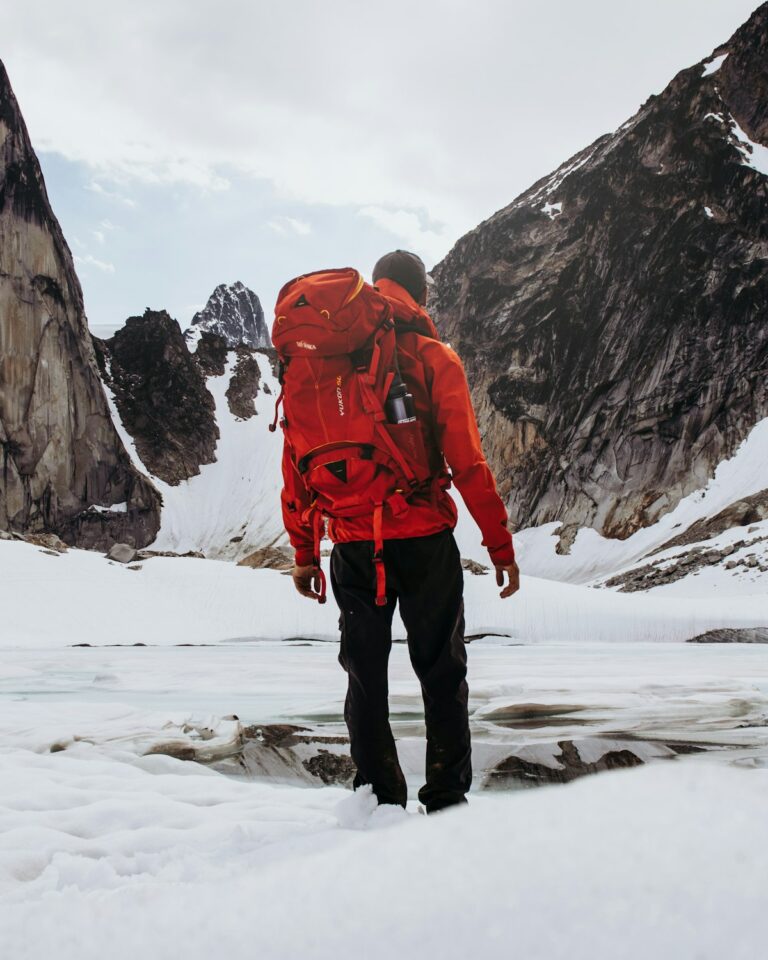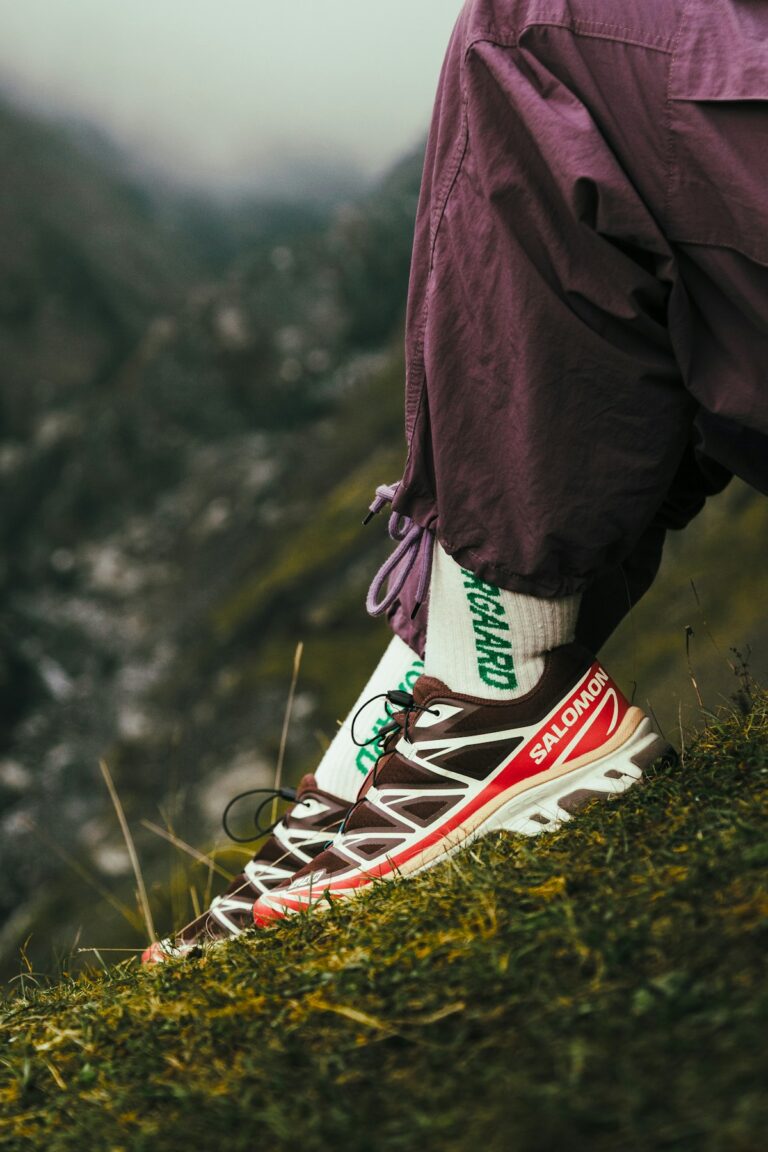
July is Nairobi’s coldest month, with the Kenya Meteorological Department warning of lows near 10-12°C, and thermal wear in Nairobi is how hikers get through those dawn starts and the far colder nights on the mountains. Choose a snug merino or polyester base layer: lightweight for Ngong Hills, midweight or fleece-lined for the Aberdares and Mt Kenya.
Plenty of hikers shiver on summit night in a cotton vest and a heavy sweater, then sweat through both on the descent. Below: how cold Kenyan trails get, merino versus synthetic, fabric weights, fit, care, and where to find thermal wear in Nairobi without paying new-gear prices.

Quick Facts
- What thermals are: a close-fitting base layer (top and leggings) worn against the skin to move sweat away and hold body heat
- Coldest month in Nairobi: July, with Kenya Met lows of about 10-12°C across the eastern highlands
- Mountain cold: air cools by roughly 6.5°C per 1,000 m, so Point Lenana (4,985 m) sits far below Nairobi’s 1,795 m temperatures
- Fabric weights: lightweight 125-200 g/m², midweight 200-300 g/m², heavyweight above 300 g/m²
- Avoid: cotton next to the skin, because it stays wet and pulls heat away
- Where to buy thermal wear in Nairobi: Mountain Mall, 3rd Floor, Shop D39, Thika Road, or online with M-Pesa or cash on delivery
How Cold Do Kenyan Hikes Get?
Kenyan hikes get cold mainly because of altitude, not season. A Ngong Hills sunrise feels chilly, Aberdares moorland can drop near freezing, and Mt Kenya’s high camps fall well below zero.
Nairobi sits at about 1,795 m, and every 1,000 m you climb costs roughly 6.5°C before wind makes it feel colder. So the right base layer depends on the hike, not the calendar. Use this table to match thermal wear in Nairobi shops to the trail you have planned.
| Hike | Top altitude | What to expect | Thermal layer |
|---|---|---|---|
| Ngong Hills, Karura dawn walks | About 2,460 m | Cool, windy ridge at sunrise | Lightweight top, often none below |
| Mt Longonot | 2,776 m | Cool start, hot exposed rim by midday | Lightweight top you can strip off |
| Elephant Hill, Aberdares | About 3,658 m | Mist, drizzle and cold wind on top | Midweight top, light leggings |
| Mt Kenya: Shipton’s Camp to Point Lenana | 4,200-4,985 m | Below freezing on summit night | Midweight or fleece-lined top and leggings |
Our layering for cold weather hikes post shows how thermals work with fleece and a shell, and what to wear hiking in Kenya covers the rest of your clothing.
Merino or Synthetic: Which Thermal Wear in Nairobi Suits You?
Merino suits hikers who want warmth and little smell over several days; synthetic suits those who sweat hard and want fast drying for less money. Both beat cotton.
What merino does well
Merino is the premium end of thermal wear in Nairobi. It holds warmth when damp and resists odour, so one top can last a four-day Mt Kenya trek. It costs more, dries slower and can wear thin at the shoulders under pack straps.
What synthetic does well
Polyester and polypropylene thermals are tough, cheaper and dry quickly on a line at camp. They wick sweat fast, which suits steep climbs such as the Longonot crater wall. The trade-off is smell after a day or two.
And blends or fleece-lined thermals?
Blends, common among thrifted thermal wear in Nairobi, sit between the two on price and smell. Fleece-lined thermal pants add a brushed inner face that traps more air, so they suit slow, cold hours such as summit night or evenings at camp.
| What matters | Merino | Synthetic | Fleece-lined |
|---|---|---|---|
| Warmth when damp | Good | Fair | Good while dry inside |
| Drying time | Slower | Fast | Slowest |
| Odour after two days | Low | Noticeable | Noticeable |
| Durability | Lower | High | High |

Which Fabric Weight Do You Need?
Pick the weight of your thermal wear in Nairobi by how hard you will work and how cold it will be. Lightweight suits active day hikes, midweight covers most mountain days, and heavyweight is for slow, very cold hours.
- Lightweight (about 125-200 g/m²): breathes best and dries fastest. Good for Ngong Hills, Karura and Longonot.
- Midweight (about 200-300 g/m²): the most useful single choice, covering the Aberdares, Mt Kenya’s lower days and cold July mornings.
- Heavyweight (above 300 g/m²) and fleece-lined: for summit night or sitting still at a cold camp. Too warm for steady climbing low down.
Thrifted labels often show the weight as a number such as 150, 200 or 260. With no label, hold the fabric to the light; if you see through it easily, treat it as lightweight. For most hikers, the most useful thermal wear in Nairobi is one midweight top plus leggings.
How Should a Thermal Base Layer Fit?
A thermal base layer should fit close to the skin without squeezing. Fabric needs contact with your body to move sweat outward, so a loose top works far less well.
Trying thermal wear in Nairobi in person beats guessing a size online. Raise your arms: the hem should stay below your waistband and the cuffs at your wrists. Flat seams matter under a pack strap. Squat once in the leggings; they should not slide down or bunch behind the knee. European cuts run slim, so between sizes take the one that still lets you breathe deeply.
What to look for when buying thermal wear in Nairobi
| Check | What good looks like |
|---|---|
| Fibre label | Merino, polyester, polypropylene or a blend; no cotton |
| Fabric weight | Matches your hike: light for day walks, mid for mountains |
| Seams | Flat seams, none sitting on top of the shoulder |
| Stretch | Springs back after a gentle pull at the cuff and waistband |
| Thrifted merino | No holes or very thin patches at elbows and shoulders |
| Length | Top stays tucked when arms are raised; leggings reach the ankle |
Where Can You Get Thermal Wear in Nairobi?
You can get thermal wear in Nairobi at our shop on the 3rd Floor of Mountain Mall, Shop D39, on Thika Road, or order online and pay with M-Pesa or cash on delivery.
Mountain Mall is a short ride from Kasarani, Garden Estate and Thome, and Thika Road matatus stop close by. We open Monday to Friday 8:30am-6:00pm, Saturday 9:00am-2:00pm, and Sunday by appointment. Most of our thermal wear in Nairobi is quality thrifted gear, plus some new items, so branded base layers cost far less. The range covers fleece-lined thermal pants for men and women, thermal underwear and long johns; sizes change quickly, so message us to check.
Try tops and leggings on at our Mountain Mall shop beside Thika Road, and pair the thermals with the small items that keep heat in: a fleece-lined balaclava, Thinsulate waterproof gloves or fleece-lined mittens for summit night, and merino hiking socks.
Gear up for your next hike
Shop quality hiking and outdoor gear at great prices — from socks and gloves to hats, balaclavas and camping fuel. Everything you need for Kenya’s trails, delivered fast.
Pro Tips for Wearing Thermals on the Trail
- Start slightly cold: warm at the gate means soaked in 20 minutes
- Keep a dry set: on multi-day treks, save one top and leggings for sleeping only
- Leggings go on late: on Mt Kenya, add them at high camp, not at the park gate
- Head and hands: a balaclava and gloves save more warmth than a second top
How Do You Wear Thermals on Mt Kenya or Kilimanjaro?
On Mt Kenya or Kilimanjaro, wear a light thermal top while trekking, then add midweight or fleece-lined leggings and a second warm top for summit night, under fleece and a down or insulated jacket.
The Sirimon route starts mild between Sirimon Gate (about 2,650 m) and Old Moses Camp (about 3,300 m), so most hikers walk in a quick-dry shirt. At Shipton’s Camp (about 4,200 m) the dry set comes out. Summit night starts around 2:00-3:00am below freezing. Our Mt Kenya gear in Nairobi post lists the full kit, and the hiking gear checklist for Kenya covers every gear type.
Kilimanjaro’s Uhuru Peak (5,895 m) is colder again, so shop for heavyweight or fleece-lined thermal wear in Nairobi before that climb. Confirm current park rules and fees with the Kenya Wildlife Service before a Mt Kenya climb, or with Tanzania National Parks for Kilimanjaro.

Common Mistakes With Thermals, and How to Care for Them
The most common mistakes are wearing cotton underneath, putting thermals on too early, and washing merino hot. Each one costs warmth on the trail or shortens the life of the garment.
Cotton vests and tights, the usual stand-in for real thermal wear in Nairobi, hold sweat and chill you the moment you stop. Starting a climb fully dressed in thermals soaks the layer you need dry later.
Wash merino inside out on a cold, gentle cycle, skip softener and bleach, and dry it flat in the shade. Synthetics take a normal cool wash. Store both clean and dry, because moths go for damp wool. Looked after like this, thermal wear in Nairobi lasts many seasons, and thrifted pieces from strong brands often have years left in them.

Ready to hit the trail?
Join one of our upcoming guided hikes — from beginner-friendly day hikes to longer treks across Kenya’s best routes.
Frequently Asked Questions
Is thermal wear in Nairobi worth it for day hikes?
Most day hikes near Nairobi, such as Ngong Hills, Karura and Mt Longonot, do not need full thermals; a quick-dry shirt and a light fleece usually do. A lightweight thermal top helps on cold July mornings or windy ridges at dawn. Higher day hikes like Elephant Hill in the Aberdares are different, and a midweight top is worth carrying there.
Is merino better than polyester for thermals?
Merino is better for multi-day treks, because it stays warm when damp and resists odour for days. Polyester is better for sweaty day hikes and tight budgets, because it dries fast and lasts longer. Neither is better everywhere. For a first purchase of thermal wear in Nairobi, a synthetic set is cheaper, and a thrifted merino top is the upgrade.
Can I sleep in my thermals on Mt Kenya?
Sleeping in thermals on Mt Kenya is common and sensible, as long as they are a clean, dry set kept only for camp. Sweaty layers from the day chill you in the sleeping bag. Change into the dry top and leggings at Shipton’s or Mackinder’s Camp, add warm socks and a hat, and keep the trekking set to wear again next day.
How tight should thermal underwear be?
Thermal underwear should be snug against the skin all over, with no gaps at the lower back, but it should never restrict breathing or leave marks. A close fit lets the fabric pull sweat away and hold warm air. If you can pinch more than a centimetre of loose fabric at the waist or chest, try a smaller size.
Are second-hand thermals hygienic to buy?
Second-hand thermals are fine to wear once you wash them yourself before the first use, as with any pre-owned clothing. Look at the fabric rather than the price: elastic that springs back, no holes and no thin patches. Thrifted thermal wear in Nairobi usually costs a fraction of new, which puts a good merino top within reach of most hikers.
Final Thoughts
Altitude, not the month, decides how warm your base layer needs to be. Light synthetics cover most day hikes around the city; midweight merino or fleece-lined pieces belong on the Aberdares and Mt Kenya. Fit them snug, keep a dry set for camp, and keep cotton off your skin.
Write down the highest point on your next hike, then come and compare thermal wear in Nairobi at Mountain Mall, or order online with M-Pesa or cash on delivery.
Not sure which thermals will keep you warm on your next climb?
Our team can help you choose the right gear, answer your hiking questions and get your order dispatched quickly. Message us for a quick, straight answer.