
Cold and wet is the combination that ends hikes early — not just uncomfortably, but sometimes dangerously. The solution isn’t one heavy jacket; it’s a proper three-layer system that adapts as your body temperature and the weather change throughout the hike. Understanding layering for cold weather hikes means you can adjust on the trail instead of being stuck either sweating or shivering. Here’s exactly how it works.
Quick Answer: How Does Layering for Cold Weather Hikes Work?
A base layer moves sweat away from your skin, a mid layer (usually fleece) traps body heat, and an outer shell blocks wind and rain. Together, they let you adjust to temperature swings by adding or removing one layer at a time, instead of overheating or freezing in a single thick coat.
💡 Quick Fact: Most heat loss on a cold hike happens through sweat-soaked clothing, not through cold air alone — this is why moisture management in your base layer matters as much as insulation itself.
Getting layering for cold weather hikes right is less about owning expensive gear and more about understanding how each layer works together.
Layer 1: The Base Layer
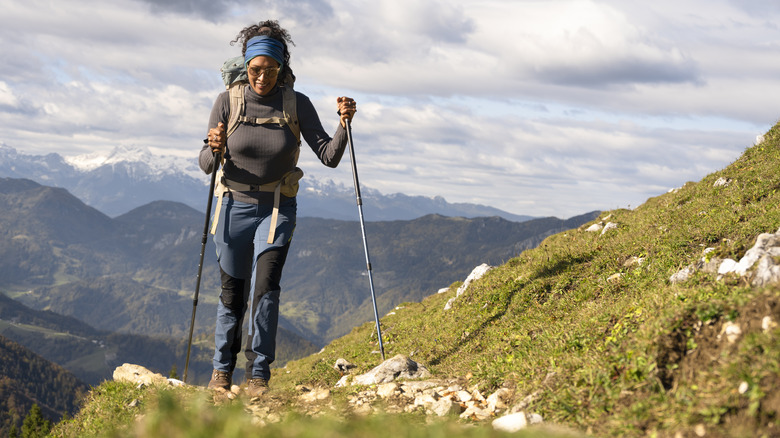
Your base layer sits directly against your skin and its only job is moisture management. Cotton is the wrong choice here — it holds sweat and gets cold fast, especially once you stop moving at a viewpoint or during a break. A moisture-wicking thermal top and thermal bottoms keep you dry, which matters more for warmth than the fabric’s actual insulation value.
Best for: Early morning starts, high-altitude hikes like Mt Kenya, and any hike where temperatures will shift significantly between the start of the trail and the summit or highest point.
Layer 2: The Mid Layer (Fleece)
The mid layer’s job is trapping the warm air your body generates. A fleece hiking jacket is the standard choice — lightweight, breathable, and easy to stuff into a daypack when you warm up on a climb. Down jackets offer more warmth for less bulk but perform poorly when wet, making fleece the safer all-rounder for Kenya’s variable hiking conditions, where a sudden shower is always a possibility.
Not sure whether to go fleece or down? The right mid layer really depends on your trail, the season, and how much pack space you have available. Tell us where you’re hiking and when, and we’ll walk you through the trade-offs between fleece and down for your specific trip, so you’re not overpaying for warmth you won’t actually need.
Layer 3: The Outer Shell
This layer blocks wind and rain so the layers underneath can keep doing their job. A dedicated rain jacket offers the best protection and breathability for active hiking; a waterproof poncho is a lighter, cheaper backup that also covers your backpack, which makes it a good addition even if you’re already carrying a rain jacket, particularly for multi-day treks where your spare layers need to stay dry too.
How to Layer for Different Kenyan Hikes
Ngong Hills or Karura Forest (Low Altitude, Short Hike)
A base layer and a packable rain jacket are usually enough — you likely won’t need the fleece unless you’re hiking early morning or the day is unusually overcast and windy.
Mt Longonot (Moderate Altitude, Half-Day Hike)
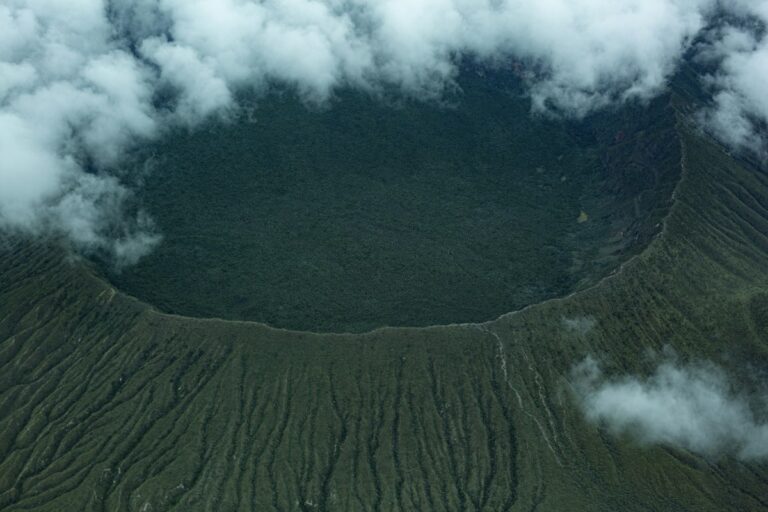
Start with a base layer, keep the fleece in your pack for the summit, and always carry a rain shell — weather changes quickly on the crater rim, sometimes within the same hour.
Mt Kenya (High Altitude, Multi-Day Trek)
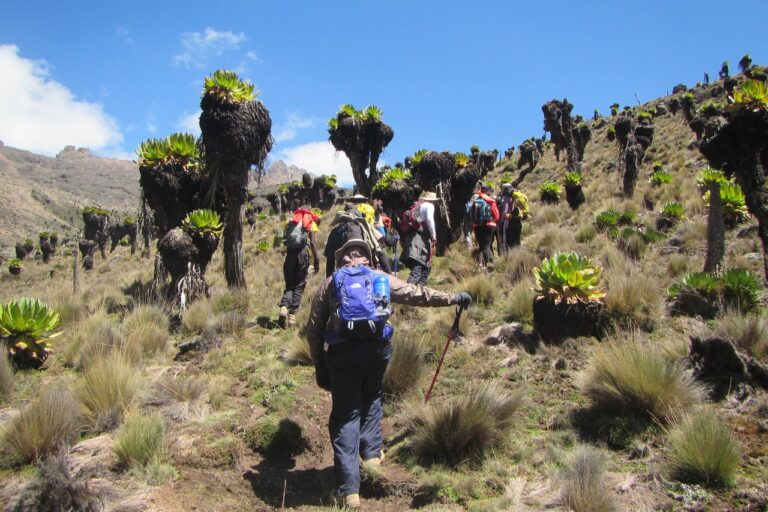
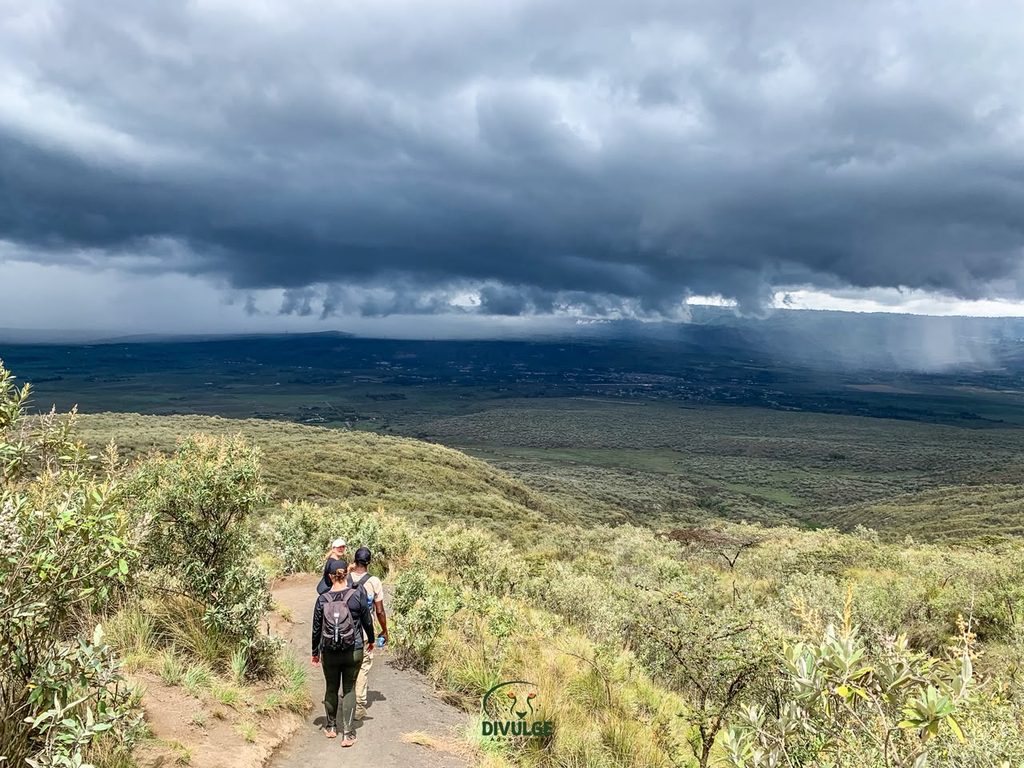
All three layers, worn or packed, at all times. Temperatures can swing from warm at the base to near-freezing at higher camps, often within the same day, which is why experienced trekkers never leave camp without their full layering system close at hand.
Common Layering Mistakes to Avoid
The most common mistake is wearing too much while climbing and then having nothing dry to change into once you stop. Sweat-soaked layers cool quickly the moment you’re no longer generating heat, which is when hikers start feeling genuinely cold. A good habit is to remove a layer just before you start feeling warm, rather than waiting until you’re already sweating — it’s easier to stay comfortable than to recover from being overheated or chilled.
Frequently Asked Questions
Can I skip the base layer and just wear a t-shirt under my fleece?
You can, but you’ll likely feel colder overall — a cotton t-shirt holds onto sweat and loses heat quickly once you stop moving, undoing much of the benefit of your fleece layer.
Is a down jacket better than fleece for Mt Kenya?
Down offers more warmth for its weight, but it performs badly if it gets wet. Many hikers carry a fleece as their main mid layer and a down jacket only for camp, once the rain risk has passed for the day making it one of the best way to go when layering for cold weather hikes.
Do I need a waterproof poncho if I already have a rain jacket?
It’s optional, but useful — a poncho covers your backpack too, keeping your spare layers and food dry during sustained rain, which a rain jacket alone won’t fully protect against.
How many layers should I actually be wearing while hiking uphill?
Often just one or two — most hikers overheat if they wear all three layers while actively climbing. Save the extra layers for summit stops, breaks, and the descent, when your body isn’t generating as much heat.
Build Your Layering System With Us
We stock thermal base layers, fleece jackets, rain jackets, and waterproof ponchos suited to everything from a Ngong Hills afternoon to a full Mt Kenya trek, so you can build a complete system rather than piecing it together from mismatched gear. Layering for cold weather hikes doesn’t need to be complicated once you understand how the three pieces work together.
Get a full layering recommendation for your next hike:
Send us your trail, trek dates, and rough budget, and we’ll put together a complete layering plan — base, mid, and outer shell — tailored to the conditions you’ll actually face, rather than a generic one-size-fits-all list.
Message Us on WhatsApp Email Us
Tell us your trail, dates, and budget — we’ll put together the right layers for you.