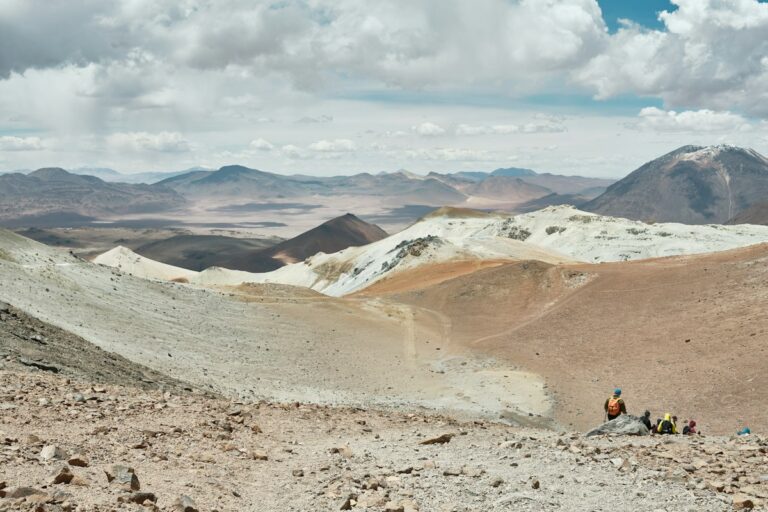

A sudden shower halfway round a Karura forest loop is exactly when a kids rain poncho proves its worth. This loose, hooded waterproof cape slips over a child’s clothes and small daypack in seconds, and on short family walks in Kenya’s rainy seasons it keeps a child’s core dry far more cheaply than a full jacket.
The catch is fit. Too small and it rides up over the backpack; too big and it flaps in the wind, hides the ground and snags on thorn bushes. Below you will find how to size one, which trails it suits, when a jacket is the better buy and how to keep a child warm once the rain stops.
Quick Facts
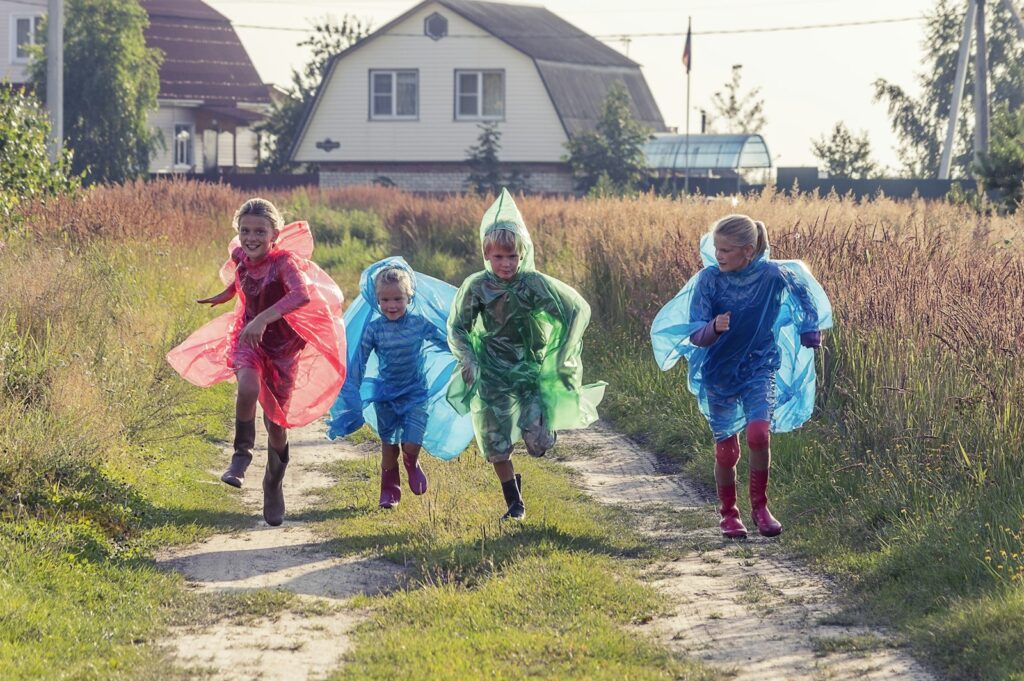
- What it is: a hooded, sleeveless or short-sleeved waterproof cape that covers a child from head to about the knees.
- Best use: day hikes and forest walks near Nairobi, such as Karura and the lower Ngong Hills, in showery weather.
- When it rains in Kenya: long rains roughly March to May, short rains roughly October to December.
- How to size it: by your child’s height, with enough length to cover the shorts or trouser tops and a small daypack.
- Why it matters: children lose body heat faster than adults, and wet clothing speeds that heat loss.
- Pack size: a lightweight kids rain poncho folds to roughly the size of a water bottle in its own pouch.
Why Do Children Get Cold So Fast in the Rain?
Children get cold faster than adults because they lose body heat more quickly and often keep playing without noticing they are chilled. Wet clothes make it much worse, since water pulls heat from the skin far faster than dry air.
The Mayo Clinic’s hypothermia overview lists both points: young children lose heat faster than grown-ups, and heat loss is much faster when clothes are wet. On a Kenyan trail that rarely means danger in a sheltered forest, but a soaked seven-year-old on a misty, windy ridge can turn from cheerful to shivering surprisingly fast.
Watch for early signs: shivering, quiet withdrawal, clumsy hands and stumbling. When you see them, stop, get the child into dry layers and out of the wind, and offer a warm drink and a snack before deciding whether to carry on.
Is a Poncho Better Than a Rain Jacket for Kids?
For short, gentle walks, a kids rain poncho often wins because it goes on quickly and covers the backpack too. For long, windy or steep hikes, a fitted rain jacket with rain trousers is the safer choice.
Children rarely want to stop, take off a pack and wrestle with a jacket zip while the first heavy drops land. A poncho goes over everything in one pull and lets air move underneath, so kids sweat less on humid afternoons. The table shows where that advantage ends.
| Situation | Poncho | Rain jacket |
|---|---|---|
| Quick shower on a forest walk | On in seconds, covers the daypack | Pack must come off first |
| Windy, open ridge | Flaps and lifts; needs a belt or cord | Stays put and blocks wind |
| Scrambling over rocks | Hides feet, can snag | Better visibility and movement |
| Cost and growth | Cheaper, fits for several years | Outgrown sooner |
Our longer comparison of when a rain poncho beats a rain jacket covers the adult side of the same decision.
How to Choose the Right Size Kids Rain Poncho
Size by height rather than age. A kids rain poncho should reach at least the knees with the hood up and a small daypack on, while the front hem stays clear of the shoes.
Many children’s ponchos are sold as one size that covers a height band, for example roughly 125 to 155 cm, so a single cape can last from about seven years into the early teens. Measure your child standing in socks, then compare that number with the label on the product page. Smaller children often need a dedicated toddler cape, because an oversized cape trails and trips them.
A quick fitting test at home
- Put on the daypack your child will actually carry, filled with a water bottle and a snack.
- Pull the kids rain poncho over the top and raise the hood. The back should cover the pack without lifting the front above the waist.
- Ask your child to lift both arms and crouch. Nothing should pull tight across the shoulders.
- Walk up a flight of stairs. If the front hem catches under the toes, it is too long.
What Should You Look For in a Children’s Poncho?
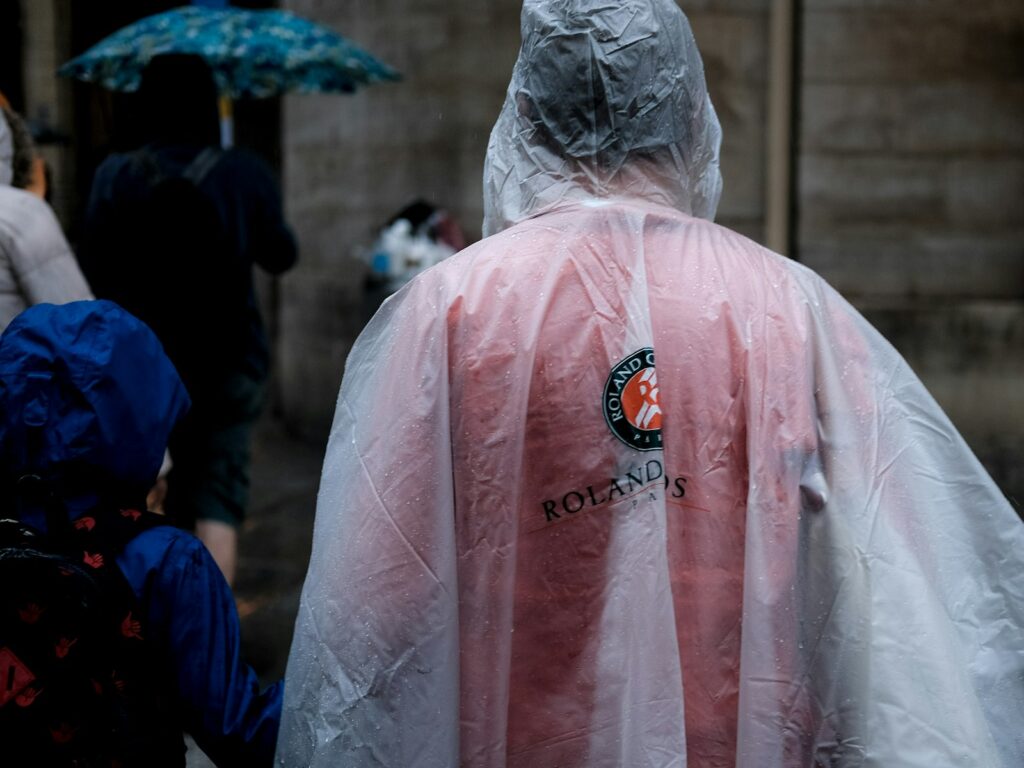
Look for a kids rain poncho with a drawstring hood, sealed seams, a fabric light enough for a child to carry, and bright colours so you can spot them in mist and forest shade.
Fabrics vary. Thin PVC or PEVA capes are cheap and fully waterproof, but they tear on thorns and stiffen in the cold. Coated nylon or polyester lasts longer and packs smaller, which is worth it if the kids rain poncho will see more than a few outings. Read the label rather than trusting the word “waterproof” alone, and check what the product page says about seams.
- Hood: a drawstring or elastic edge so it stays up when your child looks down at the path.
- Side snaps or sleeves: stop the sides blowing open, which matters on breezy hills.
- Colour: yellow, orange or bright blue stands out among trees far better than khaki or black.
- Pouch: a matching stuff sack keeps a wet cape from soaking everything else in the bag.
We sell quality thrifted gear plus some new items, so a good second-hand kids rain poncho costs far less than buying new. Our rain jackets and ponchos section lists what is currently available, alongside the adult waterproof rain poncho and the unisex rain poncho for parents who want to match the kids.
Gear up for your next hike
Shop quality hiking and outdoor gear at great prices — from socks and gloves to hats, balaclavas and camping fuel. Everything you need for Kenya’s trails, delivered fast.
Which Family Hikes Near Nairobi Suit a Kids Rain Poncho?
Sheltered forest walks and gentle hill paths suit a poncho best. Exposed ridges, rock scrambles and gorges call for a fitted jacket, or for choosing a drier day.
Karura Forest, inside Nairobi, is the easiest place to try out a kids rain poncho. The tree cover breaks most of the wind, the paths are wide, and the waterfall loop is short enough that a damp child is never far from the car. Our Karura Forest hike guide lists the loops and their lengths. Expect red mud on the trails after heavy rain, so pack spare socks.
The Ngong Hills are a different story. The ridge is open grassland and often windy, and a kids rain poncho can billow like a sail there unless you cinch it with a light belt or cord at the waist. Older children who walk the whole ridge are better off in a jacket. Our list of the best day hikes near Nairobi for beginners marks which routes are sheltered and which are exposed.
Avoid gorge walks such as the one at Hell’s Gate when rain is falling on the hills above, whatever your child is wearing, because narrow gorges can flood quickly. For wider safety advice on wet days, read our notes on hiking in the rain.
How Do You Keep a Child Warm Under the Poncho?
Dress in layers underneath: a quick-dry base layer, a light fleece, and trousers that are not cotton. The waterproof layer stops rain, but warmth comes from what your child wears beneath it.
Cotton jeans and tracksuits soak up water that splashes under the hem of a kids rain poncho, then stay cold for hours. Synthetic or wool trousers dry much faster. Pack a spare top and socks in a plastic bag so there is always something dry to change into at the car. Wool or synthetic socks inside closed shoes help too; our merino wool hiking socks stay warm even when damp, which suits older children with adult-size feet.
For the adults carrying the spare kit, a pack such as our 28L day hiking backpack has room for dry layers for two children, snacks and a flask. If you are building a full family kit, our hiking gear checklist for Kenya covers the rest, and our rainy season gear priorities explain what to buy first.
What are the common mistakes parents make?
- Waiting too long: put the kids rain poncho on at the first drops, before clothes underneath get damp.
- Buying far too big: a cape meant for “growing into” can trip a small child on a slope.
- Forgetting the legs: a poncho covers the body, but legs below the hem still get soaked in long grass.
Pro Tips for Rainy Family Hikes
- Let your child practise pulling on their kids rain poncho at home so it takes seconds on the trail.
- Tie a light cord or belt around the waist on windy, open hills.
- Keep it in the outside pocket of the daypack, not buried at the bottom.
- Pack a dry top, dry socks and a plastic bag for wet clothes in the car.
When Is Rainy Season in Kenya, and When Will Your Child Need It?
Kenya has two main rainy seasons: the long rains from roughly March to May and the short rains from roughly October to December. A kids rain poncho earns its place in the daypack through both.
This year’s short rains are forecast to run wetter than usual. In its outlook for October to December, the Kenya Meteorological Department placed Nairobi in the above-average rainfall category, with a strong El Niño developing and rain expected to continue into January. That makes now a sensible time to sort out a kids rain poncho before the next family outing, rather than on the morning of the hike.
How Do You Clean and Store a Child’s Rain Poncho?
Rinse off mud with cool water, wipe it with a mild soap if needed, and hang it to dry fully before folding. Never put a coated or PVC cape in a hot dryer or next to a jiko.
Heat damages waterproof coatings and can melt thin plastic. After a muddy Karura morning, rinse the cape at home and hang it indoors, away from strong sun, which slowly weakens the fabric. Store it loosely folded in its pouch inside the daypack, so it is always there when the next shower arrives.
Where Can You Buy a Kids Rain Poncho in Nairobi?
You can order one online and pay by M-Pesa or cash on delivery, or visit our shop to compare options. Bring your child along so you can run the fitting test on the spot.
To try one on in person, head to our Thika Road store inside Nairobi’s Mountain Mall, on the 3rd Floor at Shop D39, a short ride from Kasarani, Garden Estate and Thome. We are open Monday to Friday from 8:30am to 6:00pm and Saturday from 9:00am to 2:00pm, and Sunday visits are by appointment.

Ready to hit the trail?
Join one of our upcoming guided hikes — from beginner-friendly day hikes to longer treks across Kenya’s best routes.
Frequently Asked Questions
What age is a kids rain poncho for?
Children’s ponchos are usually sized by height rather than age. Many one-size children’s capes cover a band of roughly 125 to 155 cm, which suits most children from about seven into their early teens. Toddlers and younger children need a smaller cape, because a long hem trips them on slopes and stairs. Always check the height range on the label.
Can a kids rain poncho go over my child’s backpack?
Yes, most children’s ponchos are cut with extra length at the back so they fit over a small daypack. Check the fit with the pack actually on and loaded. If the back covers the pack but the front rises above the waist, the cape is too short for that bag. A small pack of 10 litres or less works best under a child’s poncho.
Are ponchos safe for kids on windy hikes?
A kids rain poncho is fine on most sheltered trails, but on open, windy ridges they can lift and block a child’s view of their feet. On hills like the Ngong ridge, cinch the cape at the waist with a cord or belt, or switch to a fitted rain jacket. Avoid ponchos entirely on rock scrambles where loose fabric could snag.
Is a plastic poncho good enough for hiking?
A thin plastic kids rain poncho is good enough for one or two short walks, but it tears easily on thorns and branches and stiffens in cold mountain air. For regular family hikes, a coated nylon or polyester cape lasts much longer, packs smaller and is easier to fold. Either way, keep a dry spare layer in the bag.
Final Thoughts
A cheerful child on a wet trail is mostly a dry, warm child. Choose a kids rain poncho by height, test it over the daypack at home, and dress in quick-dry layers underneath. Save the poncho for sheltered paths, and switch to a jacket for windy ridges and scrambles.
With the short rains still active, pick up a kids rain poncho before your next weekend walk and let your child practise pulling it on in the living room first.
Not sure which size poncho will fit your child and their backpack?
Our team can help you choose the right gear, answer your hiking questions and get your order dispatched quickly. Message us for a quick, straight answer.