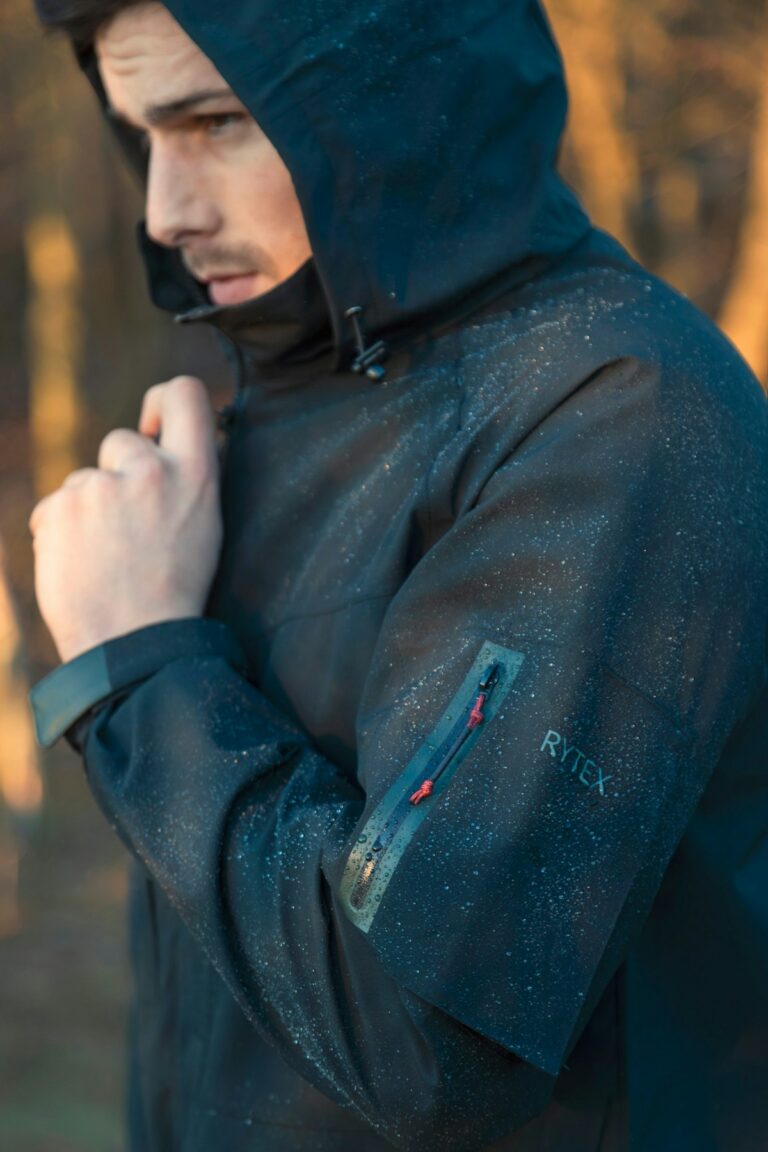

Short rains are falling over Nairobi again, and hiking in the rain through them is safe if you start early, keep out of gorges and dry riverbeds during storms, leave ridges at the first rumble of thunder and carry a dry warm layer. The rain itself rarely hurts anyone on Kenyan trails; flash floods, lightning, slick mud and cold do.
Kenya’s long rains run roughly March to May and the short rains roughly October to December. Kenya Met expected this season’s rains to reach Nairobi and the central highlands in the second to third week of October, with above-average falls forecast for October and showers lasting into January. That is a lot of wet weekends. Below you will find how to plan around the weather, which trails turn risky, what to wear, how to handle mud, rivers and thunder, how to spot hypothermia and how to look after your kit afterwards.

Quick Facts: Hiking in the Rain in Kenya
- Rainy seasons: long rains roughly March-May; short rains roughly October-December
- Storm timing: highland storms usually build after midday, so the safest hours on the trail are early morning
- Biggest hazard: flash floods in gorges and dry riverbeds, which can arrive from rain falling far upstream
- Lightning rule: if you can hear thunder, you are close enough to be struck; wait 30 minutes after the last rumble before moving onto high ground
- Cold risk: hypothermia can start well above freezing when you are wet, tired and in the wind, especially above 2,500 m
- Core kit: waterproof jacket, rain pants, boots with deep lugs, a spare warm layer in a dry bag and a headlamp
Is Hiking in the Rain Safe in Kenya?
Hiking in the rain is safe in Kenya on a well-marked trail when you are dressed for it and watching the sky. It stops being safe in thunderstorms, during heavy downpours in or near gorges and rivers, and once someone in your group is cold and cannot get dry.
Think of rain as a reason to plan more carefully rather than a reason to cancel every weekend from October to December. Some of the best hiking near Nairobi happens in the wet months, and hiking in the rain has its rewards: the dust settles, the Ngong Hills turn green, the crowds thin out and the light after a shower is sharp and clear. The tips below for hiking in the rain are grouped by the hazards that actually cause trouble here, and our rainy season hiking gear guide covers the kit side in more depth.
Which Kenyan trails get risky after heavy rain?
Trails through narrow gorges, along riverbeds, on steep loose slopes or across exposed ridges carry the most risk when you are hiking in the rain. Hell’s Gate’s gorge, crater rims such as Mt Longonot and high moorland in the Aberdares and on Mt Kenya all deserve extra caution during the rains.
Gorges are the clearest example of why hiking in the rain needs local knowledge. Water can pour into a gorge from storms that broke kilometres away while the sky above you stays grey but dry. In September 2019, a flash flood in the gorge at Hell’s Gate National Park swept away a group of visitors and killed several people, and the Kenya Wildlife Service closed the gorge, as Al Jazeera reported. Volcanic trails like the one in our Mt Longonot hike guide turn into loose, sliding ash when wet.
| Trail type | Kenyan examples | What changes in the rain | What to do |
|---|---|---|---|
| Gorges and riverbeds | Hell’s Gate gorge, seasonal luggas | Flash floods from upstream storms | Stay out whenever rain is falling nearby or upstream; obey ranger closures |
| Volcanic slopes and crater rims | Mt Longonot, Mt Suswa | Ash and scree slide; rims are exposed to lightning | Start early, use poles, skip the rim loop if storms are building |
| Grassy ridges | Ngong Hills, Kijabe Hills | Slippery grass and red soil; no shelter from thunder | Be off the high points by early afternoon |
| Highland forest and bamboo | Elephant Hill, Aberdares, Kinangop | Deep mud, wet roots, cold mist | Gaiters, a spare warm layer and a firm turnaround time |
| High moorland | Mt Kenya, Satima | Cold rain, hail and poor visibility | Full waterproofs, insulation and a guide |
How Do You Plan a Hike When the Rains Are Due?
Plan for hiking in the rain by checking the forecast for the hike area the evening before and at dawn, starting early, choosing a shorter route with easy exits and telling someone your plan and return time. Then set a turnaround time and keep to it.
Most problems with hiking in the rain start before anyone leaves Nairobi: a late start, an over-ambitious route, or nobody at home knowing where the group went. The Kenya Meteorological Department publishes daily county forecasts, seasonal outlooks and heavy-rain advisories, and they are worth a two-minute read before any hiking in the rain.
- Check the forecast for the county you are hiking in, not just Nairobi, the evening before and again at dawn.
- Be walking by 7:00-8:00am, so you are heading down before afternoon storms build.
- Choose a route with a clear path, easy exit points and no gorge sections or river crossings.
- Share your route, group size and expected return time with someone at home.
- Agree a turnaround time and agree that anyone in the group can call a retreat without argument.
- Charge your phone, pack a headlamp and save the park or forest station number before you leave.
How do you read a Kenyan rain forecast for hiking?
Read a Kenyan forecast for timing, not just for the word “rain”. A forecast of afternoon thunderstorms in the highlands usually means a dry, often sunny morning followed by cloud building from late morning, which suits an early start and an early finish.
Morning rain is a different story. Rain falling at 7am, or several wet days in a row, means saturated ground, rising streams and slick murram roads to the trailhead. Swap a steep crater for a gentler forest walk on days like that, or move the hike. For hiking in the rain on Mt Kenya or the Aberdares, remember that the mountain makes its own weather: cloud and drizzle can sit on the upper slopes while Nairobi bakes.
Should you hike with a group in the rain?
Hiking with a group or a guide is safer in the rain, because someone can help if you slip, get cold or lose the path in mist. Experienced guides also know which sections flood, which bridges wash out and where the easy exits are.
If you are new to hiking in the rain, a guided group hike lets you learn good habits on the trail rather than the hard way. Our guide to hiking for beginners in Kenya explains how to build up to longer days, and our list of the best day hikes near Nairobi includes gentler routes that stay manageable when wet.
Five Rules for Hiking in the Rain Once You Are on the Trail
Five rules cover most emergencies while hiking in the rain: stay out of gorges and riverbeds in storms, get off high ground at the first thunder, slow down on mud, never cross a rising river, and add a layer before you feel cold. Each one is explained below.
Rule 1: How do you stay safe from flash floods?
Stay safe from flash floods by keeping out of gorges, narrow valleys and dry riverbeds whenever rain is falling nearby or upstream. Warning signs include a sudden rise in water, water turning brown or carrying sticks, and a roar coming from upstream.
If you see or hear any of these, climb to high ground straight away and leave anything you dropped. Never rest or camp in a dry lugga during the rainy season, however flat and sandy it looks. Rangers close gorges and river sections after heavy rain for good reason, so follow their instructions even if your own patch of sky looks harmless.
Rule 2: What should you do if you are caught in a thunderstorm?
If thunder starts while you are hiking in the rain, get off summits, ridges and open ground straight away, move away from lone trees, cliffs, rock overhangs and water, and wait it out lower down. Do not lie flat on the ground.

The US National Weather Service’s lightning safety advice sums up the key point: if you can hear thunder, lightning is close enough to strike you. Stay in safe shelter, or at least low ground, until 30 minutes after the last thunder. Groups should spread out a few metres apart while they wait, so a single strike cannot injure everyone. On crater rims like Longonot or the open crest of the Ngong Hills there is nowhere to hide, which is why the early start matters so much.
Rule 3: How do you walk safely on muddy, slippery trails?
Walk safely on mud by shortening your stride, keeping your weight over your feet and placing each foot flat rather than landing on your heel. Trekking poles give you two extra points of contact on descents.
Around Nairobi, black cotton soil turns into a sticky, greasy paste after rain, red murram clings to your soles in thick clods, and volcanic ash and scree slide underfoot. Avoid stepping on wet roots and smooth rock slabs. Walk straight through puddles rather than along their slippery edges, which also stops the trail widening. A boot with deep lugs, such as the Quechua waterproof hiking boot, grips far better than gym trainers, and an ultralight foldable trekking pole takes a lot of strain off your knees on wet descents.

Rule 4: Is it safe to cross a river on a rainy-season hike?
A river crossing while hiking in the rain is only reasonable when the water is clear, slow and below knee height. If it is fast, brown or rising, do not cross: wait for it to drop or turn back.
When a crossing is safe, unclip your hip belt and chest strap so you can slip out of your pack if you fall, face upstream, shuffle sideways one step at a time and use poles or a partner for balance. Look downstream before you start for rapids, waterfalls or fallen trees that would catch you if you slipped. Streams in the Aberdares and on the lower slopes of Mt Kenya can rise within an hour of a heavy afternoon storm, so a crossing that was ankle-deep in the morning may be impassable on your way back.
Rule 5: Why add a layer before you feel cold?
Adding a layer before you feel cold keeps your body heat in, rather than trying to win it back once you are wet and shivering. Rewarming a cold, soaked hiker on a windy ridge is slow and hard.
When hiking in the rain, the moment to act is when you stop for a break, when the wind picks up, or when you climb into mist. Pull on your fleece under your shell, zip the jacket fully and put on a hat and gloves. Eat something at the same time; your body needs fuel to make heat.
What Should You Wear for Hiking in the Rain?
For hiking in the rain, wear a breathable waterproof jacket, rain pants, quick-drying synthetic or wool layers and boots with deep tread. Pack a dry warm layer and spare socks in a waterproof bag, and leave cotton at home.
Clothing is where safety and comfort meet when hiking in the rain. Wet cotton jeans and hoodies stay cold and heavy for hours, while synthetics and merino wool keep you warmer when damp and dry far faster. Our waterproof rain pants guide and our article on what to wear hiking in Kenya explain each layer in detail.
| Item | Why it matters in the rain | Tip |
|---|---|---|
| Waterproof jacket | Keeps your core dry and blocks wind chill | Look for taped seams and a hood with a stiff peak |
| Rain pants | Stop wet trousers chilling your legs | Ankle zips let you pull them on over boots |
| Hiking boots | Grip on mud, roots and wet rock | Deep lugs matter more than a waterproof label |
| Gaiters | Keep mud and water out of your boot tops | Most useful on grassy, muddy forest trails |
| Wool or synthetic socks | Stay warm when damp and reduce blisters | Carry one spare pair in a zip-lock bag |
| Dry bag or pack liner | Protects your spare layer, phone and food | A heavy-duty bin bag inside the pack works too |
| Headlamp | Storm cloud makes late afternoons dark early | Carry it even on short day hikes |
Waterproof rain pants for men and women, waterproof leg gaiters and a pair of merino wool hiking socks make a big difference to a day of hiking in the rain. We sell quality thrifted gear plus some new items, so a full set of waterproofs need not cost a fortune, and you can try on waterproofs at our Mountain Mall shop on Thika Road, Nairobi.
Rain jacket or poncho for hiking in the rain?
A rain jacket is better for windy ridges, cold highland hikes and scrambling, because it stays put and blocks wind. A poncho suits warm, steady rain on gentle trails, since it covers you and your backpack and lets air flow underneath.
Many Kenyan hikers who do a lot of hiking in the rain own both: a jacket from the rain jackets section of our shop for the Aberdares or Mt Kenya, and a light waterproof rain poncho for warm downpours around Nairobi. Our comparison of a rain poncho versus a rain jacket in Kenya goes through the trade-offs.
How do you keep your phone and spare clothes dry?
Keep your phone and spare clothes dry by packing them inside a dry bag or a strong plastic bag within your backpack, rather than relying on a pack cover alone. Pack covers leak where the shoulder straps meet the back panel.
Put your phone in a zip-lock pouch in a chest or hip pocket so you can still use it for maps or a call. Keep the spare fleece and socks at the bottom of the liner where they will stay dry the longest, and your snacks near the top so you are not opening the liner every hour.
Gear up for your next hike
Shop quality hiking and outdoor gear at great prices — from socks and gloves to hats, balaclavas and camping fuel. Everything you need for Kenya’s trails, delivered fast.
How Do You Avoid Hypothermia When Hiking in the Rain?
Avoid hypothermia by staying as dry as possible, adding layers early, eating and drinking regularly and getting out of the wind whenever you stop. Hypothermia does not need freezing temperatures; wet clothes and wind can chill you on any high Kenyan trail.
During hiking in the rain, watch your group for the early warning signs often called the “umbles”: stumbling, mumbling, fumbling and grumbling, together with constant shivering and unusual tiredness. People who are getting hypothermic rarely notice it themselves, so the job of spotting it falls to whoever is beside them.
If someone shows these signs, get them out of the wind and rain, swap wet layers for dry ones, insulate them from the ground with a sit pad or pack, and give warm, sweet drinks and food if they can swallow normally. If their shivering stops while they are still cold, if they cannot walk, or if they are not improving, call for help early. Hiking in the rain above 2,500 m, in the Aberdares, on Satima or on Mt Kenya, is where this matters most, because cold rain and wind are common there even in the middle of the day.
Pro Tips: Rainy Day Hiking Checklist
- Early start: aim to be descending before afternoon storms build
- Turnaround time: agree it before you set off and keep to it
- Dry layer: keep a fleece and spare socks in a waterproof bag
- Phone protection: use a zip-lock pouch or dry pouch and leave home fully charged
- Snacks to hand: eat little and often to keep warm
- Light: carry a headlamp, because storm cloud brings dusk early
- No gorges in storms: stay out of gorges and riverbeds when rain is falling upstream
When Should You Turn Back or Cancel a Hike?
Turn back or cancel a hike when heavy rain or thunderstorms are forecast for the area, when rivers on your route are rising, when anyone in the group is getting cold, or when mist hides the path and its markers.
Turning back is one of the hardest decisions in hiking in the rain, and one of the most useful, because the summit or waterfall will still be there next weekend. Agree clear triggers before you start: thunder heard, a river higher than knee depth, a missed turnaround time or a shivering group member. Then nobody has to argue on the day, and nobody feels pressured to keep going.
Getting to the trailhead from Nairobi in the rains
Getting to a trailhead from Nairobi for hiking in the rain takes longer than in the dry months, so leave earlier than usual. Traffic slows on wet highways, and the last few kilometres to many trailheads are murram roads that turn slick after a storm.
Before hiking in the rain at a trail such as Elephant Hill, where the approach is on rural roads, ask whoever is driving whether the vehicle can manage mud, and agree that a flooded or impassable road means cancelling rather than walking extra kilometres in the dark. If you travel by matatu, check the time of the last vehicle back to Nairobi and allow for delays. Our Elephant Hill hike planner covers that route’s bamboo mud in detail.
Common Mistakes When Hiking in the Rain
The most common mistakes made while hiking in the rain are starting late, wearing cotton, packing the spare layer where it gets soaked, and treating a waterproof boot label as a substitute for good grip. Each one is easy to fix before you leave home.
- Starting at 10am: by the time you reach the top, the afternoon storm has arrived. Hiking in the rain is far easier when you are already on the way down.
- Jeans and a cotton hoodie: cotton soaks up water, stays heavy and steals heat. Synthetic or wool layers are the fix.
- No pack liner: a pack cover alone lets water in along the back panel, so the “dry” fleece is wet when you need it.
- Trusting the label over the tread: a waterproof membrane does nothing on slick black cotton soil; deep lugs do.
- Racing the weather: pushing past your turnaround time because the sky “might clear” is how groups end up on exposed ground in a storm.
- Forgetting light: heavy cloud makes 5pm feel like dusk. A waterproof rechargeable headlamp weighs very little.
What Should You Do After Hiking in the Rain?
After hiking in the rain, dry your boots slowly away from direct heat, hang your waterproofs to air, wash off mud and check your feet for blisters or cuts. Good aftercare keeps your rain gear working for many seasons.

Pull the insoles out of your boots, loosen the laces fully and stuff the boots with newspaper, changing it every few hours. Never put them next to a jiko, heater or in direct midday sun, which can crack leather and weaken the glue between sole and upper. Rinse dried mud off with a soft brush and clean water before it sets hard in the lugs.
Waterproof jackets and rain pants work best when clean, and regular hiking in the rain wears down their outer finish. When water stops beading on the outer fabric and starts soaking in, the durable water-repellent finish needs refreshing with a wash-in or spray-on reproofer. Our guide to rain jackets for hiking in Nairobi explains how to wash and reproof a shell so it keeps you dry through the next season of hiking in the rain.
Ready to hit the trail?
Join one of our upcoming guided hikes — from beginner-friendly day hikes to longer treks across Kenya’s best routes.
Frequently Asked Questions
Can you still hike in Kenya during the rainy season?
Yes, you can still hike in Kenya during the rainy season if you pick suitable trails and plan around the weather. Highland rain often falls in the afternoon, so early starts help a lot. Avoid gorges, river crossings and long exposed ridges during storms, check for park or forest closures with KWS or KFS before you go, and keep a dry warm layer in your pack.
What should you not do when hiking in the rain?
When hiking in the rain, do not wear cotton, walk into gorges or dry riverbeds, cross fast or rising rivers, or stay on summits and ridges once you hear thunder. Do not shelter under lone trees or rock overhangs during lightning, and do not push past your turnaround time hoping the weather will clear. Those choices cause most accidents when hiking in the rain.
Is it dangerous to hike in a thunderstorm?
Hiking in a thunderstorm is dangerous on summits, ridges and open ground, because lightning tends to strike high, exposed points. If you can hear thunder, lightning is close enough to reach you. Move to lower ground, keep away from tall isolated trees and water, spread the group out and wait 30 minutes after the last thunder before continuing.
Do I really need waterproof boots for hiking in the rain?
Waterproof boots help keep your feet dry in light rain and mud, but grip matters more than waterproofing for hiking in the rain. Deep lugs hold on wet rock and black cotton soil, while smooth soles slide. In heavy rain, water can still get in over the top, so wear gaiters, carry spare wool socks and dry your boots properly afterwards.
How long should you wait after the rain before hiking Longonot or Ngong Hills?
Wait at least a day after heavy rain before hiking steep trails like Mt Longonot or the Ngong Hills, and longer after several wet days in a row. The ash, scree and red soil stay slippery while saturated. If you go sooner, use trekking poles, take the descent slowly and skip exposed sections if fresh storms are forecast.
Final Thoughts
Wet trails reward the hiker who plans for the afternoon before leaving in the morning. Start early, keep out of gorges when storms are about, come off high ground at the first thunder and carry a dry layer, and hiking in the rain becomes a quiet, green way to enjoy Kenya’s mountains rather than a gamble.
Pick one trail for this weekend, set your turnaround time tonight and pack your waterproofs before bed. If anything is missing from your rain kit, visit us at Mountain Mall or order online for delivery.
Not sure your rain gear will survive a wet weekend on the trail?
Our team can help you choose the right gear, answer your hiking questions and get your order dispatched quickly. Message us for a quick, straight answer.