
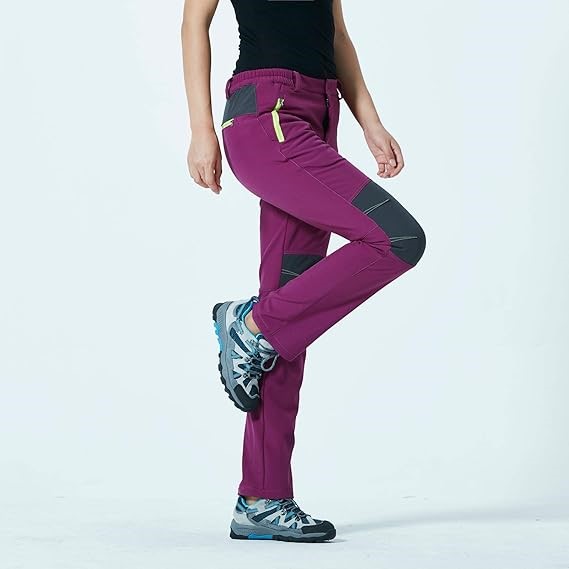
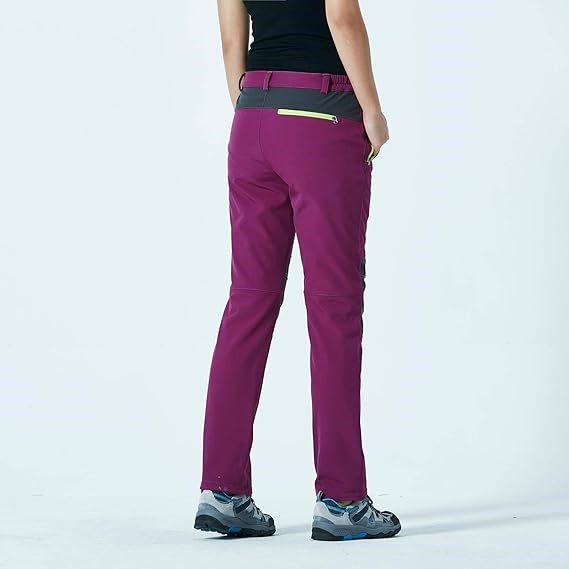
Fleece lined summit pants are cold-weather hiking trousers with a soft fleece inner and a wind- and water-resistant outer, built for the last cold hours of a climb. In Kenya they earn their place above about 3,500 m: the pre-dawn push to Point Lenana, Kilimanjaro’s summit night and frosty mornings on the Aberdares.
Plenty of climbers from Nairobi pack a good jacket, then spend summit night in thin trousers with numb thighs. Below: what these trousers do, how they compare with thermals and shells, which hikes need them, fit and care, including pre-owned pairs.
Quick Facts
- What they are: Trousers with a brushed fleece lining and a wind- and water-resistant outer fabric.
- When to wear them: Summit pushes, high camps and cold, windy ridges, usually above 3,500 m.
- Kilimanjaro summit night: Roughly -7°C to -20°C near Uhuru Peak (5,895 m), colder with wind.
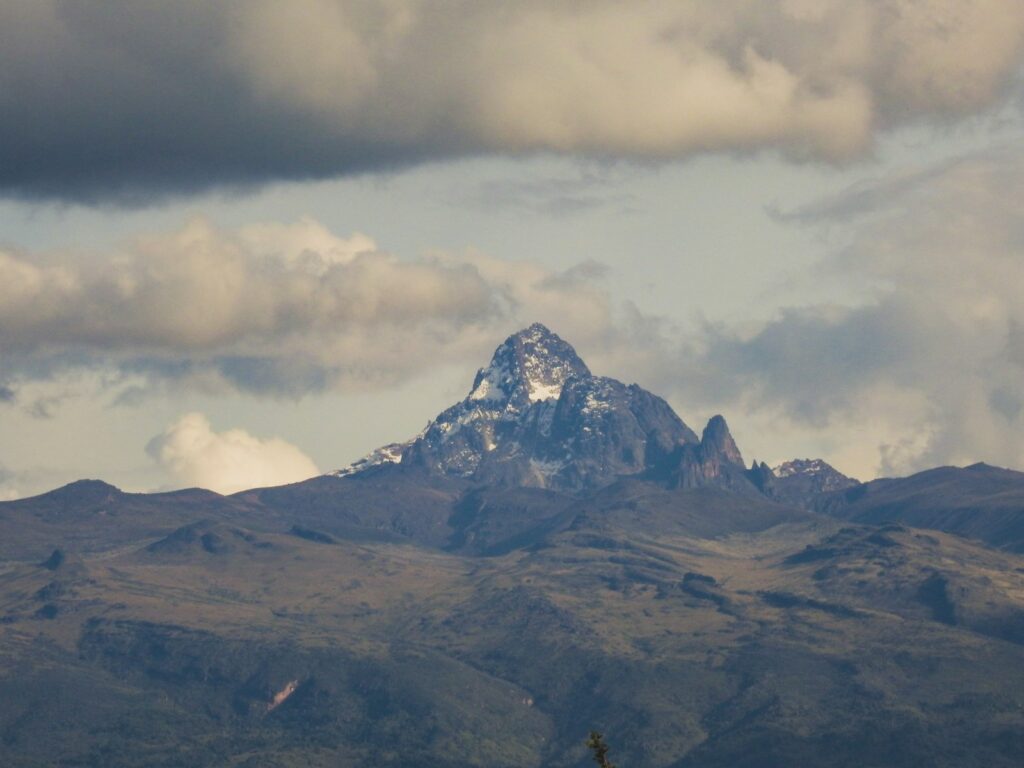
- Mt Kenya: Frost and sub-zero nights are normal at high camps below Point Lenana (4,985 m).
- What goes underneath: A thin thermal base layer on the coldest nights; nothing extra on milder days.
- What goes over them: Waterproof rain pants in sleet, heavy wind or wet snow.
What Are Fleece Lined Summit Pants, and How Do They Keep You Warm?
Fleece lined summit pants keep you warm by trapping a layer of still air in the brushed fleece next to your legs, while the tightly woven outer stops wind from stripping that warm air away. Both jobs matter equally at altitude.
Wind is the part Kenyan hikers underestimate. A breeze at Shipton’s Camp feels harmless at 4 pm and bitter at 2 am, and polyester trekking trousers let it straight through. Fleece alone is warm in still air but almost transparent to wind, so the pairing is what makes the garment work on an exposed ridge.
How is a summit pant different from a ski pant?
A ski pant is insulated, fully waterproof and baggy, cut for a chairlift. A summit trouser is slimmer and more breathable, cut for hours of walking uphill, so you sweat less and stay warmer on breaks.
Which Kenyan Hikes Call for Fleece Lined Summit Pants?
Fleece lined summit pants belong on any hike where you walk or wait above roughly 3,500 m in the dark, in strong wind or at camp after sunset. Most day hikes near Nairobi are too warm for them.
Use the table below as a starting point. Conditions shift with the season: the short rains (roughly October to December) and the long rains (roughly March to May) bring more cloud, wind and wet cold to every high trail.
| Hike | High point | Legwear we would pack |
|---|---|---|
| Ngong Hills, Kilimambogo, Karura | Under 2,500 m | Light quick-dry trousers or zip-offs; rain pants in the rains |
| Elephant Hill (Aberdares) | About 3,700 m | Trekking trousers, with lined pants in the pack for an early, misty start |
| Oldoinyo Lesatima (Aberdares) | About 3,999 m | Lined pants worth wearing on a cold, wet morning |
| Mt Kenya to Point Lenana | 4,985 m | Lined pants for summit morning and high camps, thermal base layer underneath |
| Kilimanjaro to Uhuru Peak | 5,895 m | Lined pants, thermal base layer and waterproof shell pants for summit night |
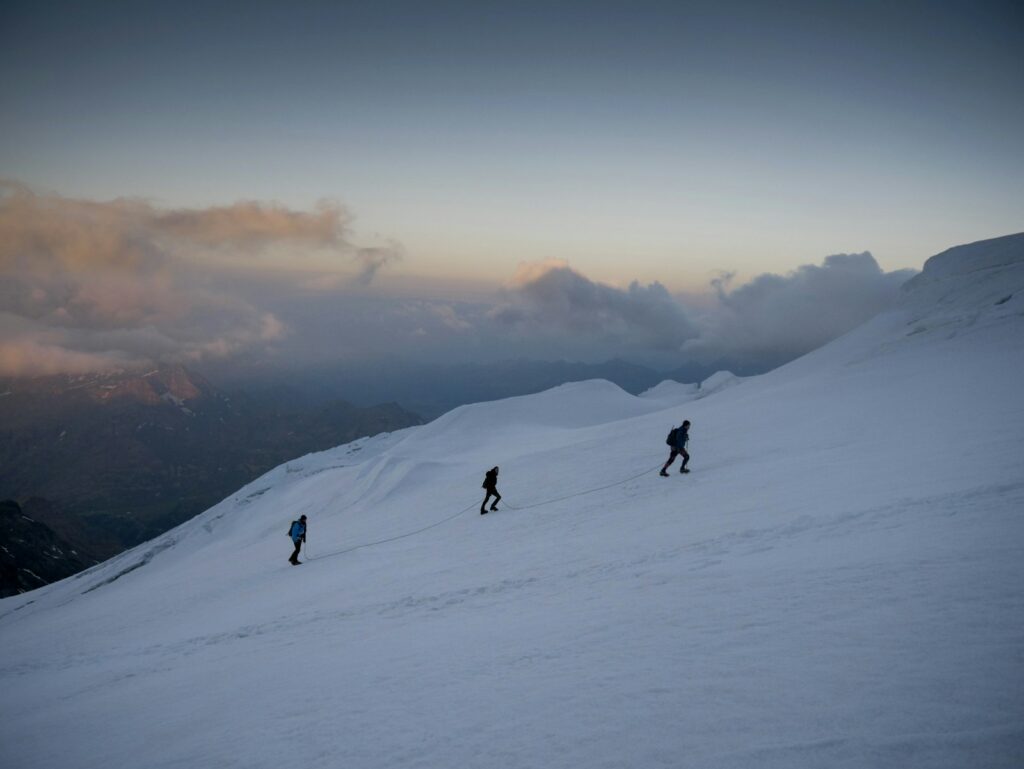
On Mt Kenya, most groups leave Shipton’s or Mackinder’s Camp at 2 or 3 am to reach Lenana for sunrise, the coldest stretch of the climb and the moment fleece lined summit pants pay for themselves. Kilimanjaro’s summit night from Barafu or Kibo is longer and higher, and two or three leg layers are common. Tanzania National Parks publishes park rules and climbing information on the official TANAPA website; check it before you book, along with current fees.
Fleece Lined Summit Pants vs Thermals vs Shell Pants
Thermal base layers, fleece-lined trousers and waterproof shell pants do three different jobs, and a summit night usually needs at least two of them, depending on temperature, wind and precipitation.
Thermal base layer
A thermal long john sits against the skin, moves sweat away and adds a little warmth. Alone it is too thin for wind at 4,500 m, but under lined trousers it makes a cold night comfortable. Our thermal base layers and long johns are the usual partner for summit trousers.
Waterproof shell pants
Shell pants block rain, sleet and wind but add little warmth. Pull a pair of waterproof rain pants over your fleece-lined trousers when snow or sleet starts, or when wind on Kilimanjaro’s crater rim gets strong. Side zips that let you put them on over boots are a real advantage in the dark.
Are fleece lined summit pants enough on their own?
On a dry, still Mt Kenya morning, fleece lined summit pants can be enough on their own for many hikers. On Kilimanjaro’s summit night, plan on a thermal underneath and a shell in the pack, so you can strip one layer off when the sun hits the crater rim. Our post on layering for cold weather hikes covers the full system, and the hiking gear checklist for Kenya shows where legwear fits in a complete kit.
How to Choose Fleece Lined Summit Pants That Fit Well
Good summit trousers fit close enough to trap warm air but loose enough to lift your knee to hip height and pull a thermal on underneath. Try them with the base layer you plan to wear.
- Do the high-step test. Put your foot on a chair and bend forward. If the waistband drags down or the seat pulls tight, go up a size. Scree and the steps below Lenana demand a lot of knee lift.
- Check the length with boots on. The hem should touch the boot top without bunching, so it neither soaks up mud nor lets cold air reach your ankles.
- Look at the waist. An elastic or adjustable waist sits comfortably under a hip belt; a bulky belt can rub.
- Open every pocket. Zipped pockets keep a snack or phone warm against your body, where batteries last longer.
- Feel the lining. Flat, shiny patches at the seat and knees mean less trapped air and less warmth.
Buying a pre-owned pair of fleece lined summit pants
Thrifted pairs make sense for a climb you might do once or twice, since a pair made for European winters often has years of use left. When you shop second-hand, look closely at zips, the seat and the inner knees, and drip a little water on the outer to see if it beads. Our stock is quality thrifted gear plus some new items, which keeps a full Mt Kenya kit affordable for hikers in Nairobi. You can browse what we currently have in the summit fleece-lined pants range.
Gear up for your next hike
Shop quality hiking and outdoor gear at great prices — from socks and gloves to hats, balaclavas and camping fuel. Everything you need for Kenya’s trails, delivered fast.
How Do You Wear Fleece Lined Summit Pants on Summit Night?
Wear fleece lined summit pants from the moment you leave high camp, and adjust layers early rather than waiting until you are freezing or sweating.
Here is a worked example for a Point Lenana morning from Shipton’s Camp. Before bed, keep your thermal leggings and lined trousers in the foot of your sleeping bag. At 2 am, put on the thermal, then the summit trousers, then leg gaiters if the scree is loose or there is fresh snow. Keep shell pants at the top of your daypack, and leave camp feeling slightly cool; steady climbing warms you within twenty minutes.
Fleece lined summit pants only solve half the problem; gloves, a balaclava and warm socks matter just as much: our Thinsulate waterproof gloves and merino wool hiking socks sit alongside the trousers in most summit kits. For the rest of the list, see what to pack for hiking Mt Kenya and our Kilimanjaro gear checklist.
Common mistakes with lined trousers
- Wearing them on the walk-in. Through the forest and moorland, lined trousers are far too hot. Keep them packed until high camp.
- Skipping the test hike. Wear them on a cold Elephant Hill morning first, so you learn how they feel with a full pack.
Pro Tips
- Keep tomorrow’s summit trousers inside your sleeping bag or under it overnight so they are not frozen stiff at 2 am.
- Use the zipped pocket for your phone; cold drains batteries much faster near the summit.
Caring for Lined Hiking Trousers After the Climb
Fleece-lined trousers last longest when washed cool, dried in the shade and stored loosely; heat and fabric softener flatten the fleece.
Brush off dried mud, turn the trousers inside out and wash them gently in cool water with a mild detergent. Dry them in the shade rather than harsh Nairobi midday sun. If water stops beading on the outer, a wash-in or spray-on DWR treatment helps restore it. Store fleece lined summit pants loosely in a dry wardrobe, never squashed in a damp duffel.
If you would like to feel the fabric and try sizes before your climb, drop by our hiking shop at Mountain Mall, 3rd Floor, Shop D39 on Thika Road. We are open Monday to Friday 8:30am to 6:00pm, Saturday 9:00am to 2:00pm, and on Sunday by appointment. Hikers outside Nairobi can order online and ask us on WhatsApp about sizes.
Ready to hit the trail?
Join one of our upcoming guided hikes — from beginner-friendly day hikes to longer treks across Kenya’s best routes.
Frequently Asked Questions
Do I really need fleece lined summit pants for Mt Kenya?
Fleece lined summit pants are not compulsory for Mt Kenya, but most hikers are far more comfortable with them on the pre-dawn push to Point Lenana at 4,985 m. Thin trekking trousers let wind straight through. If you skip them, you will need a thick thermal plus windproof shell pants to get similar warmth, which is bulkier to manage on the climb.
Can I just wear two pairs of normal trousers instead?
Two pairs of ordinary trekking trousers trap a little more air than one, but neither insulates well, the outer pair still lets wind through, and the double layer restricts knee movement on scree. A thermal base layer under one pair of fleece lined summit pants is warmer, lighter and much easier to climb in on summit night.
Are fleece lined trousers waterproof?
Most fleece-lined hiking trousers are water-resistant rather than fully waterproof. The outer fabric sheds light drizzle, frost and dry snow, but sustained rain or wet sleet will soak through eventually. In the rainy seasons, or on Kilimanjaro’s summit night, carry waterproof shell pants to wear over them whenever the weather turns wet.
What should I wear under fleece lined summit pants?
Under fleece lined summit pants, wear synthetic or merino underwear and, on the coldest nights, a thin thermal legging. Avoid cotton, because it holds sweat and makes you cold when you stop. On a mild Mt Kenya morning many hikers wear nothing extra; on Kilimanjaro’s summit night a thermal layer underneath is the usual choice.
Will they be too hot for hikes near Nairobi?
Fleece-lined trousers are too warm for most day hikes near Nairobi, such as Ngong Hills, Karura Forest or Kilimambogo, where days are mild. Save them for cold Aberdares mornings, high camps and summit pushes; on lower trails, quick-dry or zip-off trousers with rain pants in the pack work better.
Final Thoughts
Cold legs rarely ruin the walk-in, but they can ruin summit morning. Fleece lined summit pants, with a thin thermal underneath and a shell in the pack, cover most of what Point Lenana and Uhuru Peak throw at you. Try a pair on, do the high-step test and wear them once on a cold Aberdares hike before your climb.
Not sure which size of summit pants fits you?
Our team can help you choose the right gear, answer your hiking questions and get your order dispatched quickly. Message us for a quick, straight answer.