Trainers you already own, a small daypack, two litres of water and a light waterproof are enough beginner hiking gear in Nairobi for your first few trails, such as Karura Forest or the Ngong Hills ridge. Spend first on feet and rain cover, then add a warm layer and proper boots once you know hiking is for you.
The trouble most first-timers face is not a lack of shops but a long list. Online checklists written for Europe or the Rockies tell you to buy forty things before you leave the house, and the bill scares people off. What follows is a staged plan for beginner hiking gear in Nairobi, built around Kenyan trails and Kenyan weather: what to buy now, what can wait, what to borrow, and how quality thrifted gear stretches a small budget a long way.

Quick Facts
- First buys: the core beginner hiking gear in Nairobi is grippy footwear, cushioned socks, a 20-30 litre daypack, water capacity of about 2 litres and a rain layer.
- Can wait: trekking poles, gaiters, gloves, a sleeping bag and a stove, until you book a mountain or a camping trip.
- Avoid: cotton T-shirts and jeans on long hikes; both stay wet and heavy once you sweat or get rained on.
- Weather: Nairobi’s short rains usually run from October into December, and the long rains from about March to May.
- Good first trails: Karura Forest inside Nairobi, the Ngong Hills ridge (highest point about 2,460 m) and Ol Donyo Sabuk.
- Where to buy: get beginner hiking gear in Nairobi at our Mountain Mall shop on Thika Road, 3rd Floor, Shop D39, or online with M-Pesa or cash on delivery.
What beginner hiking gear in Nairobi do you actually need first?
For a first day hike near Nairobi you need five things: footwear with real grip, socks that do not rub, a small backpack, enough water and something waterproof. Everything else is either a comfort upgrade or kit for higher, colder mountains.
Those five pieces of beginner hiking gear in Nairobi cover the problems that actually end first hikes early. Slipping on red soil after rain, blisters by the second hour, running out of water on an exposed ridge and getting soaked by an afternoon storm are the four complaints you hear most often from people back from their first outing. None of them is solved by an expensive jacket or a GPS watch.
Do you need hiking boots for your first hike?
Hiking boots are not compulsory beginner hiking gear in Nairobi for a first, dry-weather day hike. A pair of running or gym trainers with a deep, grippy tread is fine on Karura’s forest paths or a dry Ngong Hills ridge. Smooth-soled fashion sneakers are the ones to leave at home.
Trainers stop being enough when the ground turns wet, steep or rocky. Mud on the Ngong Hills descent after the October rains, volcanic grit on Mt Longonot’s 13.5 km crater rim and loose stones on Ol Donyo Sabuk all reward a lugged sole, a stiffer midsole and a rubber toe bumper. Hiking footwear also tends to be more water-resistant and harder-wearing, at the cost of some extra weight. That is why boots sit at Stage 2 in the plan below, not Stage 1.
Why do socks matter more than people think?
Socks matter because most beginner blisters come from cotton socks, not from the shoes. Cotton holds sweat against the skin, softens it and lets it rub raw on long climbs.
A pair of merino wool hiking socks is the cheapest upgrade in any set of beginner hiking gear in Nairobi. Merino stays warm when damp, dries faster than cotton and resists smells over a long day, which helps on a hot Lukenya or Ngong walk as much as on a cold morning in the Aberdares. Our guide to choosing hiking socks covers merino versus synthetic in more detail.
What size of backpack should a beginner buy?
A beginner should buy a daypack of about 20 to 30 litres. That size carries water, a rain layer, a warm top, lunch and a small first-aid kit without inviting you to overpack.
Look for padded shoulder straps, a chest strap and a side pocket you can reach without taking the pack off. A 28L day hiking backpack fits every day hike around Nairobi. If you hate stopping to drink, a hydration pack with a drinking tube is worth a look later, but a pair of one-litre bottles in a normal daypack works perfectly well to begin with.
How should you spend a small budget on beginner hiking gear in Nairobi?
Spend it in three stages, buying each stage only when your hikes actually need it. That way your money follows your experience, and you never pay for kit that sits in a cupboard.
The table below shows how the stages line up with the kind of hike you are doing. Prices for beginner hiking gear in Nairobi change with stock, especially for thrifted pieces, so check the product pages or ask us on WhatsApp for what is in today rather than relying on a figure from a blog.
| Stage | Typical hikes | What to buy | What to reuse or borrow |
|---|---|---|---|
| Stage 1: first 2-3 hikes | Karura Forest, Oloolua, a dry Ngong Hills ridge | Merino or synthetic socks, a rain poncho or light rain jacket, a water bottle or two | Your own trainers, a school or gym backpack, a sports T-shirt, a cap |
| Stage 2: hiking most months | Mt Longonot, Ol Donyo Sabuk, Elephant Hill, wet-season Ngong | Hiking shoes or boots, a 20-30 L daypack, a quick-dry shirt, a fleece, a sun hat | A headlamp from home, gym leggings or light trousers |
| Stage 3: first big mountain | Mt Kenya, Kilimanjaro, overnight camps in the Aberdares | Thermals, a down or insulated jacket, gloves, a balaclava, rain pants, trekking poles, a sleeping bag | Tent and stove from a friend or a club, if you only camp once or twice a year |
Stage 1: your first two or three hikes
Stage 1 of beginner hiking gear in Nairobi costs very little because most of it is already in your house. Add good socks and a rain cover, carry plenty of water, and you are ready for a forest walk or a short ridge hike.
For the rain layer, a waterproof rain poncho is the lowest-cost option and covers your backpack too. It flaps in strong wind on open ridges, which is one reason people move to a jacket later; our post on when a poncho beats a rain jacket explains the trade-off. Wear a polyester sports shirt rather than cotton, and pack a cap and sunscreen, because the sun at 2,000 m near the equator burns faster than most Nairobians expect.
Stage 2: when you start hiking most months
Stage 2 is where footwear becomes the main purchase. Once you are hiking every few weeks, and in the rains, proper hiking shoes or boots pay for themselves in grip, comfort and fewer twisted ankles.
A light, entry-level boot such as the Quechua MH100 suits day hikes of up to about 10 km, while a Quechua waterproof hiking boot handles muddier days on Elephant Hill or the Ngong descent. This is also the time to round out your beginner hiking gear in Nairobi with a proper daypack, a quick-dry shirt, a mid-weight fleece and a wide-brim sun hat for the exposed rim of Longonot.
Stage 3: before your first big mountain
Stage 3 is cold-weather and overnight kit, and you only need it when a mountain like Mt Kenya or Kilimanjaro is actually booked. Buying it together with your first beginner hiking gear in Nairobi ties up money in gear you cannot use on day hikes.
Summit mornings on Point Lenana (4,985 m) sit below freezing, so this stage means thermals, an insulated jacket, gloves, a balaclava, rain pants, a headlamp and usually trekking poles. Our hiking gear checklist for Kenya lists every item by type, and the Kilimanjaro gear guide covers the high-altitude kit in full.

Which hiking items can a beginner skip or borrow?
You can leave trekking poles, gaiters, technical gloves, a GPS watch and any camping kit off your list of beginner hiking gear in Nairobi for the first few months. None of them is needed on a guided day hike near Nairobi.
Poles are the one item people regret skipping on steep descents, especially on Longonot’s loose crater path, so borrow a pair from a friend before you decide. If you like them, an ultralight foldable trekking pole packs into a daypack between uses. Tents, stoves and sleeping bags are the easiest beginner hiking gear in Nairobi to borrow rather than buy, because most people who own them use them only a few weekends a year.
Is second-hand gear a sensible way to start hiking?
Second-hand gear is one of the most sensible ways to build beginner hiking gear in Nairobi, because a used branded jacket or pack often costs far less than a new budget one and lasts longer. The key is knowing which faults matter and which are only cosmetic.
Our stock is mostly quality thrifted gear with some new items, which is what puts well-known brands within reach of anyone shopping for beginner hiking gear in Nairobi. Our longer post on thrifted outdoor gear in Nairobi goes deeper; the table below is the short version of what to check on beginner hiking gear in Nairobi before you pay.
What to look for when buying beginner hiking gear in Nairobi
| Item | Check this | Walk away if |
|---|---|---|
| Boots and shoes | Tread depth, a sole firmly glued all round, no cracks across the flex point, the fit with your hiking socks on | The sole is peeling at the toe or your toes touch the front on a slope |
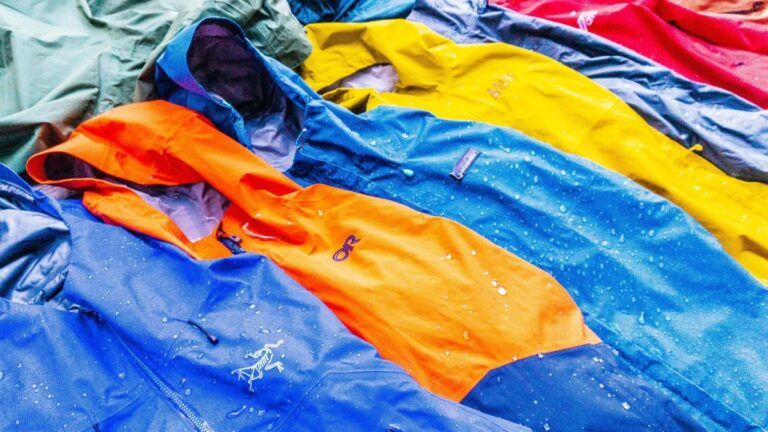
| Rain jackets | Seam tape intact inside, a hood that stays up, zips that run smoothly | The inner coating is flaking or sticky |
| Backpacks | Strap stitching, buckles, zips and a hip belt that sits on your hips | A shoulder strap is fraying where it joins the pack |
| Fleeces and base layers | The fabric label (merino, polyester, polypropylene), cuffs and zips | The label says cotton or the fabric is badly bobbled and thin |
Gear up for your next hike
Shop quality hiking and outdoor gear at great prices — from socks and gloves to hats, balaclavas and camping fuel. Everything you need for Kenya’s trails, delivered fast.
Where can you buy beginner hiking gear in Nairobi?
You can buy beginner hiking gear in Nairobi at Hiking Outdoor Gear Hub, Mountain Mall, 3rd Floor, Shop D39, on Thika Road, or order online and pay by M-Pesa or cash on delivery. Trying shoes in person is the best way to get fit right.
Mountain Mall sits on Thika Road close to Kasarani, Garden Estate and Thome, so it is easy to reach by matatu or car from most of the northern and eastern suburbs. We are open Monday to Friday from 8:30am to 6:00pm and on Saturday from 9:00am to 2:00pm, with Sunday visits by appointment. If you want to try boots on with your own hiking socks, you can browse the racks in person at Mountain Mall, Thika Road and compare a few pairs side by side.
Ordering beginner hiking gear in Nairobi online works well for items where size matters less, such as socks, ponchos, hats, headlamps and backpacks. Send us your shoe size and the trail you are planning on WhatsApp if you want a second opinion before you order footwear. Shop the full range of hiking jackets online if you are already at Stage 2.
Pro Tips for a First Kit
- Buy footwear in the afternoon, when your feet are slightly swollen, and try it on with the socks you will hike in.
- Walk new boots in around Nairobi for a week before a long hike; a 12 km first outing in stiff boots is a recipe for blisters.
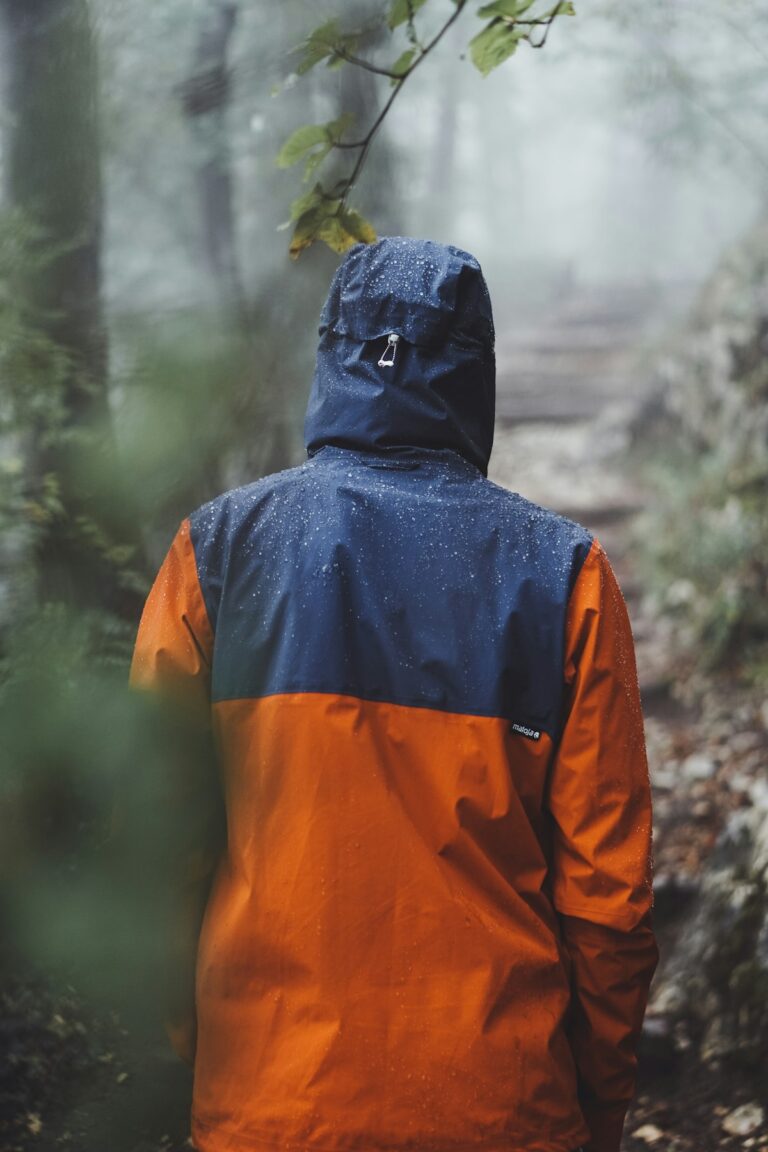
- Pick a bright colour for the rain layer in your beginner hiking gear in Nairobi so your group can spot you in mist on the Ngong Hills or in the Aberdares.
- Pack water in two containers so one leak does not leave you dry on an exposed ridge.
- Take this list with you when you shop for beginner hiking gear in Nairobi, and tick off only what your next three hikes need.
- Keep a small zip bag for your phone and ID; afternoon storms in the short rains can be sudden.
Which hikes near Nairobi suit a brand-new kit?
Karura Forest, Oloolua Forest and the Ngong Hills are the best places to try out new beginner hiking gear in Nairobi, because they are short, close to the city and forgiving if something is missing. Mt Longonot and Ol Donyo Sabuk make good next steps.
Karura Forest lies inside Nairobi off Limuru Road, with shaded paths, a waterfall and short loops, so trainers and a water bottle are all you need. The Ngong Hills, south-west of the city near Ngong town, give you a proper ridge walk over several summits, with the highest point at about 2,460 m and a drop of more than 1,000 m into the Rift Valley on the western side. Wind is constant up there, so a light jacket belongs in your beginner hiking gear in Nairobi even on sunny days.
Ol Donyo Sabuk, also known as Mt Kilimambogo, near Thika, is a steady climb on a wide track through forest and suits Stage 1 or early Stage 2 kit. Mt Longonot, in the Rift Valley near Naivasha, is the first hike where most people wish they had boots and poles: the 13.5 km crater rim loop includes steep, loose sections. Our day hikes near Nairobi for beginners ranks more trails from gentle to tough.

How do the short rains change what a beginner should carry?
The short rains mean beginner hiking gear in Nairobi must include a waterproof layer and expect mud from mid-October onward. Storms often build in the afternoon, so start early and plan to be off exposed ground by lunch.
The Kenya Meteorological Department publishes a seasonal outlook for October to December each year, and for this season it expects above-average rain over Nairobi, starting in the second or third week of October and possibly running into January. In practice that means grippy soles matter more, cotton matters less (leave it at home), and a poncho or rain jacket goes in the bag every time, even when the morning is clear over Thika Road.
Ready to hit the trail?
Join one of our upcoming guided hikes — from beginner-friendly day hikes to longer treks across Kenya’s best routes.
What do beginners get wrong when buying their first hiking kit?
When buying beginner hiking gear in Nairobi, most people buy too much too soon, buy the wrong fabrics, and buy boots that fit in the shop but not on a descent. All three are easy to avoid with a little planning.
- Buying a full mountain kit before the first hike. A down jacket and thermals are wasted money if your hikes are all below 2,500 m between now and next year.
- Choosing cotton because it feels soft. Cotton T-shirts, hoodies and jeans soak up sweat and rain and then chill you on a windy summit.
- Getting boots too tight. Your toes should not touch the front of the boot when you walk down a slope; leave roughly a thumb’s width at the toe.
- Skipping the rain layer on a sunny morning. Kenyan highland weather turns quickly, especially from October to December and March to May.
- Carrying too little water. On an exposed ridge like Longonot, two litres for a half-day hike is a sensible minimum for most adults.
- Forgetting the basics that are not clothing. The US National Park Service’s Ten Essentials list is a good reminder: sun protection, a light, first aid, extra food and a way to find your route.
A practical way to avoid all six is to write down the next three hikes you actually plan to do, then buy only what those three need. That one habit keeps beginner hiking gear in Nairobi affordable. If one of them is a guided hike, ask the organiser for their kit list first; it usually matches Stage 1 or Stage 2 above.
A worked example: two friends, two budgets
Imagine two friends from Kasarani who start shopping for beginner hiking gear in Nairobi in the same month and join a monthly hike. Wanjiru buys merino socks and a poncho, wears her running shoes and borrows her brother’s school backpack. After three hikes she adds a 28L daypack and waterproof boots before the short rains. Otieno buys boots, a down jacket, poles and gaiters before his first Karura walk, then finds the down jacket never leaves the cupboard. By the end of the year Wanjiru owns less but uses all of it, and has money left for Mt Kenya kit when that trip is booked.
The difference is timing, not taste. Beginner hiking gear in Nairobi works best as a running list that grows with your hikes, not as a single shopping trip.

Which beginner hiking gear in Nairobi is worth buying new rather than thrifted?
Among beginner hiking gear in Nairobi, socks, base layers worn against the skin and hydration bladders are the items most people prefer to buy new. Jackets, fleeces, backpacks and many boots are usually fine second-hand.
Socks and next-to-skin thermals are personal, and a used bladder is hard to clean fully. Shells, packs and fleeces are built to last for years, so a thrifted piece in good condition has plenty of life left. Used boots are a great buy if the sole and lining are sound and they fit your foot.
Frequently Asked Questions
Can I hike in Nairobi with just sneakers?
Sneakers are fine for a first hike in Nairobi on easy, dry ground such as Karura Forest or a dry Ngong Hills ridge, as long as the sole has a deep, grippy tread. Smooth fashion sneakers slip badly on red soil and grass. Once you hike in the rains or on steep, loose trails like Mt Longonot, hiking shoes or boots with lugged soles and toe protection are the safer choice.
What is the cheapest way to get hiking gear in Kenya?
The cheapest way to get hiking gear in Kenya is to buy in stages and choose quality thrifted pieces for jackets, fleeces and backpacks. Start with socks, a rain poncho and water bottles, use the trainers and backpack you already own, and borrow camping kit. Add boots and a proper daypack only once you are hiking regularly, and mountain kit only when a climb is booked.
What should I wear for my first hike near Nairobi?
For a first hike near Nairobi, wear a polyester or merino T-shirt, light trousers or leggings, cushioned non-cotton socks and grippy trainers or hiking shoes. Carry a light rain layer, a warm top for windy summits, a cap and sunscreen. Avoid jeans and cotton T-shirts, which stay wet and heavy. Our guide to what to wear hiking in Kenya explains layering in more detail.
Where can I buy beginner hiking gear in Nairobi on a weekend?
You can buy beginner hiking gear in Nairobi on a Saturday at our Mountain Mall shop on Thika Road, which is open from 9:00am to 2:00pm, and on Sunday by appointment. You can also order online any day and pay by M-Pesa or cash on delivery. Message us on WhatsApp if you want help choosing sizes before you visit or order.
Final Thoughts
Start with what keeps you comfortable: grip underfoot, dry feet, water and a rain cover. Building beginner hiking gear in Nairobi in three stages keeps the cost low and means every item you buy gets used. Pick your next three hikes, check the Stage 1 list against what you already own, and fill only the gaps.
Not sure which beginner hiking gear in Nairobi to buy first?
Our team can help you choose the right gear, answer your hiking questions and get your order dispatched quickly. Message us for a quick, straight answer.