A hot spot on your heel halfway down a crater wall is usually a sock problem, and the fix is buying the right hiking socks in Nairobi before the trip. Choose merino wool or a wool-synthetic blend, medium cushioning, a flat toe seam and a cuff that sits above your boot collar, then carry a spare pair.
Hiking socks in Nairobi cost less than almost anything else in your pack, yet they decide how your feet feel at the end of a day on Ngong Hills, Longonot or the Aberdares. Below you will find how the materials compare, which cushioning and height to pick, how a good pair should fit, how many to pack for each kind of hike, how to stop blisters, how to wash wool so it lasts, and where to buy hiking socks in Nairobi along Thika Road.

Quick Facts: Hiking Socks
- Best material: merino wool or a merino-synthetic blend; pure synthetics dry fastest
- Avoid: cotton socks, which hold sweat against the skin and rub
- Cushioning: light for hot half-day walks, medium for most Kenyan day hikes, heavy for summit nights
- Height: crew or boot height, a few centimetres above the boot collar
- How many: one worn plus one spare for a day hike; one pair per day plus a dry sleeping pair on Mt Kenya
- Wool care: wash inside out on a cold, gentle cycle with no bleach or fabric softener, and air dry
- Where to buy: hiking socks in Nairobi are stocked at Mountain Mall, 3rd Floor, Shop D39, Thika Road, or online with M-Pesa or cash on delivery
Why Do Hiking Socks Matter So Much on Kenyan Trails?
Good hiking socks in Nairobi, or anywhere else, matter because they control sweat, friction and warmth inside the boot. A proper pair cushions rocky descents, pulls moisture off the skin and holds its shape, so it never wrinkles into a fold that rubs a blister.
Blisters form when heat, damp skin and repeated rubbing come together, and Kenyan hikes supply all three in one morning. Longonot’s loose volcanic ash pushes grit into low socks. Forest paths in the Aberdares stay muddy for days after the short rains. And every big hill near Nairobi ends with a long descent where the toes slide forward and the heel lifts with each step. Office socks and thin cotton sports socks were never designed for that, which is why many people shop for hiking socks in Nairobi only after their first sore day out.
Hiking socks in Nairobi shops come in many thicknesses, and each one changes how your boots fit. A thick hiking sock fills more volume than a thin everyday sock, so always try boots on with the pair you plan to hike in. Our page on buying and fitting hiking boots in Nairobi explains how to size boots around your socks, and the hiking gear checklist for Kenya shows where socks sit in a full day kit.
Which Material Is Best for Hiking Socks in Nairobi?
Merino wool is the best all-round material for hiking socks in Nairobi because it stays warm when damp, wicks sweat and resists odour. Synthetic socks dry faster and wear more slowly, and blends give you a share of both strengths.
| Material | Strengths | Weaknesses | Best for |
|---|---|---|---|
| Merino wool (or merino-rich blend) | Warm when damp, soft, resists odour over several days | Wears through faster than nylon; dries slowly | Mt Kenya, cold mornings, multi-day treks |
| Synthetic (nylon, polyester, acrylic) | Dries fast, tough, holds its shape | Can smell after one long, hot day | Hot day hikes, wet-season hikes |
| Wool-synthetic blend | Balance of warmth, comfort and durability | Quality varies with the brand and the ratio | Most Kenyan hikers, all year |
| Cotton | Cheap and soft when dry | Holds sweat, stays wet, loses shape and rubs | Town only, never the trail |
When comparing hiking socks in Nairobi, read the fibre label rather than the packaging. Almost every hiking sock contains some nylon for strength and a little elastane for stretch, so a sock sold as “merino” may be anywhere from about half wool to mostly wool. For Kenyan conditions, a blend with a good share of merino suits most people, because it handles a warm climb and a cold summit in the same pair.
Are merino wool hiking socks worth the extra money?
Merino wool hiking socks are worth it for cold, long or multi-day hikes. The fine fibres feel soft rather than itchy, keep insulating when damp and stay fresher for longer, which matters when you wear one pair from Old Moses to Shipton’s Camp on the Sirimon route. A pair of our merino wool hiking socks covers cold summits and chilly forest camps alike. If most of your hiking is hot half-days, cheaper synthetic hiking socks in Nairobi may serve you just as well.
Can you hike in cotton socks?
You can walk a short, flat nature trail in cotton socks, but they are a poor choice for real hikes. Cotton soaks up sweat, stays wet and sags, so it slides against your skin. Keep cotton for town and choose wool or synthetic hiking socks in Nairobi for anything steeper than Karura Forest.
How Much Cushioning Should Hiking Socks Have?
Hiking socks in Nairobi come in several cushioning levels: choose light cushioning for short, warm hikes and medium cushioning for most Kenyan day hikes. Save heavy cushioning for cold, long days such as a summit push. More padding adds warmth and comfort underfoot but also bulk inside the boot.
- Liner socks: very thin, worn under a hiking sock to move friction away from the skin; useful for blister-prone feet.
- Light cushioning: padding under the heel and ball of the foot only; good for hot half-days like Ngong Hills.
- Medium cushioning: padding under the whole sole; the most versatile choice for day hikes around Nairobi.
- Heavy cushioning: thick and warm throughout; best for summit night on Mt Kenya or Kilimanjaro.
Match the cushioning to your boots as well as the trail. A roomy leather boot can take a thick sock, while a snug trail shoe may pinch with heavy padding and cut circulation to the toes, which makes cold feet worse, not better. If you are buying hiking socks in Nairobi for one particular trip, bring the boots you will wear and test the combination before you pay.
Do liner socks really help prevent blisters?
Liner socks help many hikers because the rubbing happens between the two socks instead of against the skin. The British Mountaineering Council suggests a thin, low-friction sock under a thicker one that grips the insole. Liners suit long descents and blister-prone feet, but check your boot fit with both layers on.

What Sock Height Is Best for Hiking Boots?
For mid and high boots, choose crew or boot-height hiking socks in Nairobi: the cuff should sit a few centimetres above the boot collar. A sock shorter than the boot lets the collar rub your ankle and lets dust, grit and grass seeds slip inside.
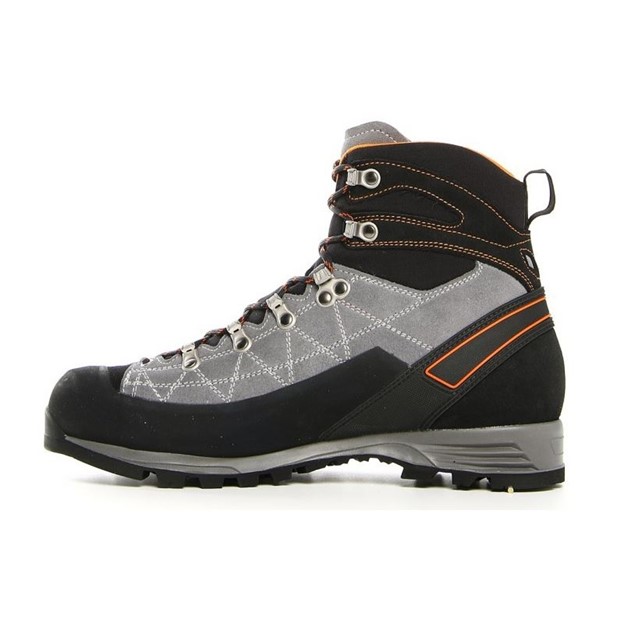
Low ankle socks are fine with trail-running shoes on smooth, dry paths. For mid boots such as the Keen Targhee Mid waterproof boots or a high cut like the Quechua Forclaz 500 High, pick crew socks. On ash slopes or muddy forest tracks, pair tall socks with waterproof leg gaiters so the sock stays clean and dry for longer; our guide to leg gaiters in Nairobi explains which routes justify them.
How Should Hiking Socks Fit?
Hiking socks should fit snugly with no slack. The heel pocket should sit exactly on your heel, the toe seam should lie flat and the fabric should not bunch or wrinkle anywhere when you stand and walk.
Hiking socks in Nairobi that are too big fold over themselves and create pressure points; socks that are too small pulls your toes down and wears through at the heel within weeks. Most hiking socks in Nairobi are sold in shoe-size ranges such as EU 39-42 or UK 6-8.5, so check the label against your usual shoe size. If you sit at the edge of two ranges, try both, because brands cut differently.
How to test the fit of hiking socks in Nairobi before you buy
When you try hiking socks in Nairobi, put them on with your hiking boots and walk around for a few minutes, including up and down a staircase. Feel for a ridge across the toes, a heel pocket creeping up the back of the foot, or a cuff that digs in. A good pair feels invisible after a minute.
Gear up for your next hike
Shop quality hiking and outdoor gear at great prices — from socks and gloves to hats, balaclavas and camping fuel. Everything you need for Kenya’s trails, delivered fast.
Where Can You Buy Hiking Socks in Nairobi Today?
You can buy hiking socks in Nairobi at our shop on the 3rd floor of Mountain Mall, Shop D39, on Thika Road, close to Kasarani, Garden Estate and Thome. We open Monday to Friday 8:30am-6:00pm, Saturday 9:00am-2:00pm, and Sunday by appointment.
If Thika Road is out of your way, order hiking socks in Nairobi online and pay with M-Pesa or cash on delivery. Hiking socks in Nairobi are the piece of kit most people want to touch, though, so if you can, visit us at Mountain Mall on Thika Road and compare a light and a medium cushion side by side with your own boots on. Our stock is mostly quality thrifted gear plus some new items, which keeps good boots, jackets and packs affordable; many hikers still choose new socks for hygiene and fit, so ask us what is in your size before you travel.
Hiking socks in Nairobi are also a sensible first buy if you are building a kit slowly. Start with two good pairs, then add the rest of your layers over time; our guide to thermal wear in Nairobi covers the next pieces for cold climbs.
What Should You Check When Buying Hiking Socks?
Check five things before buying hiking socks in Nairobi: the fibre label, the sole cushioning, the toe seam, the heel shape and the cuff. Those checks take under a minute at the counter and tell you whether a pair will last on Kenyan trails.
- Read the label: look for merino wool or synthetic fibres, with a little nylon and elastane for strength and stretch. Skip socks that are mostly cotton.
- Feel the sole: the cushioning should be dense and even, with extra padding at the heel and ball of the foot.
- Turn it inside out: a flat, thin toe seam rubs far less than a thick ridge.
- Look at the heel: a shaped heel pocket stays in place better than a straight tube.
- Stretch the cuff: it should spring back and grip without leaving a deep groove on your leg.
Thin spots under the heel or ball of the foot are the first sign a sock is worn out; if light shows through the heel when you hold it up to a window, retire the pair.
How Many Pairs of Hiking Socks Do You Need?
If you buy hiking socks in Nairobi for regular day hikes, two or three pairs are enough. For a multi-day climb, pack roughly one pair per hiking day plus one dry pair kept only for sleeping. A spare pair in the daypack is worth its weight on every hike.
| Hike | Pairs to pack | Suggested type |
|---|---|---|
| Half-day hike (Karura, Ngong Hills) | 1 worn + 1 spare | Light or medium cushion, synthetic or blend |
| Full-day hike (Longonot, Elephant Hill) | 1 worn + 1 spare | Medium cushion, merino blend |
| Weekend camping hike | 3 pairs | Medium cushion plus a warm pair for camp |
| Mt Kenya (4-5 days) | 3-4 pairs plus liners | Medium to heavy merino; one dry pair kept for sleeping |
| Kilimanjaro (6-8 days) | 4-5 pairs plus liners | Medium merino for the lower days, heavy merino for summit night |
On Mt Kenya, seal the sleeping pair in a zip bag so it stays dry even if the rest of your pack gets wet. Our Mt Kenya packing list shows how socks fit into the rest of a multi-day kit.
Which Socks Suit Which Hike Near Nairobi?
Choosing hiking socks in Nairobi for a specific hike comes down to the trail’s temperature, ground and length. Hot, short and dusty walks favour light synthetic socks; cold, wet or long days favour medium to heavy merino. Here is how that plays out on hikes we know well.
Ngong Hills and Karura Forest
Ngong Hills is open, exposed and often hot by mid-morning, with short steep sections between the peaks. Light or medium cushioned synthetic or blend socks keep feet cool, and trail shoes with crew socks are enough in the dry months.
Mt Longonot
Longonot’s ash gets everywhere, especially on the way down from the rim. Wear crew-height socks with medium cushioning to protect the toes on the steep descent, and consider gaiters. Our Mt Longonot hike guide covers the route and timing.
Elephant Hill and the Aberdares
The Aberdares are cooler and wetter than the Rift Valley hills, with bamboo and boggy ground on the way up. Medium merino blends work best because they stay warm once damp, and a dry spare pair for the drive home is a small luxury. See our Elephant Hill guide for what the trail involves.
Mt Kenya and Kilimanjaro
Summit nights below freezing on Point Lenana (4,985 m) or Uhuru Peak (5,895 m) call for the warmest merino hiking socks in Nairobi you can fit into your boots, with a liner if you blister easily. Avoid squeezing a thick sock into a tight boot, which restricts blood flow and leaves toes colder. Our guide to buying Mt Kenya gear in Nairobi covers the rest of the cold-weather kit.

How Do You Stop Blisters With the Right Socks?
Stop blisters by keeping feet dry, reducing friction and acting early. Wear moisture-wicking socks that fit, tape known trouble spots before you start, and stop to fix any hot spot the moment you feel it. The right hiking socks in Nairobi do half of that work for you.
The American Academy of Dermatology recommends nylon or moisture-wicking socks, properly fitting shoes and soft padding such as moleskin over friction spots; it also advises against popping a blister, because the skin on top protects the raw layer underneath. You can read the full advice on the AAD blister prevention page.
In practice, a simple routine works on most Kenyan day hikes. Tape the heels at the trailhead if they have blistered before. At the first rest stop, take your boots off for two minutes and let socks and skin air. If a sock is soaked from a stream crossing or a downpour, swap to the spare at lunch rather than at the end of the day.
Should you change socks halfway through a hike?
Changing socks halfway is worth doing on long or wet hikes. A fresh, dry pair cuts friction and warms cold feet, and the damp pair can dry on the outside of your pack. On a long day like Elephant Hill, a lunch-time swap is one of the easiest ways to finish comfortably.
How Do You Wash and Care for Hiking Socks?
Wash hiking socks inside out on a cold, gentle cycle, skip bleach and fabric softener, and air dry them. That routine, which Darn Tough recommends for merino socks, limits pilling and keeps the cushioning springy for longer.
Hand-washing hiking socks in Nairobi homes without a washing machine works just as well in a basin with cool water and a little mild soap. Squeeze rather than wring, then hang the socks in shade; strong equatorial sun at midday can stiffen wool over time. During the long and short rains, when Nairobi washing takes days to dry indoors, keep an extra pair in rotation so you are never pulling on damp socks before an early start.
On multi-day treks, rinse the day’s socks in a basin at camp, never in a stream, and dry them overnight inside your sleeping bag or jacket where body heat helps.
Common Mistakes People Make With Hiking Socks
Most problems with hiking socks in Nairobi come from a handful of habits that are easy to fix. Avoid these and your socks will last longer and your feet will stay in better shape.
- Buying boots without hiking socks on: boots that fit with thin socks feel tight with a cushioned pair.
- Wearing new socks on a big climb: give any new pair one short walk first.
- Doubling up two thick socks: this squeezes the foot and causes more rubbing, not less; use a thin liner under one hiking sock instead.
- Packing no spare: one stream crossing or downpour can leave you in wet socks for hours.
- Tumble drying wool on high heat: it shrinks and felts merino; line dry or use a low setting.
- Keeping socks too long: a sock worn thin at the heel no longer protects the skin.
If you buy second-hand boots, bring the socks you hike in when you try them, as our guide to second hand hiking boots in Nairobi explains.
Pro Tips for Happy Feet
- Try boots and socks on together in the afternoon, when feet are slightly larger.
- Keep one pair of hiking socks in your daypack permanently, sealed in a zip bag.
- Tape any spot that has blistered before, before you leave the trailhead.
- Match sock thickness to boot volume: roomy boots, thicker socks; snug shoes, thinner socks.
- Turn socks inside out to wash, and line dry them in shade.
- Retire any pair where light shows through the heel or the ball of the foot.
Ready to hit the trail?
Join one of our upcoming guided hikes — from beginner-friendly day hikes to longer treks across Kenya’s best routes.

Frequently Asked Questions
How much do good hiking socks cost in Nairobi?
Good hiking socks in Nairobi vary in price with the fibre and the brand: merino-rich pairs cost more than synthetic ones, and branded imports cost more again. Because prices and stock change, check the current price on our product pages or ask us on WhatsApp. Two good pairs usually cost less than one decent pair of boots.
Can I wear the same hiking socks two days in a row?
Merino hiking socks can usually be worn two days running on a trek, because wool resists odour better than synthetics. Air them overnight and rotate with a second pair if you can. Synthetic socks tend to smell after one hot day, so give them a rinse. Always keep one clean, dry pair just for sleeping.
Are thick socks warmer on Mt Kenya?
Thick socks are warmer on Mt Kenya only if your boots have room for them. A heavy merino sock in a roomy boot is ideal for summit night, but a thick sock squeezed into a tight boot restricts blood flow and makes toes colder. Try your summit pair of hiking socks in Nairobi, with your boots on, before you travel.
What socks should I wear with trail running shoes?
Trail running shoes pair best with light, quick-drying synthetic or blend socks at ankle or crew height. They dry fast after a stream crossing and do not crowd a low-volume shoe. On dusty routes like Longonot, crew height keeps more grit out, and short gaiters help even more.
Do I need special socks for the rainy season?
The rainy season does not need special hiking socks in Nairobi, but it rewards merino blends, which stay warm when damp, and an extra spare pair in a dry bag. During the long rains (March to May) and short rains (October to December), plan a lunch-time sock swap and pair tall socks with gaiters on muddy forest trails.
Final Thoughts
Dry, well-fitted feet come down to three decisions: a merino or blended fibre, cushioning that matches the trail, and a cuff tall enough for your boot. Get those right and your hiking socks in Nairobi will outlast several seasons of Ngong ridges and Aberdares mud.
Before your next hike, take your boots with you when you shop for hiking socks in Nairobi, try two sock weights side by side, and put a spare pair in your daypack for good.
Not sure which sock weight suits your boots or your next climb?
Our team can help you choose the right gear, answer your hiking questions and get your order dispatched quickly. Message us for a quick, straight answer.