
What to wear hiking in Kenya comes down to three layers and good feet: a quick-drying base layer, a warm fleece or insulated mid layer, and a waterproof shell, plus broken-in boots, wool socks and a sun hat. Adjust the warmth to the altitude and pack rain protection in every season.
Kenyan trails are tricky to dress for. You can start a hike in cool mist at 7am, sweat under a fierce equatorial sun by 11am and get soaked by an afternoon storm on the way down. This guide explains what to wear hiking in Kenya from head to toe, how to adjust for altitude and the rains, and which mistakes to avoid on your first few hikes.

Quick Facts
- Core system: base layer + fleece mid layer + waterproof shell
- Avoid: cotton T-shirts, jeans and cotton socks, which stay cold when wet
- Altitude rule: about 6.5°C colder for every 1,000 m you climb
- Rainy seasons: long rains roughly March-May, short rains roughly October-December
- Sun: equatorial UV is strong all year; wear a hat and sunscreen
- Feet: broken-in boots or trail shoes with merino or synthetic socks
Why Does What You Wear Matter So Much on Kenyan Trails?
Clothing matters on Kenyan trails because conditions change quickly with altitude, time of day and the rains. The right layers keep you comfortable, protect you from sunburn and cold, and help you finish safely.
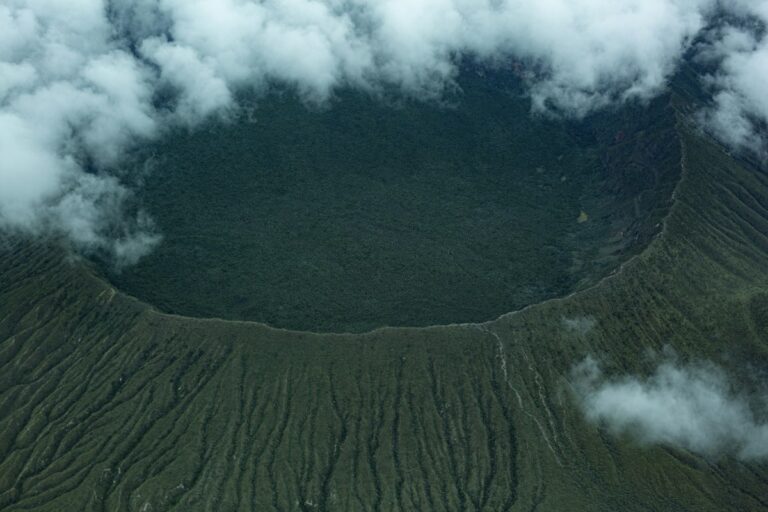
Kenya sits on the equator, so the sun is high overhead all year and burns exposed skin fast, even when the air feels cool. At the same time, most popular hikes start well above sea level. Nairobi itself sits at roughly 1,795 m, Mt Longonot’s summit reaches 2,776 m and Elephant Hill in the Aberdares climbs to about 3,658 m. Air temperature drops by roughly 6.5°C for every 1,000 m you climb, so a summit can feel 10°C colder than the trailhead.
Wind, cloud and rain make that drop feel even sharper. Wet cotton loses almost all of its warmth, which is why the classic jeans-and-T-shirt outfit causes so many miserable hikes. Choosing what to wear hiking in Kenya is really about managing sweat, sun and rain in the same day.
What to Wear Hiking in Kenya: The Three-Layer System
The three-layer system is a base layer that moves sweat away from your skin, a mid layer that holds warmth, and an outer shell that blocks wind and rain. You add or remove layers as you climb, rest and descend.
Base layer: what should touch your skin?
When deciding what to wear hiking in Kenya, start with the base layer, which should be made of merino wool or a synthetic fabric such as polyester, never cotton. These fabrics wick sweat and dry quickly, so you do not get chilled when you stop on a windy ridge. A short-sleeved synthetic T-shirt works for warm, low hikes; a long-sleeved top adds sun protection and warmth higher up.
Mid layer: how much warmth do you need?
A mid layer is your warmth. For what to wear hiking in Kenya on most day hikes around Nairobi, a lightweight fleece is the most practical choice. For hikes above about 3,000 m, or for early starts and overnight trips, add a thicker fleece or a light insulated jacket. Our guide to layering for cold weather hikes covers how to combine them for colder mountains.
Outer layer: is a rain jacket really necessary?
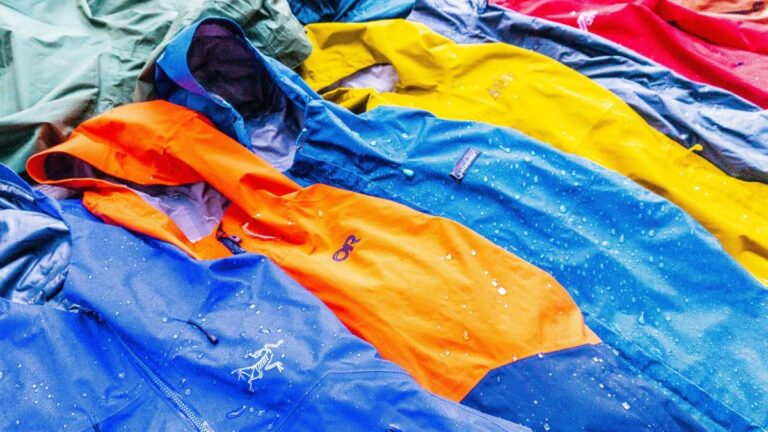
A waterproof rain jacket belongs on every list of what to wear hiking in Kenya, because storms can build quickly in the afternoon even outside the rainy seasons. Look for a hooded, breathable shell that packs small. It also doubles as a windbreaker on exposed summits. You can browse our rain jackets for hiking if you need one.
What Should You Wear on Your Legs and Feet?
From the waist down, what to wear hiking in Kenya is light, quick-drying hiking trousers and broken-in boots or trail shoes with wool or synthetic socks. Long trousers protect against thorny scrub, nettles, ticks and sun.
Trousers, shorts or leggings?
Hiking trousers made from nylon or polyester are the best all-round option for what to wear hiking in Kenya. They dry fast, resist thorns and keep the sun off your legs. Convertible zip-off trousers give you shorts for hot sections. Leggings are fine on smooth paths but snag easily in bush. Avoid jeans, which are heavy, restrictive and cold when wet.
Boots or trail shoes?
Mid-cut hiking boots with a lugged sole suit most Kenyan trails, especially the loose volcanic ash on Longonot and the deep mud of the Aberdares. Trail shoes are lighter and work well on dry, well-made paths. Whatever you choose, wear them in before a long hike. Our guide to hiking boots for Kenyan trails explains the differences, and a pair like the Quechua waterproof hiking boot is a sound all-rounder.
Which socks are best?
Merino wool hiking socks are the best choice when you plan what to wear hiking in Kenya, because they cushion, wick sweat and stay warm when damp, which helps prevent blisters. Avoid cotton socks entirely. Carry a spare pair for long or wet hikes. Our merino wool hiking socks are a popular choice for this reason.
How Should You Dress for Altitude and Cold Summits?
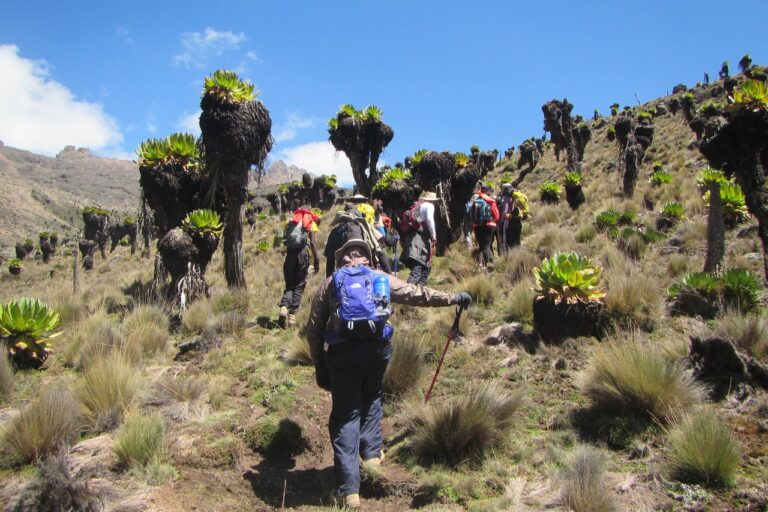
For higher hikes, dress for the summit, not the trailhead. Above about 3,000 m, carry a warm hat, gloves, a fleece and an insulated jacket, because temperatures near the top can be close to freezing, especially early in the morning.
Use this table as a quick guide to what to wear hiking in Kenya at different heights. Temperatures vary with weather and time of day, so treat these as planning ranges rather than promises.
| Altitude band | Example hikes | What to wear |
|---|---|---|
| 1,500-2,200 m | Karura Forest, Ol Donyo Sabuk, Hell’s Gate | Synthetic T-shirt, light trousers, sun hat, rain jacket in the pack |
| 2,200-3,000 m | Ngong Hills, Mt Longonot | Long-sleeved base layer, light fleece, rain jacket, sun hat and buff |
| 3,000-4,000 m | Elephant Hill, Satima in the Aberdares | Base layer, warm fleece, waterproof jacket and trousers, beanie, gloves, gaiters |
| Above 4,000 m | Mt Kenya routes to Point Lenana | Thermal base layers, fleece, down or synthetic jacket, shell, insulated gloves, balaclava |
For hands, a pair of Thinsulate waterproof hiking gloves makes a big difference on cold, wet summits. If Mt Kenya is your goal, read our guide on what to pack for hiking Mt Kenya for the full cold-weather kit.
What to Wear Hiking in Kenya During the Rainy Seasons
In the long rains (roughly March to May) and short rains (roughly October to December), what to wear hiking in Kenya shifts to waterproof outer layers, quick-drying clothes and boots with deep lugs, and add gaiters for mud.
What to wear hiking in Kenya when it rains
Rain gear for Kenyan trails should include a hooded waterproof jacket, waterproof over-trousers and gaiters. Over-trousers keep your legs dry when you brush through wet grass, and waterproof leg gaiters stop mud and water pouring into your boots. Pack a dry base layer and socks in a plastic bag so you have something warm to change into.
The short rains are usually under way in October, so check the forecast with the Kenya Meteorological Department before you set off. Our rainy season hiking gear guide goes deeper into wet-weather kit.
Gear up for your next hike
Shop quality hiking and outdoor gear at great prices — from socks and gloves to hats, balaclavas and camping fuel. Everything you need for Kenya’s trails, delivered fast.
How Do You Protect Yourself from the Sun on Kenyan Trails?
Protect yourself from the equatorial sun with a wide-brimmed hat, sunglasses, long sleeves and high-factor sunscreen reapplied every two hours. Sunburn happens quickly at altitude, even on cool or cloudy days.
Sun protection is a big part of what to wear hiking in Kenya. A wide-brimmed or legionnaire-style hat shades your face, ears and neck. A light buff or neck gaiter adds cover and keeps dust out of your mouth on dry, ashy trails such as Longonot. Sunglasses with UV protection reduce glare on bright rock and grass. Light-coloured, long-sleeved shirts keep you cooler than bare skin in strong sun.
What Should Beginners Avoid Wearing on a Hike?
The biggest beginner mistakes with what to wear hiking in Kenya are cotton clothing, jeans, brand-new boots, fashion trainers with smooth soles and heavy jackets with no hood. These items soak up water, cause blisters or slip on loose ground.
Other common mistakes include wearing too much at the start, which leaves you drenched in sweat after the first climb, and wearing too little, with no warm layer for the summit or the drive home. Start slightly cool and add layers as you stop. If you are just starting out, our guide to hiking for beginners in Kenya covers fitness, safety and choosing your first trail.
You do not need to spend a fortune to dress well for the trail. Our gear is mostly quality thrifted (pre-owned) items plus some new pieces, which makes good fleeces, rain jackets and boots far more affordable. You can try things on at our outdoor gear shop on Thika Road in Mountain Mall, Nairobi.
Pro Tips
- Start a hike feeling slightly cool; you will warm up within 15 minutes of climbing.
- Put your fleece on as soon as you stop for a break, before you start shivering.
- Pack a dry base layer and socks in a plastic bag for the drive home.
- Test new boots on short walks before any hike longer than 10 km.
- Reapply sunscreen at every long break, including ears and the back of the neck.
A Head-to-Toe Checklist for a Day Hike
Use this numbered checklist as a simple answer to what to wear hiking in Kenya on a typical day hike near Nairobi, then add warm layers for higher mountains.
- Sun hat or cap, plus a warm beanie for high or early hikes
- Sunglasses and a buff or neck gaiter
- Synthetic or merino base layer (short or long sleeves)
- Light fleece mid layer
- Waterproof, hooded rain jacket
- Quick-drying hiking trousers
- Merino or synthetic hiking socks, plus a spare pair
- Broken-in hiking boots or trail shoes
- Light gloves for summits above 3,000 m
- Gaiters and rain trousers during the rainy seasons
Ready to hit the trail?
Join one of our upcoming guided hikes — from beginner-friendly day hikes to longer treks across Kenya’s best routes.
Frequently Asked Questions
Can I wear jeans for hiking in Kenya?
Jeans are a poor choice for what to wear hiking in Kenya because cotton denim is heavy, restricts movement and stays cold and wet for hours after rain or sweat. On a short, dry walk in Karura Forest they will do, but for real hills choose quick-drying nylon or polyester hiking trousers that stretch, resist thorns and dry quickly in the sun.
Is it cold when hiking in Kenya?
Hiking in Kenya can be cold, which is why what to wear hiking in Kenya should always include a warm layer at altitude. Temperatures drop about 6.5°C for every 1,000 m climbed, so summits such as Elephant Hill at around 3,658 m can be close to freezing at dawn. Hikes near Nairobi below 2,500 m are usually mild, but wind and rain still make a fleece worthwhile.
Should I wear shorts or trousers for hiking in Kenya?
Trousers are usually the better choice for what to wear hiking in Kenya because they protect your legs from sunburn, thorny bush, nettles and ticks. Shorts are comfortable on hot, open, low-altitude trails like Hell’s Gate. Zip-off convertible trousers give you both options, letting you switch to shorts on warm sections and back to full length higher up.
What colours should I wear for hiking in Kenya?
Light, neutral colours such as khaki, tan, grey and light green are practical choices for what to wear hiking in Kenya because they stay cooler in strong sun and show less dust. On walking safaris and in wildlife areas, guides often advise against very bright colours. A bright rain jacket in your pack is still useful for being seen in an emergency.
Do I need waterproof boots for hiking in Kenya?
Waterproof boots are a strongly recommended part of what to wear hiking in Kenya during the long rains (March to May) and short rains (October to December), and for wet areas such as the Aberdares and Mt Kenya all year. On dry, dusty trails in the dry seasons, breathable non-waterproof boots or trail shoes are cooler and dry faster.
Final Thoughts
What to wear hiking in Kenya is simple once you think in layers: a quick-drying base, a warm fleece and a waterproof shell, plus good boots, wool socks and sun protection. Dress for the summit and the weather, not the trailhead.
Before your next hike, lay out your kit and check it against the checklist above so you know exactly what to wear hiking in Kenya’s hills. If anything is missing, our affordable thrifted and new gear can fill the gaps, and joining one of our guided hikes is a relaxed way to test your outfit on a real Kenyan trail.
Not sure what to wear for your next hike?
Our team can help you choose the right gear, answer your hiking questions and get your order dispatched quickly. Message us for a quick, straight answer.