


Red Dust, Black Cotton Mud: Hiking Boot Care in Nairobi, Season by Season
Hiking boot care in Nairobi comes down to four habits: clean off mud the same day, dry slowly away from heat, re-proof when water soaks in, and store boots cool and dry.
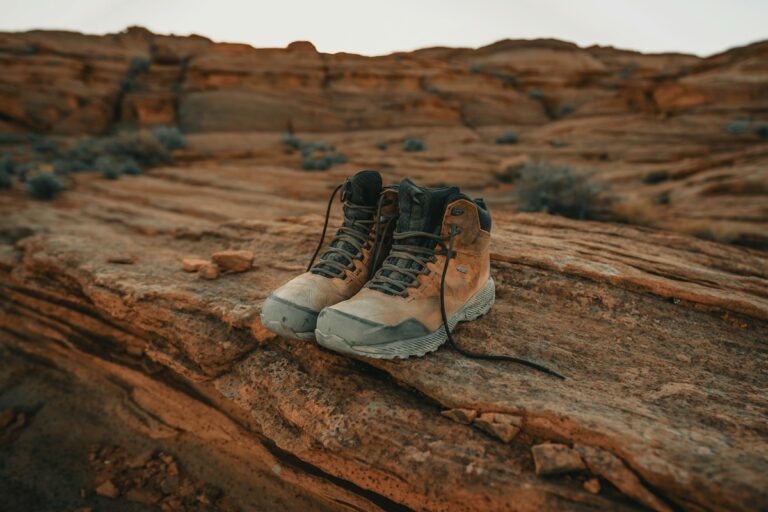
Hiking boot care in Nairobi comes down to four habits: clean off mud the same day, dry slowly away from heat, re-proof when water soaks in, and store boots cool and dry.
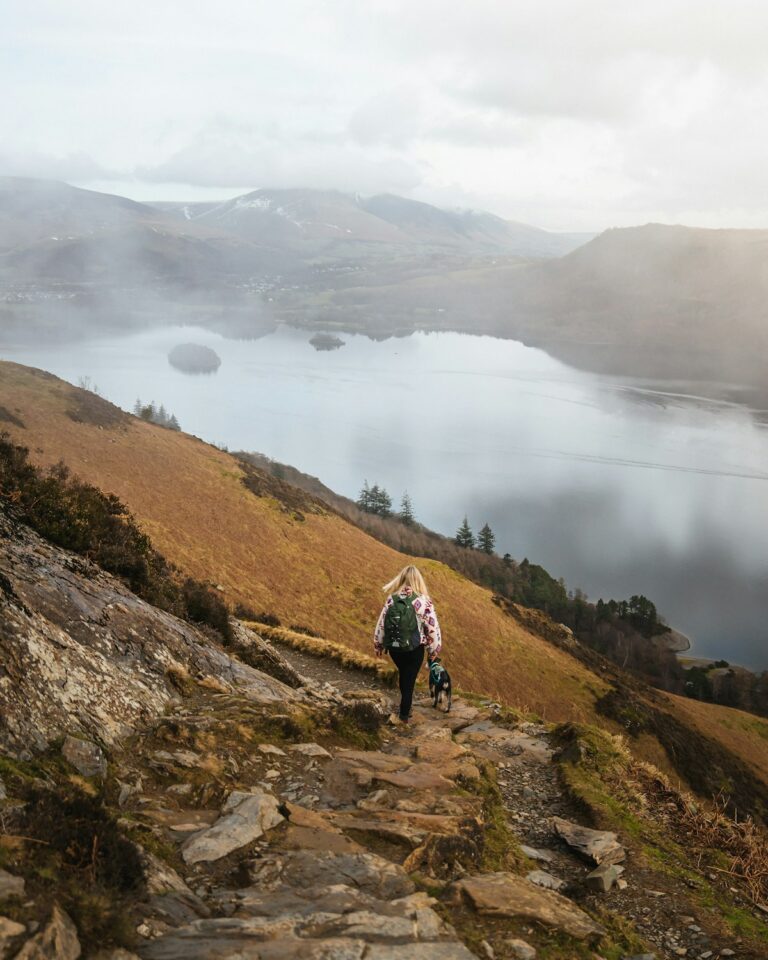
Hiking in the rain on Kenyan trails is safe with the right habits: early starts, no gorges in storms, getting off ridges at the first thunder, grippy boots and a dry warm layer. Here is how to plan, dress and stay warm through the rainy seasons.
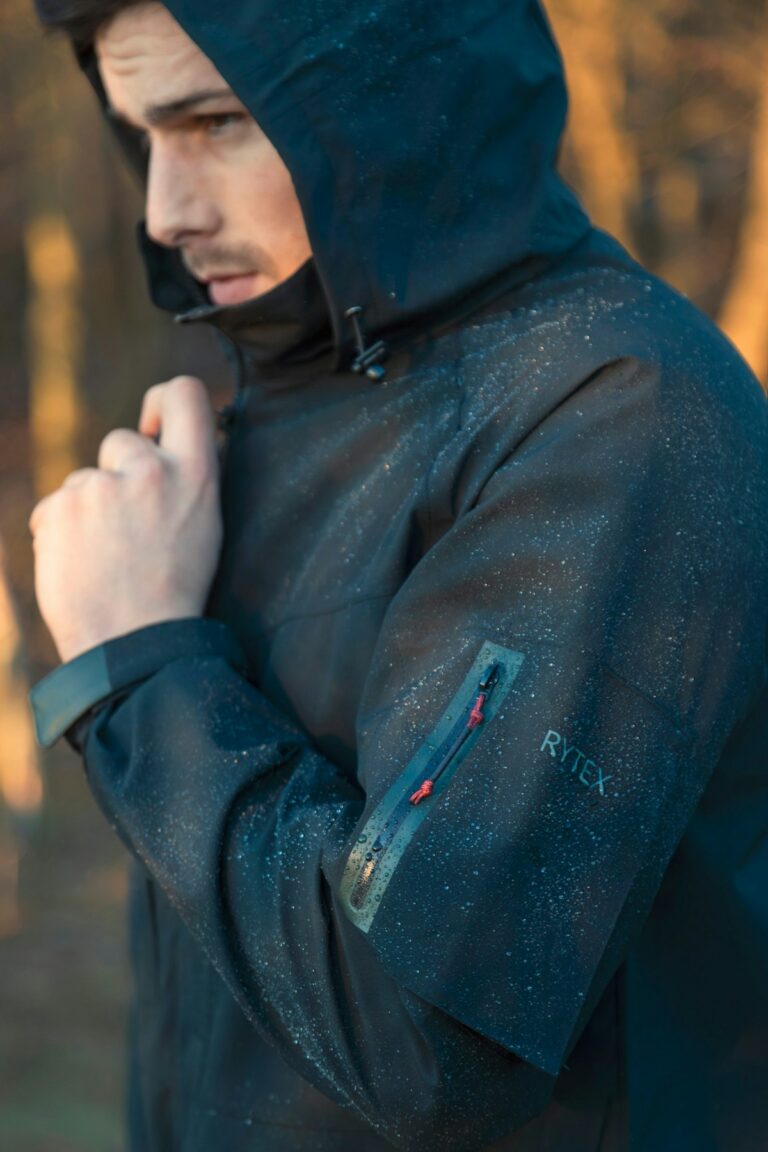
What to wear hiking in Kenya when a single day brings mist, hot sun and rain: the three-layer system, an altitude table, rainy-season tweaks and a head-to-toe checklist.

Hiking for beginners in Kenya works best as a ladder: Karura Forest, the Ngong Hills, Ol Donyo Sabuk, then Mt Longonot, with a simple kit, a four-week training plan and a few safety habits.

Layering for cold weather hikes explained for Kenyan trails: what base, mid and shell layers do, how cold the Aberdares and Mt Kenya get, and how to build an affordable kit in Nairobi.