Most of the Kilimanjaro gear in Nairobi that really matters fits in one duffel: a base layer, a fleece, an insulated jacket and a waterproof shell on top, two layers for the legs, warm gloves and a balaclava, broken-in waterproof boots and a headlamp. Buy those here, and your climbing crew usually supplies the tents, cooking kit and food.
The hard part is knowing which pieces you must own, which ones the crew brings, and how warm “warm enough” has to be at 5,895 m. Below you will find a zone-by-zone clothing plan, a buy-or-borrow table, a checklist for judging thrifted summit layers, the packing rules that catch Kenyans out at the Namanga border, and where to find each piece of Kilimanjaro gear in Nairobi.

Quick Facts: Kilimanjaro Kit Bought in Nairobi
- Summit height: Uhuru Peak stands at 5,895 m, about 900 m higher than Point Lenana on Mt Kenya.
- Summit night cold: around -10°C to -20°C at the top, and wind can make it feel well below -20°C.
- Climate zones crossed: five, from cultivated farmland and rainforest through moorland and alpine desert to the arctic summit.
- Duffel limit: porters usually carry one bag per climber of about 15 kg; you carry a 5-8 kg daypack.
- Plastic rule: Tanzania has banned plastic carrier bags since June 2019, so pack in stuff sacks, not supermarket bags.
- Where to buy Kilimanjaro gear in Nairobi: our shop at Mountain Mall, Thika Road, or order online and pay by M-Pesa or cash on delivery.
What Kilimanjaro gear do you actually need to own?
You need to own the gear that touches your body: boots, socks, every clothing layer, gloves, headwear, sunglasses, a daypack, water bottles or a bladder and a headlamp. A full-service climb normally covers tents, mess tent, stoves, food and the porters who carry them.
That split decides where your money goes when you shop for Kilimanjaro gear in Nairobi. Nobody wants to spend on a four-season tent they will use once when the operator already brings one. Spend instead on the pieces you will wear for six to eight days straight and reuse on Mt Kenya, the Aberdares and cold Nairobi mornings for years afterwards.
Before you shop for Kilimanjaro gear in Nairobi, ask your operator for their kit list in writing. Some include sleeping bags and mats; some hire them out; some expect you to bring your own. Tick off what they supply, then build the rest of the list from the sections below. Our longer Kilimanjaro gear checklist gives the full item-by-item list if you want to print it.
How does the climate change from the gate to Uhuru Peak?
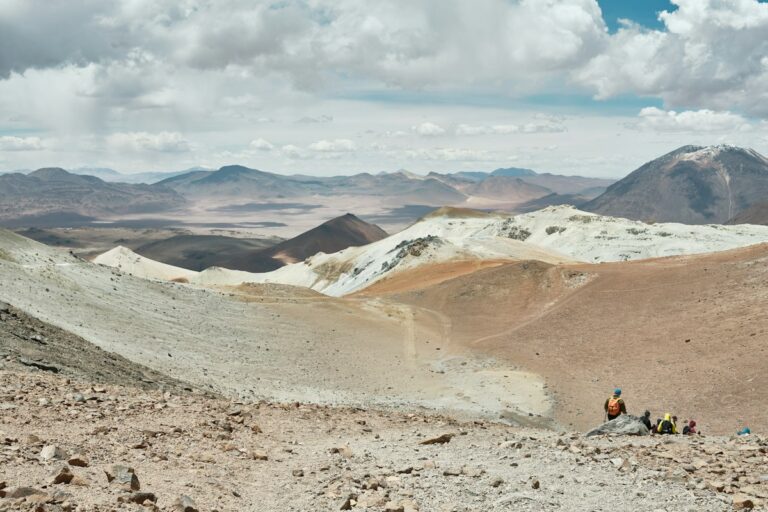
Kilimanjaro takes you through five climate zones in under a week, so your kit has to work from humid forest at about 20°C to a frozen crater rim. The table below shows roughly what to wear in each one, and which Kilimanjaro gear in Nairobi covers it.
| Zone | Typical conditions | What you wear |
|---|---|---|
| Cultivation (gate area, about 800-1,800 m) | Warm, often 20-30°C by day | Quick-dry T-shirt, light trousers, sun hat |
| Rainforest | Humid, muddy, 10-20°C, frequent afternoon showers | Base layer, rain shell in the lid of the pack, gaiters |
| Heath and moorland | Sunny days, nights dropping to about -5°C | Base layer and fleece by day; thermals and a down jacket at camp |
| Alpine desert | Dry, windy, strong sun, nights around -5°C to -10°C | Wind shell, sunglasses, buff; full camp layers after dark |
| Arctic summit (up to 5,895 m) | -10°C to -20°C, wind chill much lower | Every layer you own, mittens, balaclava, insulated trousers |
Treat those numbers as typical ranges, not promises. Weather on the mountain changes by the hour, and a clear night is often colder than a cloudy one.
How cold does summit night get, and how should you layer for it?
Summit night is the coldest part of the climb, with temperatures around -20°C near the top and wind that makes it feel colder still. You walk slowly for six to eight hours in the dark, so your layers have to keep you warm while you barely generate heat.
Most climbers leave Barafu Camp (about 4,673 m) or Kibo Hut (about 4,703 m) close to midnight and reach Stella Point or Gillman’s Point around sunrise. The pace is a slow shuffle. That is the problem: on a Ngong Hills ridge you warm up by walking faster, but at 5,600 m you cannot. The heat has to come from what you wear, which is why summit layers top every list of Kilimanjaro gear in Nairobi.
A summit-night layering order that works
Every layer below is easy to find as Kilimanjaro gear in Nairobi, new or thrifted. Put them on in this order:
- Thermal base layer top and long johns, synthetic or merino, never cotton.
- A mid-weight fleece on top, plus fleece-lined trousers or a second thermal on the legs.
- An insulated down or synthetic jacket, sized to fit over the fleece.
- A waterproof, windproof shell jacket and waterproof rain pants over everything to stop the wind.
- Two pairs of gloves: a thin liner and a warm mitten over it.
- A balaclava, a warm hat, and a headlamp with fresh or fully charged batteries.
Our posts on down jackets and thermal wear go deeper into fabrics and fit if you are choosing between options.
Why do hands and face matter so much?
Fingers, ears, nose and cheeks lose heat fastest because they sit furthest from your core. On Kilimanjaro, cold hands make it hard to open a bottle, adjust a headlamp or grip trekking poles, and that is often when climbers start to struggle.
That is why gloves get more attention than any other small item when people shop for Kilimanjaro gear in Nairobi. A pair of Thinsulate waterproof gloves works well from the moorland upwards, and fleece-lined mittens go over thin liners for the summit push, because mittens keep fingers together and warmer. For the face, a fleece-lined balaclava closes the gap between hood and collar where wind gets in.

Kilimanjaro gear in Nairobi: what to buy and what the crew usually carries
When you buy Kilimanjaro gear in Nairobi, buy everything you wear, carry and sleep in if your operator does not supply it. Leave group equipment such as tents, kitchen kit and toilets to the crew. The table below shows the usual split, but always confirm it with your operator before you spend.
| Item | Who usually provides it | Notes for Nairobi buyers |
|---|---|---|
| Waterproof boots and socks | You | Buy early and break them in on two or three local hikes |
| All clothing layers | You | Thrifted fleeces and shells save the most on Kilimanjaro gear in Nairobi |
| Gloves, mittens, balaclava, warm hat | You | Small, light and the first things people forget |
| Headlamp | You | Rechargeable models need a power bank; cold drains batteries fast |
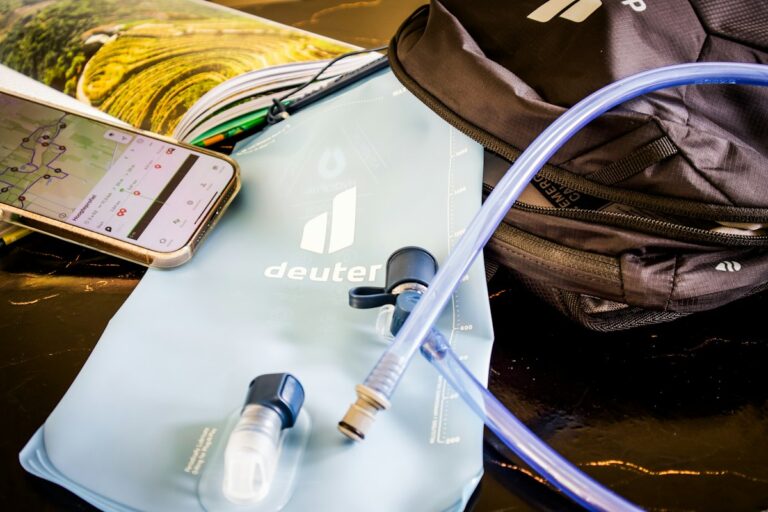
| Daypack (25-35 litres) and water carriers | You | Carry 3 litres; insulate a bladder tube on summit night |
| Trekking poles | You | Most useful on the long scree descent |
| Sleeping bag and mat | Varies by operator | Needs a rating of about -5°C or colder; ask before buying |
| Tents, stoves, gas, food, toilet tent | The crew | No need to buy for a guided climb |
One honest note on sleeping bags. The sleeping bags most Nairobi campers own are built for Naivasha or Ol Donyo Sabuk nights, not for camps at 4,600 m. If your bag is rated around 15°C, it is a warm-weather bag. Pair it with a liner and full thermals only if your operator cannot supply a colder-rated one, and treat that as a fallback rather than a plan. Check this before a bag goes onto your list of Kilimanjaro gear in Nairobi.
Where to buy Kilimanjaro gear in Nairobi, and how to order it
You can buy most of your Kilimanjaro gear in Nairobi at Hiking Outdoor Gear Hub, Mountain Mall, 3rd Floor, Shop D39 on Thika Road. We sell quality thrifted outdoor gear plus some new items, which keeps warm layers and good boots affordable. You can also order online.
The mall sits on Thika Road close to Kasarani, Garden Estate and Thome, so it is an easy place to pick up Kilimanjaro gear in Nairobi if you live along the Thika Road corridor or pass it on the way into town. We are open Monday to Friday from 8:30am to 6:00pm and Saturday from 9:00am to 2:00pm, and on Sunday by appointment. If you would rather try boots and jackets on in person before your climb, our store near Garden Estate on Thika Road is the place to do it.
If you cannot get to the shop, order your Kilimanjaro gear in Nairobi on the website and pay by M-Pesa or cash on delivery. These are the pages most climbers start with:
- Jackets and shells: the hiking jacket range, including fleeces, insulated jackets and rain shells.
- Gloves: the mittens and waterproof gloves category.
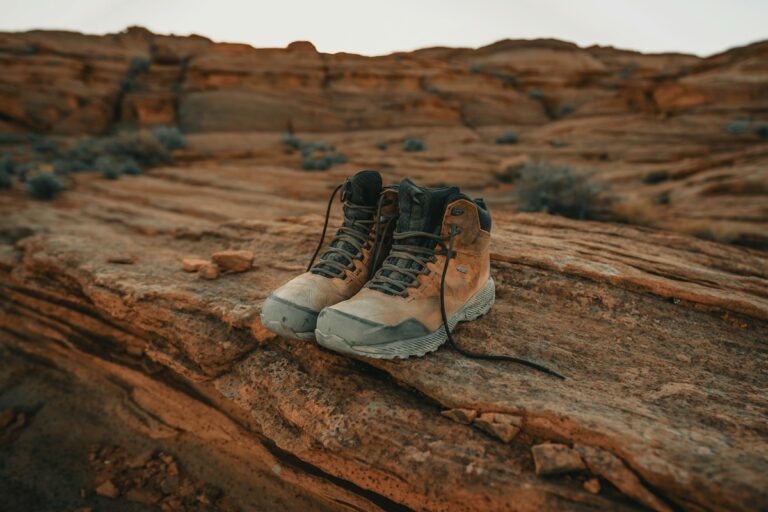
- Boots: the Lowa Renegade GTX Mid and the Keen Targhee Mid waterproof, both mid-cut boots with waterproof linings.
- Feet and legs: merino wool hiking socks and waterproof leg gaiters for rainforest mud and summit scree.
- Light and head: the waterproof rechargeable headlamp and the winter trapper hat.
- Carrying and walking: the 28L day hiking backpack, the 3L camel hydration backpack and the ultralight foldable trekking pole.
Thrifted stock of Kilimanjaro gear in Nairobi changes week to week, so if you need a particular size or a down jacket in a hurry, send us a WhatsApp before you travel across town.
Gear up for your next hike
Shop quality hiking and outdoor gear at great prices — from socks and gloves to hats, balaclavas and camping fuel. Everything you need for Kenya’s trails, delivered fast.
What should you look for when buying thrifted summit layers?
Look for working zips, intact seams, clean insulation and fabric that still sheds water. Thrifted Kilimanjaro gear in Nairobi from good brands often has years of life left, but each piece needs a quick once-over in your own hands before it goes on a mountain.
Use this checklist on every jacket, fleece and pair of trousers you consider. It takes two minutes per item, and it is the same check we would suggest for any second-hand outdoor buy. Our post on thrifted outdoor gear in Nairobi covers the wider buying approach.
| Check | What a good item looks like |
|---|---|
| Main zip | Runs the full length smoothly; pull it up and down with gloves on |
| Down jacket loft | Springs back quickly after squeezing; no flat, empty baffles or clumps |
| Shell seams | Taped seams inside are flat and fully stuck, not peeling at the shoulders |
| Water beading | Drops of water bead on the outer fabric; if they soak in, plan to re-proof |
| Fit over layers | Try the shell on over a fleece and a puffer; arms should reach above your head |
| Boot soles | Deep lugs, no cracks where sole meets upper, no crumbling midsole |
Fit over layers catches more people out than worn fabric does. A shell that feels roomy over a T-shirt in a Nairobi shop can be tight over four layers at Barafu. Bring your fleece with you when you shop for Kilimanjaro gear in Nairobi, and try every outer layer over it.
Packing for the porters, the border and the plastic ban
Pack your main kit into one soft duffel of about 15 kg, carry a 5-8 kg daypack yourself, and leave every plastic carrier bag at home. Those three rules cover most packing surprises between Namanga and the park gate, however carefully you bought your Kilimanjaro gear in Nairobi.
How heavy can your duffel be?
Porters on Kilimanjaro usually carry one duffel per climber, and most operators set a limit of about 15 kg for it, sometimes up to 20 kg. Anything over that stays at your hotel in Moshi or Arusha. Weigh your Kilimanjaro gear in Nairobi with a luggage scale before you leave; down jackets and merino layers are light, but boots, spare batteries and snacks add up quickly.
Can you pack plastic bags into Tanzania?
Tanzania banned plastic carrier bags from 1 June 2019, and travellers are asked not to bring them in. Clear zip-lock bags used for toiletries are allowed, as long as you take them home again. Pack clothes in stuff sacks or dry bags instead, and add a couple to your Kilimanjaro gear in Nairobi shopping list; they also keep layers dry in the rainforest zone. Many operators say single-use plastic water bottles are not allowed on the mountain, so carry refillable bottles or a bladder.
Getting your gear from Nairobi to Moshi
Moshi is roughly 320 km from Nairobi by road, through the Namanga border post and Arusha. Shuttle buses take around six to seven hours including the border crossing; a private car is quicker. The Rongai route starts on the north side of the mountain near the Kenyan border, but you still enter through Tanzania and need your travel documents in order.
Once your Kilimanjaro gear in Nairobi is bought, carry your boots, summit jacket and any medication in your hand luggage or day bag on the shuttle. If a duffel goes missing or arrives late, you can still climb in the boots you are wearing and borrow the rest. Confirm current park rules, entry requirements and fees with Tanzania National Parks or your operator before you travel, as they change.

Which mistakes do Nairobi climbers make with Kilimanjaro kit?
The most common mistakes are new boots, cotton clothing, one pair of thin gloves and a headlamp that dies in the cold. Each one is cheap to avoid when buying Kilimanjaro gear in Nairobi and hard to fix once you are above 4,000 m.
Wearing boots straight out of the box
Blisters from unbroken boots can end a Kilimanjaro climb as surely as poor fitness. Buy boots first when you shop for Kilimanjaro gear in Nairobi, at least a month before you fly or drive south, and walk at least 30 km in them on local trails. If you are choosing between models, our guide to hiking boots for men in Nairobi compares the main pairs side by side.
Packing cotton
Cotton T-shirts and jeans soak up sweat and rain and stay wet, which pulls heat from your body at night. Swap them for synthetic or merino base layers when you buy Kilimanjaro gear in Nairobi. The only cotton worth packing is a clean set of clothes to change into back at the hotel.
Forgetting the eyes and the sun
At this altitude, ultraviolet light is much stronger than in Nairobi, and snow near the summit reflects it back up at your face. Category 3 or 4 sunglasses rated UV400, a wide-brim hat for the lower days and high-SPF sunscreen all belong on your list of Kilimanjaro gear in Nairobi. Our post on hiking sunglasses in Kenya explains what the lens ratings mean.
Ignoring altitude in the kit plan
No Kilimanjaro gear in Nairobi will stop altitude sickness, but the right kit can help you cope: a pee bottle saves cold trips out of the tent, and a hydration bladder makes it easier to keep drinking. Learn the symptoms before you go from the NHS guide to altitude sickness, and speak to a doctor about your own health before any climb above 4,000 m.
Pro Tips Before You Leave Nairobi
- Do a full dress rehearsal: put on all your Kilimanjaro gear in Nairobi at home and walk around for 20 minutes; anything that rubs or pinches will be worse at 5,000 m.
- Label the duffel: name, phone number and operator inside and outside, in case it is loaded onto the wrong vehicle in Moshi.
- Charge everything twice: headlamp, phone and power bank the night before you leave Nairobi and again in Moshi.
- Keep batteries warm: on summit night, carry spare batteries and your phone in an inside pocket close to your body.
- Pack two sock systems: one pair for walking and one dry pair kept only for camp and sleeping.
- Split your kit: once your Kilimanjaro gear in Nairobi is packed, keep the rain shell, warm layer and water in the daypack, never only in the duffel.
How can you test your gear on Kenyan hikes before the climb?
Test your kit on two or three long or high Kenyan hikes in the weeks before you leave. A cold, wet day in the Aberdares or a dawn start on a crater rim will show you what works far better than trying on Kilimanjaro gear in Nairobi shops can.
Mt Longonot is a good first test: about 13.5 km around the crater rim, steep loose ash on the climb, and a chance to see how your boots and socks behave on a slope. Our Mt Longonot hike guide covers the route. For mud, cold and long hours on your feet, the Elephant Hill hike in the Aberdares is a tougher rehearsal, and it rains there often enough to test your shell properly.
If you can manage it, a climb of Mt Kenya before Kilimanjaro is the best test of all. Point Lenana reaches 4,985 m, so you meet real cold, real altitude and a pre-dawn summit start. Our list of Mt Kenya gear in Nairobi overlaps almost entirely with the Kilimanjaro list, so the Kilimanjaro gear in Nairobi you buy does double duty. For the bigger picture of what every Kenyan hiker should own, see our hiking gear checklist for Kenya.
After each test hike, write down anything that felt cold, wet or sore. That short list becomes your final shopping list for Kilimanjaro gear in Nairobi, and it is usually much shorter than people expect.
Ready to hit the trail?
Join one of our upcoming guided hikes — from beginner-friendly day hikes to longer treks across Kenya’s best routes.

Frequently Asked Questions
Can I just hire my Kilimanjaro gear in Moshi instead of buying it in Nairobi?
Hiring in Moshi works for bulky items such as sleeping bags and insulated jackets, and many operators offer it. The risk is fit and condition: you see the gear only a day before the climb. Boots, socks, base layers and gloves are better bought as Kilimanjaro gear in Nairobi and worn in at home, because those are the items that cause blisters and cold hands when they do not fit.
How warm does a sleeping bag need to be for Kilimanjaro?
A sleeping bag for Kilimanjaro should have a comfort rating of about -5°C or colder, because high camps such as Barafu at around 4,673 m regularly drop below freezing at night. A bag rated near 15°C is a warm-weather bag and is not enough on its own. Ask your operator whether they supply cold-rated bags before you buy one.
Do I really need gaiters on Kilimanjaro?
Gaiters are not compulsory on Kilimanjaro, but most climbers are glad of them. In the rainforest they keep mud off your socks, and on the descent from the summit they stop scree and grit from filling your boots. Lightweight waterproof gaiters weigh little, pack small and also earn their place on muddy Kenyan trails such as Elephant Hill.
Is thrifted gear good enough to climb Kilimanjaro?
Thrifted gear is good enough for Kilimanjaro when it is the right type and in good condition. A second-hand down jacket with full loft, a shell with intact seams and boots with deep tread will perform like new ones. Check zips, insulation and soles yourself before buying thrifted Kilimanjaro gear in Nairobi, and spend the savings on new socks and gloves.
Is Kilimanjaro colder than Mt Kenya?
Kilimanjaro’s summit is usually colder than Mt Kenya’s trekking summit because Uhuru Peak (5,895 m) is about 900 m higher than Point Lenana (4,985 m). Summit night on Kilimanjaro is also longer, often six to eight hours. Kit that kept you warm on Mt Kenya is a good base, but add a warmer mitten and an extra layer for the legs.
Final Thoughts
Six days of walking end in one cold night, and that night is what your kit is for. Own the layers, gloves, boots and headlamp yourself, let the crew carry the camp, and test everything on a Kenyan mountain first. Buying Kilimanjaro gear in Nairobi, much of it quality thrifted, keeps that kit affordable.
Your next step: get your operator’s kit list, tick off what they supply, then pick up the rest of your Kilimanjaro gear in Nairobi at Mountain Mall on Thika Road or order online and have it delivered.
Not sure your layers are warm enough for Uhuru Peak?
Our team can help you choose the right gear, answer your hiking questions and get your order dispatched quickly. Message us for a quick, straight answer.