A sweat-soaked football T-shirt started Under Armour in 1996, and that origin still explains how the brand behaves on Kenyan trails. Its HeatGear and Iso-Chill tops are excellent for hot, sweaty climbs, ColdGear base layers handle cold mountain mornings, and UA Storm pieces shrug off drizzle but are not true rain shells.
Most Kenyan hikers meet Under Armour in a gym bag long before they see it on a mountain, so it is fair to ask whether the logo belongs on Longonot or the Aberdares. The answer depends on which line you pick up. Below we sort the useful fabrics from the gym-only ones, look at the Valsetz shoes and Hustle backpacks, show three real hiking outfits, and explain what to check when you buy thrifted Under Armour in Nairobi.

Under Armour at a Glance
- Founded: 1996 by Kevin Plank, a former University of Maryland football special-teams captain; headquarters in Baltimore, USA.
- Core idea: synthetic fabric that pulls sweat off the skin and dries fast, instead of soaking up like cotton.
- Hot-weather lines: HeatGear (skin-tight compression layers) and Iso-Chill (flat fibres that feel cool to the touch; the Explor Iso-Chill tops carry a UPF 50+ rating).
- Cold-weather lines: ColdGear, with a brushed inner face that traps heat, and ColdGear Infrared, added in 2013.
- Rain: UA Storm is a water-resistant treatment, not a waterproof membrane.
- Hiking footwear: the Charged Valsetz family and the Micro G Valsetz Trek Mid waterproof boot.
- In Nairobi: our thrifted big-brand stock changes week to week, so ask on WhatsApp what Under Armour pieces are in.
What Is Under Armour Known For?
Under Armour is known for moisture-wicking performance clothing, especially tight-fitting base layers. It is an American sportswear company rather than a mountaineering specialist, so its strengths are fabrics that manage sweat, not storm shells or technical packs.
The story is simple. Kevin Plank was tired of changing out of heavy, wet cotton T-shirts during football practice at the University of Maryland, yet noticed that his synthetic compression shorts stayed dry. He built a shirt from the same kind of fabric, started the business in his grandmother’s basement in Washington, D.C., and later moved it to Baltimore. By the end of 1996 he had sold around 500 HeatGear shirts. ColdGear followed, and the brand grew into shoes, bags and the full range you see today.
That history matters on the trail. A brand born on hot football fields thinks first about sweat, freedom of movement and fit. Those are exactly the problems a hiker faces on a steep, sunny ascent like the crater rim at Longonot or the climb to the summit of Ol Donyo Sabuk. Where Under Armour is weaker is the kit that mountain brands obsess over: fully taped waterproof jackets, load-carrying rucksacks and stiff mountain boots.
Is Under Armour a hiking brand or a gym brand?
Under Armour is mainly a training and team-sports brand that also makes some outdoor pieces. Treat it as a source of base layers, T-shirts and light mid-layers, then pair it with a proper rain shell and boots. If you want a brand built around the mountains first, our round-up of hiking boot brands and our look at Columbia hiking gear in Nairobi are useful comparisons.
Which Under Armour Fabrics Work on Kenyan Trails?
Four Under Armour fabric families are worth knowing for Kenyan hiking: HeatGear, Iso-Chill, ColdGear and UA Storm. The label on the inside or at the hem usually names the technology, which tells you more than the colour or the cut.
| Line | What it does | Best Kenyan use | Watch out for |
|---|---|---|---|
| HeatGear | Light compression layer that moves sweat to the surface so it evaporates | Hot climbs: Longonot, Hell’s Gate, Lukenya | Skin-tight fit can rub under pack straps on long days |
| Iso-Chill | Flat fibres spread heat; titanium dioxide helps the fabric feel cool | Exposed, sunny trails and lowland walks near Nairobi | Only some pieces carry a UPF rating; check the tag |
| ColdGear | Brushed inner face traps warmth; smooth outer face wicks and dries fast | Dawn starts in the Aberdares, Mt Kenya camps | Not windproof; needs a shell over it above 4,000 m |
| UA Storm | Water-resistant treatment that makes light rain bead and roll off | Misty forest mornings, short showers | Soaks through in a long afternoon downpour |
HeatGear and Iso-Chill for hot, sunny hikes
HeatGear and Iso-Chill are the Under Armour lines to reach for on hot hikes. HeatGear is the original skin-tight layer, built to pull sweat off your body quickly, while Iso-Chill uses flat fibres and titanium dioxide so the fabric feels cool when it touches your skin.
On a February morning on the Longonot rim, where there is almost no shade and the ash throws heat back at you, a wicking top makes a real difference compared with cotton. Cotton holds sweat, gets heavy and then chills you when the wind picks up at the top. A synthetic layer dries in minutes once you stop. If sun is the bigger problem than heat, a long-sleeve Explor Iso-Chill top with its UPF 50+ rating covers your arms without the weight of a shirt, which helps at the equator where midday sun is strong year round.
ColdGear and Infrared for cold mountain mornings
ColdGear is the Under Armour base layer for cold starts. Its brushed interior traps a thin layer of warm air, while the smooth outer face moves moisture away so you do not freeze once you stop climbing.
ColdGear Infrared, introduced in 2013, adds a ceramic print on the inside that the brand says recirculates body heat. Whatever the science, the practical use is clear: a ColdGear top under a fleece is a comfortable combination for the 6 a.m. start at Elephant Hill, or for the evening at a Mt Kenya camp when temperatures drop towards freezing. For a wider look at warm base layers, see our page on thermal wear in Nairobi.
Is UA Storm waterproof?
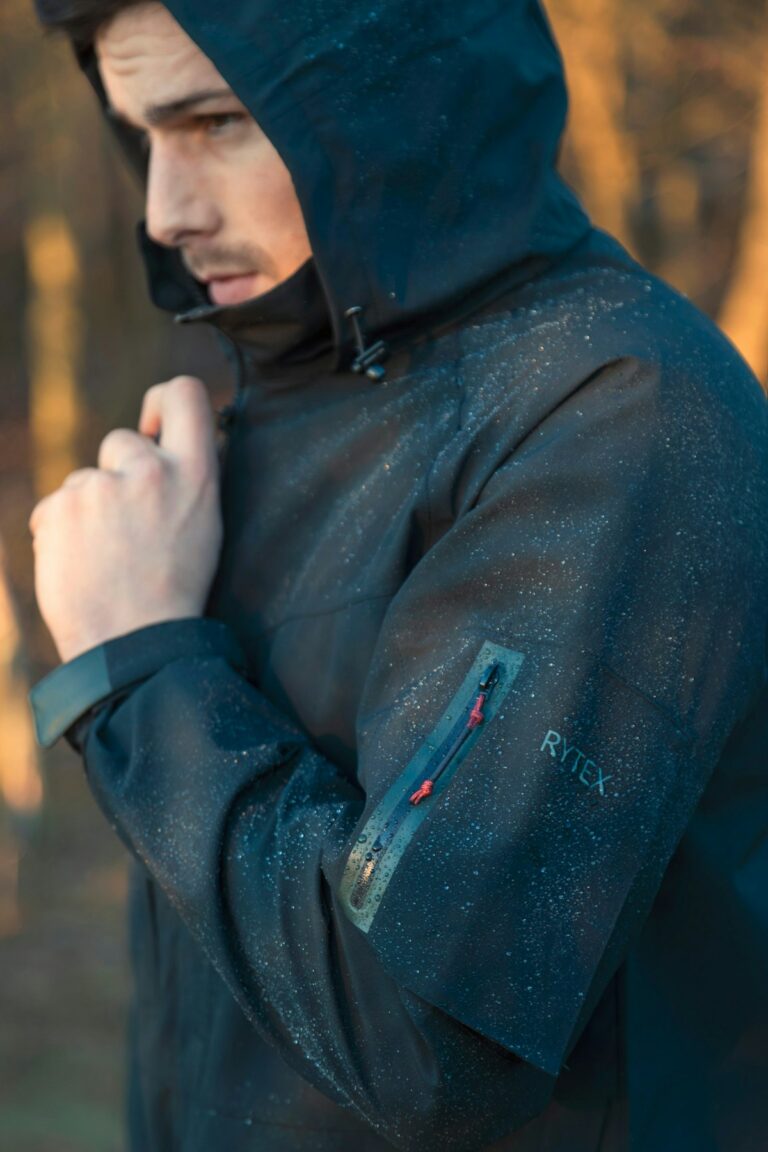
No. UA Storm is a water-resistant finish, and Under Armour itself describes it as a treatment that makes rain roll off your gear. It is good for drizzle and mist, but a long tropical downpour will eventually soak through.
This matters right now, because the short rains usually run from about October to December and the long rains from roughly March to May. A Storm hoodie is fine for a misty walk in Karura Forest. For the Aberdares or Mt Kenya in the rains, wear it as a mid-layer under a real shell. Our rain jackets and a pair of waterproof rain pants keep that Storm layer doing the job it was designed for.
What do compression, fitted and loose mean on Under Armour labels?
Under Armour labels many garments by fit. Compression is skin-tight, fitted sits close without squeezing, and loose hangs freely. For hiking, fitted and loose tops are usually more comfortable over a long day, while compression works best as a base layer under other clothes.
A compression HeatGear top can feel great for the first two hours, then start to rub where your backpack straps press against your shoulders. If you are between sizes, the fitted version is a safer pick for an all-day hike. Loose Iso-Chill or tech T-shirts suit hot days because air can move under the fabric.
Are Under Armour Hiking Shoes Good for Kenyan Trails?
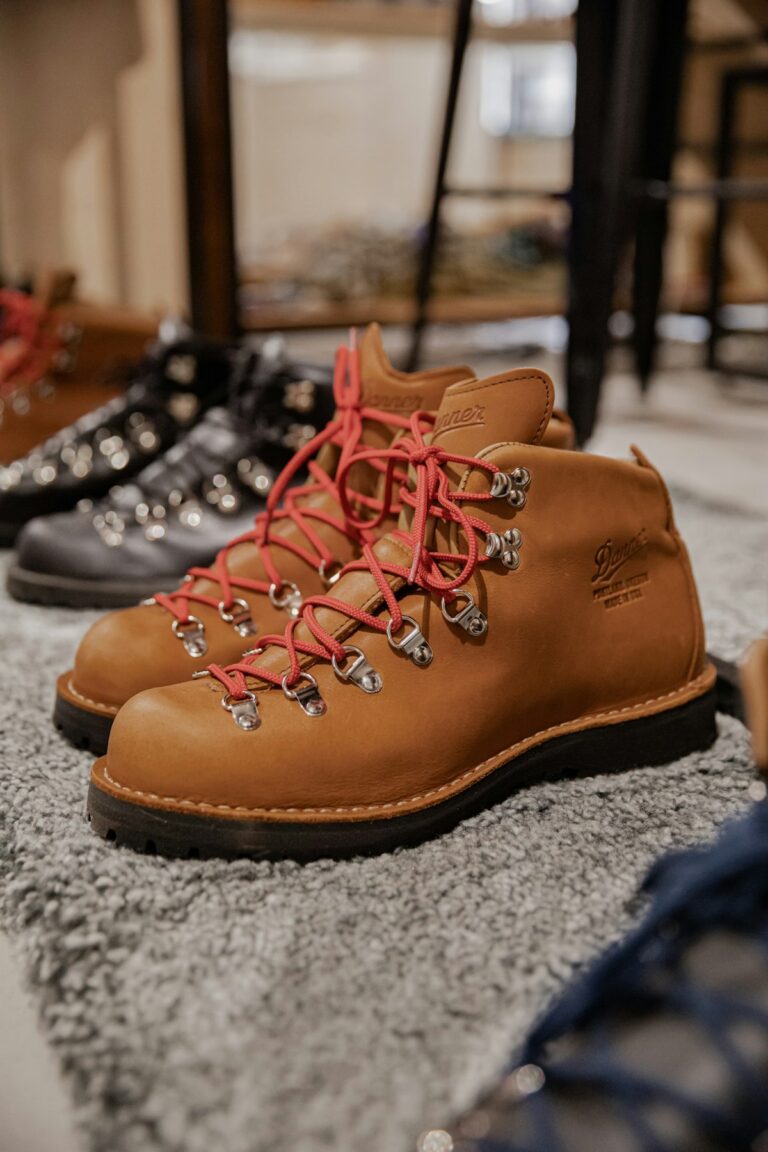
Under Armour hiking shoes are good for dry, well-made trails and light day hikes. The Valsetz range began as tactical footwear, so it is light and comfortable, but it is not as stiff or protective as a dedicated trekking boot on rough volcanic ground.

Charged Valsetz
The Charged Valsetz uses a breathable synthetic upper with PU overlays, a full-length Charged Cushion midsole and moulded Contoura footbed. Some versions carry a Vibram XS Trek outsole, which grips well on uneven ground. Pull loops on the heel and tongue make it quick to get on and off.
On Kenyan trails, this kind of shoe suits Ngong Hills in the dry season, the forest paths of Karura and Oloolua, and short hikes where speed and comfort matter more than ankle protection. Not every Valsetz is waterproof, so read the tag. A non-waterproof pair will dry faster after a stream crossing, which some hikers prefer on warm days.
Micro G Valsetz Trek Mid waterproof
The Micro G Valsetz Trek Mid is the more hiking-focused option: a mid-height waterproof boot with a full-length Micro G foam midsole. It gives you dry feet in mud and some ankle cover, while staying lighter than most leather boots.
If you mostly hike in the rains or in boggy country such as the Kinangop plateau, a classic waterproof hiking boot will usually give more support underfoot. Compare it with the Quechua waterproof hiking boot or the Keen Targhee Mid waterproof, both built around trekking rather than tactical work. Whatever you choose, pair it with merino wool hiking socks rather than cotton sports socks.
Can an Under Armour Backpack Handle a Day Hike?
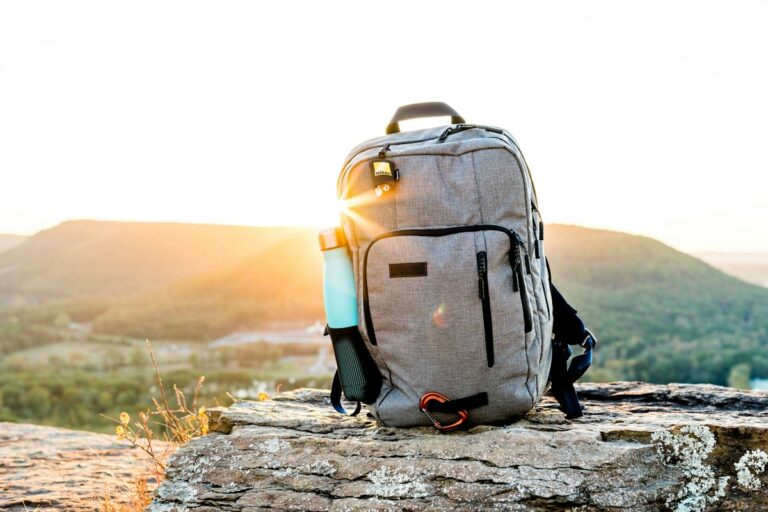
An Under Armour backpack like the Hustle 6.0 can handle short day hikes, but it is designed as a sports and commuter bag. It carries well with light loads and lacks the hip belt and back ventilation of a dedicated hiking pack.
The Hustle 6.0 holds 29 litres, has a padded sleeve for a 16-inch laptop, a side pocket for a 32 oz (about 950 ml) bottle, a separate compartment for shoes or dirty clothes, and a UA Storm water-resistant finish. That makes it a sensible bag for a Karura walk after work or a short Ngong Hills morning. For a full day carrying 2-3 litres of water, a rain jacket and lunch, a pack built for walking spreads the load better. Our 28L day hiking backpack is a good match, and our guide to hydration packs in Nairobi covers the drinking-tube option.
Gear up for your next hike
Shop quality hiking and outdoor gear at great prices — from socks and gloves to hats, balaclavas and camping fuel. Everything you need for Kenya’s trails, delivered fast.
How Should You Build a Hiking Outfit Around Under Armour?
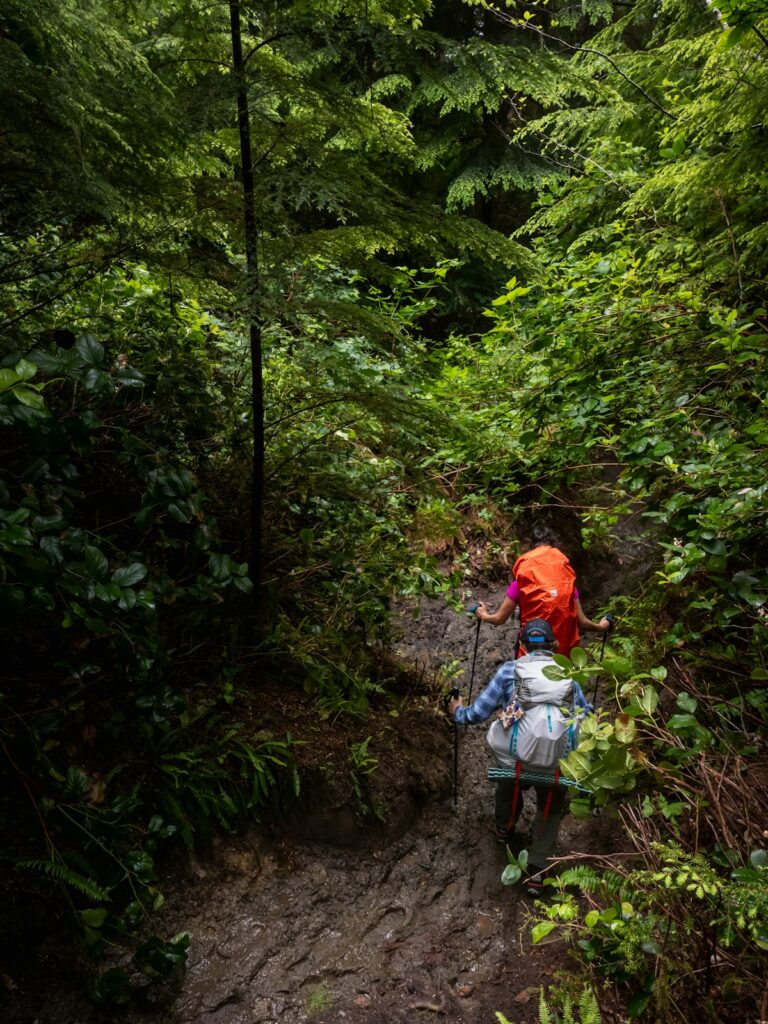
Build it in layers: an Under Armour wicking top next to the skin, then insulation and a waterproof shell from whichever brand does those best. Three common Kenyan hikes show how that works in practice.
- Mt Longonot in the dry season: a loose Iso-Chill or HeatGear T-shirt, light trousers or zip-off pants, a wide-brim hat and sunglasses, plus 2-3 litres of water. The rim is about 13.5 km including the climb from the gate, with little shade, so a fast-drying top is the single most useful clothing choice.
- Elephant Hill in the Aberdares during the rains: a ColdGear long-sleeve base, a fleece, a waterproof jacket and rain pants, gaiters and gloves. Bamboo and moorland sections stay wet, and the summit at around 3,600 m can be cold and misty even at midday.
- Mt Kenya summit night: a ColdGear base on top and bottom, a fleece, a down or synthetic insulated jacket, a hardshell, a balaclava, warm gloves and a headlamp. Point Lenana stands at 4,985 m, and the pre-dawn push is the coldest part of the trip.
Notice that Under Armour does one job in each outfit. It sits closest to your skin and manages sweat, which is where the brand is strongest. Our layering for cold weather hikes page explains how the other layers fit around it.

What Should You Check When Buying Second-Hand Under Armour?
Check stretch, fabric surface, seams and labels. Under Armour garments are mostly synthetic with some elastane, so they last well, but compression pieces lose grip over time and brushed ColdGear interiors flatten with heavy washing.
Thrifted gear is one of the easiest ways to get good kit at a fair price, and quality pre-owned Under Armour turns up often because so much of it is sold worldwide. A few minutes of checking separates a great find from a tired one:
- Stretch: pull a compression or fitted top gently and let go. It should spring back. A baggy, rippled feel means the elastane is worn out.
- Inside face: on ColdGear, the brushed side should still feel soft and slightly fluffy. Flat, shiny patches hold less warmth.
- Pilling: look under the arms and where a backpack would rub. Light pilling is fine; thin patches you can see light through are not.
- Storm finish: sprinkle a few drops of water on the shoulder. If they bead, the finish still works; if they soak in at once, it needs re-proofing.
- Shoes: press the midsole with your thumb and check the lugs. Cracked foam or worn-smooth outsoles mean the shoe has done its miles.
- Zips and cuffs: run every zip end to end and check that thumb loops and elastic cuffs are intact.
How can you tell if Under Armour is genuine?
Genuine Under Armour usually has neat, even stitching, a crisp logo that is cleanly printed or stitched, and inner tags with care instructions, fabric content and a style number. Fakes often have blurred logos, uneven seams or missing inner tags.
The style number is a handy clue. Under Armour lists one for each product, for example the Hustle 6.0 backpack is style 1384672 on the brand’s own site, so a tag with a clear style code and size is a good sign. None of these signs is proof on its own, and labels can fade on older pieces, so judge the garment as a whole: fabric feel, stitching, tag and price together.
Pro Tips for Hiking in Under Armour
- Wear compression as a base layer, and pick fitted or loose tops for all-day hikes under a backpack.
- Carry a real waterproof between October and December; UA Storm alone will not keep you dry in a long storm.
- Pack a dry Under Armour top in a plastic bag for the summit or the drive home; synthetic fabric weighs very little.
- Wash in cold water and skip fabric softener, which can coat synthetic fibres and slow down wicking.
- Air-dry out of direct sun; high heat from irons and tumble dryers can damage elastane and printed logos.
- Use merino or hiking-specific socks with Valsetz shoes, not cotton sports socks.
Where Can You Find Under Armour in Nairobi?
You can find Under Armour in Nairobi among our thrifted and new stock at Mountain Mall on Thika Road. Our big-brand pieces change often, so the fastest way to know what is in is to message us on WhatsApp before you come.
Come and browse the clothing racks in Shop D39 at Mountain Mall, on the 3rd floor, Thika Road, Nairobi, close to Kasarani, Garden Estate and Thome. We are open Monday to Friday from 8:30am to 6:00pm, Saturday from 9:00am to 2:00pm, and on Sunday by appointment. You can also browse our Under Armour brand page to see whatever we have listed online at the moment.
If the exact piece you want is not in, we will suggest the closest alternative from our racks, such as a quick-dry T-shirt from our quick dry shirts in Nairobi range or a thermal set for Mt Kenya. Because most of our gear is quality thrifted, good layers cost far less than buying everything new.
How Do You Care for Under Armour Hiking Clothes?
Wash Under Armour hiking clothes inside out in cold water, skip fabric softener and bleach, and let them air-dry. Synthetic fabric dries quickly on a line, so there is rarely a reason to use high heat.
Sweat and red dust are the two things Kenyan trails leave behind. Rinse a top the same evening if you can, especially after a dusty dry-season hike, because salt and soil left in the fabric hold odour. For UA Storm pieces, a spray-on water-repellent treatment restores the beading effect once water stops rolling off. Shoes need a different routine: knock off mud, rinse the outsole, pull out the footbed and dry them in the shade, stuffed with newspaper. Never dry them next to a jiko or heater, as heat can weaken the glue between sole and upper.
Ready to hit the trail?
Join one of our upcoming guided hikes — from beginner-friendly day hikes to longer treks across Kenya’s best routes.
Frequently Asked Questions
Is Under Armour actually good for hiking?
Under Armour is good for hiking base layers and T-shirts, because its synthetic fabrics wick sweat and dry fast on hot Kenyan climbs. It is less suited to waterproof jackets or heavy-duty boots, so most hikers mix Under Armour tops with a dedicated rain shell, a fleece and trekking boots from brands built for the mountains. Used that way, it is a comfortable and practical choice.
HeatGear or ColdGear for Mt Kenya?
ColdGear is the better choice for Mt Kenya, because nights at the high camps fall to around freezing and the summit push to Point Lenana is colder still. HeatGear works on the lower forest sections, where the climb is warm. Many hikers carry both: HeatGear for the walk-in, ColdGear for evenings and summit night, always with fleece, insulation and a waterproof shell on top.
Can I hike all day in an Under Armour compression top?
You can hike all day in an Under Armour compression top, but many people find it rubs under backpack straps after a few hours. Compression fits work best as a base layer under a loose shirt or fleece. For an all-day hike in the sun, a fitted or loose HeatGear or Iso-Chill top lets air move and usually feels more comfortable.
Are Under Armour Valsetz boots waterproof?
Some Under Armour Valsetz boots are waterproof and some are not. The Micro G Valsetz Trek Mid waterproof is built to keep feet dry on wet trails, while several standard Charged Valsetz versions use a breathable synthetic upper with no waterproof claim. Check the tag or product name for “WP” or “waterproof” before buying, especially for hiking during Kenya’s rainy seasons.
Do Under Armour clothes run small?
Under Armour clothes follow US sizing, and the compression line is designed to fit tightly, so many buyers feel it runs small. If you sit between two sizes, choose the larger one for hiking tops you will wear under a backpack. Fitted and loose pieces are closer to normal T-shirt sizing. Always try a thrifted piece on, since older garments may have shrunk slightly.
Final Thoughts
Read the tag before you read the logo. Under Armour shines as the layer closest to your skin, with HeatGear and Iso-Chill for hot ascents and ColdGear for freezing dawns, while the rain shell, insulation and boots are usually better sourced from brands that live in the mountains.
Your next step: pick the hike you are planning, decide whether it is a heat problem or a cold problem, then message us to ask which Under Armour tops and matching layers are on our racks this week. For background reading, Under Armour explains its HeatGear and ColdGear fabrics on its own site.
Hunting for a particular Under Armour layer before your next hike?
Our team can help you choose the right gear, answer your hiking questions and get your order dispatched quickly. Message us for a quick, straight answer.