
A Lukenya Hills hike takes you onto a long ridge of grey rock and boulders rising out of the Athi plains, about 40-50 km south-east of Nairobi along Mombasa Road. Short walks to the cliff tops take two to three hours, while one recorded full loop from Lukenya Academy ran 25 km with 538 m of climbing.
Most people know Lukenya only as the rocky hill they pass on the way to Mombasa, so it is easy to arrive unprepared for sandy paths, thorn scrub, strong sun and club-owned land. Below: routes, transport from Nairobi, access rules, the best months, wildlife safety and what to wear.
Lukenya at a Glance
- Location: Machakos County, beside the Nairobi–Mombasa highway, beyond Athi River.
- Distance from Nairobi: roughly 40-50 km, about 45 minutes to an hour by car outside rush hour.
- Altitude: about 1,600 m on the plains to around 1,850 m on the high ground (one GPS record).
- Hike length: 2-3 hours for a short cliff-top walk; one recorded full loop was 25 km in about 6.5 hours.
- Difficulty: easy to moderate; faint paths, soft sand and some boulder scrambling.
- Access: much of the crag land belongs to the Mountain Club of Kenya, which charges non-members a daily guest fee.
What Is Lukenya, and Why Hike There?
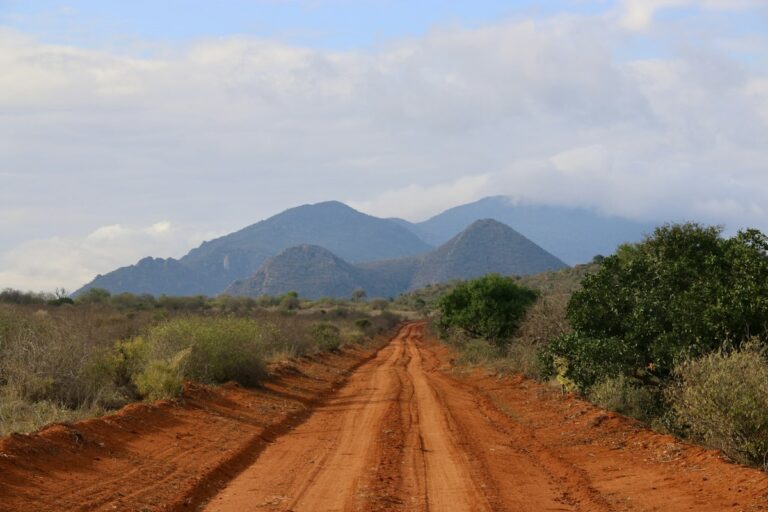
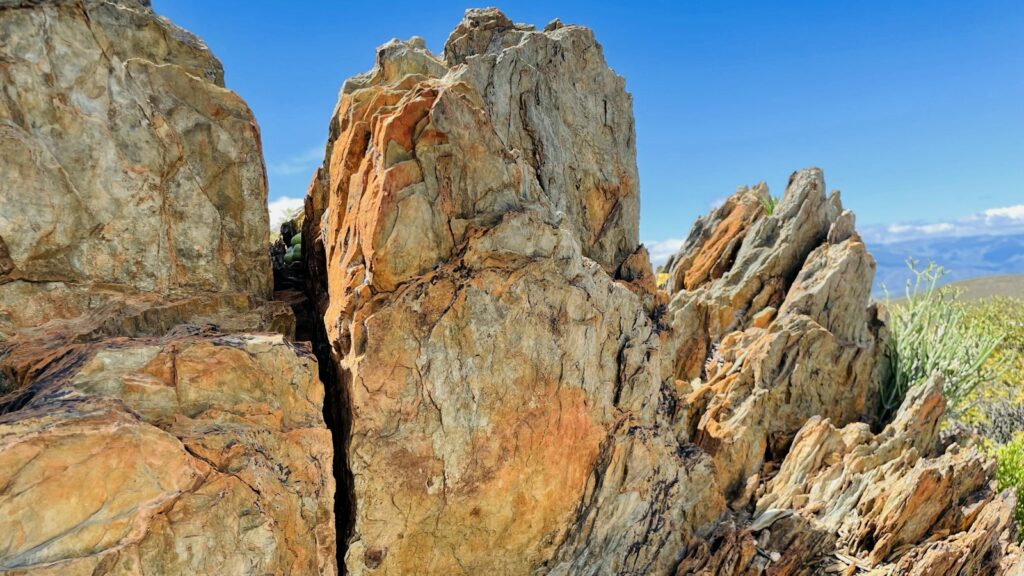
Lukenya is an inselberg, an isolated rocky hill standing alone on flat grassland, covering about 16 km² and rising roughly 100-200 m above the Athi-Kapiti Plain. Its rock is ancient Precambrian gneiss, broken into cliffs, slabs and boulder fields.
For hikers from Nairobi, the appeal of a Lukenya Hills hike is real rock scenery without a long drive. You walk through dry savanna scrub, scramble between car-sized boulders and come out on cliff edges above the Machakos countryside.
The hill has a long human story too. A rock shelter here, known to archaeologists as GvJm-22, yielded more than 50,000 stone tools, and a peer-reviewed study of the site dated a partial human skull from it to roughly 23,000 years ago. Leave any rock overhang you pass as you found it.
How Do You Get to Lukenya From Nairobi?
Drive south-east on Mombasa Road through Mlolongo and past Athi River, with the rocky ridge of Lukenya on your left. Most hikers set their maps to Lukenya Academy, whose grounds lead to the base of the cliffs, or to Lukenya Getaway, another common starting point.
By car
For a Lukenya Hills hike by car, leave Nairobi before 7:00 am on a Saturday, or go on a Sunday, when climbers say Mombasa Road traffic is usually lighter. Sand mining has damaged parts of the track to the cliffs, and it turns rocky and rutted after rain, so a low saloon may struggle in the wet months.
By matatu or train
A Lukenya Hills hike without a car is easy to arrange. Matatus heading down Mombasa Road beyond Athi River pass close by; tell the conductor before you board, get off at the Lukenya stage and take a boda boda to the start. A commuter rail line also links Lukenya with central Nairobi; check current timetables with Kenya Railways.
Lukenya Hills Hike Routes: Short Walk or Full Loop?
Lukenya has no single marked trail. Instead, a web of faint paths links the school, the cliff bases, the boulder field and the high ground, so you can choose a two-hour stroll or a full day.
| Option | Distance and time | What you get | Who it suits |
|---|---|---|---|
| Cliff-top walk | About 5-8 km, 2-3 hours | Bush paths, boulders, a viewpoint over the plains | Families, first-timers, a half day |
| Ridge and boulder field | About 10-15 km, 4-5 hours | Longer ridge walking, scrambling, crag views | Regular weekend hikers |
| Full loop | 25 km, about 6.5 hours (one GPS record) | 538 m of ascent, 1,597-1,853 m, most of the hill | Fit hikers training for bigger mountains |
The shorter figures are estimates, since groups link the paths differently. The 25 km loop comes from one hiker’s recorded track from Lukenya Academy and back.
The walk in from the school
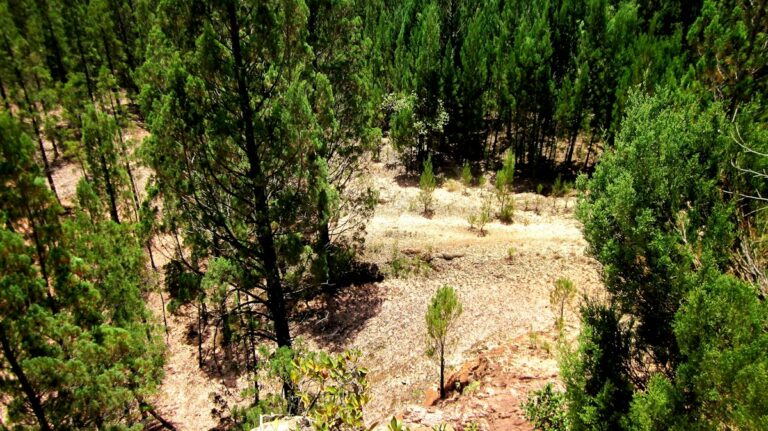
The first stretch of a Lukenya Hills hike climbs gently through thorny bush and loose sand. Paths split and rejoin, and rocks hide in the grass. Scattered acacia gives the only shade before open rock.
The cliffs and the boulder field
The cliffs are the heart of any Lukenya Hills hike. Climbers name the faces Main Face, Upper Cliffs, Archway, Edinburgh Castle and Nemesis, the tallest about 74 m high, with a boulder field of giant blocks below. Keep clear of climbers and never throw anything off the top.
The high ground
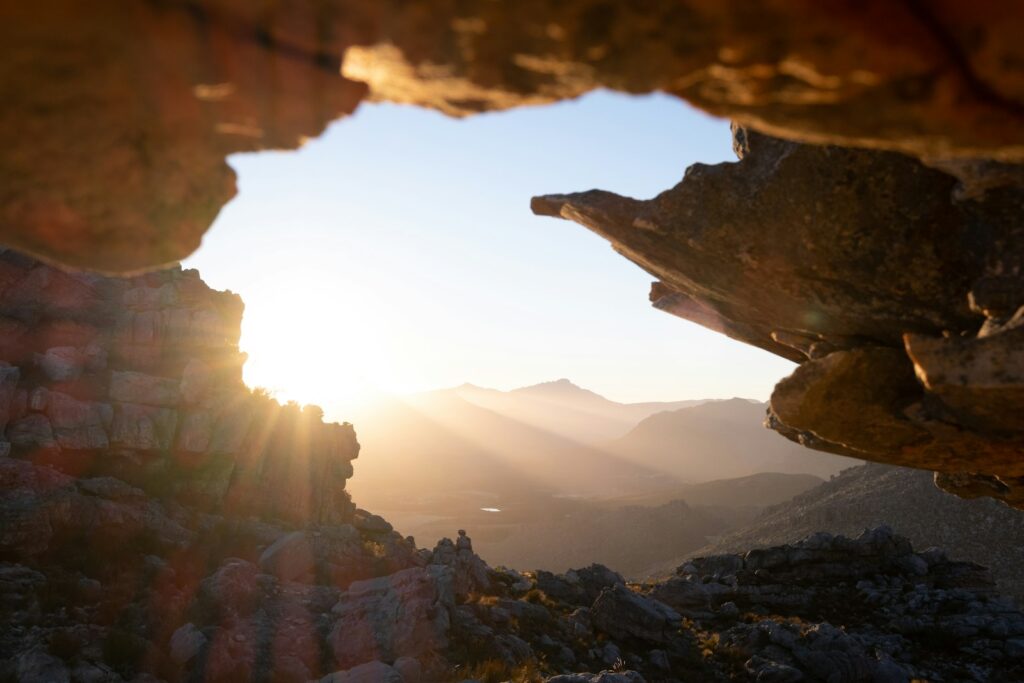
Above the crags, the hill flattens into rocky grassland at roughly 1,800-1,850 m. On a very clear morning some hikers report seeing Mt Kenya to the north and Kilimanjaro to the south. Retrace your steps if unsure of the path; the scrub all looks alike.
Do You Need Permission or Pay a Fee?
Yes, usually. The Mountain Club of Kenya bought most of the crag land in 1968, and non-members pay a daily guest fee to use it. Commercial groups need the club’s agreement in advance.
Before a Lukenya Hills hike, check the current fee and payment method with the Mountain Club of Kenya and sign in where asked. Areas such as Eagle’s Nest Face can close while eagles nest, with notices at the gate. Starting from Lukenya Getaway? Ask about its own terms.
When Is the Best Time to Hike Lukenya?
The drier months of January-February and June-September are best for Lukenya, when paths are firm and the access track is easiest. The long rains (roughly March-May) and short rains (roughly October-December) green the hill but make the sand and rock slippery.
Time of day matters more than the month. Lukenya sits on the hot side of Nairobi with little shade, so start walking by 8:00 am and be off the open rock by early afternoon. In the rainy months, mornings on the hill are pleasant, with dust-free air, but storms build after lunch and wet gneiss is slick.
What Should You Wear and Pack for a Lukenya Hills Hike?
Wear light boots or sturdy trail shoes with a grippy sole, long trousers against thorns, a wide-brim hat and a breathable long-sleeve top. Carry 2-3 litres of water.
Footwear matters on a Lukenya Hills hike because you move between soft sand and hard, rounded rock. Light boots such as the Quechua MH100 hiking boots keep sand out and give enough grip for scrambling, without the weight of a mountain boot. Pair them with merino wool hiking socks, which cope with heat and sweat far better than cotton and cut down on blisters.
There is nowhere to refill on the hill. A 3L camel hydration backpack lets you sip as you scramble. Against the equatorial sun, a wide-brim safari hiking sun hat shades your neck and ears on the exposed high ground.
Much of what we stock is quality thrifted gear from well-known outdoor brands, plus some new items, which keeps a proper kit affordable. You can try boots on before a Lukenya Hills hike at the Hiking Outdoor Gear Hub shop in Mountain Mall, 3rd Floor, Shop D39 on Thika Road in Nairobi, open Monday to Friday 8:30 am-6:00 pm and Saturday 9:00 am-2:00 pm, with Sunday visits by appointment.
Gear up for your next hike
Shop quality hiking and outdoor gear at great prices — from socks and gloves to hats, balaclavas and camping fuel. Everything you need for Kenya’s trails, delivered fast.
Before You Leave Nairobi
- Download a map: save an offline map or GPS track before a Lukenya Hills hike; paths are faint and signal drops behind the rock.
- Carry cash: for the guest fee and boda bodas.
- Pack 2-3 litres: more for the full loop; there is no water on the hill.
- Cover your legs: thorn scrub and grass seeds punish shorts.
Is a Lukenya Hills Hike Safe?
Lukenya is safe for walkers who go in a group, in daylight, and stay alert on the rocks. The main hazards are heat, dehydration, slips on sand or wet slabs, and edges above the cliffs.
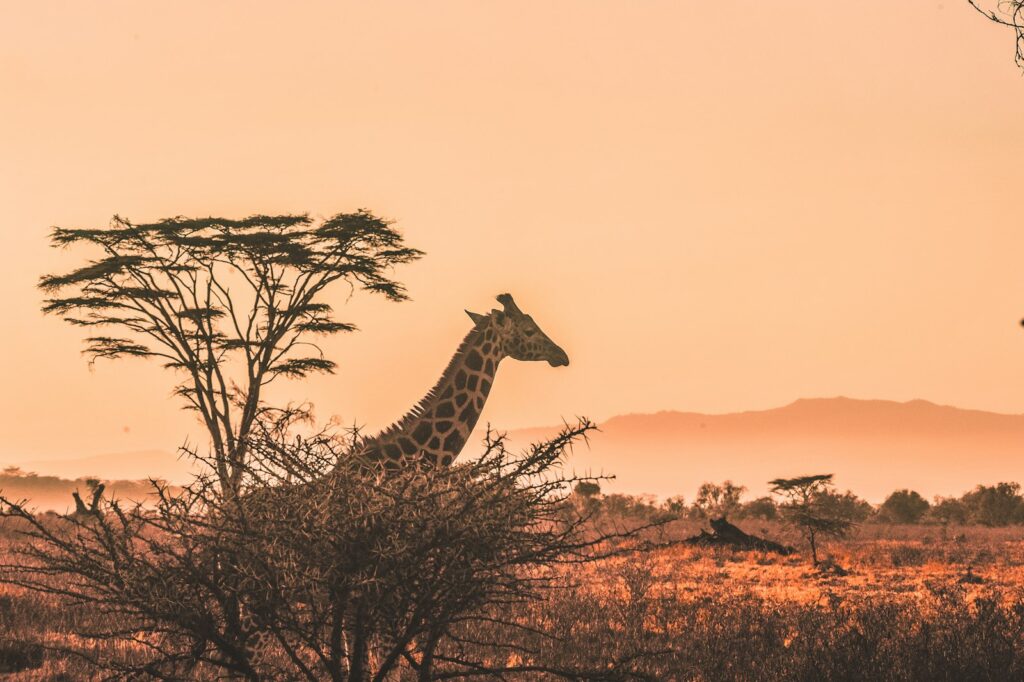
Giraffe, zebra, eland and wildebeest roam the Athi plains, and climbers report resident leopards, hyenas and snakes on the hill. These animals usually avoid people, but give big grazers space, watch your hands when scrambling and finish your Lukenya Hills hike before dusk. Carry out all rubbish.
On a first Lukenya Hills hike, go with someone who knows the paths; getting lost in the scrub is easier than it looks from the highway. Keep back from cliff edges in wind, and never scramble up a face you could not climb back down.
How Does Lukenya Compare With Other Hikes Near Nairobi?
A Lukenya Hills hike is drier, rockier and less crowded than the usual weekend favourites, and quicker to reach than most Rift Valley hikes. It suits a half-day outing or training before a bigger mountain.
If you want forest shade instead of sun, the Karura Forest hike stays inside the city. For a steady climb with similar plains views, Ol Donyo Sabuk, the higher mountain to the north-east, makes a good next step. Our round-up of the best hikes in Kenya covers the rest, and the day hikes near Nairobi for beginners list suggests an order.
Our hike calendar lists the guided hikes we run from Nairobi.
Ready to hit the trail?
Join one of our upcoming guided hikes — from beginner-friendly day hikes to longer treks across Kenya’s best routes.
Frequently Asked Questions
How long does the Lukenya Hills hike take?
A short walk to the cliff tops and back takes two to three hours, while a ridge and boulder-field walk fills four to five. One recorded full loop from Lukenya Academy covered 25 km in about six and a half hours, with 538 m of climbing. Add an hour or more for the drive from Nairobi each way.
Is a Lukenya Hills hike good for beginners and kids?
Lukenya suits beginners and older children on the shorter routes, as the climbing is gentle and you can turn back at any point. The tricky parts are faint paths, sand, thorns and sun rather than steep slopes. Keep children away from cliff edges, bring plenty of water and save the 25 km loop for fitter hikers.
How much does a Lukenya Hills hike cost?
Hiking on the club-owned crag land at Lukenya usually means paying the Mountain Club of Kenya a daily guest fee, which is lower for Kenyan citizens than for visitors. MCK members enter free. Fees change, so confirm the current amount and how to pay with the club before you go.
Can you see Kilimanjaro from Lukenya?
On a very clear day, some hikers report seeing Kilimanjaro far to the south and Mt Kenya to the north from Lukenya’s high ground. Haze and cloud hide both mountains most of the time, so treat a sighting as a bonus. Early mornings after rain give the best chance.
Can I camp at Lukenya?
Camping after a Lukenya Hills hike is possible at a basic campsite on the club land, but it has no facilities. Bring all your water, food and gear, and carry your rubbish out. Check with the Mountain Club of Kenya about camping and fees first, and remember that hyenas and leopards live on the hill.
Final Thoughts
Within an hour of the city, this lump of ancient rock offers boulder scrambling, cliff-top views and wide savanna skies.
Pick a dry morning, pay the club’s guest fee, carry extra water and wear soles that grip sand and stone. Plan your Lukenya Hills hike for a cool, early start this month, and bring a friend who has walked the paths before.
Which shoes grip both Lukenya’s sand and its rock?
Our team can help you choose the right gear, answer your hiking questions and get your order dispatched quickly. Message us for a quick, straight answer.