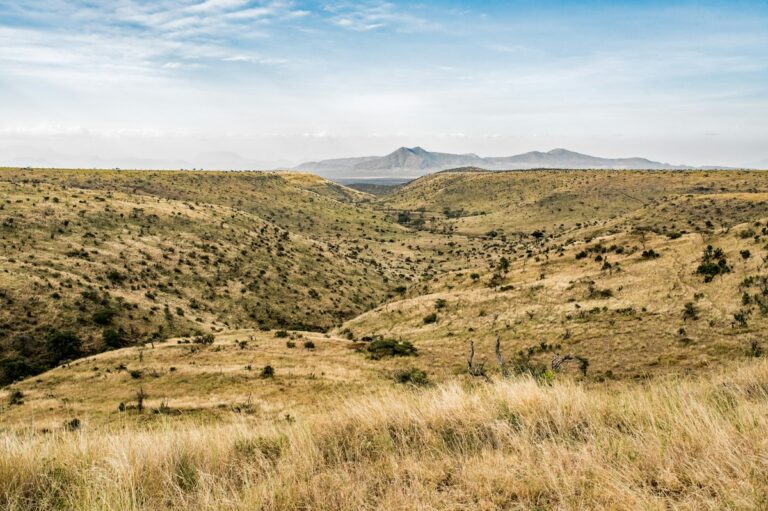

A Ngare Ndare forest hike is worth the long drive if you want cold blue pools, waterfalls and a 450 m canopy walkway in one day. The forest sits on Mt Kenya’s northern foothills in Meru County, roughly 230-250 km and four to five hours by road from Nairobi, and most visits involve two to four hours of guided walking.
The catch is distance: a 10-hour round trip, and in the rains, brown water and a muddy last stretch of road. Below: how to get there, what the walk covers, when the pools are at their best, safety, and what to wear and pack.

Ngare Ndare in Brief
- Location: Meru County, on Mt Kenya’s northern foothills, reached via Timau on the Nanyuki–Meru road.
- Distance from Nairobi: about 230-250 km, four to five hours by car; the last stretch (roughly 11 km) is murram.
- Forest size: about 13,700 acres (around 5,500 ha) of African olive and pencil cedar, some trees about 200 years old.
- Canopy walkway: 450 m long, suspended about 9-10 m above the forest floor.
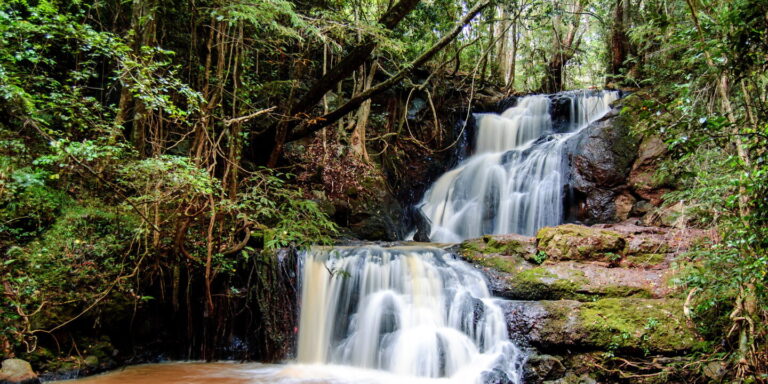
- Pools and falls: six natural blue pools and waterfalls; the main fall is about 9 m high.
- Walking time: about 30 minutes from the trailhead to the cascades; a full Ngare Ndare forest hike takes two to four hours.
- Best months: the dry spells, roughly late December-March and June-September.
What Is Ngare Ndare Forest?
Ngare Ndare is an indigenous forest reserve linking Mt Kenya’s forests with Lewa Wildlife Conservancy and the plains of northern Kenya. The name means “goat waters” in Maa, after the river that runs through it.
Elephants use this forest as a corridor between the mountain and the north, which is why the reserve is fenced. Together with Lewa, it was added to the Mt Kenya UNESCO World Heritage Site in 2013.
A community trust manages the forest with the Kenya Forest Service, and six neighbouring communities sit on its board. Visitor fees help pay the rangers, so every Ngare Ndare forest hike supports the forest’s protection.
How Do You Get to Ngare Ndare From Nairobi?
Drive north up Thika Road towards Sagana and Karatina, then on to Nanyuki and Timau on the A2. Near Timau, turn left off the Nanyuki–Meru road towards Ngare Ndare; the forest gate is about an hour further on.
By car
The tarmac to Timau is good, so the only tricky part of the drive to a Ngare Ndare forest hike is the final murram stretch of about 11 km. In the dry months a saloon usually copes; in the long rains (roughly March-May) and short rains (roughly October-December) a 4×4 is the safer choice. As a day trip, leave Nairobi by 5:00 am so you are walking before the midday heat.
By matatu and taxi
A Ngare Ndare forest hike without a car starts with a matatu from Nairobi to Nanyuki, roughly four hours. From Nanyuki, hire a taxi for the round trip, agreeing the waiting time and fare first, because there is little public transport on the forest road.
Staying overnight
Many people split the trip over two days, sleeping in Nanyuki or Timau or camping in the forest with an armed ranger, booked through the trust.

What Does a Ngare Ndare Forest Hike Cover?
A typical visit has three parts: the canopy walkway, a forest walk down to the river, and the blue pools and waterfalls. All walks go with an armed ranger, who also acts as your guide.
| Section | What you see | Time | Effort |
|---|---|---|---|
| Canopy walkway | 450 m of suspended bridge through the treetops, ending at a platform above a swampy clearing | 30-45 minutes | Easy, but it sways |
| Forest walk to the river | Old olive and cedar trees, birdlife, signs of elephant and buffalo | About 30 minutes each way | Easy to moderate; steep in places |
| Blue pools and waterfalls | Six pools and cascades; swimming in the main pool below a fall of about 9 m | 1-2 hours, including a swim | Slippery rock around the water |
Times are estimates from visitor reports. A fit group can finish a Ngare Ndare forest hike in two hours; most people take closer to four with a picnic and a swim.
The canopy walkway
The canopy walkway is the trust’s signature attraction and is described as the longest in East Africa. It carries you through the upper branches to a high platform, where elephants sometimes drink at the swamp below.
The forest trail
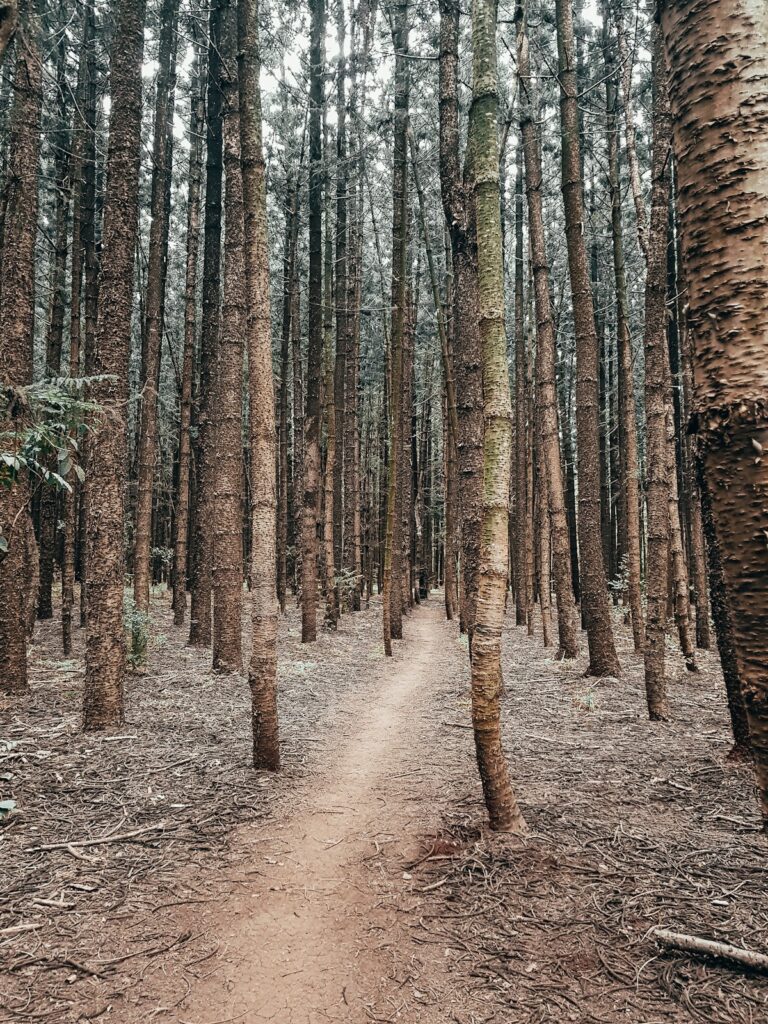
The trail down to the river is the real hiking part of a Ngare Ndare forest hike. Paths wind between old African olive and pencil cedar, then drop towards the water on loose soil and roots. More than 200 bird species have been recorded in the forest, and colobus monkeys are often seen in the canopy.
The blue pools
The pools are what most people come for on a Ngare Ndare forest hike. In dry weather the water turns a clear turquoise, deepening to darker blue below the falls. The water is cold, and only confident swimmers should go into the deep main pool.
When Is the Best Time for a Ngare Ndare Forest Hike?
The best time is a dry spell: roughly late December to March, or June to September. The pools are clearest then, the murram road is firm, and the trail down to the river is less slippery.
In the long and short rains, runoff can turn the pools brown and the last kilometres of road may need a 4×4. Rainy-season visits still offer lush forest and strong falls, but expect mud and murky water.
Fees, Rangers and Opening Hours
Everyone on a Ngare Ndare forest hike pays a daily entry fee, with lower rates for Kenyan citizens and residents than for non-residents, plus separate charges for vehicles, rangers and camping. Rates change, so confirm current fees with the trust before you travel.
The Ngare Ndare Forest Trust website lists opening hours of Monday to Saturday, 8:00 am to 5:00 pm, and takes bookings by phone and email. If you plan a Sunday Ngare Ndare forest hike, ask the trust first. Carry your ID and some cash.
What Should You Wear and Pack for a Ngare Ndare Forest Hike?
Wear grippy, broken-in boots, light trousers, a quick-dry top and a warm layer for the early start. Pack swimwear, a towel, 2 litres of water, lunch and a rain layer.
Footwear matters most on the steep, rooty path down to the river and the wet rock around the pools. A waterproof pair such as the Quechua waterproof hiking boot handles both, and merino wool hiking socks stay warm even if you splash through a stream.
A short-sleeve quick-dry T-shirt dries fast after a swim before the drive home. A 3L hydration backpack keeps your water, towel and snacks in one place on the walkway, where you want both hands free for the rails.
Most of our stock is quality thrifted gear from well-known brands, plus some new items, which keeps good kit affordable. Since the drive north starts on Thika Road anyway, you can pick up anything missing at our Thika Road hiking shop on Mountain Mall’s third floor, Shop D39 in Nairobi, open Monday to Friday 8:30 am-6:00 pm and Saturday 9:00 am-2:00 pm, with Sunday visits by appointment.
Gear up for your next hike
Shop quality hiking and outdoor gear at great prices — from socks and gloves to hats, balaclavas and camping fuel. Everything you need for Kenya’s trails, delivered fast.
Day-Trip Checklist
- Book ahead: call or email the trust to confirm fees, ranger availability and opening days.
- Start early: leave Nairobi by 5:00 am to start your Ngare Ndare forest hike in the cool of the morning.
- Pack for a swim: swimwear, a quick-dry towel and a dry change for the drive home.
- Carry ID and cash: needed at the gate and for fuel on the murram stretch.
- Check the rain: after heavy rain, expect brown pools and plan for a 4×4.
Is the Ngare Ndare Forest Safe to Visit?
A Ngare Ndare forest hike is safe for visitors who stay with their ranger and follow instructions. The main risks are wildlife, slippery rock near the water and deep, cold pools.
Elephants and buffaloes come to the river to drink, and leopards and hyenas live in the forest, which is why rangers accompany every walk. Keep your group together, stay quiet near clearings and never approach animals for a photo.
The pools are the riskiest part of any Ngare Ndare forest hike, so test the water before jumping, keep children within arm’s reach and never swim alone. In the wet months, our tips on hiking safely in the rain apply here too.

How Does Ngare Ndare Compare With Other Hikes in Kenya?
A Ngare Ndare forest hike is gentler than a summit climb and more varied than a city forest walk. It suits people who want water, wildlife and treetops more than a hard climb.
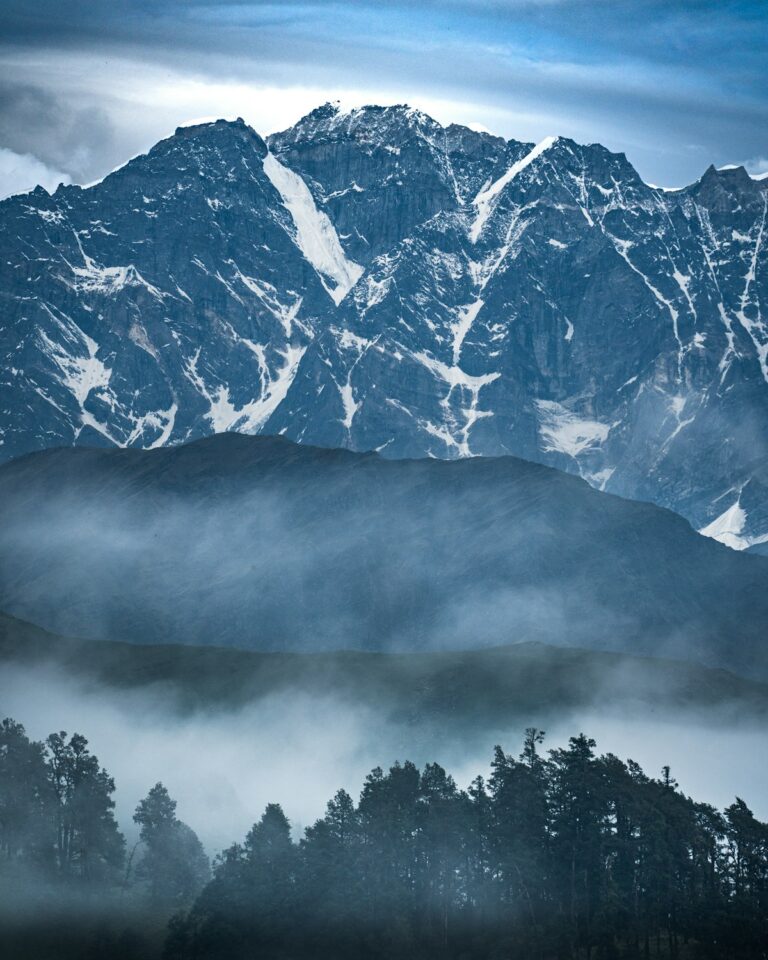
Short of time? The Karura Forest hike has a waterfall inside Nairobi. If the peak above tempts you, the Mt Kenya hiking guide explains the routes to Point Lenana, and a Ngare Ndare forest hike makes an easy rest-day outing near Nanyuki after a climb. Our round-up of the best hikes in Kenya covers the rest.
We run guided hikes from Nairobi regularly. Check our hike calendar or message us on WhatsApp for the next dates.

Ready to hit the trail?
Join one of our upcoming guided hikes — from beginner-friendly day hikes to longer treks across Kenya’s best routes.
Frequently Asked Questions
Can you do a Ngare Ndare forest hike as a day trip from Nairobi?
Yes, Ngare Ndare works as a long day trip from Nairobi. Expect four to five hours of driving each way and two to four hours in the forest, so leave by 5:00 am and plan to be home after dark. For a more relaxed visit, spend the night in Nanyuki or Timau, or camp in the forest with a ranger.
Can you swim in the Ngare Ndare blue pools?
Yes, visitors can swim in the Ngare Ndare pools, including the main pool below the roughly 9 m waterfall. The water is cold and deep in places, so only confident swimmers should go in, ideally with someone watching from the bank. The pools are clearest and bluest in dry weather; after heavy rain they can turn brown.
How long is the Ngare Ndare canopy walk?
The Ngare Ndare canopy walkway is 450 m long and hangs about 9-10 m above the forest floor, ending at a viewing platform over a swampy clearing. Crossing it takes roughly 30-45 minutes with photo stops. It sways a little, so hold the rails and keep a few metres between walkers.
How much does it cost to visit Ngare Ndare?
Ngare Ndare charges a daily entry fee per person, with lower rates for Kenyan citizens and residents than for non-residents, and reduced rates for children. Vehicles, the armed ranger and camping are charged separately. Prices change, so confirm the current rates with the Ngare Ndare Forest Trust by phone or email before you go.
Is a Ngare Ndare forest hike good for kids and beginners?
Ngare Ndare suits beginners and older children well, because the walking is short and the walkway and pools keep everyone interested. The steep, rooty path to the river and the slippery rock around the water need care. Keep young children close on the walkway and at the pools, and bring a change of clothes.
Final Thoughts
Treetops, old cedar forest and cold turquoise water make this one of the most rewarding long day trips north of the city, provided you go in a dry spell and start before dawn.
Book the ranger, pack your swimwear, and choose a clear weekend in the next dry season for your Ngare Ndare forest hike.
Not sure which shoes cope with wet rock at the blue pools?
Our team can help you choose the right gear, answer your hiking questions and get your order dispatched quickly. Message us for a quick, straight answer.