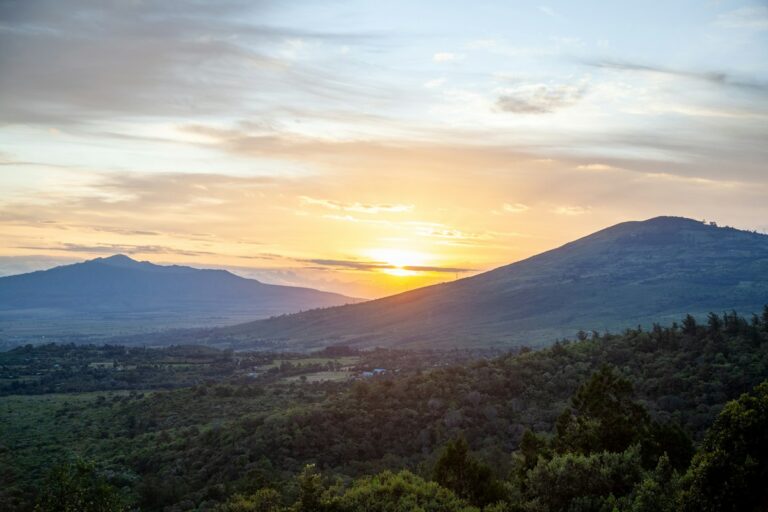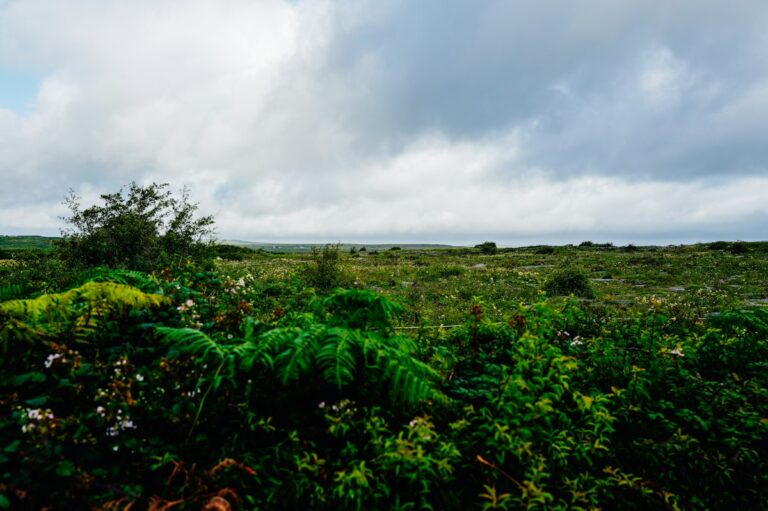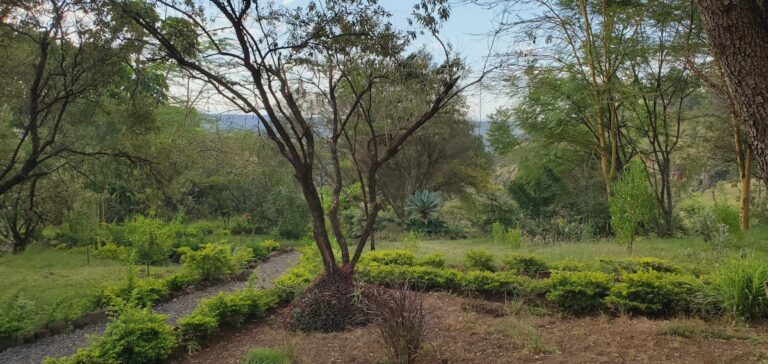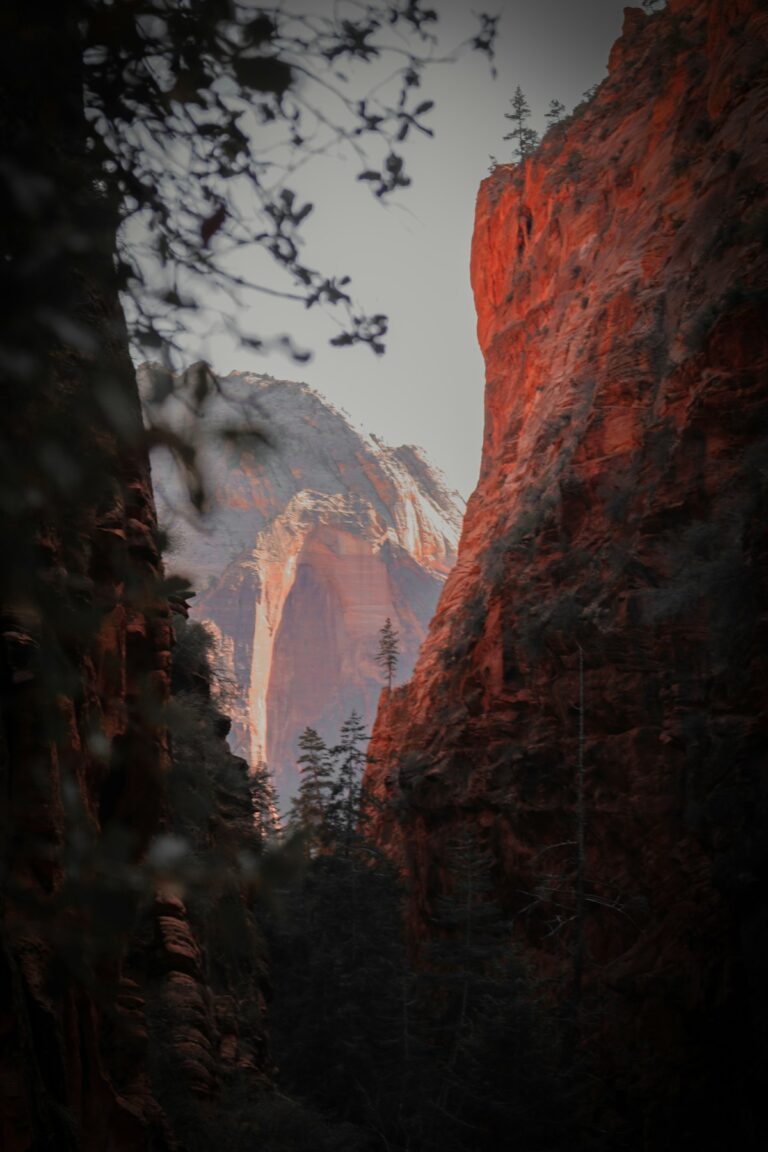

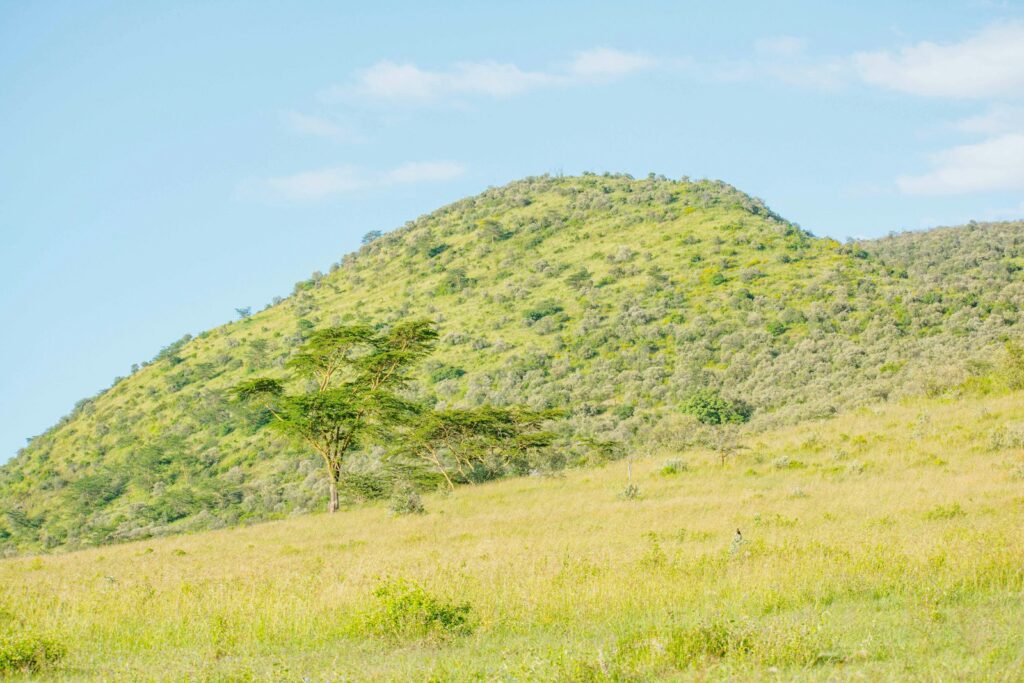
Grass-covered volcanic cones, a lava tube more than 11 km long and, on clear mornings, Kilimanjaro on the skyline are the reasons to plan a Chyulu Hills hike. The range rises to 2,188 m in Makueni County, roughly 190 km south-east of Nairobi off Mombasa Road, and most walks there take four to six hours with a KWS ranger.
The catch is that the Chyulus have no marked trails, no water on the hills and plenty of wildlife, so the day takes more planning than a ridge walk near the city. Below you will find the two ways in from Nairobi, route options, the caves, seasons, fees, safety and a gear list.
Chyulu Hills in Brief
- Location: Makueni County, between the Tsavo and Amboseli plains; the range runs about 100 km from north-west to south-east.
- Highest point: about 2,188 m above sea level.
- Distance from Nairobi: roughly 190 km to Kibwezi on Mombasa Road, then a short drive to the park gate; allow 3.5-4 hours each way.
- Managed by: Kenya Wildlife Service as Chyulu Hills National Park, gazetted in 1983 and covering about 741 km².
- Main sights: rolling grassland, montane forest above about 1,800 m, the Kisula (Leviathan) lava tubes and views to Kilimanjaro.
- Difficulty: easy to moderate walking on animal tracks, rocky low down and loose gravel higher up.
What Makes the Chyulu Hills Different?
The Chyulu Hills are a young volcanic range of several hundred small cones and lava flows, not a single mountain. After rain the slopes turn bright green, which is why Ernest Hemingway’s book title, Green Hills of Africa, is so often attached to them.
Volcanic activity began in the north of the range about 1.4 million years ago and moved south-east over time. The youngest eruptions are dated to the mid-1800s, and the Shetani flow on the southern side is still a field of black, sharp rock with almost nothing growing on it.
The rock is so porous that rain sinks straight in. There are no permanent rivers on the hills at all; the water resurfaces far below at Mzima Springs in Tsavo West and in the rivers feeding the Tsavo and Galana. That one fact shapes every Chyulu Hills hike: whatever water you need, you carry.
How Do You Get to the Chyulu Hills From Nairobi?
There are two approaches. The eastern one leaves Mombasa Road near Kibwezi for the park headquarters at Kithasyo Gate. The western one leaves Mombasa Road at Emali, follows the Loitokitok road and enters through the Mbirikani group ranch.
Via Kibwezi and Kithasyo Gate
Drive south on Mombasa Road past Athi River, Sultan Hamud, Emali and Makindu. About 2 km past the Kibwezi turnoff (Manyanga), a signposted road on the right leads to Kithasyo Gate and on to the park headquarters, about 9 km in. Leave Nairobi by 4:30-5:00 am to start your Chyulu Hills hike before the heat.
Without a car, take a Kibwezi-bound matatu from Nairobi’s CBD (stages around Race Course Road have served this route; confirm the current stage before you go) or the SGR train, which stops at Kibwezi. From Kibwezi, a boda boda or taxi covers the last stretch to the gate.
Via Emali and Mbirikani
The western road suits a Chyulu Hills hike on the grassy southern ridges and the Shetani lava flow, which lies about 5 km before the Chyulu Gate of Tsavo West. From Emali, turn south-west towards Loitokitok, then left at the Mbirikani junction onto murram through Maasai group ranch land. A high-clearance vehicle helps here.
Which Chyulu Hills Hike Should You Choose?
Most walkers pick one of three outings, depending on how much driving they want inside the park. None follows a waymarked path, so your ranger or guide chooses the line across the grass.
| Route | Distance | Time | Terrain | Difficulty |
|---|---|---|---|---|
| Park HQ to the Kisula caves | About 15 km one way | 3-4 hours one way | Rocky track and bush, climbing gently | Moderate (long) |
| Ridge walk from the Satellite area | Your choice, often 8-12 km | 3-5 hours | Open grassland on animal tracks from about 1,900 m | Easy to moderate |
| Cave visit only | Short walks between entrances | 1-2 hours | Sharp lava, stairs at some openings, dark passages | Easy outside, harder inside |
Distances come from park and hiker reports and change with the route your ranger picks on a Chyulu Hills hike, so treat them as a guide.
Walking to the caves from headquarters
The track from headquarters to the cave area is about 15 km and drivable in a 4×4, so some groups walk one way and get picked up. On foot it takes three to four hours, gaining height steadily through bush and lava ground. Walked both ways, it is the longest Chyulu Hills hike you can fit into one day.
The grassy ridges near the Satellite campsite
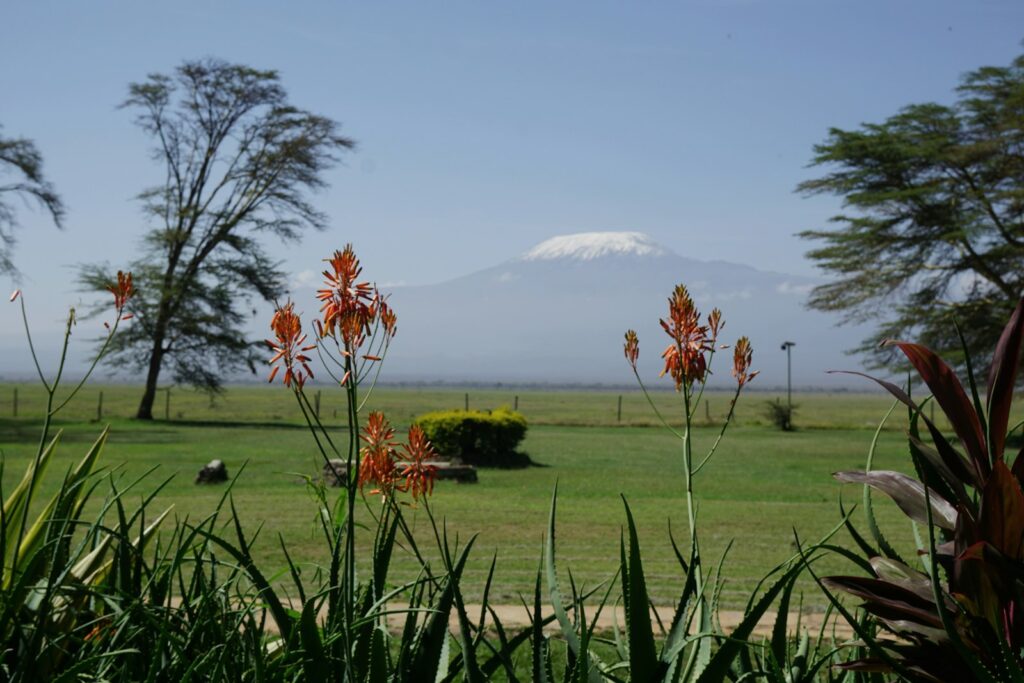
The Satellite campsite, about 35 km past headquarters on a rough 4×4 track, sits near 1,900 m below a hilltop of satellite dishes and was once a British Army training base. From here a Chyulu Hills hike follows the crest over cone after cone, with the Amboseli plains below and, weather permitting, Kilimanjaro to the south.
Can You Go Inside the Leviathan Caves?
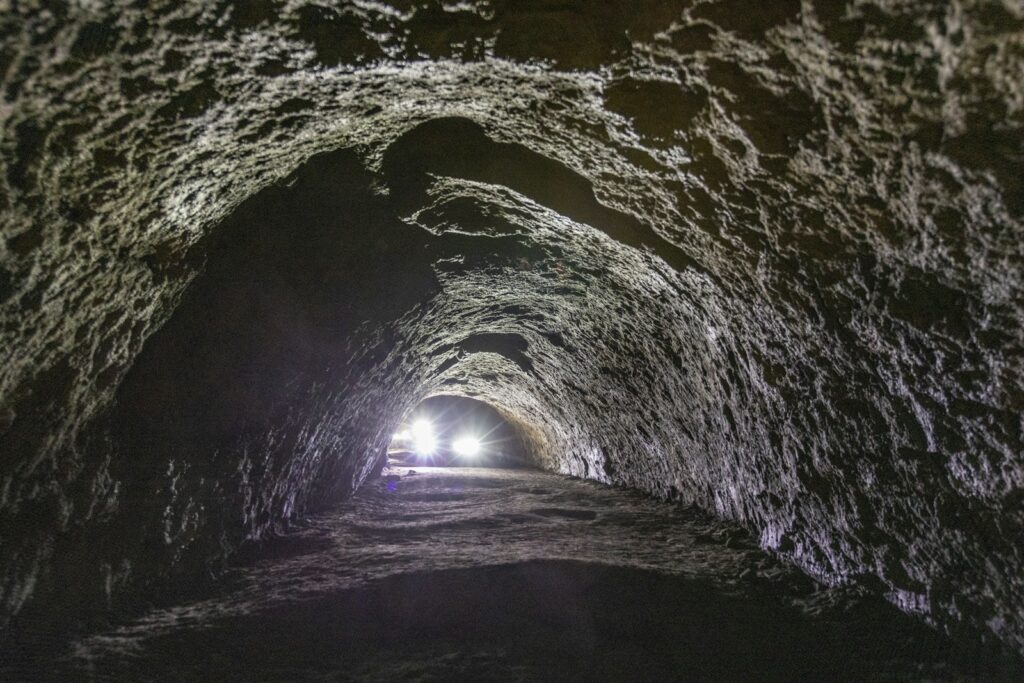
Yes. The Kisula caves, part of the Leviathan lava tube system, can be entered with a KWS ranger. The upper Leviathan cave has been mapped at about 11 km, which makes it one of the longest lava tubes in the world.
Inside, sandy floors give way to walls of rope-like frozen lava, and collapsed sinkholes let shafts of daylight in. Bats roost here and baboons use some entrances. Most groups add about an hour underground to a Chyulu Hills hike rather than attempting a long through-trip.
Ask for a ranger who knows the caves and is willing to go in, carry two light sources each and wear long sleeves against the razor-edged rock. If caves appeal, the Mt Suswa hike in the Rift Valley has a very different set of lava tunnels to explore.
When Is the Best Time for a Chyulu Hills Hike?
June to September is the most comfortable window: cool, dry mornings, firm tracks and the clearest chance of seeing Kilimanjaro. January and February are dry too, but hotter on the exposed grass.
The green-hills look peaks just after the rains, in May-June and again in December, when the red hot poker trees flower after the short rains. During the long rains (roughly March to May) and short rains (roughly October to December), black-cotton sections of the access roads can become impassable, and cloud often sits on the upper forest, so go only with a 4×4 and a flexible plan.
Fees, Rangers and Camping
Chyulu Hills National Park is run by Kenya Wildlife Service, and a Chyulu Hills hike needs a park entry ticket plus a fee for a ranger or security escort. Payment goes through KWS’s eCitizen system, usually by M-Pesa or card.
Rates differ for citizens, residents and non-residents and are revised from time to time, so check current park, ranger and camping charges on the Kenya Wildlife Service website before you leave Nairobi. If you enter from the Mbirikani side, arrange your entry through the group ranch in advance.
KWS lists three public campsites that work as bases for a Chyulu Hills hike: Kithasyo, Kisula and Satellite. The headquarters site has had tap water, a kitchen shelter and showers, but the cave and Satellite sites are remote, so arrive with all the water you need.
Is the Chyulu Hills Hike Safe?
The Chyulus are safe for hikers when you walk with an armed KWS ranger, stay together and turn back if cloud closes in. The park is unfenced wildlife country, and getting lost on unmarked grassland is a bigger risk than the climbing.
Elephants, buffalo, eland, giraffe and zebra all live here, and lions and leopards are present though rarely seen. Puff adders and black mambas occur, so watch where you put your hands at cave entrances. Let the ranger lead, keep at least 50 m from big animals and never walk at dusk. Phone signal can be patchy; download an offline map and tell someone your plan.
What Should You Wear and Pack for a Chyulu Hills Hike?
Wear boots with deep lugs and ankle support, light trousers, a long-sleeved sun shirt and a hat, and carry a warm layer for the windy ridges. Each person needs 3 litres of water, a headlamp for the caves and enough food for the day.
Lava rock eats soft trainers on a Chyulu Hills hike, so a sturdy boot such as the Quechua waterproof hiking boot is a sensible pick, paired with merino wool hiking socks for the long grassy miles. For the caves, a waterproof rechargeable headlamp keeps both hands free on the rubble; our post on choosing a headlamp explains brightness and battery life.
There is little shade anywhere on a Chyulu Hills hike, so a wide-brim safari sun hat earns its place in the pack. Much of what we sell is quality thrifted gear from big outdoor brands, plus some new items, which keeps a full kit affordable.
If you need anything before the trip, call in at our Mountain Mall outlet beside Thika Road in Nairobi: Shop D39 on the 3rd floor, open Monday to Friday 8:30 am-6:00 pm and Saturday 9:00 am-2:00 pm, with Sunday visits by appointment.
Gear up for your next hike
Shop quality hiking and outdoor gear at great prices — from socks and gloves to hats, balaclavas and camping fuel. Everything you need for Kenya’s trails, delivered fast.
Before You Leave Nairobi
- Book the ranger: call KWS ahead so an escort is ready at the gate when you arrive.
- Fill every bottle: a Chyulu Hills hike has no water source, so buy it in Kibwezi or Emali.
- Check the vehicle: carry a spare tyre and a tow rope if you plan to drive the inner tracks.
- Pack two lights: one headlamp and one backup for each person entering the caves.
- Start at first light: by 11:00 am the open grass is hot and the haze usually hides Kilimanjaro.
Making a Weekend of It
A Chyulu Hills hike works best as an overnight trip, since the drive alone takes most of a day there and back. Camp at headquarters on Friday night, walk on Saturday and drive home on Sunday.
On the way back you can stop at Lukenya, where our Lukenya Hills hike guide covers the cliffs just off the same Mombasa Road, or add a game drive in Tsavo West. Our round-up of the best hikes in Kenya compares the Chyulus with the Rift Valley volcanoes and the Aberdares.
We run guided hikes from Nairobi regularly. Check our hike calendar or send us a WhatsApp message to ask about the next dates.

Ready to hit the trail?
Join one of our upcoming guided hikes — from beginner-friendly day hikes to longer treks across Kenya’s best routes.
Frequently Asked Questions
How far is the Chyulu Hills hike from Nairobi?
The Chyulu Hills are roughly 190 km from Nairobi to Kibwezi along Mombasa Road, plus a short drive to Kithasyo Gate and the park headquarters. Most groups allow three and a half to four hours each way. The western approach via Emali and the Loitokitok road takes a similar time but involves more murram.
How long does it take to hike the Chyulu Hills?
A typical Chyulu Hills hike lasts four to six hours. Walking from park headquarters to the Kisula caves alone takes three to four hours one way, about 15 km, while a ridge walk from the Satellite area can be shaped to three to five hours. Add an hour if you want to explore inside the caves.
Do you need a ranger to hike in the Chyulu Hills?
Yes, hiking in Chyulu Hills National Park should always be done with a Kenya Wildlife Service ranger or armed escort. The park has elephants, buffalo and big cats, and there are no marked trails across the grassland. KWS charges a separate guide or security fee on top of park entry, payable through eCitizen.
Is a Chyulu Hills hike good for beginners?
The walking itself is easy to moderate, with no steep scrambles, so a reasonably fit beginner can manage a short ridge walk. The challenges are the heat, the distance and carrying all your water. Start with a shorter Chyulu Hills hike, go with a ranger and an experienced group, and keep the cave section brief.
Can you camp overnight in the Chyulu Hills?
Yes, KWS runs three public campsites in the park: Kithasyo near headquarters, Kisula near the caves and Satellite on the high ridge. Facilities are best at headquarters. The remote sites need a 4×4, and you should bring all the water you need for your stay. Check camping fees with KWS before you go.
Final Thoughts
Open grassland, big game, lava tubes and a view of Africa’s highest mountain all fit into one trip from Nairobi here. What the Chyulus ask in return is planning: a ranger, a 4×4 for the inner tracks and every drop of water you will drink.
Choose a dry weekend between June and September, book your KWS escort and make your first Chyulu Hills hike an overnight trip with a sunrise start.
Not sure your boots will survive Chyulu’s sharp lava rock?
Our team can help you choose the right gear, answer your hiking questions and get your order dispatched quickly. Message us for a quick, straight answer.