
Loose volcanic ash and two steep, stepped climbs decide how a Mt Longonot hike goes. The full circuit runs about 13.5 km from the gate at roughly 2,150 m, round the crater rim over the 2,776 m summit and back, and most hikers need 4 to 6 hours. The park sits about 60 km north-west of Nairobi.
Short on paper, Longonot catches people out: the ash slides under trainers and shade disappears above the lower slopes. Below you will find the difficulty, transport from Nairobi, each stage of the route, the best months, kit and safety.
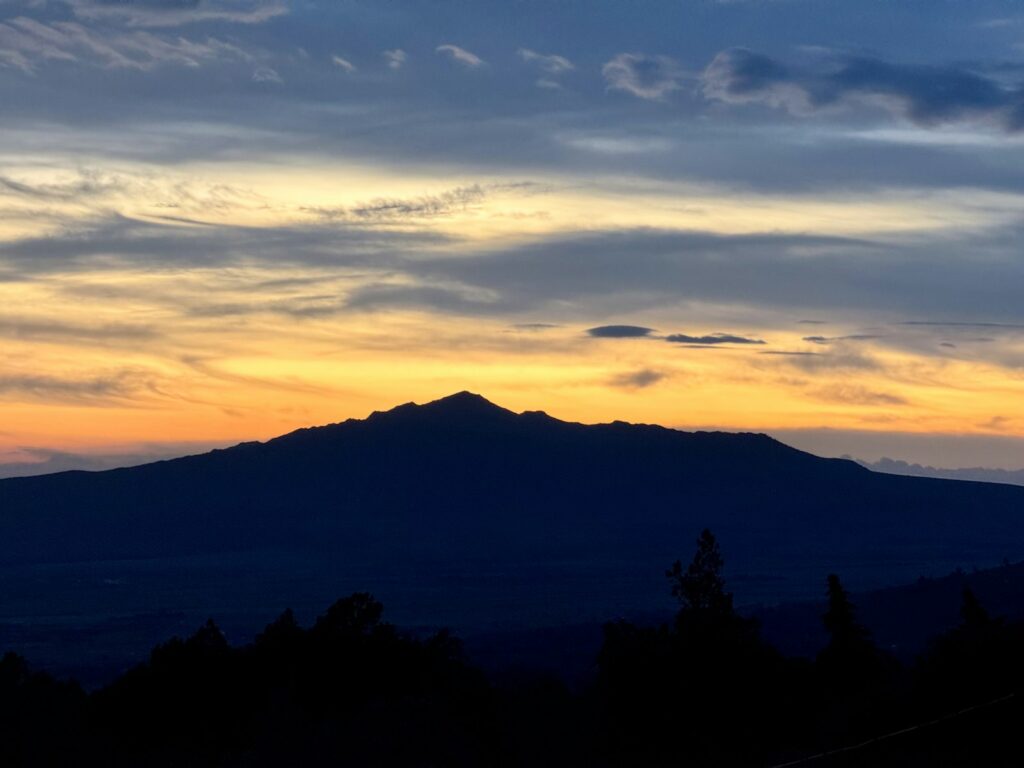
Mt Longonot Hike at a Glance
- Where: Mount Longonot National Park, south-east of Lake Naivasha, about 60 km north-west of Nairobi
- Heights: gate about 2,150 m; summit 2,776 m on the crater rim
- Distances: gate to rim about 3.1 km; rim loop about 7.2 km; full circuit about 13.5 km
- Time: 2 to 3 hours to the rim and back; 4 to 6 hours for the full circuit
- Water on the trail: none, so carry 2 to 3 litres per person
- Managed by: Kenya Wildlife Service; confirm current fees and gate times with KWS
How Hard Is the Mt Longonot Hike?
Longonot rates moderate to challenging. The distance is modest, but you gain more than 600 m from the gate to the summit and around 750 m in total, much of it on steep, loose ground with little shade.
Mount Longonot is a dormant stratovolcano in the Great Rift Valley, last thought to have erupted in the 1860s, with a forested crater about 1.8 km across. Its young, crumbly ash is what makes the walking hard.
| Option | Distance | Typical time | Who it suits |
|---|---|---|---|
| Gate to rim and back | About 6.2 km | 2 to 3 hours | First-timers, active children, hot or stormy days |
| Full circuit (gate, rim loop, gate) | About 13.5 km | 4 to 6 hours | Hikers happy with a few hours of steady climbing |
A full Mt Longonot hike also makes a good benchmark before the Aberdares or Mt Kenya: if your legs are still steady on the way down, you are ready for longer days. Newer walkers can follow our beginner ladder from Karura to Longonot first.
How Do You Get to Mt Longonot From Nairobi?
Drive down the escarpment towards Mai Mahiu, turn off at Longonot Centre and follow a dirt track about 4 km to the gate. By public transport, take a Naivasha matatu, then a boda boda.
Driving via Mai Mahiu
Take the lower escarpment road through Mai Mahiu. Just before the railway bridge at Longonot Centre, a signposted track runs beside the railway to the gate. A saloon car manages it in dry weather, but it can be rutted after heavy rain. Allow around 2 hours from the CBD.
Matatu and boda boda
Without a car, a Mt Longonot hike starts with a Naivasha matatu from the Nyamakima area off River Road. From Naivasha town, take a vehicle towards Mai Mahiu and get off at Longonot, where boda bodas cover the last few kilometres. Agree the fare first and save the rider’s number for the return.
What do you need to know about fees and plastic?
Entry fees differ for citizens, residents and non-residents and change from time to time, so check current rates and gate times on the Kenya Wildlife Service Mount Longonot page, and have M-Pesa ready. Kenya has also banned single-use plastics, including plastic water bottles, in protected areas since June 2020, as UNEP reported, so pack refillable bottles for your Mt Longonot hike.
What Does the Route Look Like, Stage by Stage?
One clear path climbs from the gate to the rim, loops the crater over the summit, and returns the same way. Route-finding is easy; the effort comes from gradient and loose ground.
Gate to the gazebo
The first kilometre crosses gentle grassland where gazelle, zebra and hartebeest often graze, then the path steepens into an eroded staircase past Buffalo Point. A gazebo on a false top, roughly 2 km in, is the natural first rest on any Mt Longonot hike.
The steep pull to the rim
After the gazebo, the hardest climb of the day begins: ash gullies that slide underfoot all the way to the rim. Most groups get there 1 to 1.5 hours after leaving the gate, and the first view down onto the forested crater floor is worth every step.
Which way round the crater rim?
Turning right at the rim puts the steepest climb, up to the 2,776 m summit, early in the 7.2 km loop. Some stepped sections need a hand on the ground, and the ridge narrows with drops on both sides. Allow 2 to 3 hours, with Lake Naivasha in view for much of it.
Coming back down
The descent retraces the ascent in about an hour, and it is where most slips on a Mt Longonot hike happen. Dry ash behaves like marbles, so shorten your stride and let trekking poles take load off your knees.
When Is the Best Time to Hike Longonot?
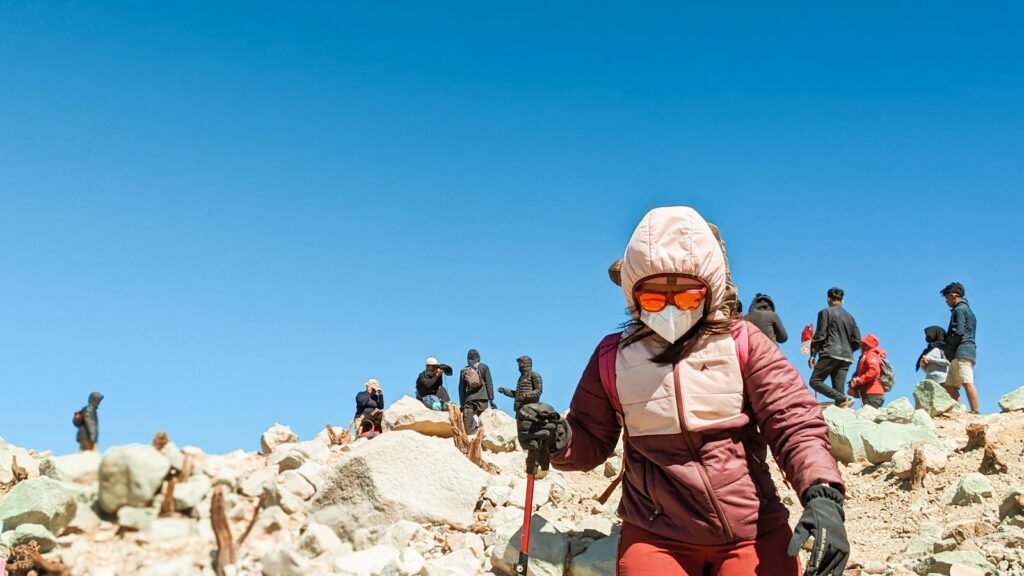
For a Mt Longonot hike, the drier months, roughly January to February and June to September, give the firmest footing and clearest views. In any month, start walking by 8:00 am to finish the climbs before midday heat.
The long rains (about March to May) and short rains (about October to December) turn the ash slick and bring afternoon storms; dry spells bring dust and fierce sun. Weekdays are quieter than weekends. A realistic Mt Longonot hike day from Nairobi looks like this:
- 5:30 am: leave Nairobi to clear the escarpment before traffic builds.
- 7:30 am: pay at the gate, then start walking by 8:00 am.
- 9:30 am: decide on the loop. If the group is slow or clouds are stacking up, head down.
- 1:00 pm: back at the gate, then lunch in Naivasha or on the road home.
What Should You Wear and Pack for a Mt Longonot Hike?
Wear boots or trail shoes with deep tread, light breathable layers and a sun hat. Carry 2 to 3 litres of water, a rain or wind layer, snacks and a buff for the dust.
Footwear and socks
For a Mt Longonot hike, a lugged boot with ankle support, such as the Quechua waterproof hiking boot, bites into ash and keeps grit out far better than gym trainers. Pair it with merino wool hiking socks to cut friction on the long descent.
How much water should you carry?
No water is available on the trail, so plan on 2 to 3 litres each, more on hot days or for the full loop. A 3L hydration backpack lets you sip on the steep sections without stopping, and suits the plastic-free rule.
Sun, wind and rain
On a dry-season Mt Longonot hike, bring a wide-brimmed hat, sunscreen and sunglasses, which also keep blowing ash out of your eyes. In the rainy seasons a packable unisex rain poncho covers you and your pack when a storm rolls over the crater. Trekking poles help on the descent; see our page on trekking poles in Nairobi for setting the length.
Most of what we sell is quality thrifted gear, plus some new items, which keeps a proper boot or pack affordable. To try boots on before the weekend, come to Shop D39, our Thika Road store near Garden Estate, at Mountain Mall in Nairobi: open Monday to Friday 8:30am-6:00pm, Saturday 9:00am-2:00pm, and Sunday by appointment.
Gear up for your next hike
Shop quality hiking and outdoor gear at great prices — from socks and gloves to hats, balaclavas and camping fuel. Everything you need for Kenya’s trails, delivered fast.
Shop Hiking GearIs the Mt Longonot Hike Safe?
Yes, for prepared hikers. Most problems come from dehydration, slips on loose ash and groups pushing on when the weather turns.
Buffalo live in the park, so give them plenty of room, and keep food zipped away from the baboons at rest spots.
Set a turnaround time before you start and stick to it. The summit ridge is the worst place on the mountain in strong wind or a thunderstorm, so if thunder rumbles at the rim junction, skip the loop. Drink a little every 20 to 30 minutes. Active children can usually reach the rim, but the full loop is a long day for young legs.
Mt Longonot Hike Checklist
- Check the KWS page for current fees and gate times, and load M-Pesa.
- Fill refillable bottles or a bladder at home; single-use plastic is not allowed in the park.
- Wear broken-in boots and trim your toenails for the descent.
- Agree a rim turnaround time with your group, for example 10:00 am.
Can You Do the Mt Longonot Hike With a Group?
Yes. Doing a Mt Longonot hike with a guided group sorts out transport from Nairobi, timings and pacing, and it is an easy way to meet other hikers.
We run our Mt Longonot day hike regularly from Nairobi; check the hike calendar or WhatsApp us for the next date. The red cliffs of Hells Gate are nearby, and our round-up of the best hikes in Kenya lines up your next climbs.
Climb the crater rim with us
We run guided Longonot day hikes from Nairobi regularly, alongside other day hikes and longer treks across Kenya. Check the calendar for our next date.
See the Hike CalendarFrequently Asked Questions
How long does it take to climb Longonot and go round the crater?
The full Mt Longonot hike, gate to rim, round the crater and back, usually takes 4 to 6 hours for about 13.5 km including rests. Going only to the rim and back takes 2 to 3 hours. Groups with children should plan for the longer end and start by 8:00 am.
Is Longonot too hard for a first hike?
Longonot is a tough first hike but manageable for reasonably fit beginners. The climb is steep and the ash is loose, so grippy shoes, plenty of water and a slow pace matter more than speed. Many first-timers go to the rim, enjoy the crater view and turn back, then return later for the full loop.
Can I hike Longonot when it’s raining?
You can do the Mt Longonot hike in the rainy seasons, roughly March to May and October to December, but expect slick ash, muddy gullies and afternoon thunderstorms. Start early, wear boots with deep lugs, carry a waterproof layer, and skip the rim loop if storms build, because the exposed ridge is no place to be in lightning.
Can I carry plastic water bottles into Longonot park?
Single-use plastic bottles are not allowed in Mount Longonot National Park, under Kenya’s ban on single-use plastics in protected areas that took effect in June 2020. Bring refillable metal or hard plastic bottles, or a hydration bladder, and fill them before you arrive, since there is no drinking water along the trail.
Do I need a guide for Mount Longonot?
A guide is not required for Mount Longonot, because the single trail is clear and busy. Many people still prefer a guided group for transport from Nairobi, pacing and company on a first visit. If you go alone, tell someone your plan and keep to your turnaround time.
Final Thoughts
Steep ash, an exposed rim and no water on the trail are the three things a Mt Longonot hike asks you to plan around. Leave Nairobi early, wear boots that grip, carry 2 to 3 litres each and take the descent slowly, and the 13.5 km circuit becomes a satisfying day, not a sore one.
For your next Mt Longonot hike, pick a dry-season weekday, check the KWS page the night before, and set your rim turnaround time before you leave the car.
Not sure your shoes will grip on Longonot’s ash?
Our team can help you choose the right gear, answer your hiking questions and get your order dispatched quickly. Message us for a quick, straight answer.
Chat on WhatsAppPrefer to go with a group? Join our guided Mt Longonot hike from Nairobi, with transport, a hike leader and park fees included.