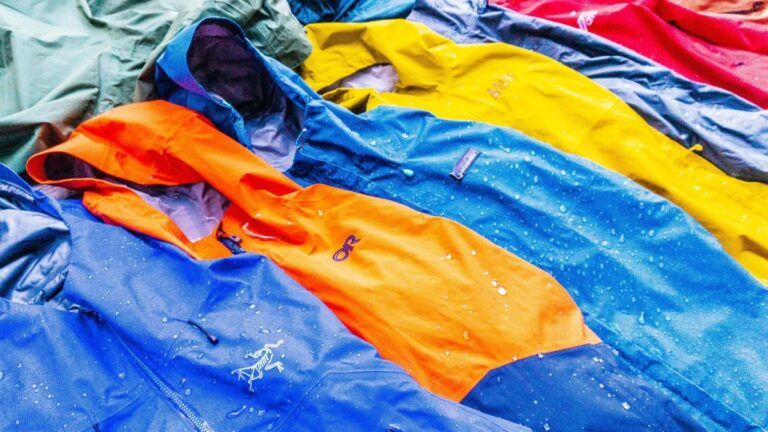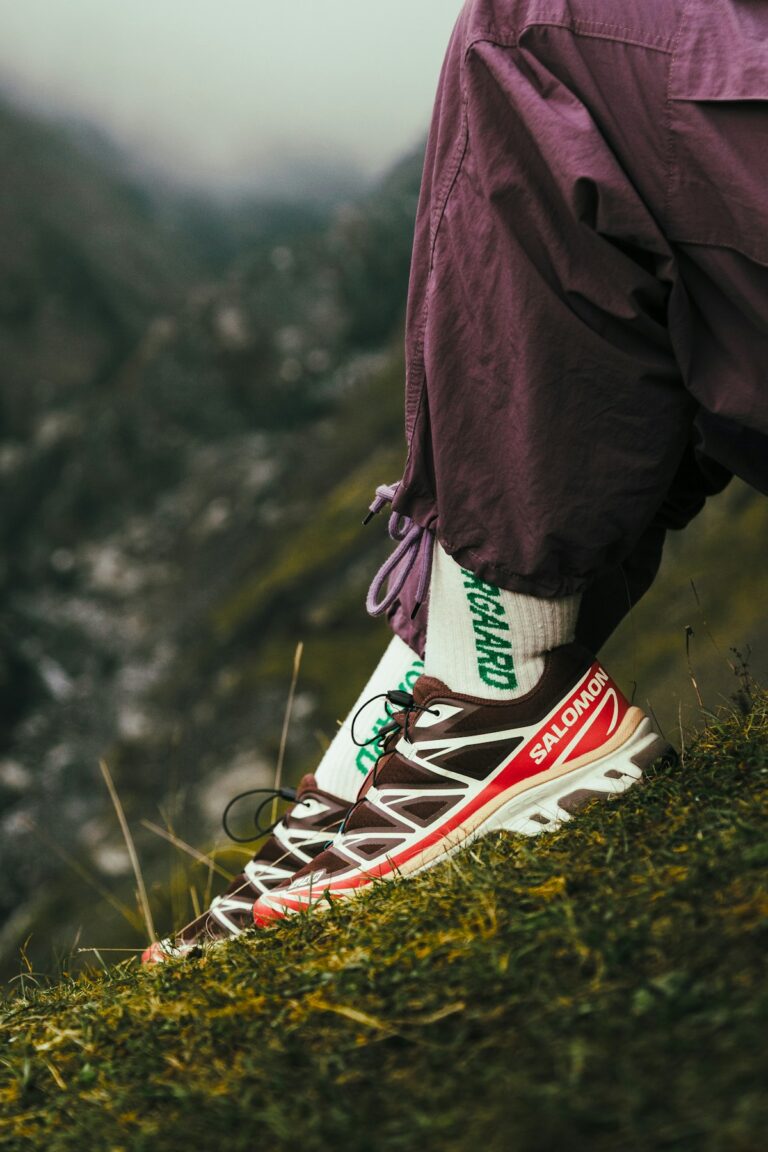

With the Kenya Meteorological Department expecting above-average rain over Nairobi into January, rain jackets for hiking in Nairobi need to be true waterproof shells. Look for fully taped seams, a peaked hood that adjusts, a rating of 10,000 mm or more, and enough room to wear a fleece underneath without the sleeves riding up.
A town raincoat or showerproof softshell soaks through within minutes on an exposed ridge. Below: what the waterproof numbers mean, which features count on Kenyan trails, poncho or jacket, judging a pre-owned shell, fit, care, and where to find rain jackets for hiking in Nairobi along Thika Road.
Quick Facts: Hiking Rain Jackets
- Season now: Nairobi’s short rains began in mid-October and are forecast to run into January
- Minimum rating: 10,000 mm for day hikes; 20,000 mm or a branded membrane for the Aberdares and Mt Kenya
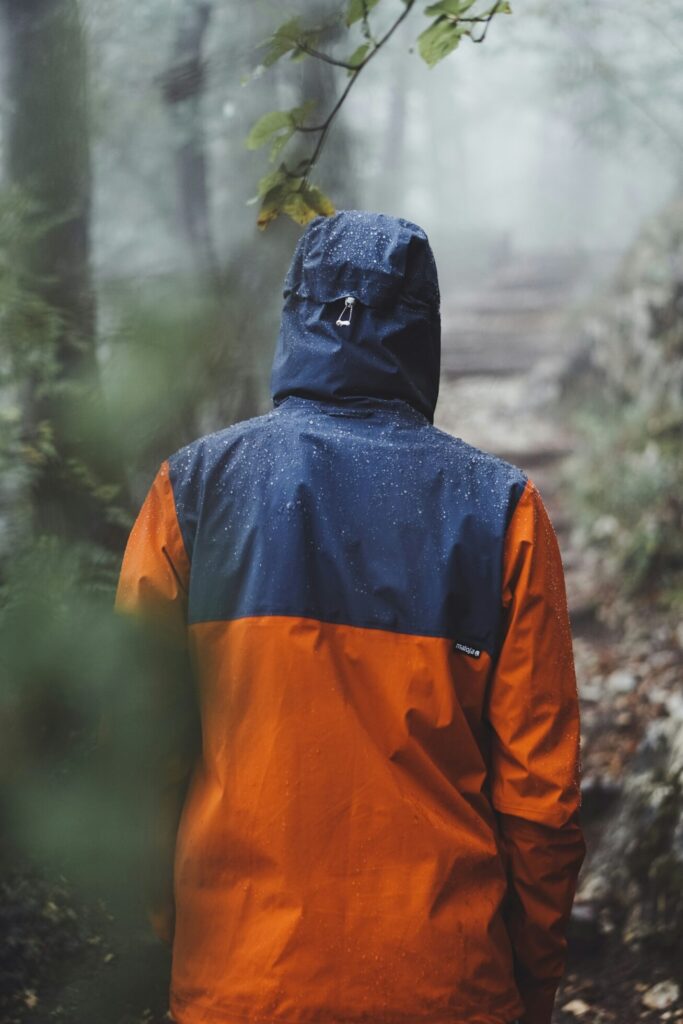
- Must-haves: fully taped seams, an adjustable peaked hood, a storm flap or water-resistant zip
- Fit: room for a fleece underneath, with a hem that stays below your waistband
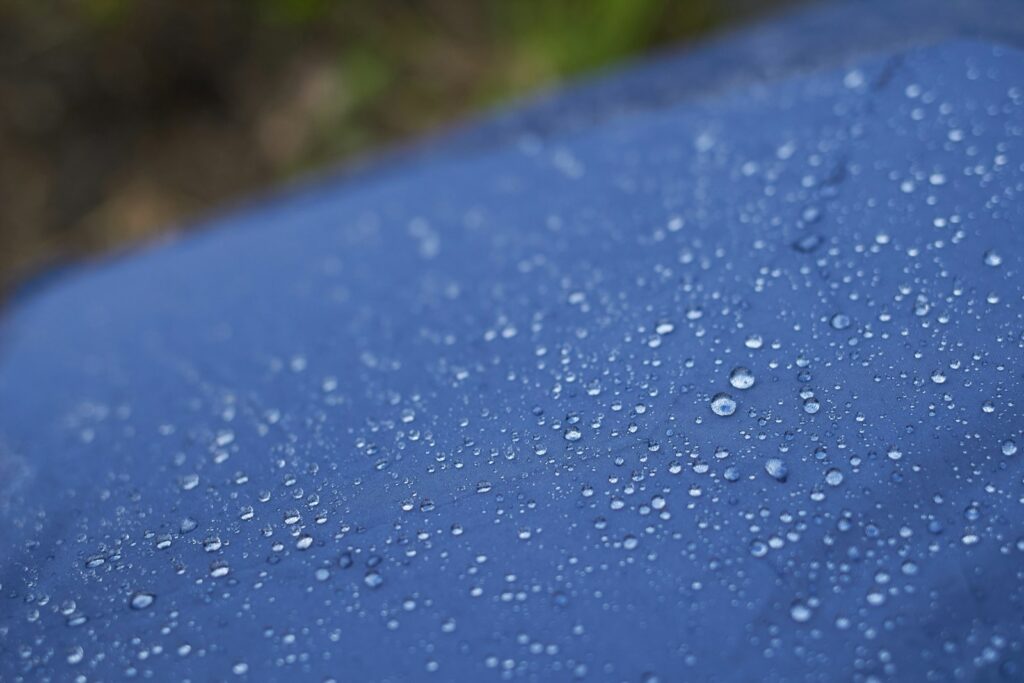
- Wetting out: a face fabric that darkens with water needs washing and reproofing, not replacing
- Where to buy: rain jackets for hiking in Nairobi are sold at Mountain Mall, 3rd Floor, Shop D39, Thika Road, or online
Why Do Hikers Near Nairobi Need a Proper Rain Jacket This Season?
Hikers near Nairobi need a proper rain jacket because the short rains are here and the forecast is wetter than usual. Storms often build after midday, and a soaking on a windy ridge chills you fast.
The Met Department’s October-November-December seasonal forecast expects above-average rain, with heavy downpours, in Nairobi, Kajiado, Nyandarua, Nyeri and Meru. That covers most popular hikes near the city, from the Ngong Hills ridge walk to the forest routes up Mt Kenya.
Good rain jackets for hiking in Nairobi also block wind, so they double as a summit layer on dry days. Our notes on staying safe when hiking in the rain cover the rest of a wet-day plan.
What Waterproof Rating Do Rain Jackets for Hiking in Nairobi Need?
A rating of at least 10,000 mm suits most hikes near the city, and 20,000 mm is the safer choice for long days in the Aberdares or on Mt Kenya. Higher numbers resist more water pressure, especially under pack straps.
The figure is a hydrostatic head: the height in millimetres of a water column the fabric holds before it seeps through. Pack straps press water in harder than rain does, which is why cheap rain jackets for hiking in Nairobi rated 5,000 mm can leak at the shoulders.
| Rating | What it handles | Kenyan example |
|---|---|---|
| Under 5,000 mm | Light, short showers | Karura Forest loop, town errands |
| 5,000-10,000 mm | Moderate rain on shorter hikes | A morning on the Ngong Hills ridge |
| 10,000-20,000 mm | Heavy rain on most day hikes | Mt Longonot, Kinangop, Ol Donyo Sabuk |
| 20,000 mm and above | Long days of rain, wind and sleet | Aberdares, Mt Kenya, Kilimanjaro |
Breathability, shown in g/m²/24h, tells you how much sweat escapes as vapour; higher feels less clammy. Layer count matters too when comparing rain jackets for hiking in Nairobi: a 3-layer shell lasts longest and suits mountains, a 2.5-layer shell is lightest as a spare, and a 2-layer jacket with a mesh liner is comfortable near the city.
Which Rain Jacket Features Matter Most on Kenyan Trails?
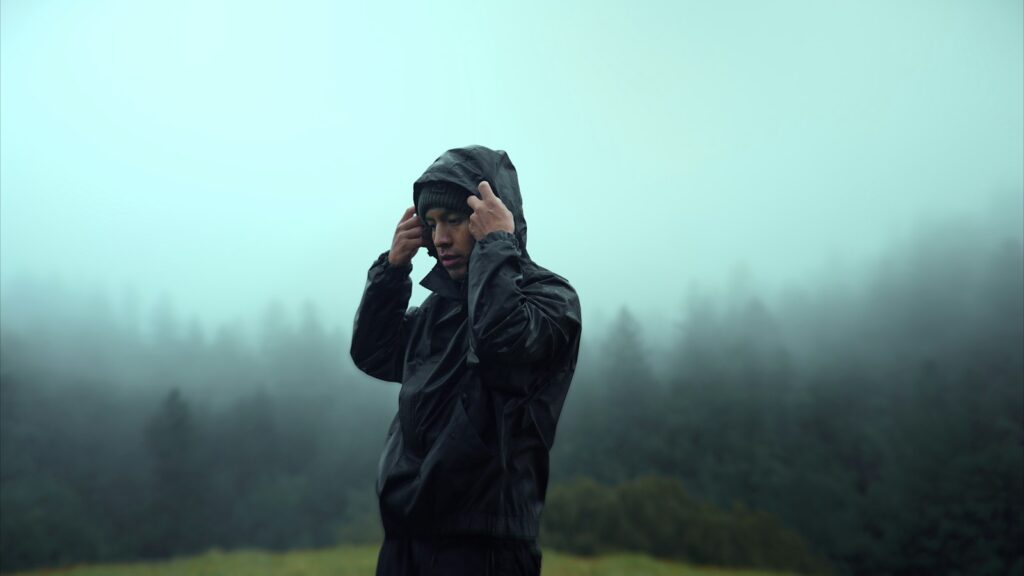
The hood, the seams and the zips matter most, followed by length and how the jacket sits under a pack. These details separate real rain jackets for hiking in Nairobi from town raincoats.
Hood, zips and vents
Look for a stiffened peak with rear and side adjusters, so the hood turns with your head. A storm flap or laminated zip stops rain tracking through the front, and pit zips let heat out on climbs such as the steep start up Longonot.
Length, cuffs and shoulders
A hip-length cut covers your waistband when you scramble, and adjustable cuffs seal over gloves. Pair the shell with waterproof rain pants for men and women; our article on choosing waterproof rain pants explains how the two should overlap.
| Hike | Wet-season conditions | Shell that makes sense |
|---|---|---|
| Karura Forest | Short showers under tree cover | Light 2.5-layer jacket or poncho |
| Ngong Hills | Exposed ridge, strong wind | 10,000 mm, snug hood |
| Mt Longonot (2,776 m) | Slippery ash, afternoon storms | 10,000-20,000 mm with pit zips |
| Elephant Hill, Kinangop | Long cold rain, boggy moorland | 3-layer or 20,000 mm, high collar |
| Mt Kenya (Point Lenana, 4,985 m) | Rain, sleet, freezing wind | 3-layer shell sized over a fleece and insulated jacket |
Is a Rain Jacket Better Than a Poncho for Hiking Near Nairobi?
A rain jacket is better for most hikes near Nairobi because it stays put in wind and leaves your hands free for scrambling. A poncho wins on sheltered forest walks, where it also covers your daypack.
On the Ngong Hills or Longonot’s crater rim a poncho flaps and snags on thorn bushes. Under the trees in Karura, or for children who outgrow gear quickly, a waterproof rain poncho is quick to pull on. Our article on rain ponchos in Kenya sets out the trade-offs.
Are Thrifted Rain Jackets Worth Buying?
Thrifted shells are often the best-value rain jackets for hiking in Nairobi, as long as the membrane, seam tape and zips are sound. A pre-owned technical jacket from a respected outdoor brand usually outperforms a new fashion raincoat at a similar price.
Our rain jackets for hiking in Nairobi are mostly quality thrifted pieces plus some new items, which puts a membrane jacket within a first-timer’s budget. Wear hides on the inside, so take five minutes before you buy.
How to check a pre-owned rain jacket
- Turn it inside out and look for seam tape that is peeling, lifting or bubbling.
- Check the inner face for white flakes, stickiness or a cracked print, signs of a failing coating.
- Run every zip end to end, including pit zips and pockets.
- Pull the hood, hem and cuff adjusters to make sure the toggles lock.
- Hold the shoulders up to the light to spot small holes from strap wear.
- Try it on over a fleece and lift both arms; the hem and cuffs should stay put.
Reading the label when the swing tag is gone
When thrifted rain jackets for hiking in Nairobi have lost their swing tags, the membrane name on the inside label is your best clue. Gore-Tex, eVent, The North Face’s DryVent and Regatta’s Isotex all mark a technical shell. Isotex comes in ratings from 5,000 to 20,000 mm, and our Regatta buying notes explain each grade.
Gear up for your next hike
Shop quality hiking and outdoor gear at great prices — from socks and gloves to hats, balaclavas and camping fuel. Everything you need for Kenya’s trails, delivered fast.
Where Can You Buy Rain Jackets for Hiking in Nairobi?
You can buy rain jackets for hiking in Nairobi at Hiking Outdoor Gear Hub, our store inside Mountain Mall, 3rd Floor, Shop D39, on Thika Road. The mall sits close to Kasarani, Garden Estate and Thome.
We open Monday to Friday from 8:30am to 6:00pm and Saturday from 9:00am to 2:00pm, with Sunday visits by appointment. Trying rain jackets for hiking in Nairobi on in person lets you test the hood with your own fleece. If you cannot visit, browse the rain jackets section of our shop, including the Regatta waterproof hooded jacket, and pay with M-Pesa or cash on delivery.
Most of our rain jackets for hiking in Nairobi are one-offs, so message us about sizes before crossing town. On muddy trails, waterproof leg gaiters keep water out of your boots, and the hiking gear checklist for Kenya shows where a shell fits in a full day kit.
How should a hiking rain jacket fit?
Try rain jackets for hiking in Nairobi on over your warmest mid-layer with the zip closed. Reach forward as if grabbing a rock, then raise both arms: your wrists and waistband should stay covered. For Mt Kenya, bring the fleece jacket you will wear underneath.
Pro Tips for Wet-Season Hikes
- Pack it on top: keep the shell where you can grab it at the first drops.
- Zip up early: drying out on a cold ridge is much harder than staying dry.
- Vent before you sweat: open pit zips at the bottom of every climb.
- Test at home: five minutes under the shower finds leaks before the trip.
- Dry it hanging up: never leave a wet jacket balled in the car after a hike.
How Do You Wash and Reproof a Hiking Rain Jacket?
Wash a rain jacket on a gentle 40°C cycle with a little liquid detergent, rinse twice, then use gentle heat to revive the water-repellent finish. Dirt, sweat and sunscreen clog the face fabric and make a good membrane feel leaky.
The care instructions for GORE-TEX outerwear make a sound template: close every zip, use about 30 ml of liquid detergent and a low spin, skip softener and bleach, and rinse twice. Line dry, or tumble warm and gentle with twenty extra minutes to reactivate the finish. Without a dryer, use a low iron, no steam, through a towel. Your own care label comes first.
If water still soaks in after washing, apply a spray-on or wash-in reproofer and heat it again. Doing this before each rainy season keeps a good shell working for years, while powder detergent and softener shorten its life.
Ready to hit the trail?
Join one of our upcoming guided hikes — from beginner-friendly day hikes to longer treks across Kenya’s best routes.
Frequently Asked Questions
Where can I buy rain jackets for hiking in Nairobi?
Rain jackets for hiking in Nairobi are stocked at Hiking Outdoor Gear Hub, Mountain Mall, 3rd Floor, Shop D39, Thika Road, near Kasarani, Garden Estate and Thome. It opens Monday to Friday 8:30am-6:00pm and Saturday 9:00am-2:00pm, Sundays by appointment. You can also order online and pay by M-Pesa or cash on delivery.
Is 5,000 mm waterproof enough for hiking in Kenya?
A 5,000 mm rating suits short hikes in light rain, such as a Karura Forest loop, but can leak under pack straps in a long downpour. For Ngong Hills, Longonot and other short-rains day hikes, pick rain jackets for hiking in Nairobi’s hills rated 10,000 mm or more. For the Aberdares or Mt Kenya, 20,000 mm or a branded membrane is the safer pick.
Why am I wet inside my rain jacket when it isn’t leaking?
Feeling wet inside a rain jacket that is not leaking is usually condensation from sweat. When the outer fabric wets out, vapour cannot escape and settles on the inside. Washing the jacket, reviving its finish and opening vents before you climb solve most cases. Peeling seam tape or small holes, by contrast, are true leaks.
Can rain jackets for hiking in Nairobi double as a windbreaker on Mt Kenya?
Yes, a rain jacket works well as a windbreaker on Mt Kenya because its membrane blocks wind as well as water. Wear it over a fleece between camps and over an insulated jacket for the summit push to Point Lenana. Choose a size that closes comfortably over both layers, with a hood that fits over a warm hat.
Final Thoughts
Rain jackets for hiking in Nairobi earn their place in your daypack the afternoon the sky closes in over the ridge. Choose one with taped seams, an adjustable hood, a rating that suits the altitude and room for a fleece, then keep it clean.
Sort yours before the next storm, not after it: bring the fleece you hike in to Mountain Mall on Thika Road, or browse the shop online, and finish the short rains dry.
Not sure whether a jacket’s label means it will keep out a Kinangop downpour?
Our team can help you choose the right gear, answer your hiking questions and get your order dispatched quickly. Message us for a quick, straight answer.