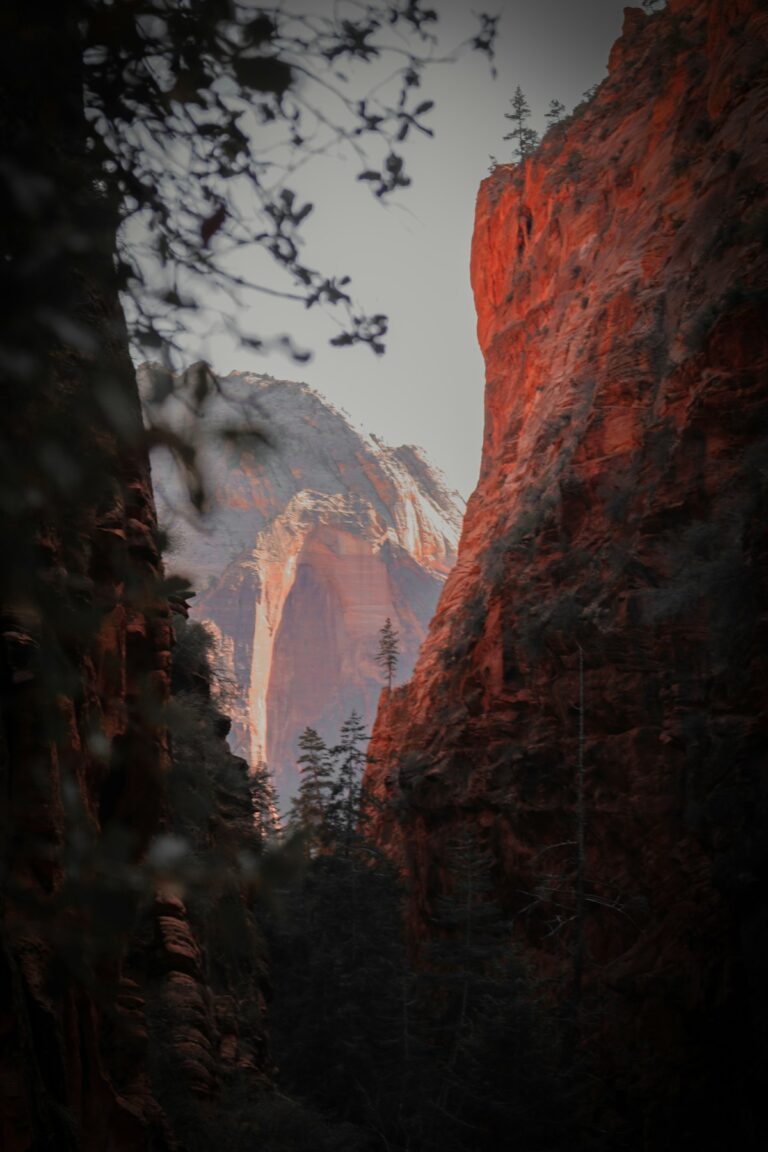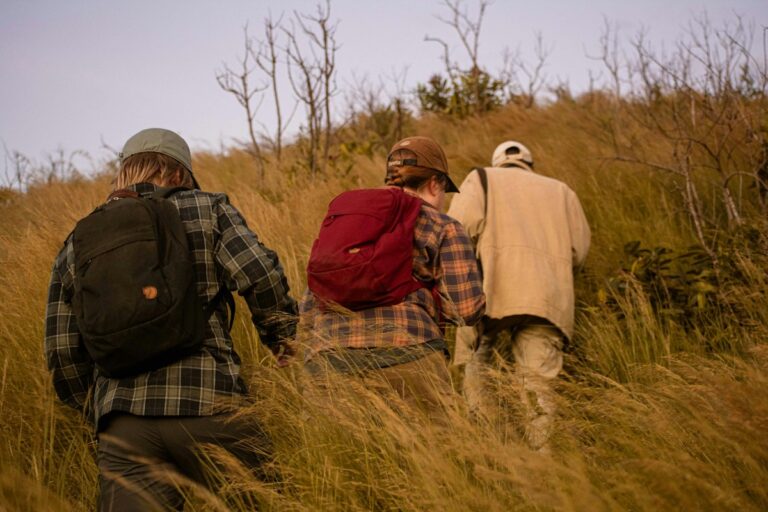

Elephants walk deep into Kitum Cave at night to scrape salt from its walls, and that is only the start of a Mt Elgon hike. On the Kenyan side, the classic trek climbs from Chorlim Gate near Kitale through forest, bamboo and moorland to Koitobos, a 4,222 m peak on the rim of a huge volcanic crater.
Getting there is the hardest part of any Mt Elgon hike. Mt Elgon sits about 420 km from Nairobi on the Uganda border, and good route information is scattered. Below you will find how to reach the park, the main routes, a sample three-day plan, the drier months, the safety points that matter and a packing list for cold nights above 3,500 m.
Quick Facts
- Highest point in Kenya’s park: Koitobos, 4,222 m, Kenya’s second-highest peak after Mt Kenya
- Location: Mt Elgon National Park, west of Kitale on the Kenya–Uganda border
- Distance from Nairobi: about 420 km, via Nakuru, Eldoret and Kitale
- Main gate: Chorlim Gate, reached on the Endebess road from Kitale
- Time needed: a Mt Elgon hike to Koitobos takes two to three days, plus a day each way from Nairobi
- Drier months: roughly December to February and June to August
- Park hours: gates open 6:00 am to 6:00 pm unless you are camping inside
Where is Mt Elgon, and how far is it from Nairobi?
Mt Elgon is an extinct shield volcano straddling the Kenya–Uganda border, north-east of Lake Victoria. The Kenyan national park covers about 169 km² of its eastern slopes and was gazetted in 1968. From Nairobi it is roughly 420 km, so a Mt Elgon hike starts with a long day’s drive.
The whole massif is about 80 km across and rises more than 3,000 m above the surrounding farmland. Its highest summit, Wagagai (4,321 m), lies in Uganda, while Sudek (4,302 m) sits on the border. On the Kenyan side, the walker’s prize is Koitobos, a rocky summit above the crater floor.
How do you get to Mt Elgon from Nairobi by road?
Driving, follow the main highway north-west through Nakuru to Eldoret, then continue to Kitale. From Kitale, the Kenya Wildlife Service directs visitors along the signposted murram road towards Endebess, past Mt Elgon Lodge, to Chorlim Gate. Most people start a Mt Elgon hike with a night in Kitale so they reach the gate fresh in the morning.
Without a car, long-distance buses and shuttles run from Nairobi to Kitale, and taxis or local transport can take you on to the gate. Inside the park you will want a vehicle, ideally a 4×4, because the track up the mountain turns to deep mud after rain.
Which route up Mt Elgon should you choose?
For most Kenyan hikers, the Chorlim Gate route up the Moorland Track to Koitobos is the best Mt Elgon hike. It is the shortest way to the summit and the easiest to organise. Longer routes from Bungoma and the southern slopes turn the trip into a multi-day expedition.
| Route | Start | Typical length | Best for |
|---|---|---|---|
| Chorlim Gate / Moorland Track | Chorlim Gate, Endebess side (Trans Nzoia) | 2–3 days return | First-timers, weekend-plus trips, Koitobos summit |
| Chepkitale route | Bungoma County side | About 6 days return | Experienced trekkers wanting remote moorland |
| Kapkawa route | Southern slopes | About 6–7 days | Expedition-style trips with porters |
| Caves and Endebess Bluff walks | Near Chorlim Gate | Half a day to a full day | Acclimatising, families, wildlife and caves |
What is the Mt Elgon hike to Koitobos like?
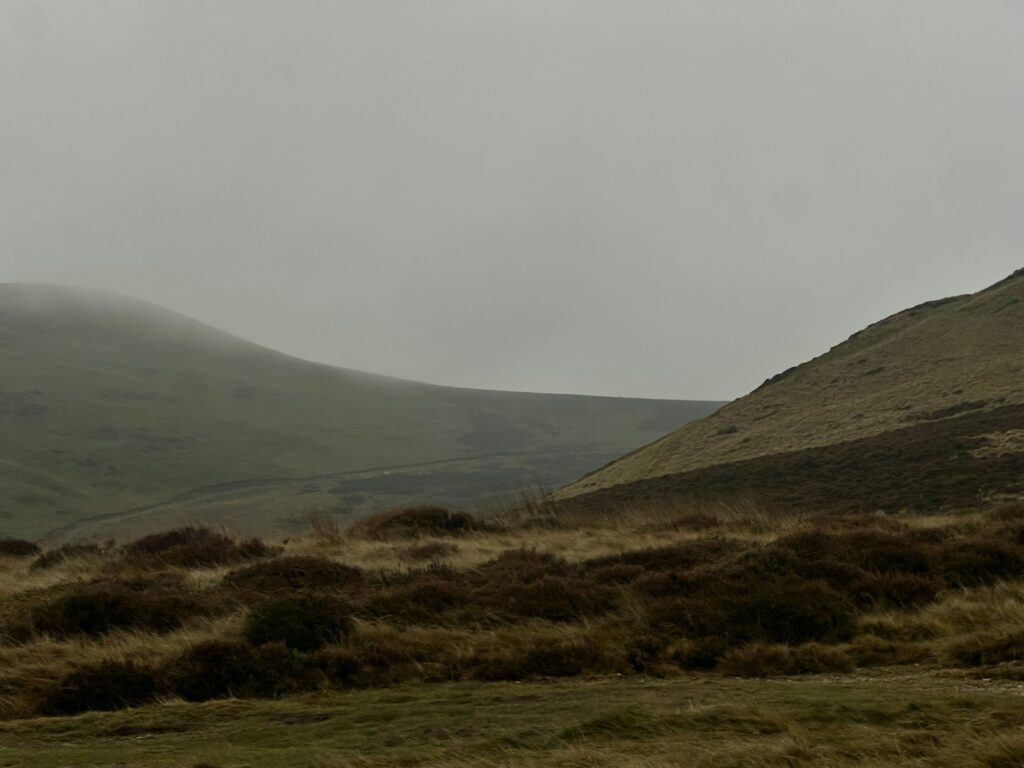
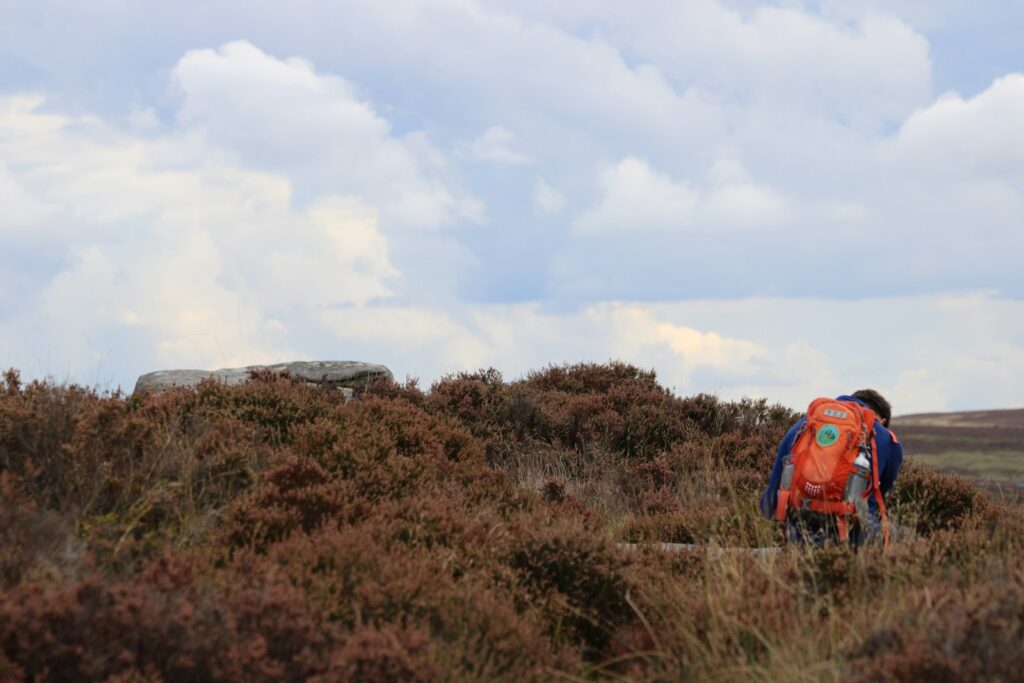
The Koitobos climb starts in tall montane forest, passes through bamboo and Hagenia woodland, then opens onto heath and moorland dotted with giant lobelias and groundsels. The final section crosses tussock grass and rock to the top of the crater wall.
Day 1: Chorlim Gate, the caves and Endebess Bluff
Every Mt Elgon hike on this route begins with signing in at the park office at Chorlim Gate, where you can arrange a ranger or guide. Spend the first afternoon at the caves near the gate. Kitum Cave, at about 2,409 m, is more than 60 m wide and runs roughly 200 m into the mountain. Elephants and buffalo come at night to lick the salty rock, and their tusk marks are easy to spot on the walls.
Makingeny and Chepnyalil caves are nearby. Walking to them is only allowed with a ranger or guide. With spare light, Endebess Bluff (2,563 m) makes a gentle warm-up walk with views over the Trans Nzoia plains.
Day 2: The Moorland Track and the Koitobos summit
In dry weather a 4×4 can follow the Moorland Track to its end at roughly 3,000 m. From there the summit walk takes anything from two to five hours, depending on where the vehicle stops, the state of the path and your pace. Allow about three hours for the descent.
Above the treeline the ground turns boggy and the path fades in cloud. This is the stretch of the Mt Elgon hike where a guide who knows the mountain earns their keep. Koitobos looks into the caldera, one of the largest intact volcanic craters in the world.
Day 3: The crater floor, hot springs and the walk out
Strong groups can drop into the crater, where hot springs bubble up at temperatures of up to 48 °C, before walking back to the vehicle. Either way, aim to finish your Mt Elgon hike at the gate before it closes at 6:00 pm, or arrange to stay another night at one of the campsites.
A simple three-day plan from Kitale looks like this:
- Morning drive from Kitale to Chorlim Gate, check in, afternoon visit to Kitum and Makingeny caves with a ranger, night at Chorlim campsite.
- Early drive up the Moorland Track, summit walk to Koitobos (4,222 m), return and camp at another park campsite such as Rongai or Nyati if booked.
- Optional crater walk to the hot springs, descend to the gate, drive back to Kitale or begin the long road home to Nairobi.
When is the best time to hike Mt Elgon?
The best time for a Mt Elgon hike is during the drier spells, roughly December to February and June to August. Rain can fall in any month, because the mountain receives more than 1,270 mm a year, but the long rains (March to May) and short rains (October to December) make the tracks hardest.
In the wet months, a Mt Elgon hike can stall before it starts: the murram roads and the Moorland Track can stop even a good 4×4, and the moorland turns to bog. Mornings are usually the clearest part of the day; cloud often builds over the summit by early afternoon, so start the summit walk early whichever month you choose.
Is Mt Elgon safe to hike?
Mt Elgon is reasonably safe for prepared hikers who go with a ranger or guide, stay on marked tracks and respect the wildlife. The main risks on a Mt Elgon hike are buffalo and elephants in the forest, cold wet weather on the moorland and getting lost in cloud.
KWS park rules ask visitors to keep at least 20 m from animals, stay on roads and trails and keep to a 40 km/h speed limit. Buffalo are the animal to watch most closely in the forest; give them space and let your guide lead. Colobus and blue monkeys, bushbuck and more than 144 bird species, including the lammergeyer, share the forest.
Inside the caves, keep to your guide’s instructions. Kitum has been linked to rare Marburg virus cases in 1980 and 1987, so do not touch bats or their droppings, and consider a face mask if you go deep inside. Check the latest park conditions, fees and rules on the Kenya Wildlife Service Mt Elgon page before you travel, and confirm current entry fees with KWS rather than relying on old figures.
What should you wear and pack for a Mt Elgon hike?
Pack for heavy rain and cold nights. You need waterproof boots, a rain shell, a warm insulating layer, gloves, a warm hat, a headlamp and a sleeping bag rated for temperatures near freezing if you camp high on the mountain.
Footwear matters more on a Mt Elgon hike than on most Kenyan trails because of the mud and bog above the forest. A waterproof mid-cut such as our Quechua waterproof hiking boot paired with merino wool hiking socks will keep your feet warmer when they do get wet. On the moorland, waterproof leg gaiters stop mud and wet grass from soaking your trousers and running into your boots.
For the summit morning and the nights, follow a three-layer system: a base layer, a fleece or light down jacket and a waterproof shell. Our guide to layering for cold weather hikes explains how to combine them. Add a rechargeable headlamp for early starts and evenings in camp, and read our advice on choosing a sleeping bag in Nairobi before you commit to a camp above 3,000 m.
Because our gear is mostly quality thrifted kit with some new items, a full set of layers for a Mt Elgon hike costs far less than buying everything new. You can try boots and jackets at our hiking store near Kasarani on Thika Road, in Mountain Mall (3rd Floor, Shop D39), open Monday to Friday 8:30 am to 6:00 pm and Saturday 9:00 am to 2:00 pm.
Gear up for your next hike
Shop quality hiking and outdoor gear at great prices — from socks and gloves to hats, balaclavas and camping fuel. Everything you need for Kenya’s trails, delivered fast.
Pro Tips for Mt Elgon
- Spend a night in Kitale: arriving at Chorlim Gate early gives you the whole first day for the caves and Endebess Bluff.
- Hire the ranger or guide: the caves require one, and cloud on the moorland makes route-finding hard.
- Pack food for the whole trip: buy supplies in Kitale before you drive up to the gate.
- Keep a dry set of clothes: seal a base layer and socks in a bag so you always have something dry for camp.
- Start the summit walk at first light: the clearest views usually come before midday.
How hard is the Mt Elgon hike compared with other Kenyan peaks?
Koitobos is a moderate-to-hard trek: less technical and less crowded than Mt Kenya, but higher and more remote than any Aberdare walk. Fit hikers who have done long day hikes can manage Koitobos with a guide.
If you have already climbed the Kinangop hike in the Aberdares at 3,906 m, a Mt Elgon hike is the natural next step before Point Lenana. Our Mt Kenya hiking guide covers that bigger mountain, and the best hikes in Kenya round-up lists easier training hikes closer to Nairobi, such as Ngong Hills and Mt Longonot. Before a Mt Elgon hike, build up to at least one long day of six to eight hours on your feet.
We run guided hikes across Kenya throughout the year. A Mt Elgon hike is not on our schedule as a fixed date right now, so check the hike calendar for upcoming trips or message us on WhatsApp to ask about group plans.
Ready to hit the trail?
Join one of our upcoming guided hikes — from beginner-friendly day hikes to longer treks across Kenya’s best routes.
Frequently Asked Questions
How many days do you need for Mt Elgon?
The Mt Elgon hike to Koitobos needs two to three days inside the park on the Chorlim Gate route, plus travel time. From Nairobi, most hikers allow four to five days in total: one day to drive to Kitale, two or three days on the mountain and one day to drive home. The longer Chepkitale and Kapkawa routes take about six days.
Is Koitobos the highest point of Mt Elgon?
Koitobos (4,222 m) is the highest point most hikers reach on the Kenyan side, and KWS lists it as Kenya’s second-highest peak. Mt Elgon’s true summit is Wagagai at 4,321 m, which is in Uganda. Sudek, at 4,302 m, sits right on the border between the two countries.
Can I hike Mt Elgon without a guide?
A Mt Elgon hike without a guide is not a good idea. Walking to Kitum and Makingeny caves is only allowed with a ranger or guide, buffalo live in the forest, and the moorland path is easy to lose in cloud. Arrange a ranger or guide at the park office at Chorlim Gate, or join an organised group.
Do elephants really go inside Kitum Cave?
Elephants do enter Kitum Cave, usually at night, to scrape salt from the walls with their tusks and lick it. You are unlikely to meet them during a daytime visit, but you can see the scraped walls clearly. Visit only with a ranger and follow their advice inside.
How much does it cost to enter Mt Elgon National Park?
Mt Elgon National Park entry fees depend on whether you are a citizen, resident or non-resident, and on age. KWS updates its rates from time to time, so confirm the current fee on the official Kenya Wildlife Service website or eCitizen before you travel. For a Mt Elgon hike, budget separately for guides, camping, fuel and transport from Kitale.
Final Thoughts
Western Kenya’s great volcano repays the long drive with salt-mining elephants, hot springs and a quiet summit on the edge of a vast crater. Plan a Mt Elgon hike for the drier months, go with a ranger or guide, and pack properly for mud, rain and cold nights.
Your next step: pick your dates, book a night in Kitale, then come and sort your boots, gaiters and warm layers with us before you leave Nairobi.
Packing for Koitobos and not sure your sleeping bag is warm enough?
Our team can help you choose the right gear, answer your hiking questions and get your order dispatched quickly. Message us for a quick, straight answer.