
Wind across the scree below Point Lenana before dawn is exactly what a winter trapper hat is built for. Its fold-down ear flaps, chin strap and lined crown cover the head, ears and jaw together, which a plain beanie cannot do, so it suits summit mornings and high camps rather than everyday Kenyan day hikes.
Most Kenyan hikers need this kind of headwear only a few times a year: Mt Kenya’s summit push, Kilimanjaro’s night climb, a frosty Aberdares camp. So the useful questions are practical: when it is worth the pack space, how it should fit, how to wear it with a headlamp and how to keep the lining clean.
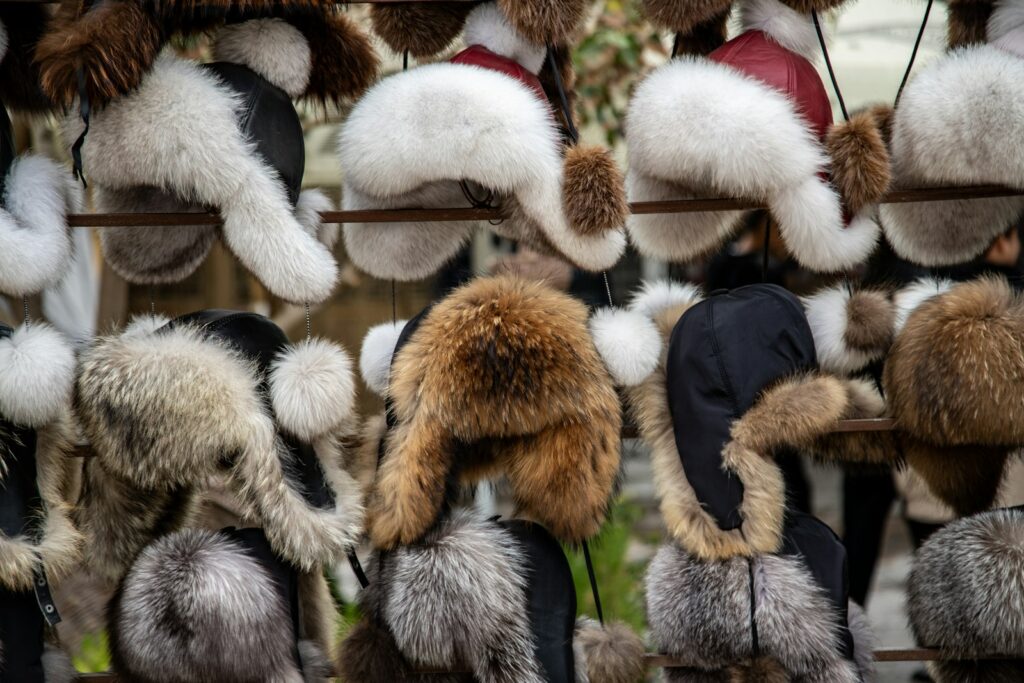
Quick Facts
- What it is: a lined cold-weather hat with ear flaps that fasten under the chin and a front flap that can drop over the forehead.
- Where a winter trapper hat earns its place: above about 3,500 m, on Mt Kenya, Kilimanjaro and the high Aberdares.
- How cold it gets: night temperatures at Uhuru Peak (5,895 m) have been reported as low as -27°C, before wind chill.
- Best partner layers: a thin balaclava underneath and a jacket hood over the top in strong wind.
- Fit check: snug at the forehead, flaps below the earlobes, strap closing without pressing on the throat.
- Care: hand wash in cool water with mild detergent, then air dry away from fire and direct heat.
What Is a Trapper Hat, and How Is It Different From a Beanie?
A winter trapper hat is a structured, lined hat with ear flaps and a front flap. A beanie is a single knitted tube. The trapper blocks wind across the ears and jaw; the beanie is lighter and packs smaller.
Most hats sold as a “tactical” winter trapper hat pair a water-resistant nylon or polyester outer with a faux-fur or fleece lining. Fabrics vary by maker, so read the product page. A knitted beanie breathes and packs well, but wind passes straight through it. A woven outer stops most of that breeze, and the chin strap holds everything in place when gusts hit a ridge.
Is a winter trapper hat warmer than a beanie?
In wind, yes. Standing still on an exposed summit with the flaps down, your ears and face stay far warmer than under an average beanie. Walking uphill in calm air the gap shrinks, and a lined hat can make you sweat.
When Do Kenyan Hikers Actually Need One?
You need a winter trapper hat when you will stand still in wind below freezing. In Kenya that means summit mornings, high camps and long breaks above about 3,500 m. For day hikes around Nairobi, it can stay at home.
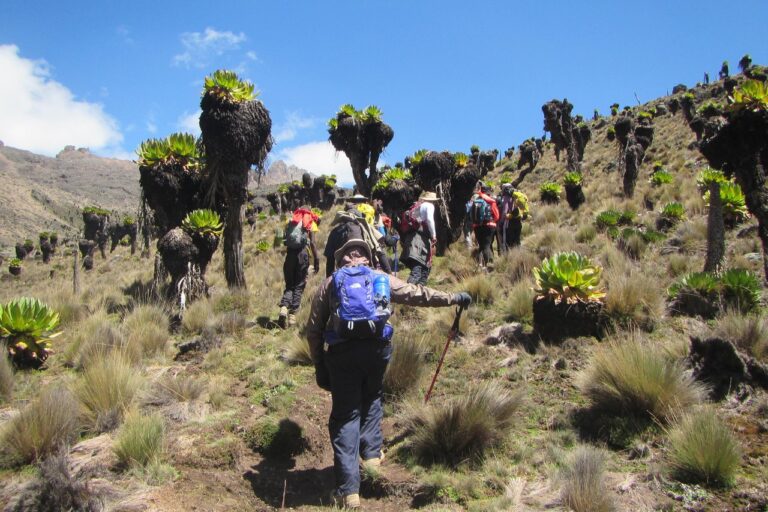
On Mt Kenya, nights at the high camps below Point Lenana (4,985 m) are regularly below freezing, and the pre-dawn push from Shipton’s or Mackinder’s Camp is the coldest stretch of the trek. Kilimanjaro is colder still. If you are packing for either peak, our Mt Kenya packing list and Kilimanjaro gear checklist show where headwear sits among the other layers.
The moorland around Oldoinyo Lesatima, the range’s highest point at about 4,000 m, can be frosty at dawn, and afternoon mist chills a damp head quickly. In Nairobi itself, cool July mornings call for a light beanie at most.
| Where you are going | Typical conditions | Headwear plan |
|---|---|---|
| Karura Forest, Ngong Hills | Mild, rarely near freezing | Cap or sun hat; beanie for an early start |
| Elephant Hill, Aberdares (about 3,700 m) | Cold mist, possible frost at dawn | Beanie while walking; winter trapper hat for camp |
| Mt Kenya high camps (around 4,200 m) | Below freezing at night | Winter trapper hat at camp and for sleeping |
| Point Lenana summit push | Sub-zero, often windy | Thin balaclava plus winter trapper hat, hood ready |
| Kilimanjaro summit night | Far below freezing, strong wind | Balaclava, trapper with flaps down, insulated hood over the top |
How Should a Winter Trapper Hat Fit?
A good fit is snug across the forehead, deep enough that the flaps reach below your earlobes, and loose enough at the strap that you can open your mouth fully. If it rides up when you frown, it is too shallow.
Measure around your forehead, just above the eyebrows and ears, with a soft tape, then compare that with the size chart. Try any winter trapper hat on with whatever you will wear underneath, because a hat that fits perfectly over bare hair may pinch over a balaclava at 4,000 m.
- Fasten the strap with the flaps down. Two fingers should fit between strap and throat.
- Look up at the ceiling. The front flap should not push the hat off the back of your head.
- Put your jacket hood up over it. If the hood will not close, plan to wear the hood alone in wind and the hat at camp.
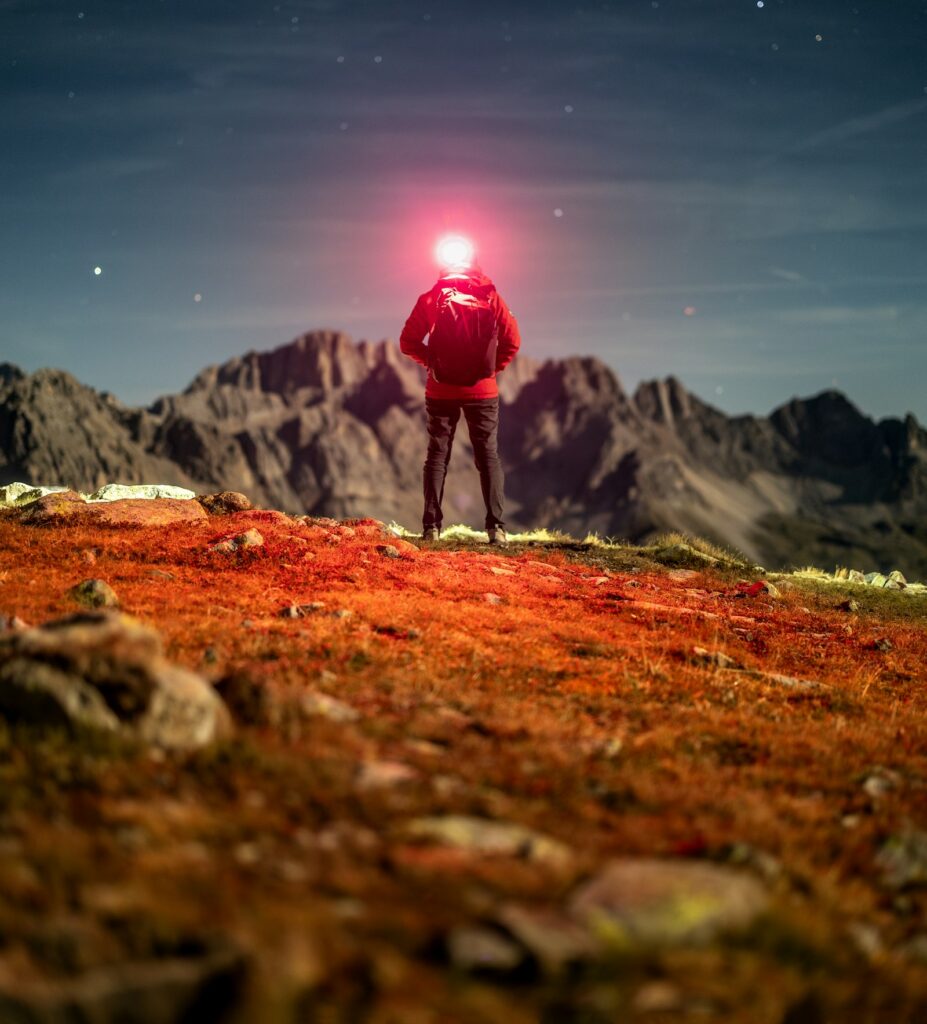
Wearing a Winter Trapper Hat With a Headlamp, Hood and Balaclava
Treat head layers as a system: a balaclava or gaiter against the skin, the trapper over it, and the jacket hood on top only when wind demands it.
The headlamp is where most people struggle. The faux-fur crown of a winter trapper hat is slippery, so a lamp band creeps up as you walk. Wear it low, across the front flap, and tighten it one notch more than on bare hair. A rechargeable model such as our waterproof rechargeable headlamp saves fiddly battery changes with gloves on.
Underneath, our fleece-lined balaclava covers the nose and mouth that a winter trapper hat leaves open (our balaclava buying notes explain when to pull it up). Add Thinsulate waterproof gloves so you can work the strap buckle without bare fingers.
Can you sleep in a trapper hat?
Yes. Sleeping in a winter trapper hat with the flaps down is common at high camps, especially if your bag is rated close to the night’s low. Undo the chin strap so nothing presses on your neck, and wear the hat under the bag’s hood rather than instead of it.
Gear up for your next hike
Shop quality hiking and outdoor gear at great prices — from socks and gloves to hats, balaclavas and camping fuel. Everything you need for Kenya’s trails, delivered fast.
Common Mistakes With Cold-Weather Hats on Kenyan Mountains
The biggest mistake is wearing too much on your head while climbing. A sweaty lining turns cold the moment you stop and stays cold for hours at altitude.
On the steady climb from Old Moses to Shipton’s, a winter trapper hat with the flaps tied up on top, or a simple beanie, is usually enough. Drop the flaps and fasten the strap at breaks, on ridges and after sunset. A few other errors are just as common:
- Relying on the hat in rain. Water-resistant outers shed drizzle, not a downpour; let the jacket hood do the work.
- Forgetting the sun. UV is strong at altitude and the short front flap gives little shade, so pack sunglasses and sunscreen.
- Drying it by the fire. Synthetic fur and fleece can melt or mat near a campfire or jiko.
- Packing it damp. A wet hat stuffed into a duffel at Shipton’s will still be wet the next night.
How Do You Wash and Store a Faux Fur Trapper Hat?
Hand wash a winter trapper hat in cool water with a mild detergent, squeeze rather than wring, roll it in a towel, then air dry it. Comb the lining gently once dry so the fibres stand up again.
Hot water and tumble dryers flatten and tangle faux fur for good. Between trips, keep your winter trapper hat loose in a cloth bag rather than crushed under heavier gear, and make sure it is bone dry before the humid long-rains weeks of March to May.
Pro Tips
- Tie the flaps up while climbing and drop them only when you stop or hit wind.
- Wear your headlamp band low across the front flap and tighten it one notch.
- Carry a beanie for the walk-in days; save the trapper for camp and summit.
- Undo the chin strap before sleeping so nothing presses on your throat.
- Dry the hat in moving air, never beside a campfire, stove or jiko.
Where Can You Buy a Winter Trapper Hat in Nairobi?
You can buy one from our online shop or in person at Mountain Mall in Nairobi. We sell quality thrifted gear alongside some new stock, so warm headwear costs far less than buying everything new.
Our winter trapper hat is listed online, with other cold-weather pieces under hiking accessories. To try sizes on, our Nairobi gear shop beside Thika Road is at Mountain Mall, 3rd Floor, Shop D39, open Monday to Friday 8:30am to 6:00pm and Saturday 9:00am to 2:00pm, with Sunday visits by appointment. It is a short ride from Kasarani, Garden Estate and Thome.
With a pre-owned hat, look at three things: a strap buckle or Velcro that closes firmly, a lining that is not matted flat, and sound stitching where the flaps join the crown. See our hiking hats roundup for sun hats and beanies, and layering for cold weather hikes for the layers below.
Ready to hit the trail?
Join one of our upcoming guided hikes — from beginner-friendly day hikes to longer treks across Kenya’s best routes.
Frequently Asked Questions
Do I really need a winter trapper hat for Mt Kenya, or will a beanie do?
A beanie will do for most of a Mt Kenya trek, but a lined hat with ear flaps is far more comfortable for the pre-dawn push to Point Lenana and evenings at the high camps, where it is below freezing and often windy. Many hikers carry both: the beanie for walking days, the trapper for camp and summit morning.
Is a trapper hat too hot for hiking?
A trapper hat can be too hot while climbing in calm weather, which is why most hikers tie the flaps up on top while moving and drop them at rest stops. Below about 3,500 m in Kenya, a lined trapper is usually more warmth than you need during the day. Save it for high camps, summit nights, frosty dawns and long, windy breaks on exposed ridges.
What size trapper hat should I get?
Measure around your forehead just above the eyebrows and ears with a soft tape, then match that number to the size chart on the product page. Trapper hats are often one-size or sold in S/M/L bands. If you plan to wear a balaclava underneath on summit night, choose the size that still feels comfortable with that thin layer on, not the tightest fit over bare hair.
Can you wash a faux fur trapper hat in a machine?
Hand washing is safer for a faux fur trapper hat. Use cool water and a mild detergent, squeeze gently, roll it in a towel and air dry it away from heat. Machine washing and tumble drying tend to flatten and tangle the pile. Always read the care label first, since some hats with leather or structured parts should only be spot cleaned with a damp cloth.
Final Thoughts
Numb ears are among the easiest summit problems to avoid. For Kenyan hikers, a winter trapper hat is a high-altitude piece, worn at camp, on summit morning and during windy stops, while a beanie handles the warmer walking days. Fit it over a thin balaclava and keep the lining dry.
If Mt Kenya, Kilimanjaro or a cold Aberdares camp is on your calendar, sort your headwear a few weeks early and try it on a chilly Nairobi morning. Check the Kenya Wildlife Service page for Mt Kenya National Park for current park rules before you book.
Not sure if your ears need flaps or just a beanie for your next climb?
Our team can help you choose the right gear, answer your hiking questions and get your order dispatched quickly. Message us for a quick, straight answer.