Shade at noon and warm ears before dawn: those two jobs decide which hiking hats in Nairobi deserve space in your daypack. For most Kenyan trails that means a light-coloured sun hat with a brim of at least 5-7 cm all round, plus a warm trapper hat or fleece beanie for any start above 3,500 m.
Plenty of people leave the city for Ngong Hills in a baseball cap, come home with burnt ears and a red neck, and then pack the same cap for a freezing summit night on Mt Kenya. Below we explain how the sun and cold behave on Kenyan mountains, which hat styles fit which trails, what to look for on the shelf (new or thrifted), how to care for a hat, and where to buy hiking hats in Nairobi.

Quick Facts: Hiking Hats for Kenya
- Two hats cover most trips: a wide-brim sun hat for daytime and a warm hat with ear cover for pre-dawn starts and cold camps.
- Brim width: MD Anderson Cancer Center advises a brim reaching at least 2-3 inches (about 5-7.5 cm) from the head, all the way round.
- UV and altitude: UV radiation rises by roughly 12% for every 1,000 m you climb, so Point Lenana (4,985 m) gets far stronger rays than Nairobi (about 1,795 m).
- Fabric: the hiking hats in Nairobi worth buying use tightly woven cloth with a UPF 30-50+ label for sun; fleece or fleece-lined fabric for cold.
- Rainy seasons: the long rains (roughly March-May) and short rains (roughly October-December) make quick-drying hiking hats in Nairobi a better buy than straw or cotton.
- Where to buy hiking hats in Nairobi: our shop at Mountain Mall, Thika Road, or online with M-Pesa or cash on delivery.
Why do hiking hats matter more on Kenyan trails?
Hiking hats matter more in Kenya because the sun sits almost straight overhead at midday all year, and most popular trails climb well above Nairobi. Higher ground means stronger ultraviolet light by day and much colder air before sunrise.
Kenya straddles the equator, so there is no gentle winter sun to fall back on. On an open ridge at 11 a.m., the top of your head, your ears, the back of your neck and the tip of your nose take the hardest hit, and a cap covers only one of those. Sweat makes it worse, because sunscreen wears off fast on a climb. Those four spots are exactly what well-designed hiking hats in Nairobi are built to cover.
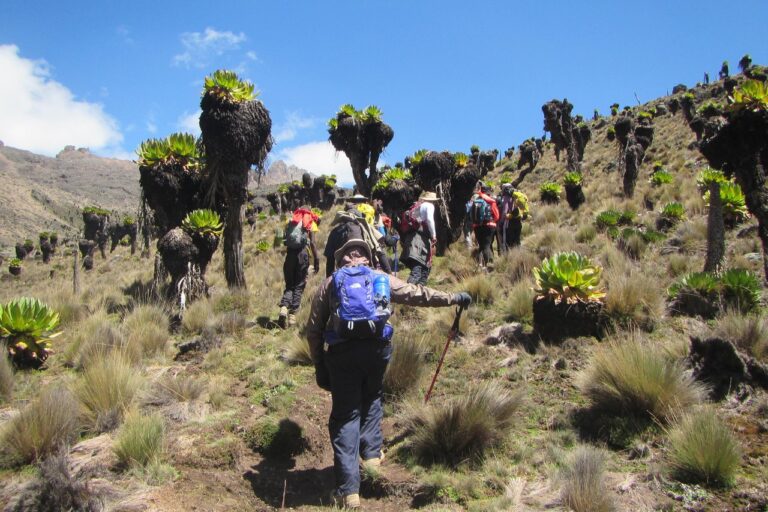
Height adds to the problem. The Hong Kong Observatory explains that UV radiation rises by about 12% for every 1,000 m of altitude, because there is less air above you to filter it. Nairobi sits near 1,795 m. Ngong Hills top out around 2,460 m, the rim of Mt Longonot at 2,776 m, the Aberdare moorland at 3,000-4,000 m and Point Lenana at 4,985 m. By the time you reach the upper slopes of Mt Kenya, you are in sunlight roughly a third stronger than in the city, often with snow or pale rock bouncing it back up under your brim. For any big climb, that alone should drive your choice among hiking hats in Nairobi.
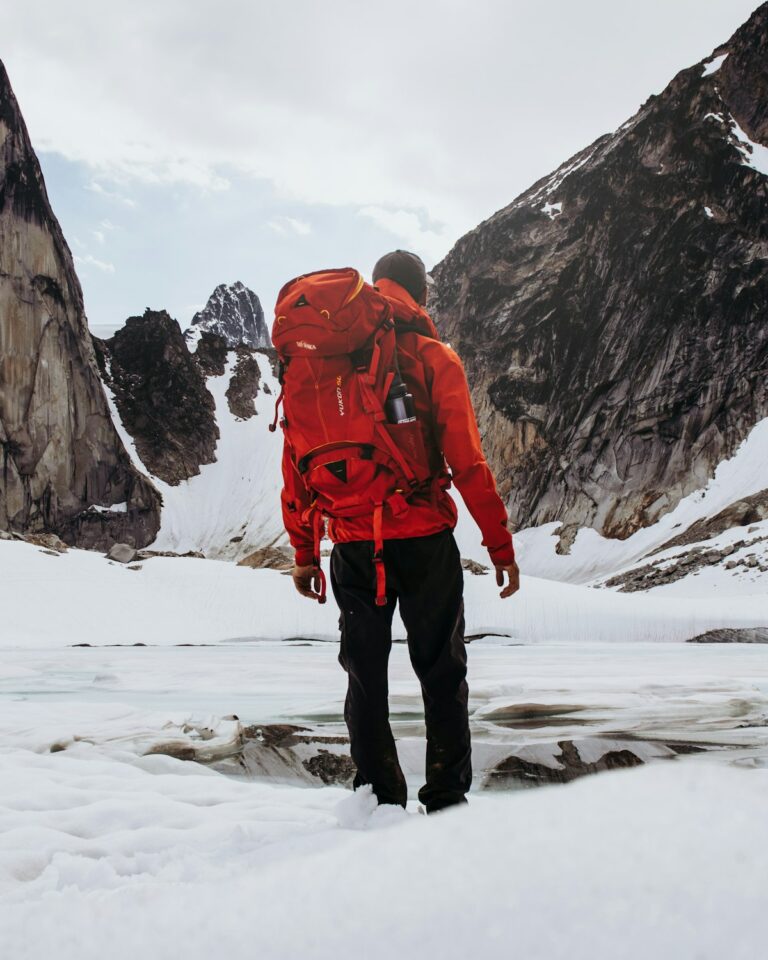
The same mountains swing the other way at night. On summit pushes that leave camp at 2 or 3 a.m., the air on Mt Kenya and Kilimanjaro is well below freezing, and wind on the final ridge strips heat from bare ears in minutes. That is why shoppers comparing hiking hats in Nairobi usually end up with two: one for the sun and one for the cold.
Which hiking hats in Nairobi suit each kind of trail?
Wide-brim sun hats suit open, shadeless hikes; bucket hats and caps suit shaded forest trails and short outings; trapper hats, beanies and balaclavas suit summit nights and cold camps. Match the hat to the most exposed hour of your hike, not the average one.
The table below sets out the main styles you will meet among hiking hats in Nairobi, new and pre-owned, and the trails each one suits.
| Hat style | What it does well | Kenyan trails it suits | Weak points |
|---|---|---|---|
| Wide-brim sun hat | Shades face, ears and neck; chin cord holds it in wind | Ngong Hills, Mt Longonot, Hell’s Gate, Ol Donyo Sabuk, moorland days on Mt Kenya | Catches strong gusts without a cord; awkward under a rain hood |
| Bucket hat | Packs flat; shorter all-round brim | Karura Forest, Oloolua, short walks with tree cover | Brim often too short to shade the neck at midday |
| Baseball cap | Shades the eyes; fits under a hood | Shaded forest trails, rainy-day hikes under a jacket hood | Leaves ears and neck bare; needs a buff or sunscreen |
| Fleece beanie | Light warmth for the crown and ears | Cold mornings on the Aberdares, camp evenings | Thin ones let wind through on summit ridges |
| Trapper hat | Ear flaps and a warm lining; ties under the chin | Point Lenana, Uhuru Peak, cold camps at Shipton’s or Mackinder’s | Too warm for climbing hard below 3,500 m |
| Balaclava | Covers head, ears, cheeks, chin and neck | Summit nights and fierce wind above 4,000 m | Needs a hat or hood on top in deep cold |
Wide-brim sun hats for open ridges
A wide-brim sun hat is the best daytime pick for most Kenyan hikes because the brim shades the face, ears and neck at once. Look for a brim of about 7 cm or more, a chin cord and some ventilation around the crown.
Of the hiking hats in Nairobi we stock, our wide-brim safari hiking sun hat is the style we point most day hikers towards. The Ngong Hills ridge, the crater rim of Longonot and the exposed lower slopes of Kilimambogo have almost no shade after the first hour, and that is where a proper brim matters. A chin cord matters: wind across the knuckles of Ngong can lift a loose hat straight off.
Colour matters too. Pale khaki, sand or light grey stays cooler than black, and MD Anderson notes that lighter hats reflect more sunlight while dark ones absorb it and feel hotter. When you compare hiking hats in Nairobi, olive and khaki also hide red-soil dust better than white.
Are bucket hats and caps ever enough?
Bucket hats and caps are enough on shaded or short hikes, such as Karura Forest or Oloolua, and on rainy days when the hat sits under a jacket hood. On open trails they leave the ears and neck exposed for hours.
A cap is handy in the rains because the peak keeps drizzle off your eyes and fits neatly under a hood. Plenty of hikers already own a cap, so if you prefer one on sunny days, pair it with a buff or neck gaiter and sunscreen on the ears. A bucket hat sits between the two, but its shorter brim helps little at noon.
Trapper hats and beanies for summit nights
A trapper hat or a fleece beanie is the right pick for the cold hours on Mt Kenya, Kilimanjaro and high Aberdare camps. A trapper hat adds ear flaps that tie under the chin, which a beanie cannot match in strong wind.
Our winter trapper hat has ear flaps you can fold up while walking and pull down when you stop, so it handles both a steady climb and a windy rest. A thin beanie is the lightest of the warm hiking hats in Nairobi and fits under a helmet or jacket hood, which suits sweaty climbers on Sirimon or Chogoria. On the coldest nights, many people wear a fleece-lined balaclava with a warm hat over it. Our earlier post on the tactical winter trapper hat goes into that model in more detail, and our balaclava buying guide explains when face cover is worth adding.

What to look for when buying hiking hats in Nairobi
When buying hiking hats in Nairobi, check brim width, fabric weave, chin cord, ventilation, fit and condition. A hat that blows off, traps sweat or lets sunlight through the weave will spend the hike in your hand instead of on your head.
Work through this list when you compare hiking hats in Nairobi, in the shop or with the product photos if you order online:
- Brim width: at least 5-7.5 cm all the way round for a sun hat, as MD Anderson’s sun hat advice recommends. Measure from the crown seam to the brim edge at the back, not only at the front.
- Weave and UPF: hold the hat up to a window. If you can see points of light through the fabric, UV gets through too. A UPF 50+ label is the top rating; UPF 30-49 is still good.
- Chin cord or strap: a sliding toggle lets you tighten it on windy ridges and leave it loose on calm forest paths.
- Ventilation: mesh panels or eyelets near the crown let heat escape on steep climbs like the Longonot ascent.
- Sweatband: a soft, wicking band stops sweat running into your eyes and is the first part to wear on a pre-owned hat.
- Packability: a crushable brim that springs back after a day in a pack is worth more than a stiff one that creases for good.
- Warm hats: ear flaps that reach below the earlobes, a lining that stays soft, and a tie or strap that works with gloves on.
- Fit with your other kit: try a warm hat under your jacket hood and with your headlamp strap; try a sun hat with your sunglasses on.
How should a hiking hat fit?
A hiking hat should sit level about a finger-width above your eyebrows and ears, snug enough to stay put when you look down, without leaving a red line on your forehead after ten minutes.
Measure your head with a soft tape just above the ears and across the middle of the forehead, then compare the number in centimetres with the size label on the hiking hats in Nairobi you are considering. If you fall between sizes, choose the larger one and tighten the inner band or chin cord. Remember that a warm hat goes over a thicker hairstyle or a balaclava on summit night, so leave a little room.
Buying a thrifted hiking hat: what wears out first?
On a thrifted hiking hat, the sweatband, chin cord and brim edge wear out first. Check those three, then look at the fabric for fading, which can be a sign that a sun hat has spent years in strong light.
Much of our stock is quality thrifted gear from well-known outdoor brands, with some new items alongside, so good hiking hats in Nairobi cost far less than they would new. Bend the brim to see whether it springs back and pull gently on the chin cord toggle. Wash a second-hand hat before the first hike; most synthetic hiking hats handle a cool hand wash well.
Gear up for your next hike
Shop quality hiking and outdoor gear at great prices — from socks and gloves to hats, balaclavas and camping fuel. Everything you need for Kenya’s trails, delivered fast.
Sun hat or warm hat? Planning hike by hike
Plan your hat for the hike’s most exposed or coldest hour. For day hikes within two hours of Nairobi, a sun hat is usually all you need. For anything with a pre-dawn start above 3,500 m, pack both a sun hat and a warm hat.
These worked examples show which hiking hats in Nairobi suit the trails our readers ask about most:
| Hike | High point | Hat plan |
|---|---|---|
| Karura Forest | About 1,700 m | Cap or bucket hat; tree cover does most of the work |
| Ngong Hills | About 2,460 m | Wide-brim sun hat with a chin cord for ridge wind |
| Mt Longonot | 2,776 m | Wide-brim sun hat; almost no shade on the climb or the rim |
| Ol Donyo Sabuk (Kilimambogo) | About 2,145 m | Sun hat for the open lower slopes; cap in the forested upper section |
| Elephant Hill, Aberdares | About 3,600 m | Sun hat plus a fleece beanie for mist and wind on the moorland |
| Mt Kenya to Point Lenana | 4,985 m | Sun hat for moorland days; trapper hat (and balaclava) for summit night and camps |
| Kilimanjaro to Uhuru Peak | 5,895 m | Sun hat with neck cover for the alpine desert; trapper hat or beanie plus balaclava for the midnight push |
Day hikes close to the city
Day hikes such as Ngong Hills and Mt Longonot are sun-hat trips, so if you are buying hiking hats in Nairobi mainly for weekend outings, start with a brimmed sun hat. Set off early too, because by late morning the open ground radiates heat as well as light. Our Mt Longonot hike guide explains why the rim walk is so exposed, and the same goes for the long grassy shoulders of Kilimambogo described in our Ol Donyo Sabuk hike guide. A safari-style sun hat and a full water bottle do more for your afternoon than any amount of sunscreen reapplied with dusty fingers.
Mt Kenya and Kilimanjaro
On the big mountains, carry both of the hiking hats in Nairobi climbers usually buy, and keep them in the daypack rather than the porter bag. Sun on the Mt Kenya moorland around Old Moses and Shipton’s is fierce by 10 a.m., and Kilimanjaro’s alpine desert above 4,000 m offers no shade at all. Then the summit push starts in the dark below freezing. Many climbers walk with the trapper hat’s flaps up, pull them down at rests, and swap back to the sun hat after sunrise.
Our Mt Kenya gear list for Nairobi shoppers shows where both hats sit among the rest of the summit kit.
The rainy seasons
During the long rains and the short rains, a brimmed hat still helps: a cap or sun hat under the jacket hood keeps the hood’s edge off your eyes and drips off the end of the brim instead of your nose. Among hiking hats in Nairobi, choose quick-drying nylon or polyester over cotton canvas or straw, which stay heavy and wet for hours. Our layering guide for cold-weather hikes covers how the hat fits with the shell and fleece on a wet day.

Buying hiking hats in Nairobi: our Thika Road shop and online orders
You can buy hiking hats in Nairobi at Hiking Outdoor Gear Hub, Mountain Mall, 3rd Floor, Shop D39, Thika Road. You can also order online and pay with M-Pesa or cash on delivery.
Mountain Mall is on Thika Road, close to Kasarani, Garden Estate and Thome, so it is an easy stop on the way out of town towards Mt Kenya or the Aberdares. The shop opens Monday to Friday 8:30am-6:00pm and Saturday 9:00am-2:00pm, and Sunday visits are by appointment. Trying hiking hats in Nairobi in person, with your own sunglasses and jacket, at our hat shelf at Mountain Mall on Thika Road is the surest way to get the fit right.
If you would rather order from home, the wide-brim safari hiking sun hat and the winter trapper hat are both in our online shop, and the wider accessories range holds the gloves, balaclavas and gaiters that go with them. Pay by M-Pesa or cash on delivery, and message us on WhatsApp if you want a head-size or colour question answered before you order.
Because so much of our range is thrifted, stock of branded hiking hats in Nairobi changes often. For a full summit kit, our Kenya hiking gear checklist lists the hats alongside every other item, so you can buy the hiking hats in Nairobi you need with the gloves and layers they work with.
Pro Tips: Getting More From Your Hiking Hats
- Clip a sun hat to your pack strap by its chin cord when you enter forest, instead of stuffing it in the pack where the brim creases.
- Keep the warm hat in a jacket pocket on summit night so it is dry and warm when you stop.
- Wet a sun hat at a stream on hot afternoons; evaporation cools your head for a while.
- Wear sunscreen on the ears and lips even under a wide brim, because light reflects up from pale rock, ash and snow.
- Add UV400 sunglasses to a sun hat above 3,500 m; the brim shades your eyes from above but not from glare off the ground.
- Buy hiking hats in Nairobi a week or two before a big climb and wear them on a training walk, so a tight band shows up early.
How do you care for a hiking hat?
Hand-wash a hiking hat in cool water with mild soap, rinse it well, reshape the brim and let it air-dry in the shade. Avoid hot washes, tumble dryers and long spells drying in direct sun.
Whatever hiking hats in Nairobi you end up with, sweat and red dust build up fastest on the sweatband, so give it a gentle scrub with an old toothbrush after a dusty Ngong or Longonot day. Dry it over a rolled towel so the crown keeps its shape. For a trapper hat, wash only when it needs it, squeeze rather than wring, and dry it flat; heat can mat a soft lining. Treated this way, hiking hats in Nairobi bought thrifted or new last many seasons of weekend hikes.
Common hat mistakes on Kenyan trails
The most common hat mistakes are taking a cap on a shadeless ridge, leaving the warm hat in the porter bag, and buying a sun hat with no chin cord.
Black cotton caps get hot and stay wet in the rains, straw lets light through and sags after a downpour, and very tight warm hats cause headaches over a six-hour summit push. Thinking about that most exposed hour, sun or wind, when you shop for hiking hats in Nairobi avoids nearly all of these.
Hiking with us: where the right hat earns its keep
Our guided hikes run on trails where both kinds of hat get used, from sunny crater rims to cold Aberdare moorland. Check the hike schedule for upcoming dates, and pick up any hiking hats in Nairobi you still need before the trip.
Hikes such as the Table Mountain hike in the northern Aberdares and Oldoinyo Lesatima cross high, open ground where the sun is strong by mid-morning and mist can roll in by afternoon, so a sun hat and a beanie both earn their place in the daypack.
Ready to hit the trail?
Join one of our upcoming guided hikes — from beginner-friendly day hikes to longer treks across Kenya’s best routes.
Frequently Asked Questions
What type of hat is best for hiking in Kenya?
A light-coloured wide-brim sun hat with a chin cord is the best all-round hat for hiking in Kenya, because most trails are open and the equatorial sun is strong. Pick a brim of about 7 cm and a tight weave. When choosing hiking hats in Nairobi for Mt Kenya, Kilimanjaro or cold Aberdare camps, add a warm trapper hat or fleece beanie for the pre-dawn hours.
Is a baseball cap OK for Ngong Hills?
A baseball cap works on Ngong Hills only if you also protect your ears and neck with sunscreen or a buff. The Ngong ridge has very little shade and is often windy, so a wide-brim hat with a chin cord is more comfortable for the full walk. A cap is fine for shaded trails such as Karura Forest or on drizzly days under a hood.
Do I need a warm hat for Mt Kenya if I have a hood?
A warm hat is still worth carrying for Mt Kenya even if your jacket has a hood. Hoods narrow your view and get pushed back on steep sections, while a trapper hat or beanie stays on and keeps your ears warm at rest stops and in camp. Many climbers buy both hiking hats in Nairobi before the trip and, on summit night, wear the warm one under the hood, often over a balaclava.
Where can I buy hiking hats in Nairobi?
You can buy hiking hats in Nairobi at Hiking Outdoor Gear Hub, Mountain Mall, 3rd Floor, Shop D39 on Thika Road, open Monday to Friday 8:30am-6:00pm and Saturday 9:00am-2:00pm, with Sunday visits by appointment. Our sun hat and trapper hat are also listed online, and you can pay with M-Pesa or cash on delivery.
How wide should a sun hat brim be for hiking?
A sun hat brim for hiking should reach at least 5-7.5 cm (2-3 inches) from the crown all the way round, which is the width MD Anderson Cancer Center recommends for shading the face, ears and neck. On Kenyan trails at midday, when the sun is nearly overhead, a brim at the wider end of that range makes a real difference.
Final Thoughts
Your head is the highest point of your body on every climb, so it takes the strongest sun at noon and the hardest wind before dawn. A wide-brim sun hat covers the day hikes around the city, and a trapper hat or beanie covers the cold hours on the big mountains.
Between them, those two hiking hats in Nairobi suit nearly every Kenyan trail you are likely to walk.
Before your next hike, look at the most exposed hour on the plan, then come and try on hiking hats in Nairobi at Mountain Mall or order the one you are missing online.
Not sure whether your next hike calls for a sun brim, ear flaps or both?
Our team can help you choose the right gear, answer your hiking questions and get your order dispatched quickly. Message us for a quick, straight answer.