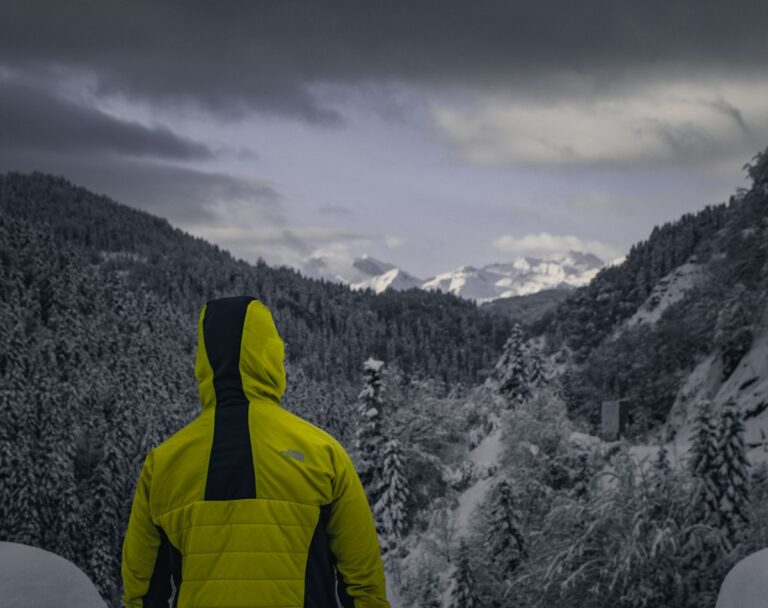

Rainy season hiking gear in Kenya is best bought in priority order: a waterproof shell with a proper hood first, then boots with deep lugs, merino socks with a dry spare, rain pants, gaiters and dry bags for your pack. A fleece and a headlamp finish the kit, and most of it can be found thrifted in Nairobi.
The short rains reached Nairobi in late October and are forecast to run into January. Below, each piece of rainy season hiking gear is ranked, with what it does, when you can skip it and how to make pre-owned waterproofs work.
Quick Facts
- Kenya’s wet seasons: long rains roughly March to May, short rains roughly October to December.
- This season: Kenya Met expects above-average short rains over Nairobi, lasting into January.
- Buy first: the core of any rainy season hiking gear is a waterproof jacket with taped seams and an adjustable hood.
- Jacket rating: at least 10,000 mm hydrostatic head; 20,000 mm or more for long, stormy days.
- Feet: deep-lugged boots, merino or synthetic socks, and one dry spare pair sealed in a bag.
- Avoid: cotton T-shirts and jeans as rainy season hiking gear; they stay wet and pull heat from your body.
When Do Kenya’s Rains Fall, and What Is This Season Bringing?
Kenya has two wet seasons: the long rains from about March to May and the short rains from about October to December. The current short rains look wetter than usual around Nairobi.
In its October-December seasonal forecast, the Kenya Meteorological Department placed Nairobi, Kiambu, Nyeri and the other highlands east of the Rift Valley in the above-average category, with rain continuing into January. Expect clear mornings, afternoon storms, slick red soil around Ngong and cold, windy rain on the Aberdares. Your kit has to handle water from above, mud from below and the chill when you stop.
Which Rainy Season Hiking Gear Should You Buy First?
Buy the shell first, then boots, socks, rain pants, gaiters, pack protection, a warm mid layer and a headlamp, in that order. The first three protect your core and footing.
| Rank | Item | What it protects | Can you skip it? |
|---|---|---|---|
| 1 | Waterproof shell jacket | Core warmth, against rain and wind | No |
| 2 | Boots with deep lugs | Grip on mud, wet rock and ash | Only on paved or gravel paths |
| 3 | Merino or synthetic socks, plus a spare | Warm feet, fewer blisters | No |
| 4 | Rain pants | Legs from wet, cold trousers | On warm trails under 2,000 m |
| 5 | Gaiters | Boots from mud, wet grass and grit | On short, firm routes |
| 6 | Dry bags and a pack cover | Spare clothes, phone, first aid | No; plastic bags will do at a pinch |
| 7 | Fleece or synthetic mid layer | Warmth at rest stops | Only on low, hot trails |
| 8 | Headlamp | A safe descent if storms slow you | No, on full-day hikes |
Building from scratch? Our hiking gear checklist for Kenya shows the full day pack.
1. What makes a rain jacket good enough for Kenyan storms?
A good rain jacket has a waterproof membrane, fully taped seams and a hood you can tighten around your face. Those features decide whether you stay dry in a two-hour Aberdares storm or only in a town shower.
Check the hydrostatic head figure: 10,000 mm suits most hiking, while 20,000 mm or more suits long, stormy days under a heavy pack. Our rain jackets for hiking are the backbone of any rainy season hiking gear; our guide to choosing a rain jacket in Nairobi covers fit.
2. Which boots grip best on wet red soil and volcanic ash?
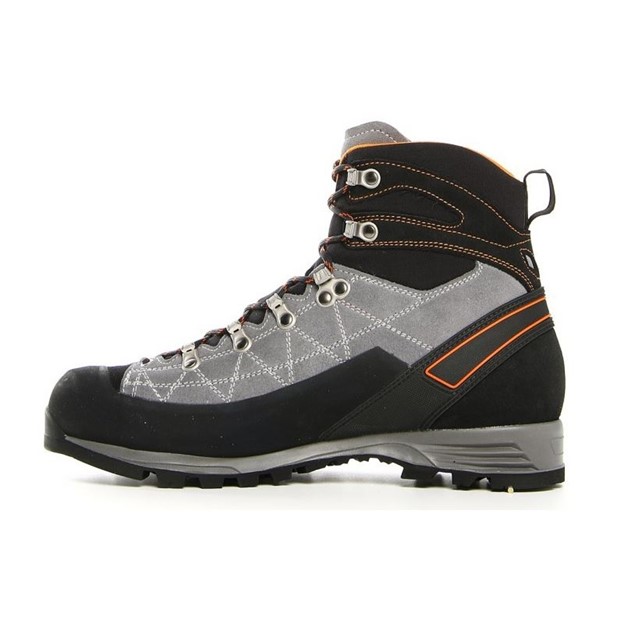
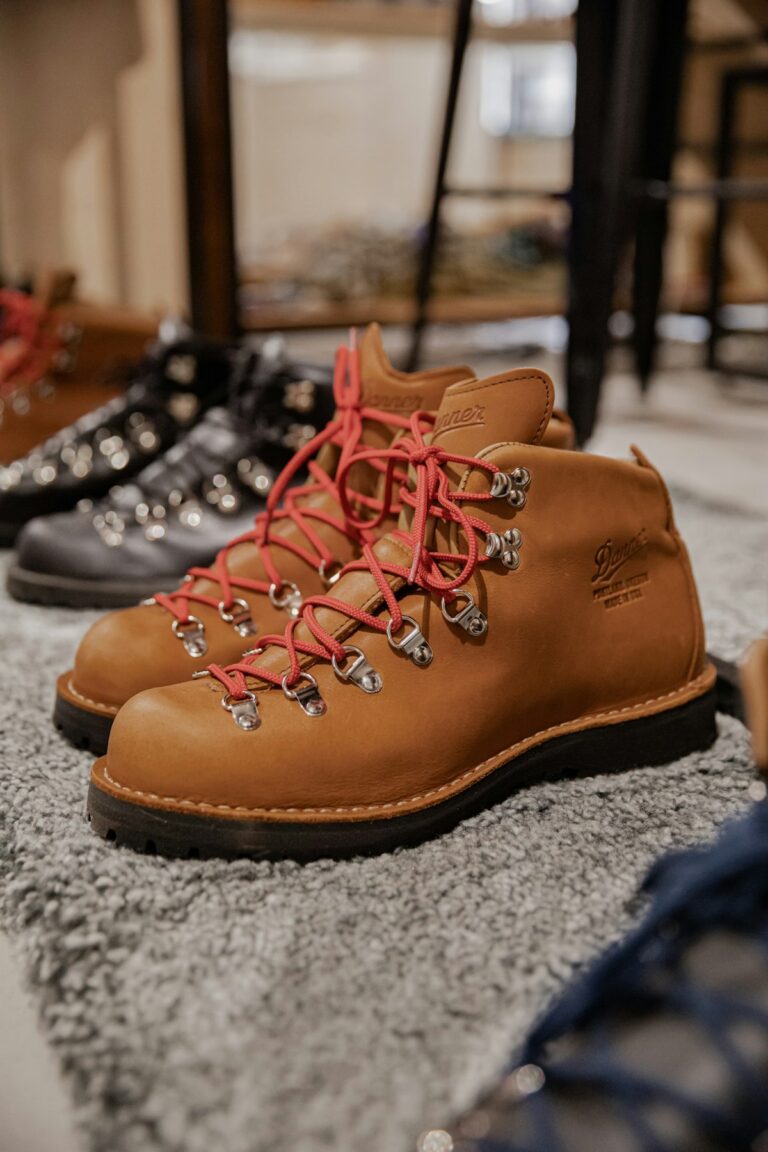
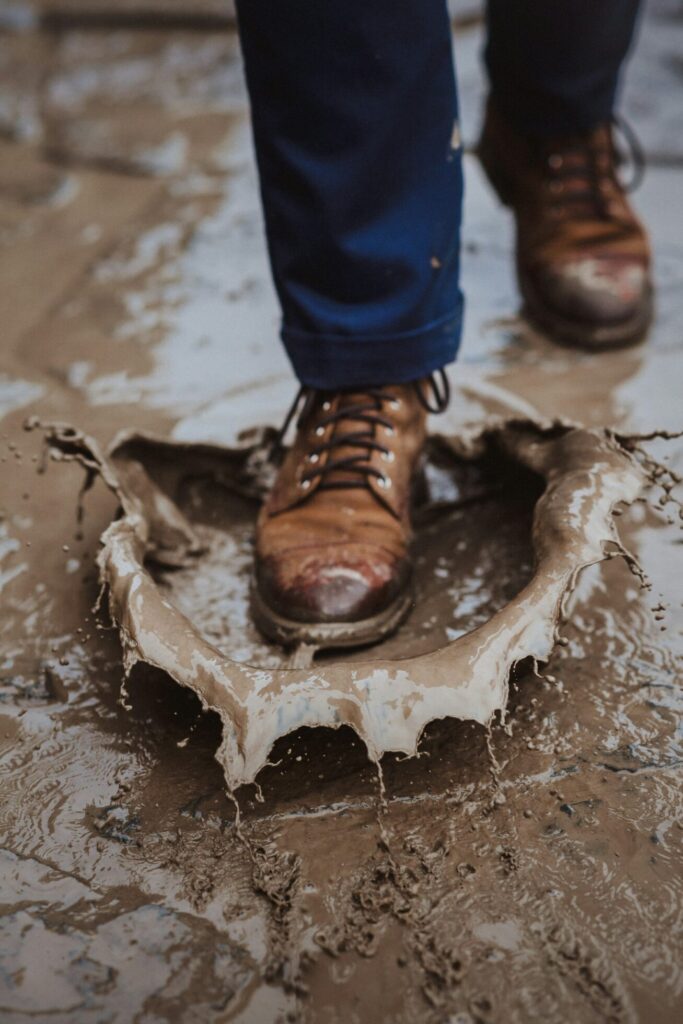
Boots with deep, widely spaced lugs grip best, because the gaps let mud squeeze out instead of packing into the sole. A waterproof lining keeps feet drier through long grass and puddles.
Mid-height boots, the second buy in any rainy season hiking gear, also support ankles on slippery descents. A pair like the Quechua waterproof hiking boot suits most day hikes around Nairobi. Worn-flat heel lugs mean it is time to replace them.
3. Why do socks rank so high?
Socks rank high because wet, rubbing feet end more hikes than almost anything else. Merino wool stays warm when damp and resists odour; synthetic blends dry fastest.
Pack a dry spare pair in a zip-lock bag and change at lunch. Our merino wool hiking socks are the cheapest upgrade in this whole set of rainy season hiking gear.
4. Are rain pants worth carrying?
Rain pants are the most overlooked rainy season hiking gear, and worth carrying above about 2,500 m or whenever wind and rain come together. Soaked trousers chill you for hours.
Choose a pair with ankle zips so it goes on over boots. The waterproof rain pants for men and women we stock pull over normal trousers in under a minute.
5. Do gaiters really help in the short rains?
Gaiters help a lot, because they seal the gap between boot and trouser where water and mud run in. They matter most in wet grass, bamboo and boggy moorland.
A pair of waterproof leg gaiters weighs little. Unlike most rainy season hiking gear, it keeps gravel out on dusty days too, so it earns its place all year.
6. How do you keep the inside of your backpack dry?
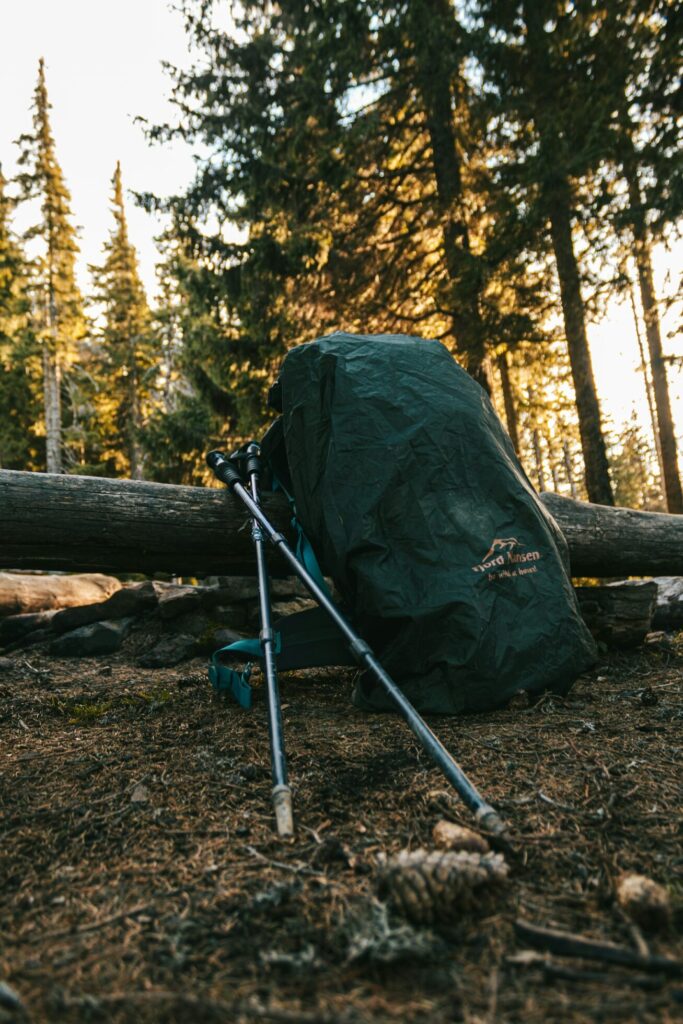
Use a waterproof liner or dry bags inside and a rain cover outside. Seams and zips leak in a real storm, and keeping your other rainy season hiking gear dry inside matters as much as wearing it.
Bag your fleece, spare socks, phone and first-aid kit separately, with what you need most near the top.
7. Which warm layer works when everything is damp?
A fleece or synthetic insulated jacket works best, because it keeps much of its warmth when wet, while down clumps. Keep it dry and put it on the moment you stop.
For day hikes, a mid-weight fleece is the most versatile warm layer; our fleece jackets buying guide covers weights and fits.
8. Why carry a headlamp on a day hike?
Storms slow you down and cloud makes late afternoons dim, so a delayed descent off a muddy ridge needs a hands-free light.
Charge it the night before. No list of rainy season hiking gear is complete without one.
Gear up for your next hike
Shop quality hiking and outdoor gear at great prices — from socks and gloves to hats, balaclavas and camping fuel. Everything you need for Kenya’s trails, delivered fast.
Poncho or Rain Jacket: Which Is Better for Hiking in Kenya?
A rain jacket is better on windy ridges and high mountains; a poncho is fine on sheltered, low forest trails, where wind is not a problem.
A poncho is cheap, covers your pack and lets air in, which suits warm drizzle in Karura, but on the open Ngong Hills ridge it flaps. A unisex rain poncho makes a light backup, and as rainy season hiking gear for children on short walks it is hard to beat. Our rain poncho guide compares the two.
Can Second-Hand Rainy Season Hiking Gear Keep You Dry?
Yes. Pre-owned waterproofs keep you dry if the membrane and seams are intact, and a tired outer coating can be restored with a wash and a reproofing treatment.
Good shells last for years, which is why thrifted rainy season hiking gear is such good value. We sell quality pre-owned kit plus some new items, which makes branded shells affordable. Before buying any used shell or boot, check:
- Turn the jacket inside out and look for seam tape lifting across the shoulders and hood.
- Look for bubbling or flaking on the inner face, a sign the membrane is separating.
- Run every zip and test the hood drawcords and cuff tabs.
- Sprinkle water on the outside. Beading is good; if the fabric darkens, it needs reproofing, not replacing.
- Press a boot sole along its edge for gaps, and check the lugs are not worn flat.
A jacket that “wets out” traps sweat and feels leaky; wash it with a technical cleaner, then reproof it. You can try pre-owned shells, boots and gaiters at our third-floor shop in Mountain Mall, Thika Road, open Monday to Friday 8:30am-6:00pm and Saturday 9:00am-2:00pm.
Wet-Hike Pro Tips
- Start early; afternoon storms are the usual short-rains pattern.
- Put the shell on at the first steady drops, not once you are damp.
- Start cool in a quick-dry base layer and add warmth only at stops.
- Never cross fast water above knee height; unclip your hip belt first.
- If you hear thunder, get off summits and ridges and avoid lone trees.
- Back home, rinse the mud off your rainy season hiking gear and dry it slowly in the shade, away from a jiko or direct sun.
Which Kenyan Hikes Are Worth Doing in the Wet Months?
Karura Forest, the Ngong Hills ridge and Ol Donyo Sabuk all stay worthwhile in the rains with good kit and an early start.
Two of our guided hikes this month will test your rainy season hiking gear properly: the Oldoinyo Lesatima and Dragon’s Teeth day hike on 14 November climbs to about 4,000 m on the Aberdares, and the Mt Kilimambogo day hike on 21 November reaches the 2,145 m summit near Thika. See our best hikes in Kenya for more routes, and read how to hike safely in the rain before you go.
Ready to hit the trail?
Join one of our upcoming guided hikes — from beginner-friendly day hikes to longer treks across Kenya’s best routes.
Frequently Asked Questions
What rainy season hiking gear should I buy if my budget is tight?
On a tight budget, put your money into a waterproof jacket with taped seams and boots with deep lugs, then add merino socks. Dry bags can start as zip-lock bags and bin liners, and buying thrifted shells and boots in Nairobi stretches the money much further than buying new.
Is a poncho enough for hiking Ngong Hills in the rain?
A poncho is usually not enough for Ngong Hills in the rain, because the ridge is open and windy, so the poncho flaps and lets water in at the sides. A fitted jacket with a tight hood works far better. A poncho is fine for sheltered forest walks such as Karura, where wind is rarely a problem.
How do I know if my old rain jacket is still waterproof?
An old rain jacket is still waterproof if the seam tape is intact, the inner membrane shows no bubbling or flaking, and water beads on the outside. If the outer fabric darkens and soaks up water, the coating has worn off, and a technical wash plus a reproofing treatment usually restores it. Peeling seams are much harder to fix, so check them before buying any used rainy season hiking gear.
Should I still hike if heavy rain is forecast?
Postpone the hike if heavy rain or thunderstorms are forecast for exposed ridges, high moorland or routes with river crossings. On sheltered, low trails, light rain is fine with an early start. Check the Kenya Met forecast the evening before and in the morning. Pack your rainy season hiking gear either way, and keep a shorter backup route in mind.
Final Thoughts
Spend on the shell and the boots before anything else, because dry shoulders and sure footing decide how a wet hike goes. Socks, rain pants, gaiters, dry bags, a fleece and a headlamp complete rainy season hiking gear that works from Karura to the Aberdares.
Before your next outing, lay your kit out, run the water-drop test on your jacket and check your boot lugs. Then fill the gaps, pick a trail and get out while the hills are green.
Not sure which piece of rain gear to buy first?
Our team can help you choose the right gear, answer your hiking questions and get your order dispatched quickly. Message us for a quick, straight answer.