
Fingers usually go numb before toes on a Kenyan summit night, so hiking gloves in Nairobi belong on your shopping list before any hike above about 3,000 m. For most cold trails, one waterproof insulated pair is enough. For Point Lenana or Kilimanjaro, wear a fleece-lined mitten over it and keep a spare pair dry.
The city gives no warning. You leave a mild Nairobi evening in a T-shirt and, ten hours later, fumble with a frozen zip at 4,000 m. Below we cover which hikes need gloves, gloves versus mittens, how to layer them, what to check when buying, sizing, care and where to find hiking gloves in Nairobi at a fair price.

Quick Facts
- When you need them: any hike above about 3,000 m, any wet Aberdares day and every summit night on Mt Kenya (4,985 m at Point Lenana) or Kilimanjaro (5,895 m).
- Warmest option: mittens, because your fingers share warmth inside one compartment instead of four.
- Best first pair: among hiking gloves in Nairobi, a waterproof, insulated glove that still lets you grip a trekking pole and work a zip.
- Layering: a thin liner or insulated glove underneath, a mitten over the top for the coldest hours, and a dry spare in your pack.
- Wet hands lose heat fast: when choosing hiking gloves in Nairobi, waterproofing matters as much as insulation in Kenya’s long rains (March-May) and short rains (October-December).
- Our hiking gloves in Nairobi: Thinsulate waterproof gloves at KSh 850 and fleece-lined mittens at KSh 499 (as listed on our product pages at the time of writing).
Do You Really Need Gloves for Hiking in Kenya?
Not for every hike. Low, sunny day hikes such as Karura Forest or Ngong Hills rarely need them. Above about 3,000 m, in rain or wind, or on any pre-dawn start, gloves stop being optional, because cold, wet hands quickly lose grip and feeling.
Kenya sits on the equator, but altitude changes everything. On Mt Kenya, frost can form at night from around 3,000 m, where days often sit between about 5°C and 15°C, and nights near the summits fall well below freezing. Add ridge wind or Aberdares drizzle, and bare hands soon stop working.
On a mountain your hands open the pack, hold the pole, pull up the hood and feed you. Numb fingers make every job slow, and that is when people stop eating or skip a layer. Good hiking gloves in Nairobi cost less than a taxi to the trailhead, so there is little reason to go without.
Which Kenyan hikes call for hiking gloves?
Any hike that starts before sunrise, climbs above about 3,000 m or runs through cold rain calls for gloves. The table below matches popular Kenyan hikes with the hiking gloves in Nairobi that suit each one.
| Hike | Highest point | Typical conditions | Glove set-up |
|---|---|---|---|
| Karura Forest, Ngong Hills | About 2,460 m at Ngong | Mild; windy on the Ngong ridge | Usually none; light gloves on a windy, misty morning |
| Mt Longonot | About 2,780 m | Sun, dust and wind on the crater rim | Optional; thin gloves help on loose, gritty sections |
| Elephant Hill and Table Mountain | About 3,700-3,800 m | Mist, bog, cold rain in the afternoon | Waterproof insulated gloves |
| Oldoinyo Lesatima | About 4,001 m | Open moorland, wind, frequent drizzle | Waterproof insulated gloves plus a spare pair |
| Mt Kenya to Point Lenana | 4,985 m | Sub-zero summit push in the dark | Insulated gloves with mittens over them, plus a spare |
| Kilimanjaro (Uhuru Peak) | 5,895 m | Long, freezing summit night | Liner, insulated glove and mitten; spare pair in a dry bag |
If you are new to cold-weather layering in general, our piece on layering for cold weather hikes explains how hands, head and core work together.
Gloves or Mittens: Which Keep Your Hands Warmer?
Mittens are warmer. Your four fingers sit together and share heat, and there is less surface area for warmth to escape. Gloves give better dexterity, so most hikers wear gloves while moving and pull mittens on for the coldest, slowest hours.
Think of four people standing apart on a cold night, then the same four huddled together. The huddle stays warmer, which is why mittens come out for summit day on high peaks.
Why mittens beat gloves on summit night
Summit night on Mt Kenya usually means leaving a high camp in the small hours to reach Point Lenana around sunrise; on Kilimanjaro, most routes start around midnight. The slow, stop-start pace in freezing air is exactly when hands get coldest.
Mittens also fit over a glove. Wearing a thin or insulated glove under a mitten means you can slip the mitten off for a minute to open a zip or unwrap a snack, then put it straight back on, without ever exposing bare skin to the wind.
When hiking gloves are the better choice
Gloves win whenever you need your fingers. On a wet Aberdares day you will be adjusting pack straps, gripping trekking poles, opening water bottles and maybe steadying yourself on rock. A waterproof insulated glove keeps you warm enough for those conditions while leaving each finger free. For day hikes up to about 4,000 m, a good pair of hiking gloves in Nairobi is usually all you need.
How Do You Layer Hiking Gloves for Mt Kenya and Kilimanjaro?
Layer your hands the way you layer your body: a thin or insulated glove next to the skin, a warm mitten over it for the coldest hours, and a dry spare pair in your pack. Each layer can come off or go on as the temperature and your pace change.

Here is a practical system for a multi-day climb, built from hiking gloves in Nairobi that cost little:
- Base: a thin liner glove or your waterproof insulated pair. Wear this from the moorland upwards and on cold camp evenings.
- Warmth on top: a fleece-lined mitten pulled over the glove when you stop moving, at camp after sunset and on the summit push.
- Spare: a second pair of gloves sealed in a plastic or dry bag at the bottom of your pack, so a soaked pair never leaves you with nothing.
- Night-time drying: damp gloves go inside your jacket or sleeping bag overnight, where body heat dries them instead of the cold freezing them.
- Summit morning: put both layers on before you leave the hut or tent, not after your hands are already cold.
This is the same thinking we use in our list of what to pack for Mt Kenya, and the Kilimanjaro gear checklist follows the same pattern with one extra warm layer for the greater altitude.
What does Thinsulate insulation actually do?
Thinsulate is a synthetic insulation developed by 3M, made from very fine fibres. Because the fibres are so thin, they trap a lot of still air in a small thickness, so a Thinsulate glove can stay warm without being as bulky as a thick wool or ski glove.
Less bulk means better grip on a pole or a zip pull. Synthetic insulation also copes with damp better than down. In Kenya, where cold usually arrives with rain or mist rather than dry snow, a synthetic-insulated waterproof pair is the sensible first choice among hiking gloves in Nairobi.
Which Hiking Gloves in Nairobi Do We Stock?
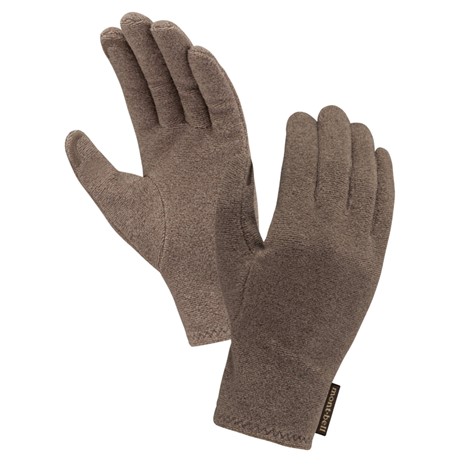
Our hiking gloves in Nairobi currently come in two cold-weather pairs: Thinsulate waterproof hiking gloves and fleece-lined mittens. Together they cover almost every Kenyan cold-weather hike, from a wet Aberdares day to a sub-zero summit push. Like the rest of our range, they sit alongside quality thrifted and some new gear.
Thinsulate waterproof hiking gloves
Our Thinsulate waterproof hiking gloves are the all-round pair. They combine a waterproof outer layer with Thinsulate insulation and a cuff designed to keep cold air and water out. They are flexible enough to grip trekking poles, rocks and gear, which makes them the pair to wear while you are actually walking. At KSh 850 on the product page at the time of writing, they are one of the more affordable hiking gloves in Nairobi for this kind of use.
These are the hiking gloves in Nairobi we point most people to for Table Mountain, Elephant Hill and Oldoinyo Lesatima in the Aberdares, the trekking days on Mt Kenya, and camp evenings anywhere above about 3,000 m. Sizes are not listed on the product page, so send us your hand measurement on WhatsApp before ordering.
Fleece-lined hiking mittens
The fleece-lined hiking mittens are the warm top layer. A soft fleece lining holds heat around the whole hand, and the mitten shape keeps your fingers together. They are the warmest of our hiking gloves in Nairobi, and the layer to add when you stop, at camp or on summit night. They are listed at KSh 499, reduced from KSh 999, on the product page at the time of writing.
What else keeps your hands warm?
Even the warmest hiking gloves in Nairobi cannot help if your core is cold, because your body cuts blood flow to the fingers first. A fleece-lined balaclava and a winter trapper hat protect the head and neck, where you lose a lot of heat. A thermal base layer matters too; our guide to thermal wear in Nairobi covers that layer, and a mid-weight fleece sits between it and your shell.
Gear up for your next hike
Shop quality hiking and outdoor gear at great prices — from socks and gloves to hats, balaclavas and camping fuel. Everything you need for Kenya’s trails, delivered fast.
Where Can You Buy Hiking Gloves in Nairobi?
You can buy hiking gloves in Nairobi at our shop on the 3rd floor of Mountain Mall, Shop D39, on Thika Road, or order online and pay by M-Pesa or cash on delivery. Both of our cold-weather pairs are listed in our gloves and mittens section.
Mountain Mall sits on Thika Road near Kasarani, Garden Estate, Thome and Roysambu. The shop is open Monday to Friday from 8:30am to 6:00pm, Saturday from 9:00am to 2:00pm, and on Sunday by appointment. Trying on hiking gloves in Nairobi in person is the easiest way to get the size right, so if you can, come to our accessories counter at Mountain Mall, Thika Road with any liner you plan to wear underneath.
If you cannot make it to Thika Road, order hiking gloves in Nairobi online from our mittens and waterproof gloves section. Payment by M-Pesa or cash on delivery keeps it simple, and our team on WhatsApp can help with sizing before you order.
Because our stock mixes quality thrifted gear with some new items, it is worth asking what else is in. Branded pre-owned gloves do come through, and they can make good hiking gloves in Nairobi affordable for people who only head up a cold mountain once or twice a year.
What should you check before buying hiking gloves?
Check the fit, the waterproofing, the insulation and the cuff before the brand or colour. The table below lists what to look for in any pair of hiking gloves in Nairobi, new or pre-owned.
| What to check | What good looks like | Why it matters on Kenyan trails |
|---|---|---|
| Fit | Snug at the knuckles, a little space at the fingertips | Tight gloves cut circulation; loose ones are clumsy on poles and zips |
| Waterproofing | A waterproof outer or inner layer, taped or well-sealed seams | Aberdares mist and short-rains drizzle soak ordinary knitted gloves in minutes |
| Insulation | Synthetic fill such as Thinsulate, or fleece lining | Synthetics keep more warmth when damp than down or cotton |
| Cuff | Long enough to tuck under or over your jacket sleeve, with a closure | Stops cold air and rain running up your wrists |
| Grip | A textured palm and fingers | Holds a trekking pole, wet rock or a water bottle securely |
| Pre-owned condition | No holes at the fingertips, intact seams, lining still lofty | Worn fingertips and flat linings lose warmth fast |
How should hiking gloves fit?
When you try hiking gloves in Nairobi, they should feel snug across the palm and knuckles with about half a centimetre of space beyond each fingertip. Make a fist: if the fabric pulls tight across the back of your hand, go up a size.
To find your size, wrap a tape measure around the widest part of your palm, just below the knuckles and not including the thumb. Compare it with the size chart, or send it to us on WhatsApp if you are ordering hiking gloves in Nairobi online. If you plan to wear a liner underneath, try them on together. For mittens, size up a little so they slide over your gloves without squeezing them, because compressed insulation is cold insulation.
One more test: put the gloves on and try to open a zip, undo a buckle and grip a pole. If you cannot do all three without pulling the gloves off, they will spend most of the hike in your pocket, which defeats the point.
Pro Tips
- Put gloves on early: wear them before your hands feel cold; it is far harder to rewarm cold fingers than to keep warm ones warm.
- Keep a spare dry: whichever hiking gloves in Nairobi you buy, seal a second pair in a plastic bag at the bottom of your pack for the descent or the next day.
- Use a cord or clip: tie mittens to your jacket or pack so wind cannot take one when you pull it off for a photo.
- Dry them overnight on you: damp gloves go inside your jacket or sleeping bag, never next to a stove or campfire.
- Eat and drink: your body needs fuel to send warm blood to your fingers, so snack regularly on cold climbs.
- Loosen tight straps: tight wrist cords, watch straps and pack straps across the chest can all reduce blood flow to the hands.
How Do You Keep Your Hands Warm and Safe on a Cold Mountain?
Keep your core warm, put gloves on before your hands get cold, stay fed and hydrated, and keep moving your fingers. If your hands go numb and do not recover, stop, get sheltered, and warm them gently against your body.
Cold hands usually mean the rest of you needs attention. The fix is often a warmer layer on your chest, a hat, a snack or brisk walking, not just thicker gloves.
What are the warning signs of frostbite?
Early frostbite shows up as skin that feels cold and firm, numbness, a stinging or burning feeling, aching, and skin that turns red or pale. On darker skin, the colour change can be harder to see, so pay attention to feel as well as look.
The NHS guidance on frostbite advises getting to shelter, removing tight items such as rings and gloves from the affected area, tucking cold hands under your armpits and rewarming gently. Do not rub or massage the skin and do not warm it against a fire or stove. Hard, frozen skin, blisters or a lasting loss of feeling need urgent medical help, which on Mt Kenya means alerting your guide straight away and heading down.
Frostbite is a real risk on windy high summit nights. The Kenya Wildlife Service page for Mt Kenya National Park is the place to start when planning a climb there, and our Mt Kenya hiking guide covers routes and seasons.
Common mistakes with hiking gloves
The most common mistake is packing knitted town gloves instead of buying proper hiking gloves in Nairobi before the trip. Knitted gloves soak up rain and mist like a sponge, then pull heat from your hands.
Other common mistakes: buying hiking gloves in Nairobi a size too small, which cuts circulation; leaving gloves buried in the pack until hands are numb; drying them on a hot stove; forgetting a spare pair; and choosing a short cuff that leaves a cold, wet strip of wrist.
How do you wash and dry hiking gloves?
Hand-wash hiking gloves in lukewarm water with a mild soap, rinse well and air-dry them away from direct heat. Avoid fabric softener, which can coat waterproof layers and flatten insulation.
Follow the care label first. Squeeze rather than wring, hang fingers-down in the shade, and keep them away from campfires. Once dry, check fingertips and seams, because small holes grow quickly on rock.

Which of our hikes call for hiking gloves?
Our Aberdares day hikes are a good test close to home. The Table Mountain day hike on 7 November and the Oldoinyo Lesatima Dragon’s Teeth day hike on 14 November both climb into cold, misty moorland and make a good first outing for hiking gloves in Nairobi you have just bought. For the bigger mountain, see our Mt Kenya gear shopping list, and our hiking gear checklist for Kenya covers everything else from boots to headlamps.
Ready to hit the trail?
Join one of our upcoming guided hikes — from beginner-friendly day hikes to longer treks across Kenya’s best routes.
Frequently Asked Questions
Do I need gloves to climb Mt Kenya?
Yes, gloves are needed for Mt Kenya. Night temperatures near the summits fall well below freezing, and the push to Point Lenana (4,985 m) usually starts in the dark. Buy waterproof insulated hiking gloves in Nairobi before you travel for the trekking days, then add mittens to pull over them for summit morning, plus a spare pair kept dry in a plastic bag in case the first pair gets wet.
Can I just use normal winter gloves from town?
Normal knitted or fashion gloves from town are fine for a cool Nairobi morning but poor on a mountain. Most are not waterproof, so Aberdares mist and short-rains drizzle soak them quickly, and wet wool or cotton pulls heat away from your fingers. The hiking gloves in Nairobi outdoor shops sell add a waterproof layer, synthetic insulation, a grippy palm and a longer cuff that seals against your sleeve.
Are mittens better than gloves for Kilimanjaro?
Mittens are better than gloves for Kilimanjaro’s summit night, because fingers kept together stay warmer during the slow, freezing climb to Uhuru Peak (5,895 m). Gloves are still useful on the lower days for dexterity. The best approach is to pack both: buy hiking gloves in Nairobi for the lower days, wear a warm mitten over them for summit night, and keep a spare pair packed away.
How much are hiking gloves in Nairobi?
Hiking gloves in Nairobi vary in price by brand, insulation and whether they are new or pre-owned. On our product pages at the time of writing, Thinsulate waterproof hiking gloves are listed at KSh 850 and fleece-lined mittens at KSh 499. Prices can change, so check the product page or message us on WhatsApp for the current price before you visit.
Will waterproof gloves stay dry all day in heavy rain?
Waterproof gloves keep out a lot of rain but rarely stay perfectly dry inside over a full day of heavy downpour. Water can enter at the cuff, and sweat builds up inside. Tuck cuffs under your rain jacket sleeves, take gloves off on hot climbs, and carry a dry spare pair so you always have something warm for the descent or the evening.
Final Thoughts
Zips, buckles, poles, snacks and cameras all depend on fingers that still work. For most Kenyan hikers, the right hiking gloves in Nairobi are one waterproof insulated pair for walking, with fleece-lined mittens added for Mt Kenya or Kilimanjaro summit nights and a spare pair sealed in a bag.
If an Aberdares hike or a Point Lenana climb is on your calendar, measure your hand tonight, then come and try our hiking gloves in Nairobi at Mountain Mall or send the measurement on WhatsApp and we will tell you which size to order.
Gloves, mittens or both for your next cold climb?
Our team can help you choose the right gear, answer your hiking questions and get your order dispatched quickly. Message us for a quick, straight answer.