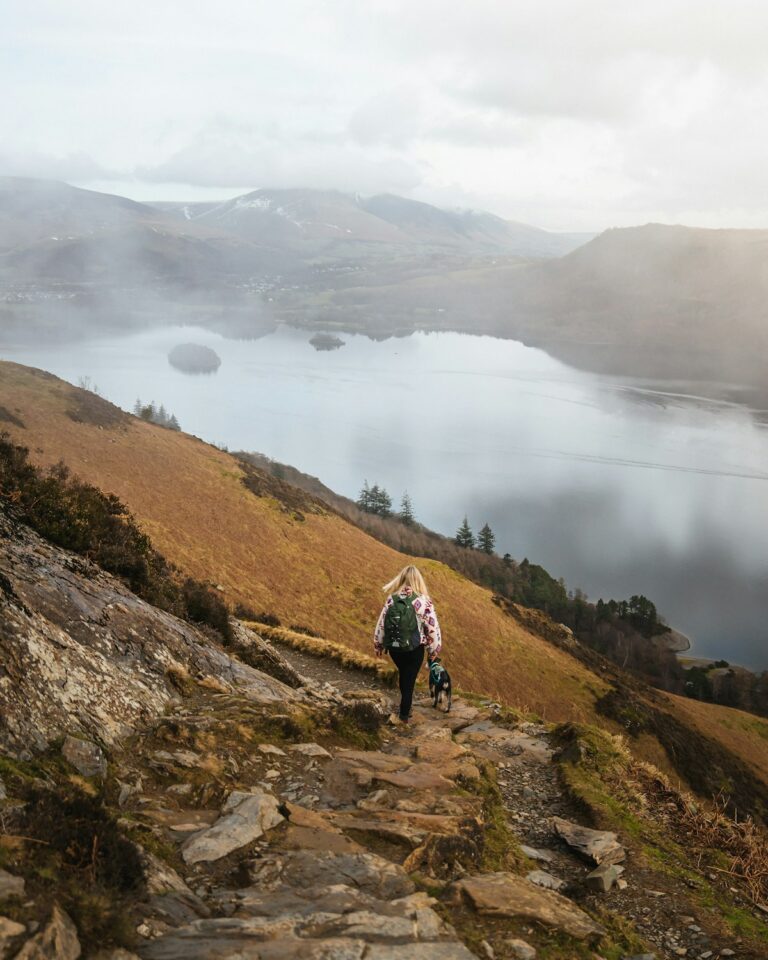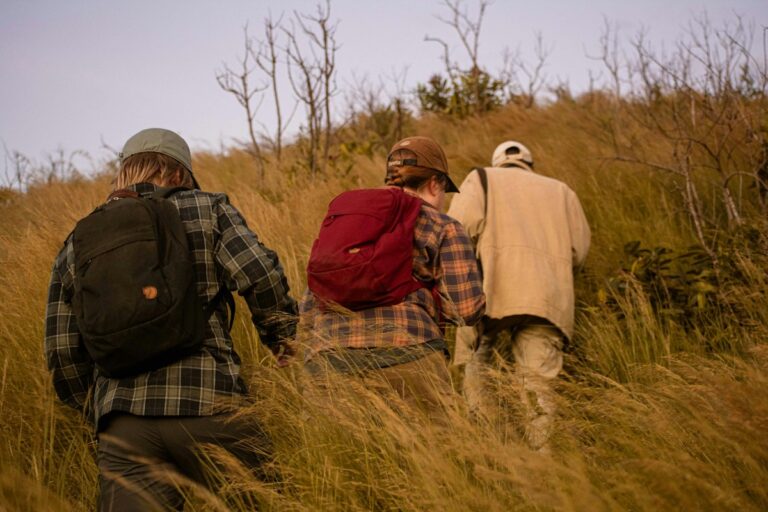

If your longest walk so far is from the matatu stage to the office, hiking for beginners in Kenya should start on Karura Forest’s 5 km yellow loop in Nairobi, not on Mt Longonot. Then build up through the Ngong Hills and Ol Donyo Sabuk, with 2 litres of water, grippy shoes and a group.
The usual mistake in hiking for beginners in Kenya is getting the order wrong. A friend suggests Longonot, and three hours later you are sliding down loose ash with an empty bottle. Below is a four-step trail ladder, a kit list priced from our shelves, a training plan and the safety habits that matter.
Quick Facts
- First trail: Karura Forest in Nairobi, the usual starting point for hiking for beginners in Kenya, with loops of 5, 10 and 15 km.
- Second step: the Ngong Hills, about 11 km one way from the KFS gate to Kona Baridi, topping out near 2,460 m.
- Third step: Ol Donyo Sabuk (2,145 m), roughly 9-10 km from gate to summit, walked with a KWS ranger.
- Graduation hike: Mt Longonot, 13.5 km including the 7.2 km crater rim, summit 2,776 m.
- Water: 2 litres for a half-day hike, 3 litres for Longonot or any hot, exposed trail.
- Rain: long rains roughly March-May, short rains roughly October-December, usually as afternoon storms.
How Hard Is Hiking for Beginners in Kenya?
Most newcomers find Kenyan trails easier than they feared, provided they respect altitude, sun and mud. Popular day hikes around Nairobi sit between about 1,600 m and 2,800 m, so a slope that looks gentle can leave you breathing hard.
The equatorial sun burns quickly at that height, and red soil turns to grease after one shower. Hiking for beginners in Kenya needs no special skills, just a sensible first trail and a slow pace.
Do You Need to Be Fit to Start Hiking?
You need to be able to walk briskly for about an hour without stopping. For hiking for beginners in Kenya, that is enough for Karura and a good test of whether your shoes rub. Hill fitness comes quickly once you hike every two or three weekends.
Which Trails Near Nairobi Should You Hike First, and in What Order?
The right order for hiking for beginners in Kenya is Karura Forest, then the Ngong Hills, then Ol Donyo Sabuk, saving Mt Longonot for your fourth or fifth outing. Each rung adds distance, height or rougher ground, so you find your limits on an easy trail.
| Step | Trail | Distance and time |
|---|---|---|
| 1 | Karura Forest, off Limuru Road, Nairobi | 5, 10 or 15 km loops; 1-4 hours |
| 2 | Ngong Hills, about 25 km from the CBD | About 11 km one way; 4-5 hours |
| 3 | Ol Donyo Sabuk, about 65 km away near Thika | 18-20 km return; 4-6 hours |
| 4 | Mt Longonot, about 60 km away near Naivasha | 13.5 km with the rim; 4-6 hours |
Step 1: Karura Forest
Karura is the gentlest start: the loops are mostly shaded and you can turn back at any numbered junction. The Friends of Karura walking trails page has a map worth saving to your phone.
Step 2: The Ngong Hills Ridge
The Ngong Hills are the second rung of hiking for beginners in Kenya, with the Rift Valley on one side and the city on the other. Expect several short, sharp climbs over the knuckles. Our Ngong Hills ridge walk guide covers the gate, route and transport.
Step 3: Ol Donyo Sabuk (Kilimambogo)
Ol Donyo Sabuk is mostly a forested road to a 2,145 m summit, easy underfoot but relentless. Buffalo live in the park, so hikers walk with a Kenya Wildlife Service ranger. See our Kilimambogo hiking guide.
Step 4: Mt Longonot
Treat Longonot as the graduation hike of hiking for beginners in Kenya. It starts at about 2,150 m, climbs 3.1 km to the crater rim and then circles 7.2 km of jagged, eroded edge. Our Mt Longonot hike guide helps you plan the day. Hells Gate, a fairly flat 16 km gorge walk, makes another good fourth step.
What Should You Wear and Carry on Your First Hikes?
The kit for hiking for beginners in Kenya is short: grippy shoes, wool or synthetic socks, quick-dry clothing, a sun hat and a small pack with water, snacks and a rain layer. Leave jeans and cotton T-shirts at home.
Are Trainers Enough, or Do Beginners Need Hiking Boots?
Trainers with decent tread are fine for Karura and a dry Ngong Hills day. For Longonot’s loose ash or any rainy-season hike, deep lugs grip far better on the way down.
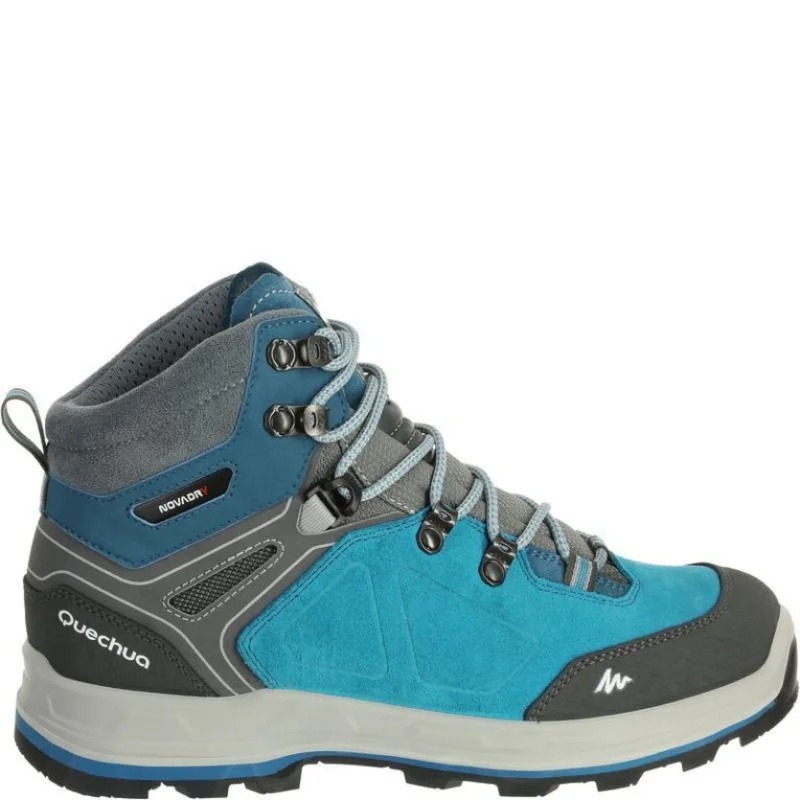
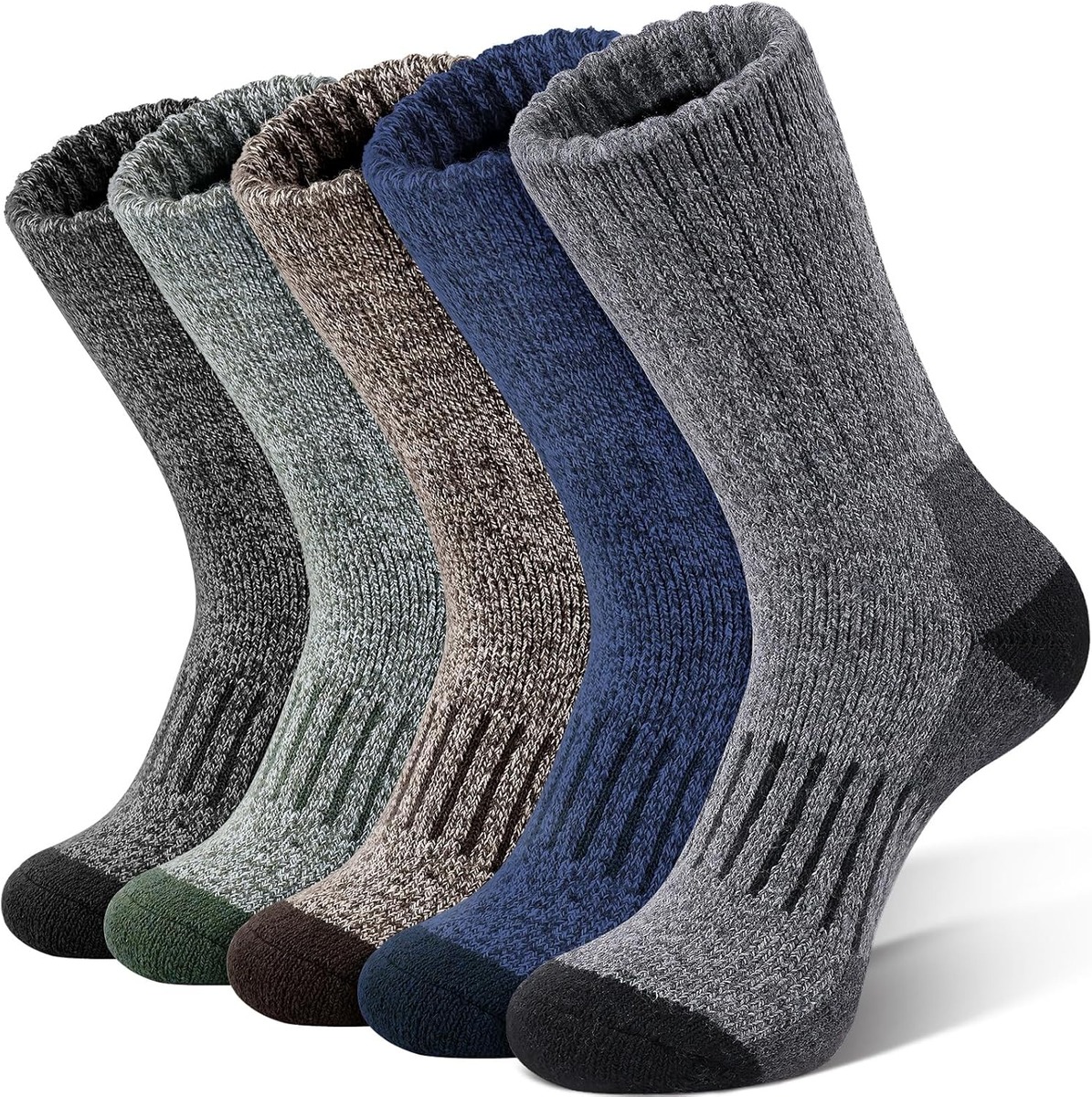
A good first pair is something like the Quechua waterproof hiking boot, a mid-height boot with a membrane for wet months. Break new boots in on short walks first. Socks matter almost as much: merino wool hiking socks wick sweat and cut down on blisters.
Which Clothes Work Best for Kenyan Hiking Weather?
Layers work best, because one day can bring a 10°C start, midday sun and an afternoon downpour. A quick-dry T-shirt, a light fleece and a waterproof shell or poncho cover most beginner trails. Our piece on what to wear hiking in Kenya explains how layers change as you climb.
What Goes in a Beginner’s Day Pack?
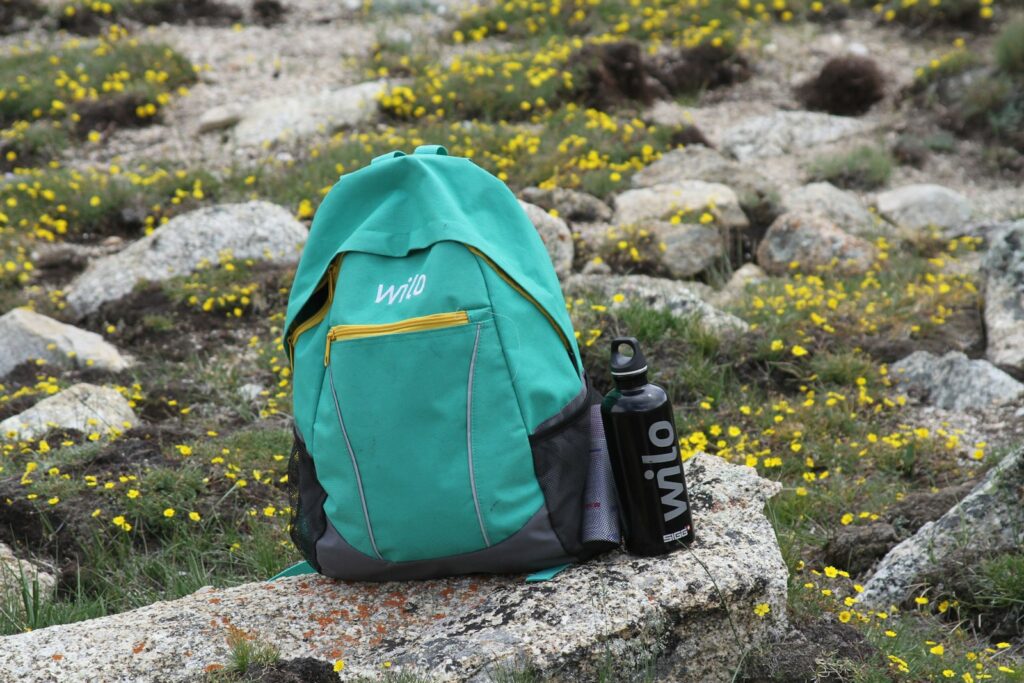
- Water: at least 2 litres, or 3 for Longonot. A 3L hydration backpack lets you sip on the move.
- Groundnuts, bananas or chapati.
- A rain layer, even on a bright morning, plus a sun hat and sunscreen.
- Phone, ID and cash for transport and gate fees.
- Plasters, blister patches and any personal medication.
How Much Does Hiking for Beginners in Kenya Cost?
Very little, if you buy only what the early trails demand. These are our product-page prices at the time of writing; they can change.
| Item | Our price | Buy it before |
|---|---|---|
| Merino wool hiking socks | KSh 350 | Your very first hike |
| Short-sleeve quick-dry T-shirt | KSh 850 | Your very first hike |
| Unisex waterproof rain poncho | KSh 1,800 | The Ngong Hills or any rainy-season walk |
| 3L hydration backpack | KSh 2,800 | Ol Donyo Sabuk or Longonot |
| Quechua waterproof hiking boot | KSh 5,499 | Longonot or your first wet-season hill |
Much of our stock is quality thrifted gear, plus some new items, which keeps hiking for beginners in Kenya affordable without skimping on boots or shells. Order online or try boots on at our hiking shop on Thika Road at Mountain Mall, open Monday to Friday 8:30am-6:00pm and Saturday 9:00am-2:00pm. Our beginner hiking gear in Nairobi post sets out a longer buying plan.
Gear up for your next hike
Shop quality hiking and outdoor gear at great prices — from socks and gloves to hats, balaclavas and camping fuel. Everything you need for Kenya’s trails, delivered fast.
Pro Tips for Hiking for Beginners in Kenya
- Talk test: if you cannot hold a conversation while climbing, slow down until you can.
- Leave by 6:30am: beat the Waiyaki Way traffic and the afternoon storms.
- Downhill matters: short strides and soft knees on descents, where most slips happen.
- Set a turnaround time: agree before you start when the group turns back, summit or not.
How Should You Train for Hiking for Beginners in Kenya?
Walk briskly three or four times a week for about four weeks, add stairs or hills, and carry your loaded day pack on longer weekend walks. That builds the legs and lungs a first hill day needs without risking injury.
| Week | Weekdays | Weekend |
|---|---|---|
| 1 | Three 30-minute brisk walks | Karura yellow loop (5 km) |
| 2 | Three 40-minute walks | Karura blue loop (10 km) with your pack |
| 3 | Four 45-minute walks with stairs | Karura green loop (15 km) |
| 4 | Two easy walks, then rest | The Ngong Hills ridge |
Four weeks is plenty for hiking for beginners in Kenya, because the first rungs are day walks, not expeditions.
How Do Beginners Stay Safe on Kenyan Trails?
Beginners stay safe by hiking with others, starting early, carrying enough water and turning back when the weather changes. In hiking for beginners in Kenya, good habits matter far more than expensive equipment.
Weather causes most of the trouble: in both rainy seasons storms usually build after midday, so be off exposed ridges by early afternoon. Our tips on hiking in the rain cover wet days. In parks such as Longonot you may meet buffalo or zebra, so keep your distance.
Check park rules and current entry fees with the Kenya Wildlife Service, or with Kenya Forest Service for reserves such as the Ngong Hills. Telling someone at home which trail you are on is the simplest safety rule in hiking for beginners in Kenya. Carry every wrapper and peel back out.
Is It Better to Start With a Guided Group?
For most people, yes. A guided group handles transport, gate fees, rangers and timing, so on your first outings you only need to turn up with the right kit.
For hiking for beginners in Kenya, a group also puts you beside people who know the trail and its pace. Our next beginner-friendly date is the Mt Kilimambogo day hike on Saturday 21 November from Nairobi. Our Table Mountain and Dragon’s Teeth days in the Aberdares are hard, high hikes, so save those, and the bigger routes in our best hikes in Kenya roundup, for later.
Ready to hit the trail?
Join one of our upcoming guided hikes — from beginner-friendly day hikes to longer treks across Kenya’s best routes.
Frequently Asked Questions
Which hike near Nairobi is easiest for a total beginner?
Karura Forest is the easiest hike near Nairobi for a total beginner. Karura sits inside the city off Limuru Road and has colour-coded loops of 5, 10 and 15 km on mostly shaded paths. Every main junction is numbered, so you can cut the walk short at any point and still find your way out.
Can I do Mt Longonot as my first ever hike?
Mt Longonot is possible as a first hike for fit people, but it works better as a fourth or fifth. The full route covers 13.5 km, climbs from about 2,150 m to the 2,776 m summit and includes steep, eroded ash that punishes knees on the descent.
Is it safe to hike alone as a beginner in Kenya?
Hiking for beginners in Kenya is safest in a group or with a guide, especially on remote trails and in parks with buffalo, where rangers are required. If you do walk alone, choose a busy, well-marked trail such as Karura, go in daylight and share your plan with someone.
What shoes should I wear for my first hike in Kenya?
For a first hike in Kenya, trainers with a good tread are enough on flat forest trails like Karura in dry weather. Wear hiking shoes or boots with deep lugs for Longonot, Ol Donyo Sabuk, the Ngong Hills after rain or any hike in the rainy seasons. Pair them with wool or synthetic socks, never cotton.
How much water should a beginner carry on a day hike?
For hiking for beginners in Kenya, carry at least 2 litres of water on a half-day hike and 3 litres for Longonot or any long, exposed route. Many trails have no safe water on the way. Drink small amounts often, and on hot days add electrolytes or fruit to replace the salt you sweat out.
Final Thoughts
Start small and climb the ladder in order: a Karura loop, the Ngong Hills ridge, Kilimambogo, then the Longonot rim. That progression is the heart of hiking for beginners in Kenya, and grippy shoes, 2 litres of water and a rain layer will carry you through all four.
Pick a Saturday this month and book the trail, then come and see us on Thika Road if your shoes need sorting first.
Not sure your trainers will survive your first hill?
Our team can help you choose the right gear, answer your hiking questions and get your order dispatched quickly. Message us for a quick, straight answer.