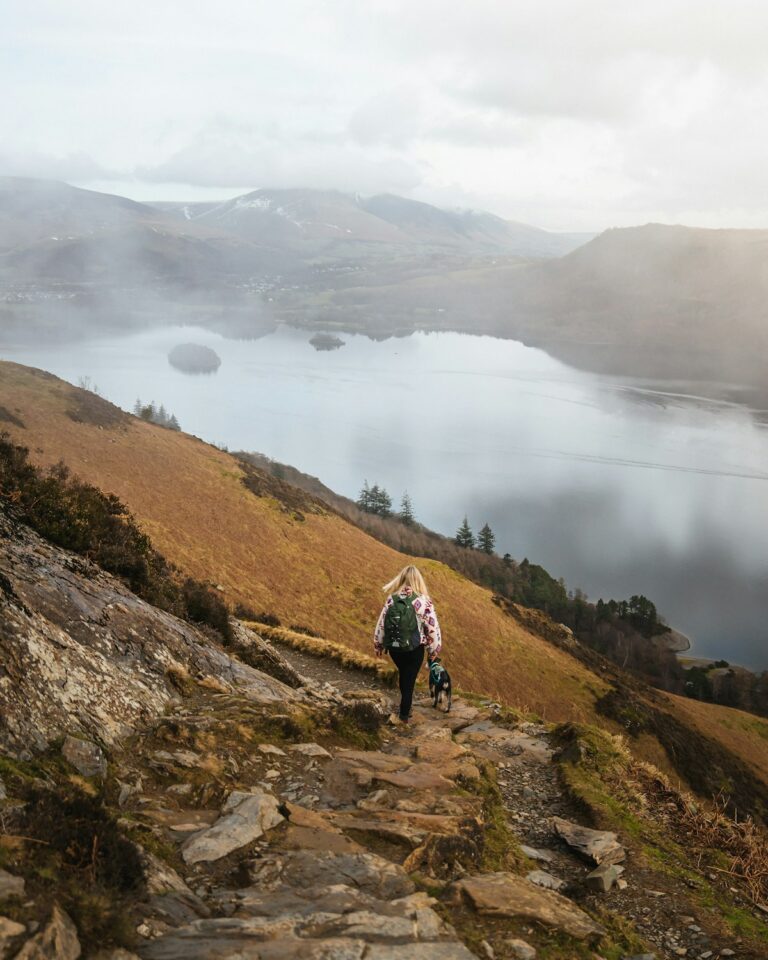

Most hikes from Nairobi start cool, turn hot by mid-morning and can end in rain, so what to wear hiking in Kenya is a layered outfit. Wear a quick-drying synthetic or merino top, light hiking trousers and broken-in boots with wool-blend socks, then carry a fleece, a hooded rain jacket and a sun hat.
One Kenyan day can hold a 6am drizzle, hard sun on a ridge at 11am and a cold summit wind after lunch. Below are the layers that handle all three, how to adjust them for altitude and the rains, and the mistakes that spoil first hikes.
Quick Facts
- Core outfit: what to wear hiking in Kenya starts with a wicking base layer, a fleece and a hooded shell.
- Altitude rule: air cools by roughly 6.5°C for every 1,000 m you climb.
- Sun: UV levels rise by about 10% per 1,000 m, and Kenya’s equatorial sun is high all year.
- Rainy seasons: long rains roughly March-May, short rains roughly October-December.
- Leave at home: jeans, cotton T-shirts and cotton socks, which stay cold and heavy once wet.
- Feet: broken-in boots or trail shoes with merino or synthetic socks, plus a spare pair.
Why Is Dressing for a Kenyan Hike So Tricky?
Altitude, equatorial sun and sudden rain all hit you on the same day. A trailhead can feel mild while the summit, 800 m higher, is windy and close to 10°C.
Nairobi sits at about 1,795 m, Mt Longonot’s rim at 2,776 m and Elephant Hill in the Aberdares at about 3,630 m. With air cooling around 6.5°C per 1,000 m, Elephant Hill’s top can be 11-12°C colder than the city on the same morning. UV, meanwhile, strengthens as you climb, and a cool breeze hides it. So one outfit has to handle sweat, sun and rain.
What to Wear Hiking in Kenya: Three Layers That Do the Work
A base layer moves sweat off your skin, a mid layer holds warmth, and a shell blocks wind and rain. You add or remove them as you climb, rest and descend.
Which base layer works best in Kenyan heat?
A synthetic (polyester) or merino top works best, because both wick sweat and dry fast. Cotton soaks up sweat, then chills you on a windy rim. A light long-sleeved top is the smart default when you plan what to wear hiking in Kenya, since it also keeps the sun off your arms. Our post on quick dry shirts in Nairobi compares fabrics.
How warm should your mid layer be?
Below about 2,800 m, a 100- or 200-weight fleece is enough. Higher up or for dawn starts, add a thicker fleece or light insulated jacket. Our notes on layering for cold weather hikes show how to stack these pieces.
Do you really need a rain jacket in the dry season?
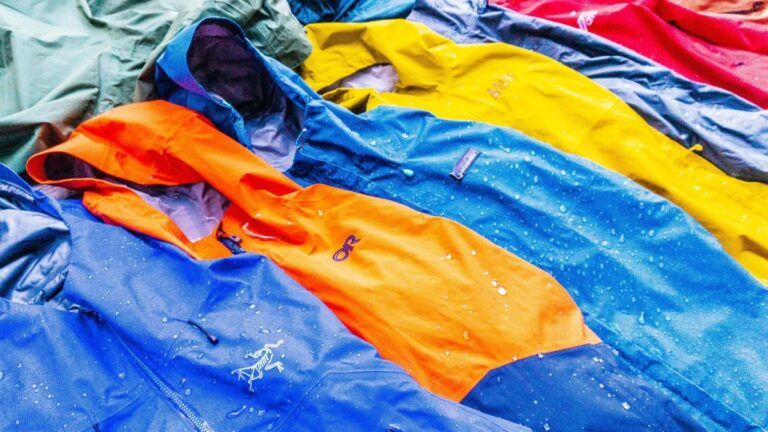
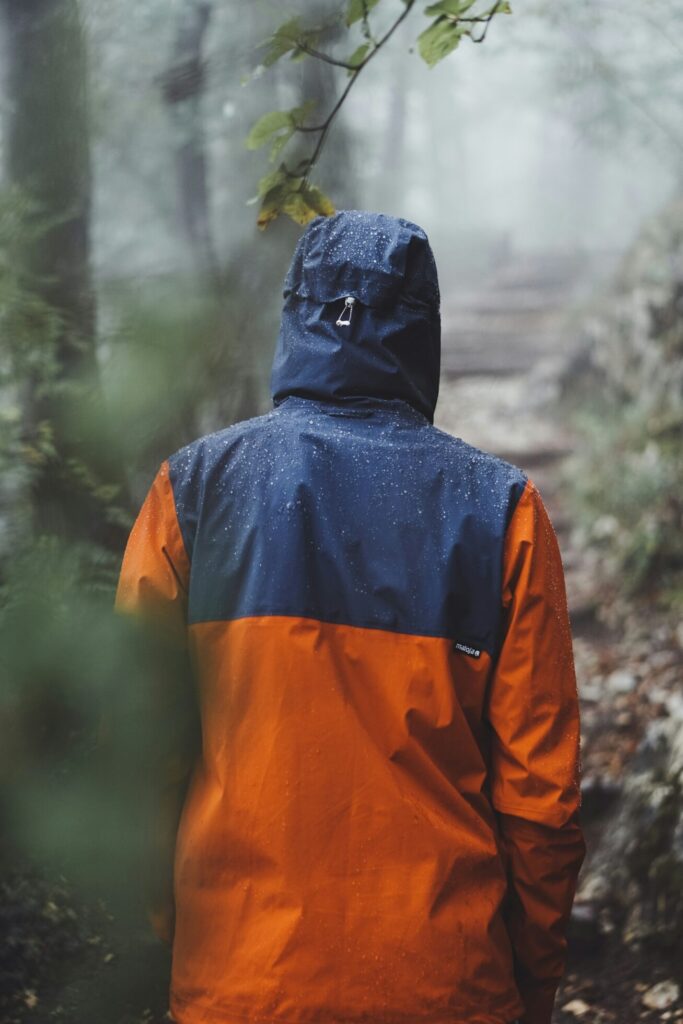
Yes. Afternoon storms build over the Aberdares and Mt Kenya even in January or August, and a shell doubles as a windbreaker. Any honest answer to what to wear hiking in Kenya includes a hooded, breathable jacket that packs small, like our rain jackets, many of them thrifted.
What Should You Wear on Your Legs and Feet?
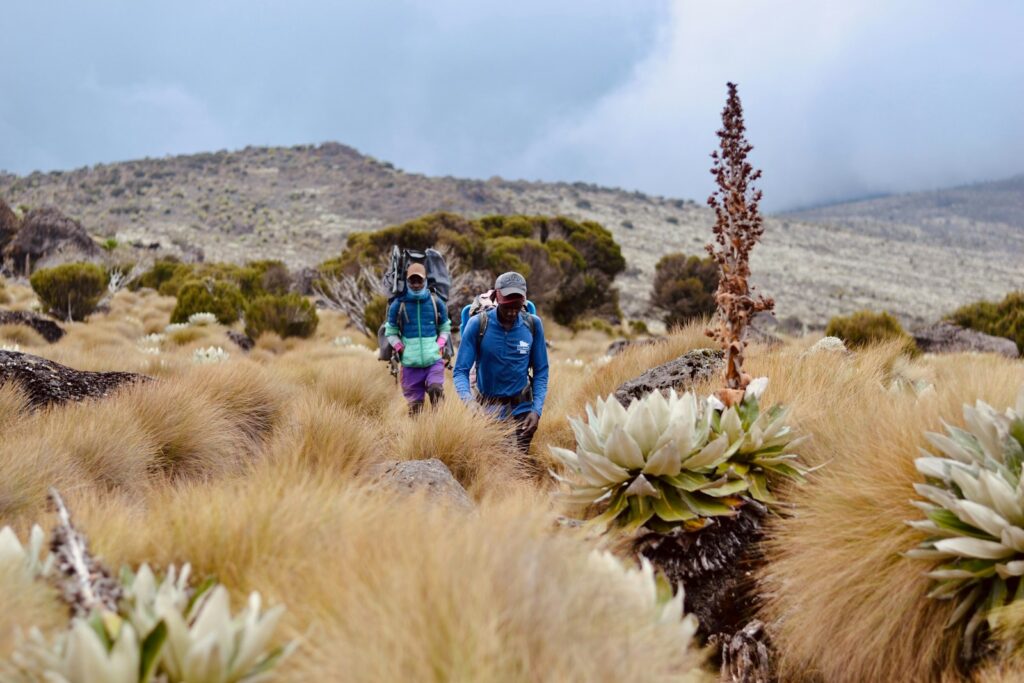
From the waist down, what to wear hiking in Kenya is light, quick-drying trousers and broken-in boots or trail shoes with wool-blend socks. Long trousers beat shorts against thorns, nettles, ticks and sunburn.
Trousers, shorts or leggings?
Nylon or polyester trousers stretch, shrug off thorns and dry fast. Zip-offs give you shorts for hot Hell’s Gate and full length for the forest; leggings snag in bush, and jeans take hours to dry. See zip off hiking pants in Nairobi for one pair that covers every trail.
Boots or trail shoes?
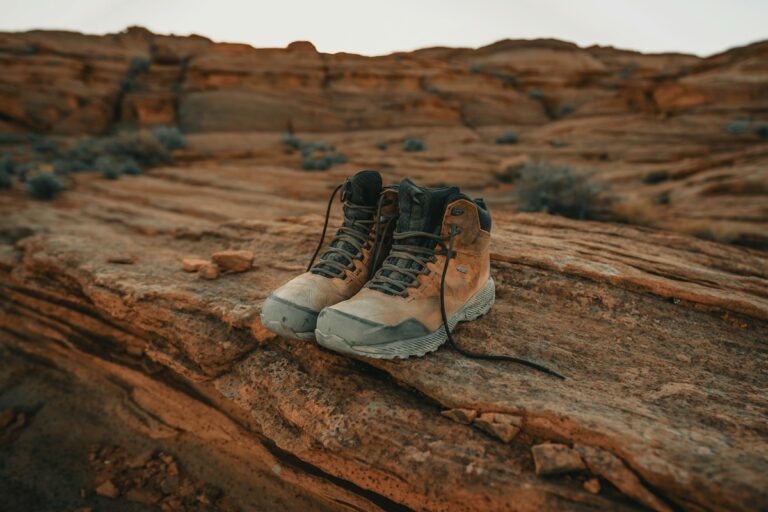
Mid-cut boots with deep lugs suit most Kenyan trails, from Longonot’s loose ash to Aberdares mud. Trail shoes suit dry, firm paths. A sturdy all-rounder such as the Quechua waterproof hiking boot covers most day hikes; hiking boots for Kenyan trails compares more.
Which socks prevent blisters?
Merino or synthetic socks cushion, wick sweat and stay warm when damp, so they prevent most blisters; cotton traps moisture and rubs. Carry a spare pair on hikes over 10 km. Our merino wool hiking socks are a good start.
How Should You Dress for Altitude and Cold Summits?
Dress for the summit, not the trailhead. Above about 3,000 m, carry a beanie, gloves, a warm fleece and an insulated jacket, as dawn can be near freezing.
The table shows what to wear hiking in Kenya at different heights; treat it as a starting point and check the forecast.
| Altitude band | Example hikes | What to wear and carry |
|---|---|---|
| 1,500-2,200 m | Karura Forest, Hell’s Gate, Ol Donyo Sabuk | Synthetic tee, light trousers or zip-offs, sun hat, rain jacket in the pack |
| 2,200-3,000 m | Ngong Hills, Mt Longonot (2,776 m) | Long-sleeved base layer, light fleece, shell, sun hat, buff for dust |
| 3,000-4,000 m | Elephant Hill (about 3,630 m), Oldoinyo Lesatima | Base layer, warm fleece, shell and rain trousers, beanie, gloves, gaiters |
| Above 4,000 m | Mt Kenya to Point Lenana (4,985 m) | Thermals, fleece, down or synthetic jacket, shell, insulated gloves, balaclava |
Above 3,000 m, gloves and a balaclava complete what to wear hiking in Kenya. Thinsulate waterproof hiking gloves earn their place above 3,000 m, and a fleece-lined balaclava takes the sting out of summit wind. For overnight climbs, add thermal base layers and read our Mt Kenya packing list.
What to Wear Hiking in Kenya During the Long and Short Rains
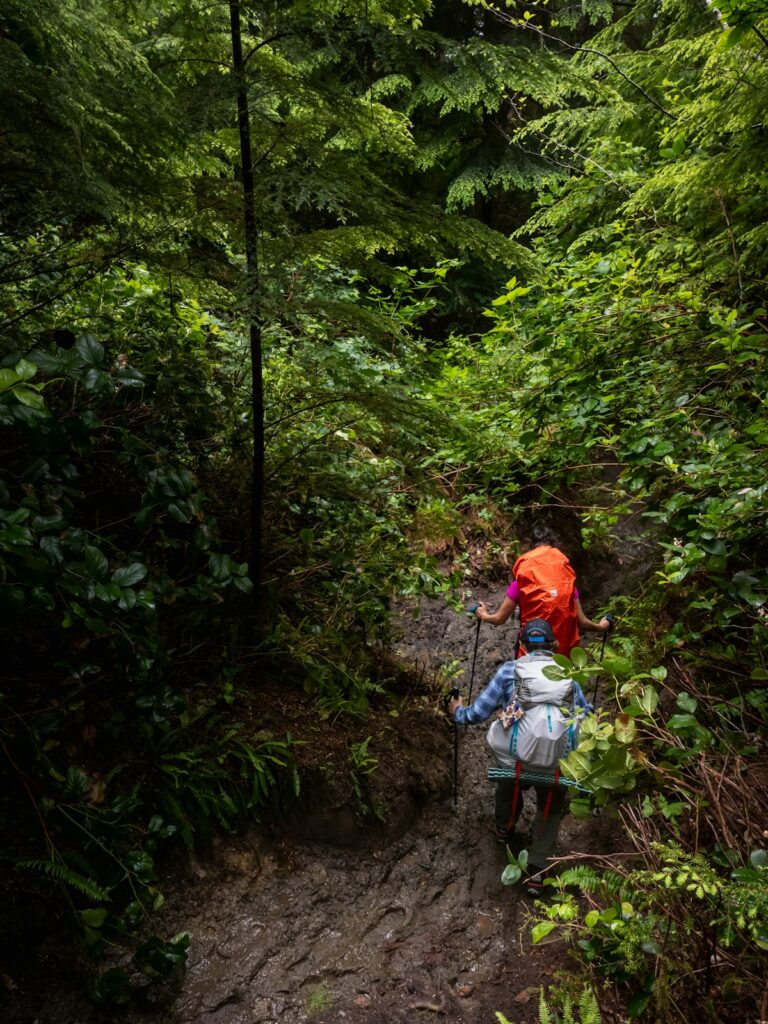
In the long rains (roughly March-May) and short rains (roughly October-December), wear quick-drying layers under a hooded shell, add rain trousers and gaiters, and choose boots with deep lugs.
Rain trousers are the piece of what to wear hiking in Kenya most people forget; they keep your legs dry in wet grass on the Ngong ridge, while waterproof leg gaiters stop mud pouring over your boot collars in the Aberdares. The short rains are under way now, so check the outlook from the Kenya Meteorological Department before you go. Our post on rain jackets for hiking in Nairobi explains ratings.
Gear up for your next hike
Shop quality hiking and outdoor gear at great prices — from socks and gloves to hats, balaclavas and camping fuel. Everything you need for Kenya’s trails, delivered fast.
How Do You Protect Yourself From the Equatorial Sun?
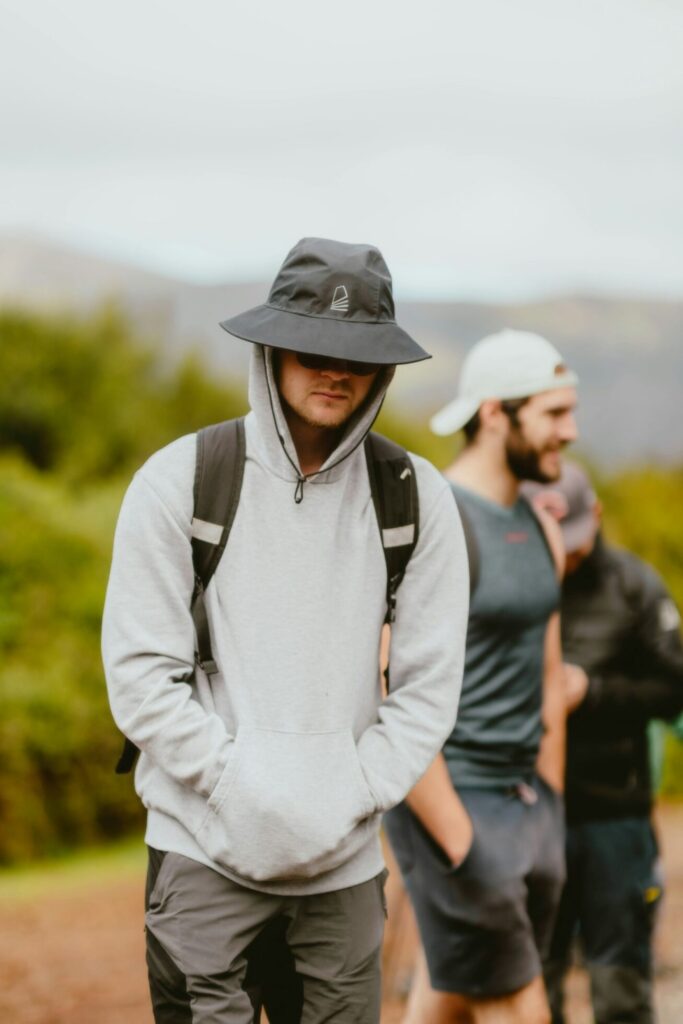
Cover up rather than relying on sunscreen alone: wear a wide-brimmed hat, UV-rated sunglasses and long sleeves, with SPF 30+ on exposed skin every two hours.
A wide brim shades the ears and neck that burn first on Longonot’s open rim, and a buff keeps out the ash. Sun cover is the part of what to wear hiking in Kenya that beginners skip most often. See hiking hats in Nairobi for brims.
Does the colour of your clothes matter?
Colour is a small but real part of what to wear hiking in Kenya. Khaki, sand and light grey stay cooler and hide dust. Dark blue and black attract tsetse flies, which is why fly traps across East Africa use those colours, so avoid them near wildlife areas. Keep one bright item for emergencies.
What Should Beginners Avoid Wearing on a Hike?
Skip jeans, cotton tops and socks, brand-new boots, smooth-soled trainers and hoodless jackets. Each holds water, causes blisters or slips on loose ground.
Also avoid overdressing at the start: a sweat-soaked base layer is what makes you cold on the summit. New hikers can start with hiking for beginners in Kenya.
You do not need to spend a fortune on what to wear hiking in Kenya. Most of what we sell is quality thrifted gear plus some new pieces, so good fleeces, shells and boots stay affordable. Try layers on at our gear shop in Mountain Mall along Thika Road in Nairobi.
Pro Tips
- Check the summit height before deciding what to wear hiking in Kenya, not the Nairobi weather.
- Start slightly cool; your body heats up fast on the first climb.
- Keep a dry top and socks in a plastic bag for the trip back to Nairobi.
- Test new boots on two or three short walks before any hike over 10 km.
- Reapply sunscreen at every long break, ears included.
A Head-to-Toe Checklist for a Day Hike Near Nairobi
Here is what to wear hiking in Kenya on a typical day hike; add the warm layers from the altitude table for higher mountains.
- Sun hat or cap, plus a beanie for early or high hikes
- Sunglasses and a buff or neck gaiter
- Synthetic or merino base layer
- Light fleece mid layer
- Hooded waterproof jacket
- Quick-drying hiking trousers or zip-offs
- Merino or synthetic socks, plus a spare pair
- Broken-in hiking boots or trail shoes
- Light gloves for summits above 3,000 m
- Rain trousers and gaiters in the rainy seasons
Our hiking gear checklist for Kenya adds packs, water and headlamps.
Worked example: what to wear hiking in Kenya on Mt Longonot
Picture a short-rains Longonot trip. Leave Nairobi around 6:30am in a long-sleeved synthetic top, zip-offs, boots and merino socks, with a fleece and shell in a 20-25 litre daypack. Climb in just the top, add the fleece on the windy rim, keep the shell handy after 1pm and pull the buff up for the dusty descent. Our Mt Longonot hike guide covers the route.
Ready to hit the trail?
Join one of our upcoming guided hikes — from beginner-friendly day hikes to longer treks across Kenya’s best routes.

Frequently Asked Questions
Can I hike in jeans in Kenya?
Jeans are a poor choice for what to wear hiking in Kenya beyond a short, dry walk in Karura Forest. Denim is heavy, restricts your stride on steep steps and stays cold and wet for hours. Nylon or polyester hiking trousers stretch, resist thorns and dry quickly.
Is it cold hiking in Kenya?
Hiking in Kenya gets cold higher up, even on the equator. Air cools by roughly 6.5°C per 1,000 m, so a summit such as Elephant Hill at about 3,630 m can be near freezing at dawn. Lower hikes near Nairobi are usually mild, but wind and rain still justify a fleece.
Shorts or trousers for hiking in Kenya?
Trousers are usually better for hiking in Kenya because they protect your legs from sunburn, thorny scrub, nettles and ticks. Shorts suit hot, low trails such as Hell’s Gate. Zip-off trousers give you both, so you can roll into shorts on warm sections and back to full length in the forest.
What to wear hiking in Kenya if it might rain?
If rain is possible, wear quick-drying synthetic layers and carry a hooded waterproof jacket and rain trousers. Add gaiters on muddy trails such as the Aberdares, and pack a dry top and socks in a plastic bag for afterwards. Plan to be off exposed ridges by early afternoon, when storms usually build.
Do I need waterproof boots to hike in Kenya?
Waterproof boots belong in what to wear hiking in Kenya during the long rains (March-May) and short rains (October-December), and in wet areas like the Aberdares and Mt Kenya all year. On dusty dry-season trails, breathable boots or trail shoes are cooler.
Final Thoughts
Dress for the coldest, wettest hour of the day rather than the moment you leave the car. For what to wear hiking in Kenya, a wicking base, a fleece and a hooded shell, with good boots, wool-blend socks and a sun hat, cover nearly every hike from Karura to the Aberdares.
Tonight, check your kit against the list. Our thrifted and new gear in Nairobi can fill the gaps affordably, and one of our guided hikes is a relaxed way to test what to wear hiking in Kenya on a real trail.
Not sure which layers your next hike needs?
Our team can help you choose the right gear, answer your hiking questions and get your order dispatched quickly. Message us for a quick, straight answer.